
[[bpstrwcotob]]

AI Won’t Replace Scientists—It Will Change How We Design Labs
From flexible lab modules to interchangeable bench and robotics space, AI and automation are prompting new questions about how laboratories should be designed for the years ahead
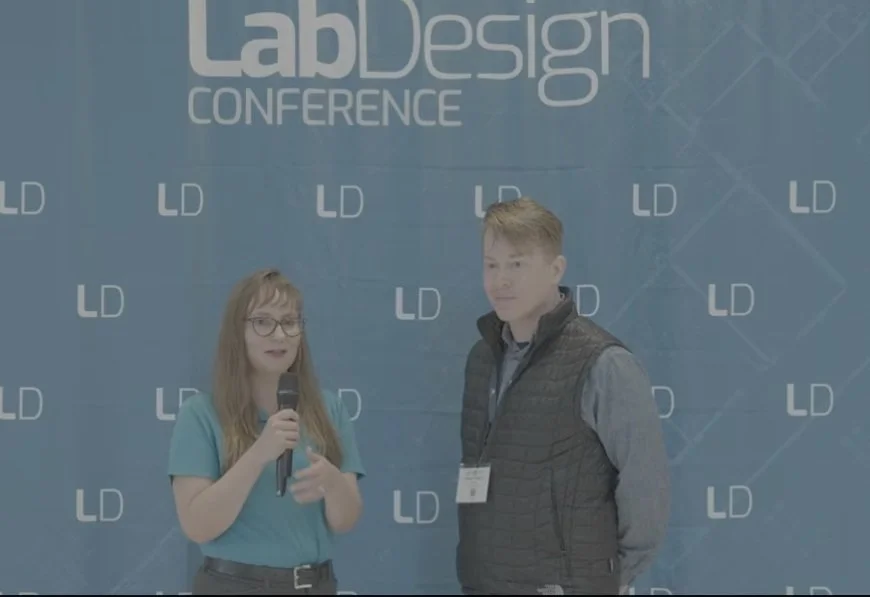
AI, Automation, and the Value of Industry Connections: On the Floor at the Lab Design Conference
Drawing on 18 years of attending the Lab Design Conference, Hanbury’s Regal Leftwich shares insights on emerging design trends, the growing impact of automation and AI, and the value of learning from the broader laboratory community
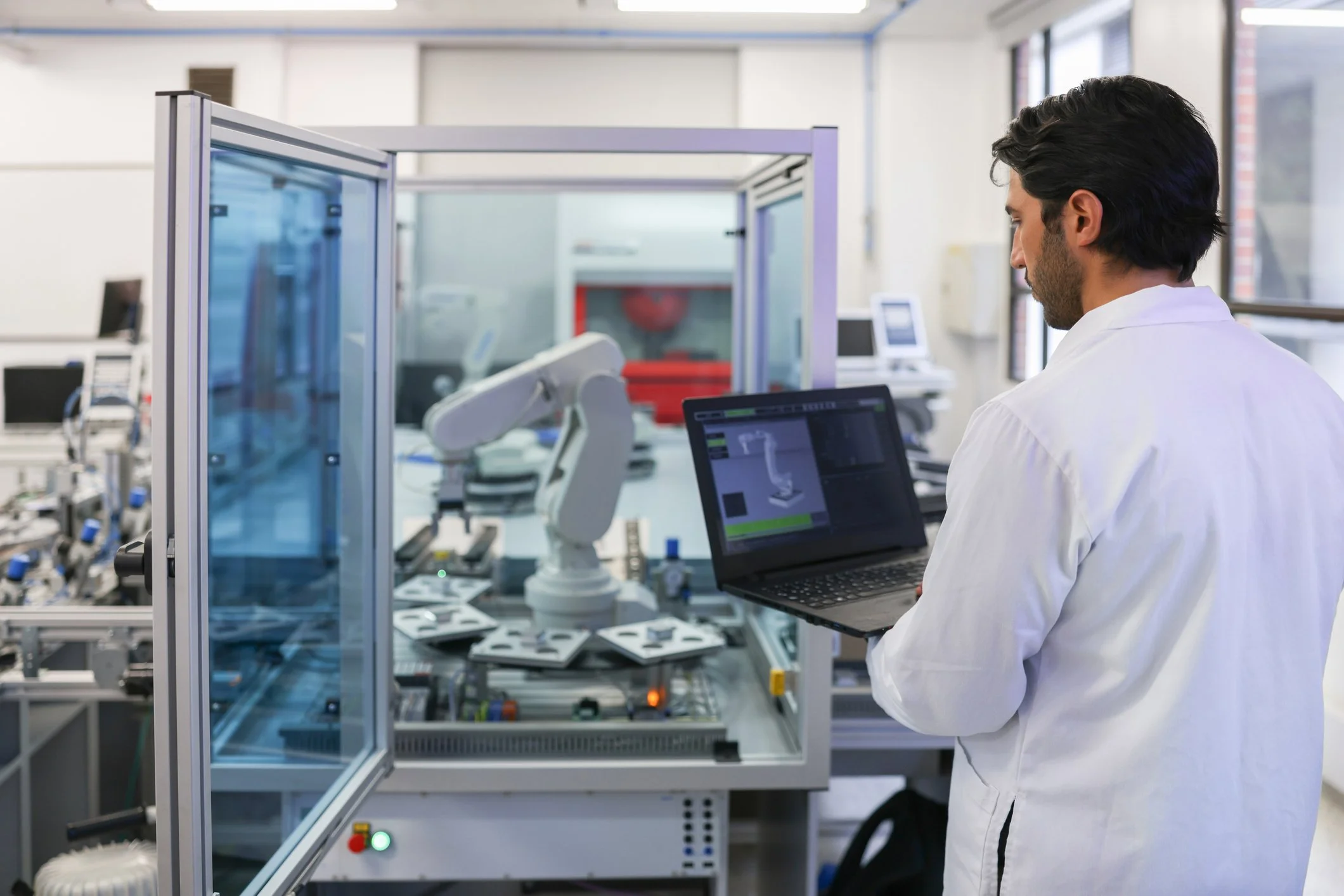
What Robotics-Driven Research Means for Future Laboratory Spaces
Autonomous labs are moving research beyond traditional workflows, requiring new approaches to flexibility, infrastructure, and collaboration. Learn how robotics, AI, and automation are influencing the design of next-generation laboratory environments
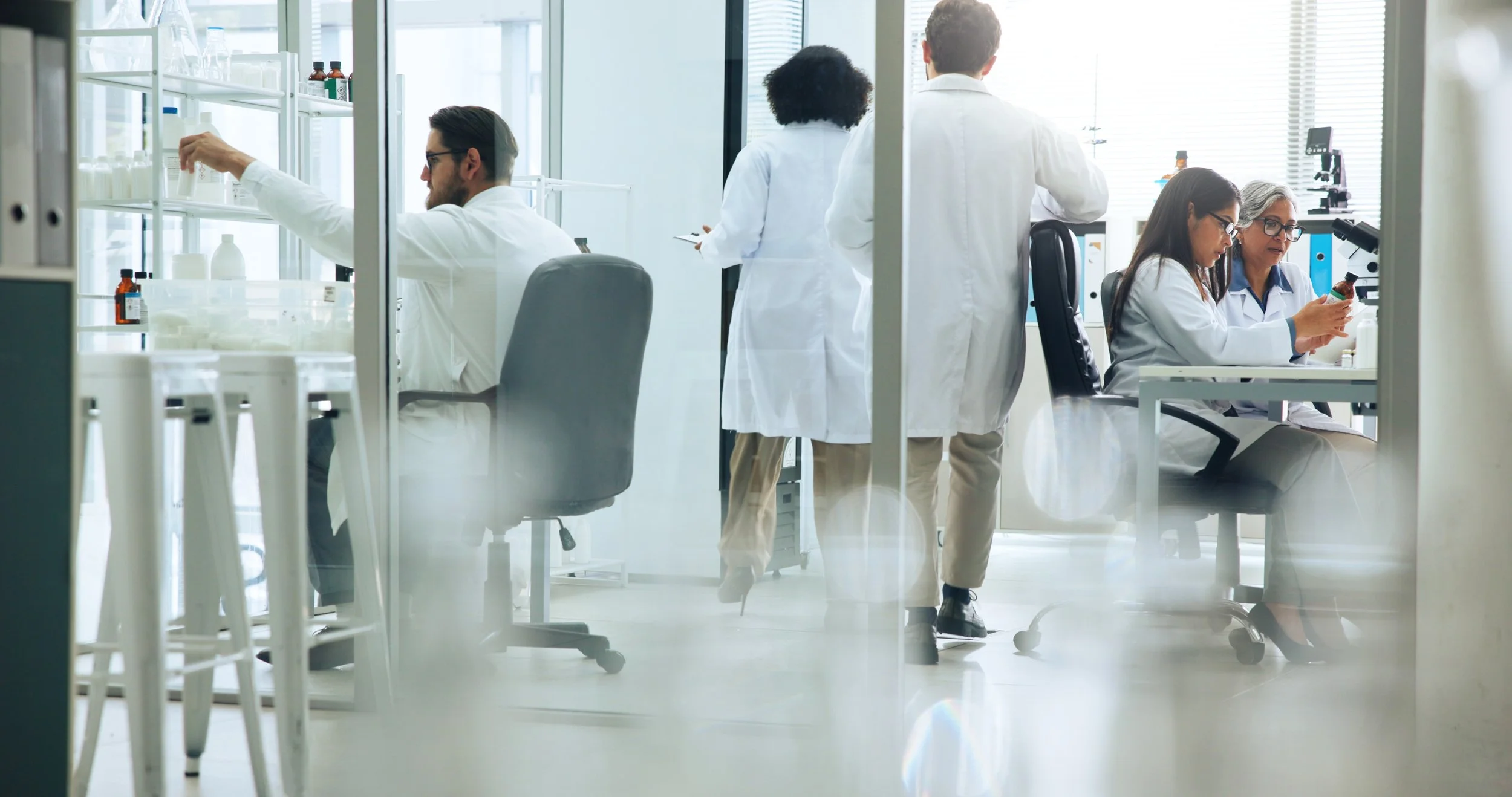
Protecting Long-Term Laboratory Building Performance: Designing Beyond Day One
Laboratory facilities achieve the best long-term performance when they are designed not only for current research needs, but also for decades of adaptability, maintainability, system reliability, and verifiable life-safety performance through proactive planning, integrated documentation, and ongoing building system management

What the Life Sciences Market Means for Your Next Lab
In a rapidly evolving life sciences market, designing for change may be the most important investment a lab owner can make
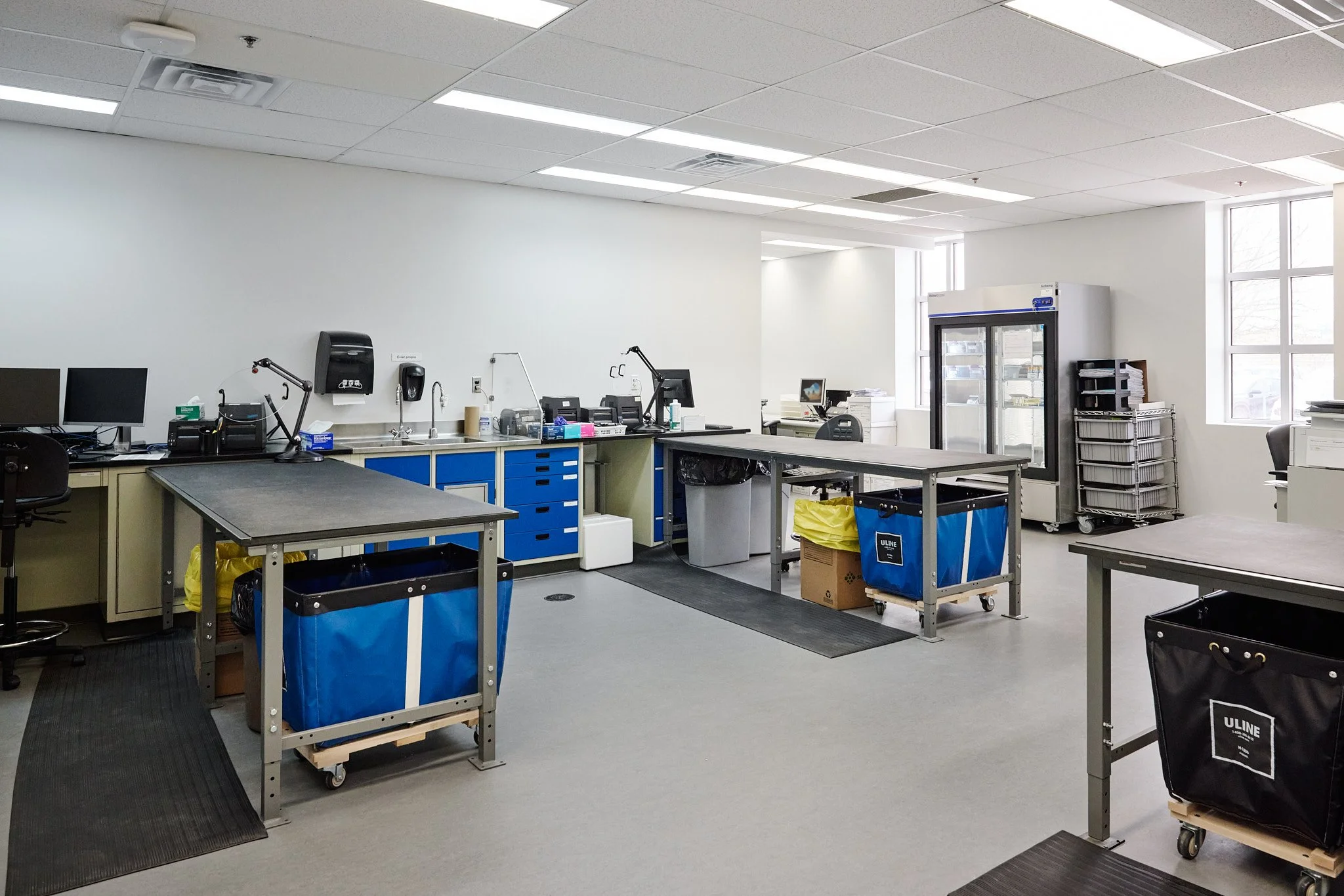
Integrating Diagnostics and Genetics Through Laboratory Design
Dynacare’s new precision medicine laboratory in Laval’s Biotech City consolidates diagnostic and genetics operations into a user-centered, highly integrated facility that enhances collaboration, streamlines workflows, maintains service continuity during transition, and advances efficient, patient-focused care
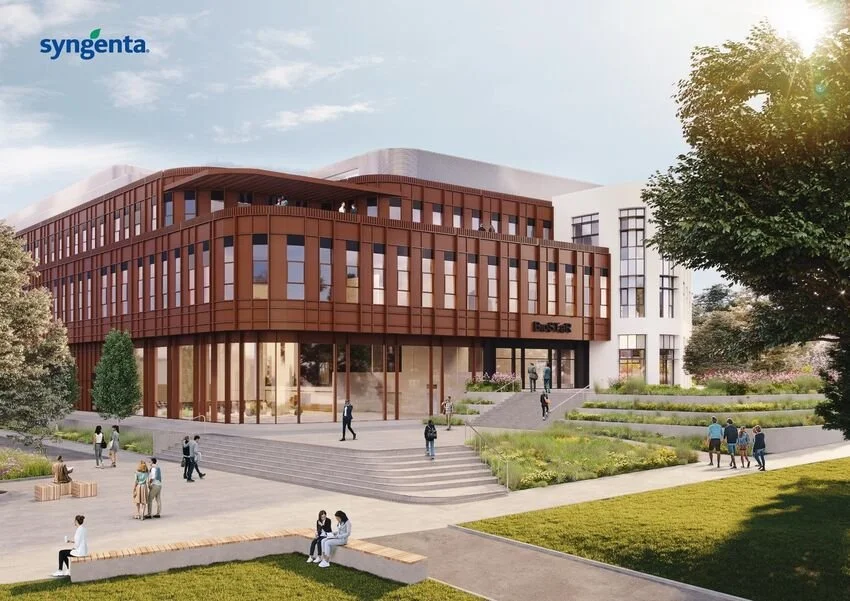
Where AI Meets Agriculture: Inside Syngenta’s Next-Gen Research Center
Syngenta’s BioSTaR facility is an AI-enabled agricultural bioscience research center designed to bring 300 scientists together in highly flexible, future-ready lab environments that integrate automation, digital infrastructure, and interdisciplinary collaboration to accelerate sustainable crop innovation
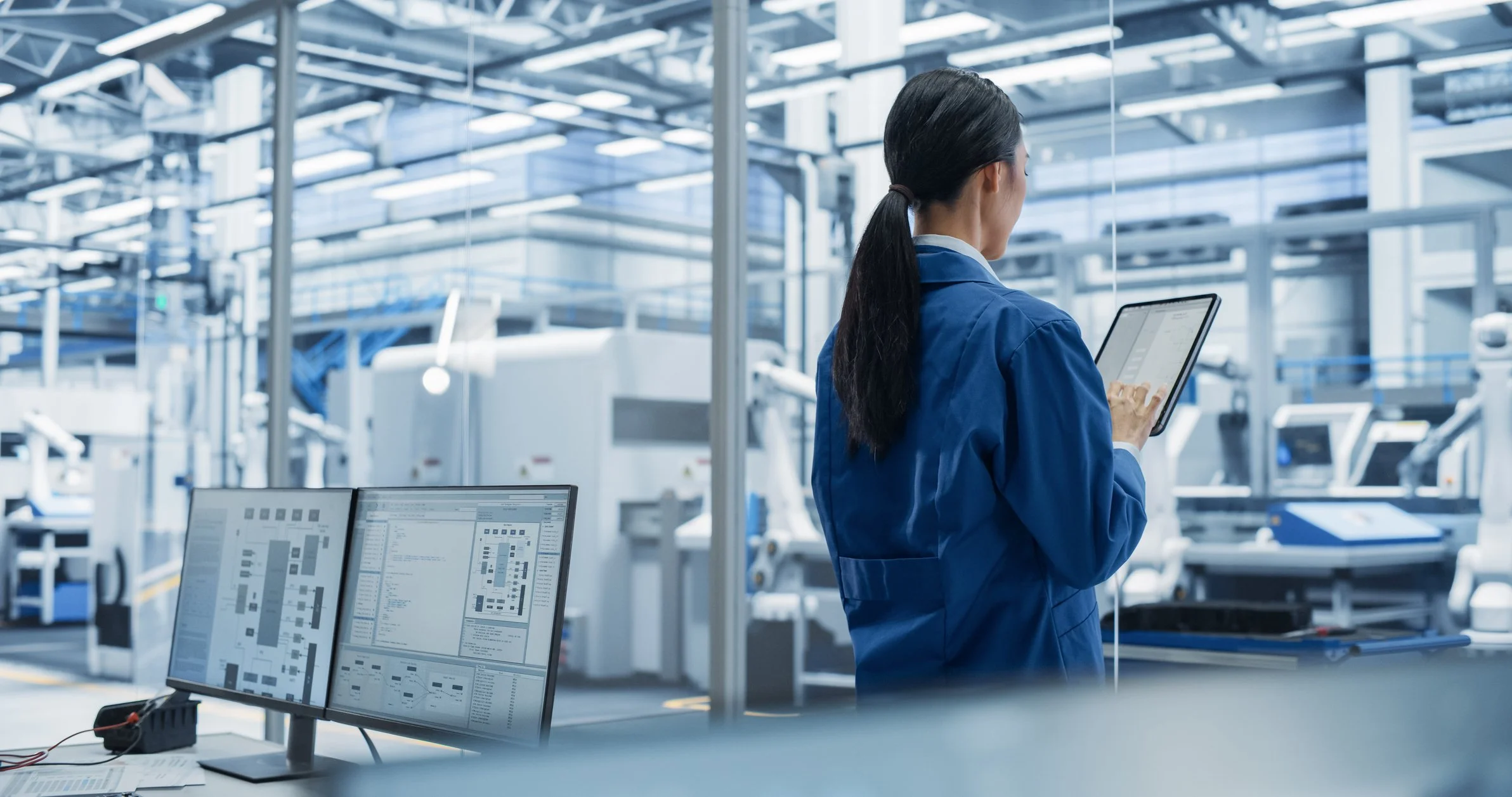
Smarter Labs: AI, Compliance, and Energy in Sync
independent data layers, continuous monitoring, and AI-driven analytics are transforming laboratory facilities by improving transparency, detecting operational drift, sustaining lifecycle performance, and enabling safer, more energy-efficient, and data-informed design decisions
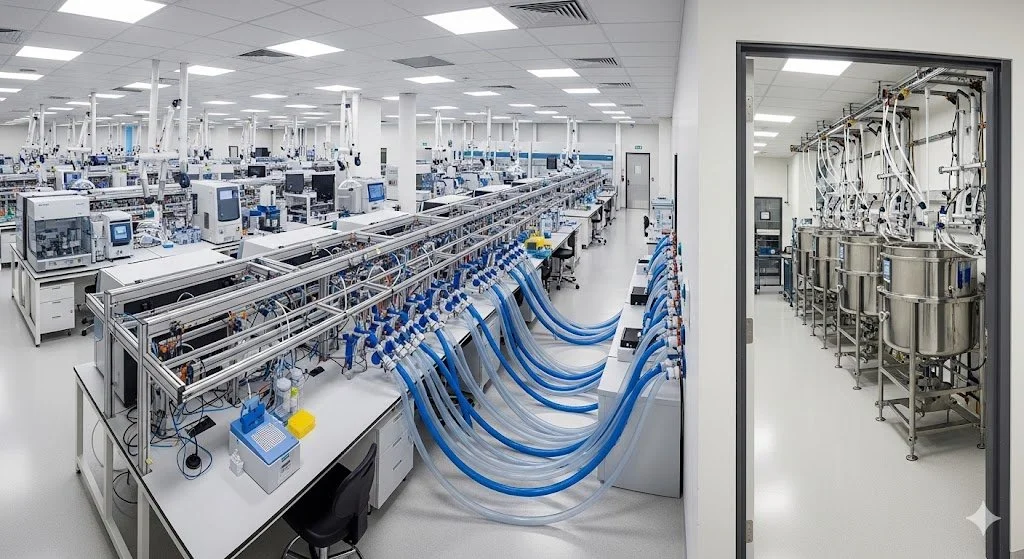
Waste Streams in High-Throughput Screening: Architecting for Bulk Disposal
As high-throughput screening automation drastically accelerates experimental timelines, laboratory infrastructure must evolve to handle the unprecedented volume of solid and liquid waste generated, requiring integrated bulk waste removal systems.
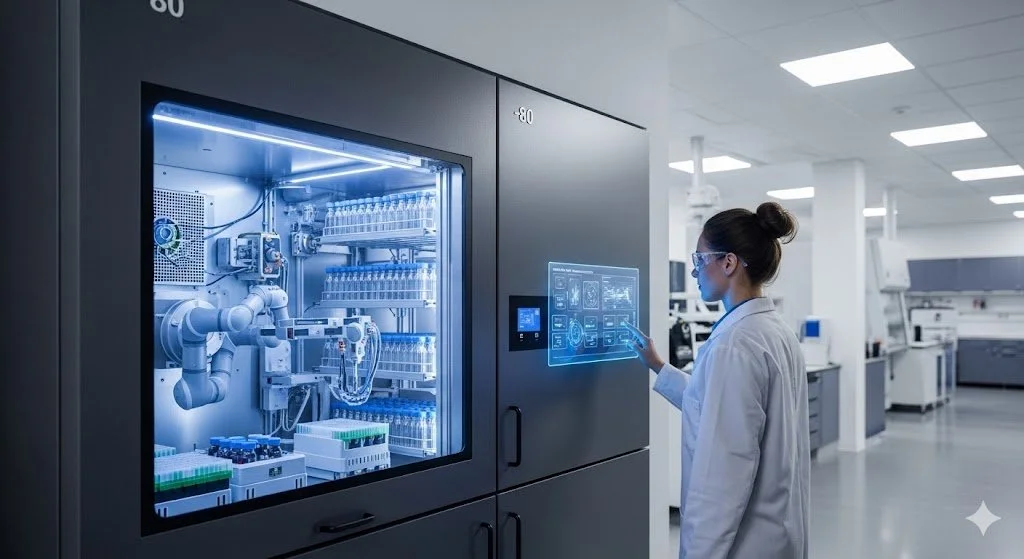
Automated Sample Storage: The "Vending Machine" Wall
As laboratories shift toward high-throughput compound management, the integration of massive automated -80°C freezers requires rigorous structural engineering to accommodate extreme floor loading capacities and ceiling clearances.