
[[bpstrwcotob]]
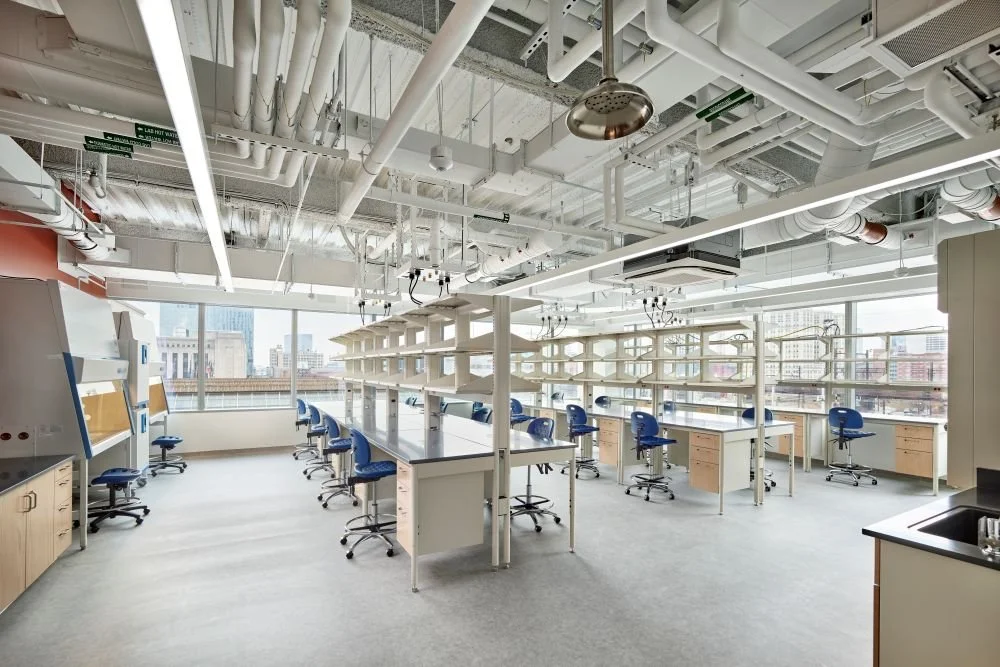
Building Labs That Grow With Startups
Life sciences incubators give emerging companies access to flexible laboratory space, shared equipment, operational support, and collaborative networks designed to help them grow

Engineering Collaboration: How Laboratory Design Sparks Scientific Discovery
Although separated by geography and scientific focus, Kadans' newest research facilities in Paris and Cambridge share a common philosophy: thoughtfully designed laboratories and social spaces can create the chance encounters that accelerate innovation

Early Planning Underway for UofL’s Collaborative Research Hub
The University of Louisville’s planned Center for Bioscience is entering early planning, with the future project team yet to be selected as university leaders define the goals, research needs, and collaborative vision for the 70,000-sf facility
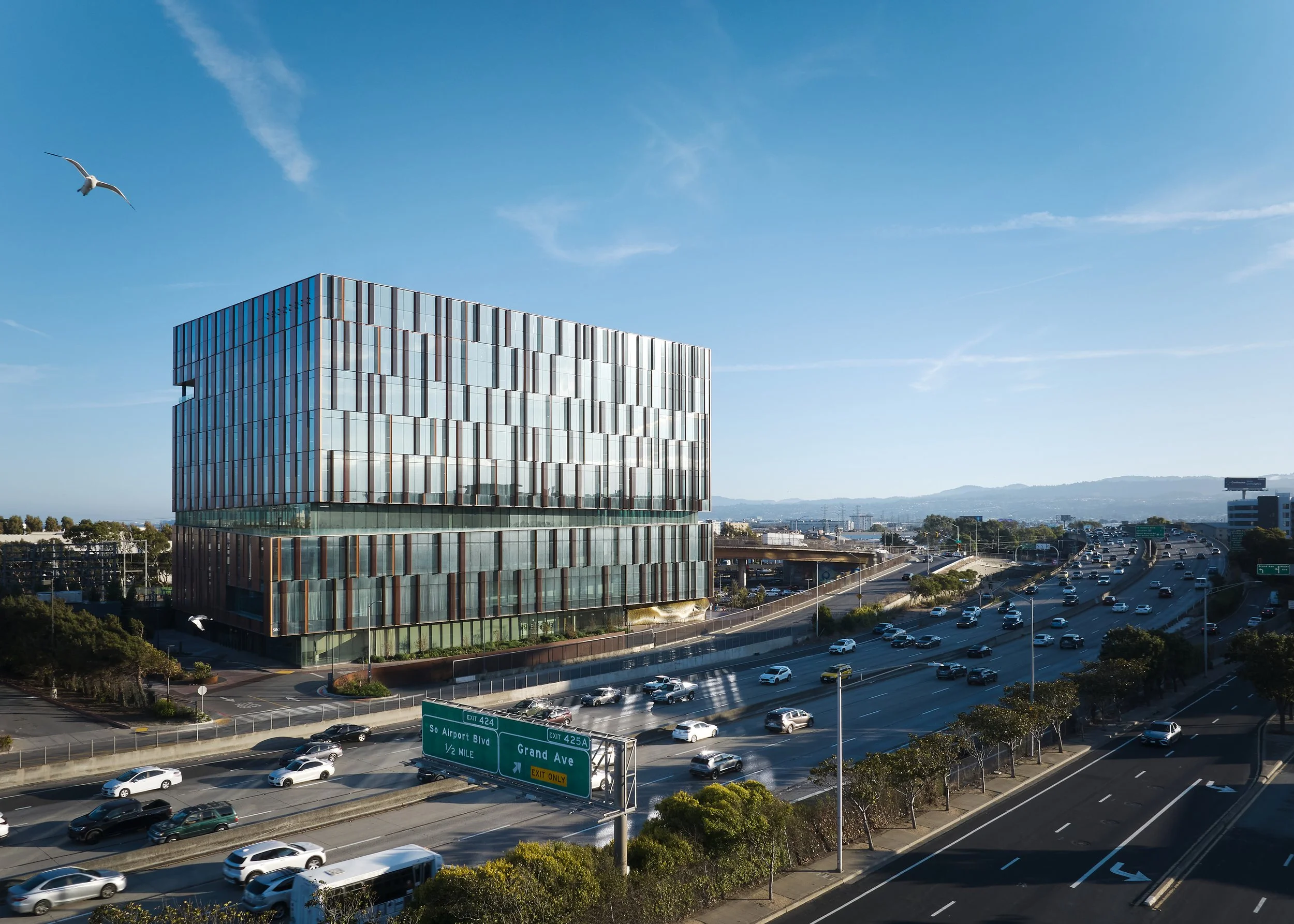
The Rise of the Connected Life Science Campus
As biotech companies rethink their real estate strategies, laboratory developers are shifting away from standalone research buildings and toward flexible, transit-connected innovation districts designed to attract both tenants and talent
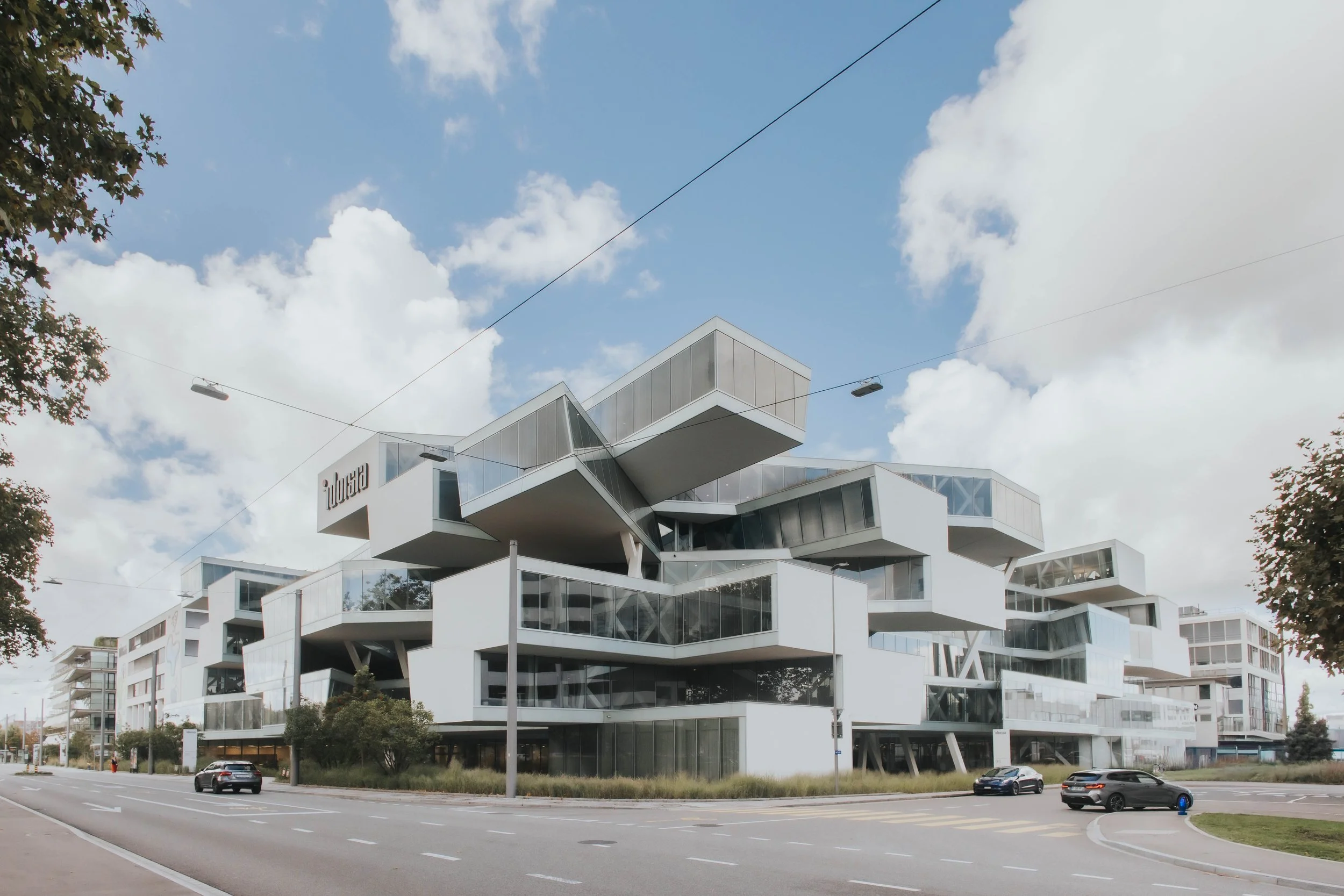
Why Biotech Startups Are Rethinking Lab Location
As biotech startups look beyond funding, site selection is increasingly driven by access to talent, laboratory infrastructure, and innovation ecosystems that can support growth from discovery through commercialization

Designing Life Sciences Real Estate for Growth and Talent
As life sciences companies evolve and competition for talent intensifies, developers are rethinking laboratory campuses with adaptable infrastructure, faster occupancy, and employee-focused environments

Professional Profile: Josh Hirshenhorn
Josh Hirshenhorn of Precis Engineering + Architecture discusses how quality requirements, collaboration, and long-term planning are shaping the future of life sciences facilities and influencing the way teams approach laboratory design and upgrades
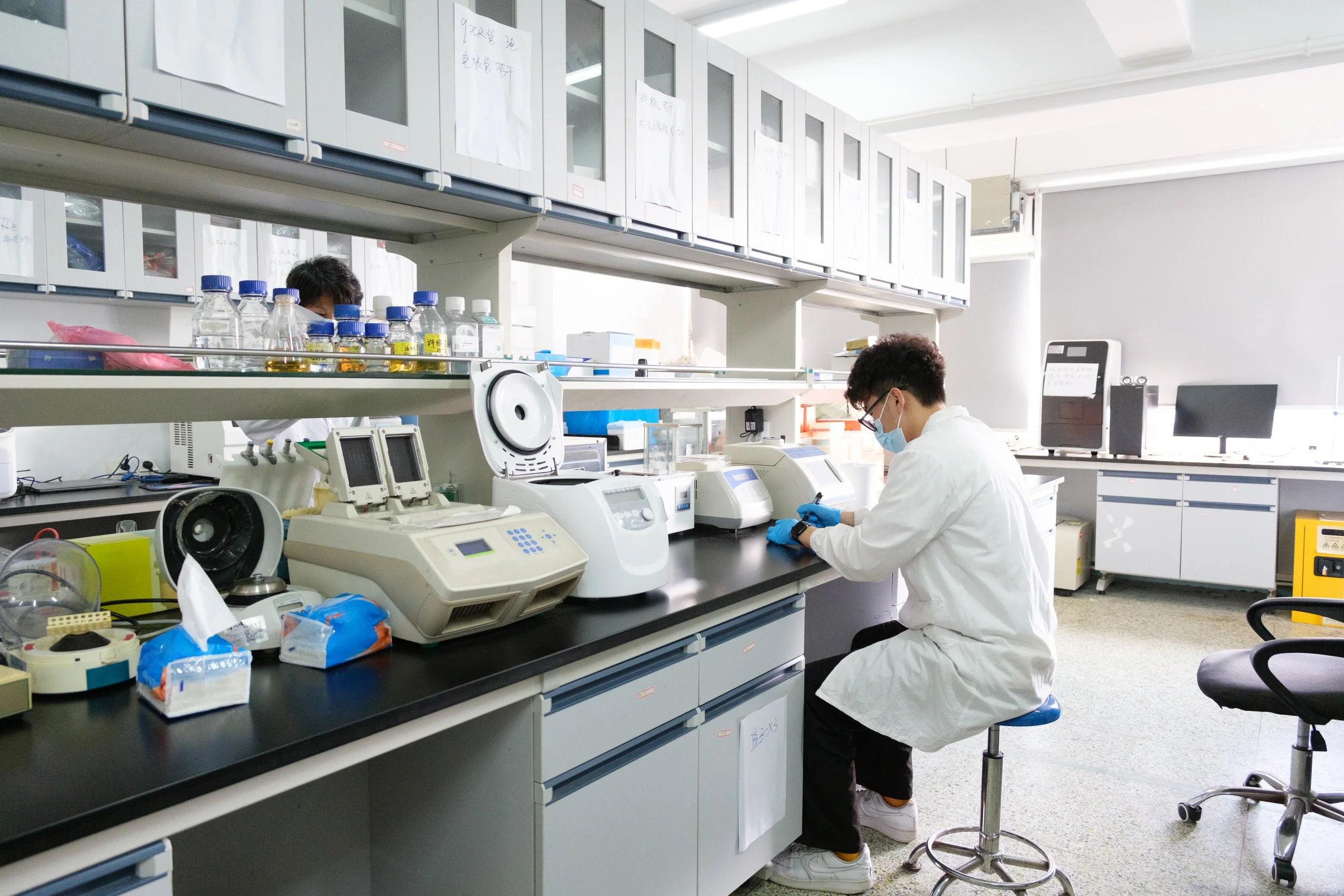
Best Practices in Building Flexible and Affordable Labs
Identify ways to reduce costs, improve flexibility, and shorten delivery times on lab renovations and new builds

Professional Profile: Kellie Matzinger
Kellie Matzinger discusses her career in microbiology and contamination control, the launch of First Onsite’s Life Sciences Division, and how specialized expertise can help organizations better prepare for critical environment challenges
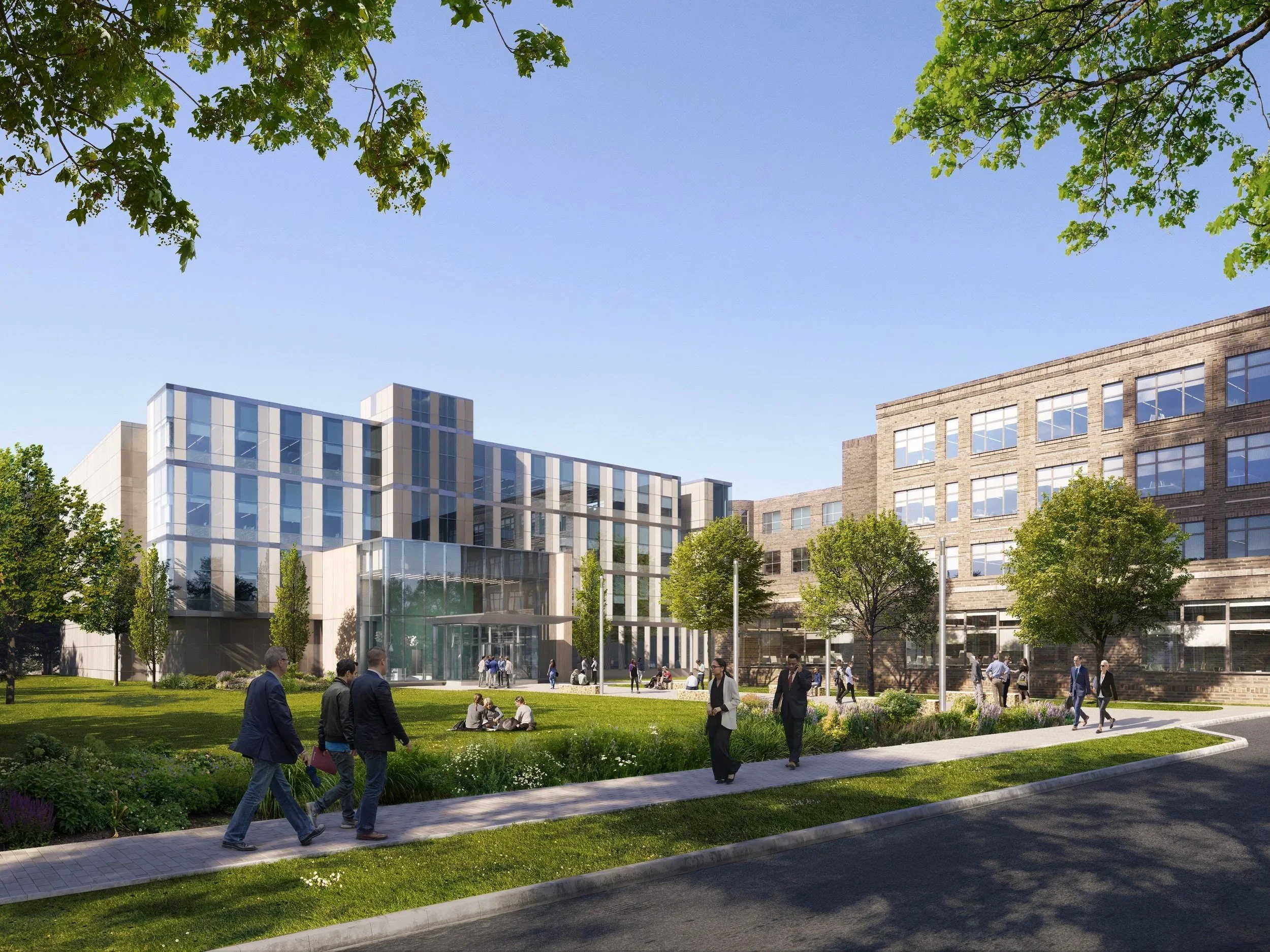
What NJIT Learned from Moving into a Former Merck Lab
As NJIT settles into its new home at the NEST Center, the university's experience offers valuable lessons on how repurposed pharmaceutical labs can provide flexible, cost-effective research space for academic institutions without the time and expense of new construction