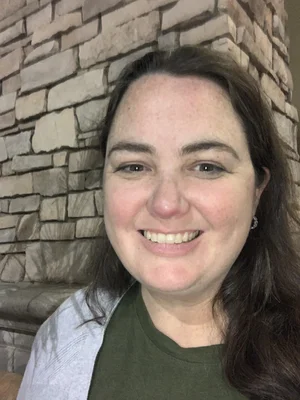
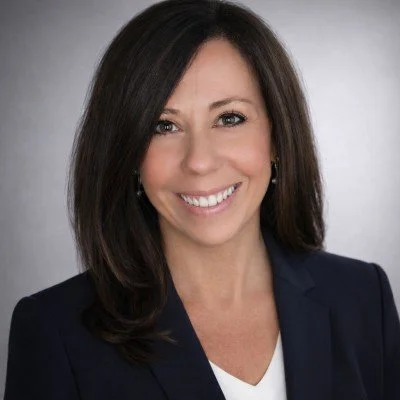
Kellie Matzinger, Life Sciences Operations Director, North America, First Onsite Property Restoration’s Life Sciences Division
Kellie Matzinger has been appointed Life Sciences Operations Director, North America, following the launch of First Onsite Property Restoration’s Life Sciences Division.
Matzinger’s focus on proactive contamination control reflects a broader shift in how life sciences facilities are being planned and operated. In a Lab Design News article, Design Decisions That Protect Critical Environments, Matzinger discusses why contamination control strategies should be considered during the earliest stages of design and how choices regarding layout, workflows, and facility systems can help reduce risk over the long term.
Lab Design News spoke with Kellie about her career spanning microbiology, sterilization, decontamination, and validation, how her technical background has shaped her approach to contamination control in critical environments, the challenges organizations face when planning for bio-decontamination and recovery needs, and the evolving role of specialized life sciences partners in supporting research and healthcare facilities.
Q: What sparked your interest in microbiology and contamination control—was there a defining moment that led you to this career?
A: Believe it or not, I was well on my way to becoming a registered nurse (RN) and was mid-way through my third year when I took a microbiology: infectious diseases class taught by Dr. Seth Pincus. The class absolutely blew my mind and after many conversations with my professor about the microbiology options out there, I changed career paths. I have always been interested in microbes, infectious pathways, and the chain reactions within the body when exposed. I never imagined that I would spend a third of my career cultivating different microorganisms and then the other two-thirds figuring out efficient ways of killing them, but it’s been such an interesting and rewarding career path.
Q: If you weren’t in this profession, what career path do you think you would have pursued instead?
A: I would say that nursing was always my desire so that would have been an option—but in staying within the Microbiology realm, I would probably have worked in pharmaceuticals doing research. If I weren’t exposed to sterility assurance and contamination control so early in my career, I don’t think it would have been on my radar as a career choice. Thankfully I was, and I can’t imagine doing anything else at this point.
Q: What’s one critical element of contamination control that is often overlooked in laboratory or facility operations?
A: One of the most overlooked aspects of contamination control is that it isn’t just about disinfectants or responding to contamination events. It’s about having a comprehensive contamination control strategy. Too often, organizations focus on cleaning after a problem is identified rather than understanding the everyday practices that contribute or prevent contamination in the first place. Effective contamination control includes facility design, personnel practices, environmental monitoring, equipment maintenance, cleaning validation, and routine facility hygiene practices. Even small issues like difficult-to-clean equipment, neglected overhead spaces, HVAC systems, or inconsistent cleaning practices can contribute to contamination over time.
Q: What kinds of hobbies or interests do you have outside of your work in life sciences?
A: I live in Montana with my family and have always spent a lot of time outdoors. We love to camp, kayak, and hike in the summer months and snowshoe and cross-country ski in the winter months—always as a family, with as many who want to join. Spending as much time with my daughters as humanly possible is always my top priority.
Q: For someone entering the field of microbiology, sterilization, or contamination control, what advice would you give them?
A: I would tell them there are endless opportunities to learn and evolve and numerous industries who need people like them. There is a complexity to understanding sterility assurance or contamination control methodologies that is mind blowing and there are always new technologies being introduced. If there are desire and interest, you have a lifetime of learning ahead of you.
Q: What is your favorite vacation spot?
A: Any of the crystal blue lakes near Glacier National Park.
Q: Can you share an example of a time when contamination risks were identified and led to a major change in a facility’s design or renovation?
A: One example that stands out involved evaluation contamination risks during the renovation of a regulated manufacturing space. The original project focused on updating equipment and workflow, but a detailed contamination risk assessment revealed that several aspects of the facility design could actually increase the potential for microbial contamination over time.
Rather than replacing finishes or equipment, the team redesigned several key elements to support long-term contamination control. This included improving the material and personnel flow to reduce cross-contamination, replacing porous and difficult to clean finishes with cleanable, chemically compatible surfaces, eliminating unnecessary horizontal ledges that could accumulate materials, improving access for routine cleaning and maintenance, and addressing HVAC airflow and pressure relationships to better support environmental control. The renovation also incorporated dedicated spaces for cleaning equipment, improved segregation between higher and lower risk activities, and design features that allowed critical areas to be cleaned and disinfected more effectively without disrupting operations.
Q: What are you most excited about as you lead and build this new Life Sciences Division?
A: What excites me most about leading this new Life Sciences Division is the opportunity to combine science, operational excellence, and relationships to help our clients proactively manage contamination risks. While I’ve always enjoyed the technical aspects of microbiology and contamination control, I’ve found that I get the greatest satisfaction from connecting with people. Learning how their facilities operate, understanding their processes and challenges, and working together to develop practical, long-term solutions. Every organization has unique workflows, risks, and regulatory expectations. Conversations often uncover opportunities to strengthen contamination control strategies and build lasting partnerships rather than simply completing a project.