
[[bpstrwcotob]]
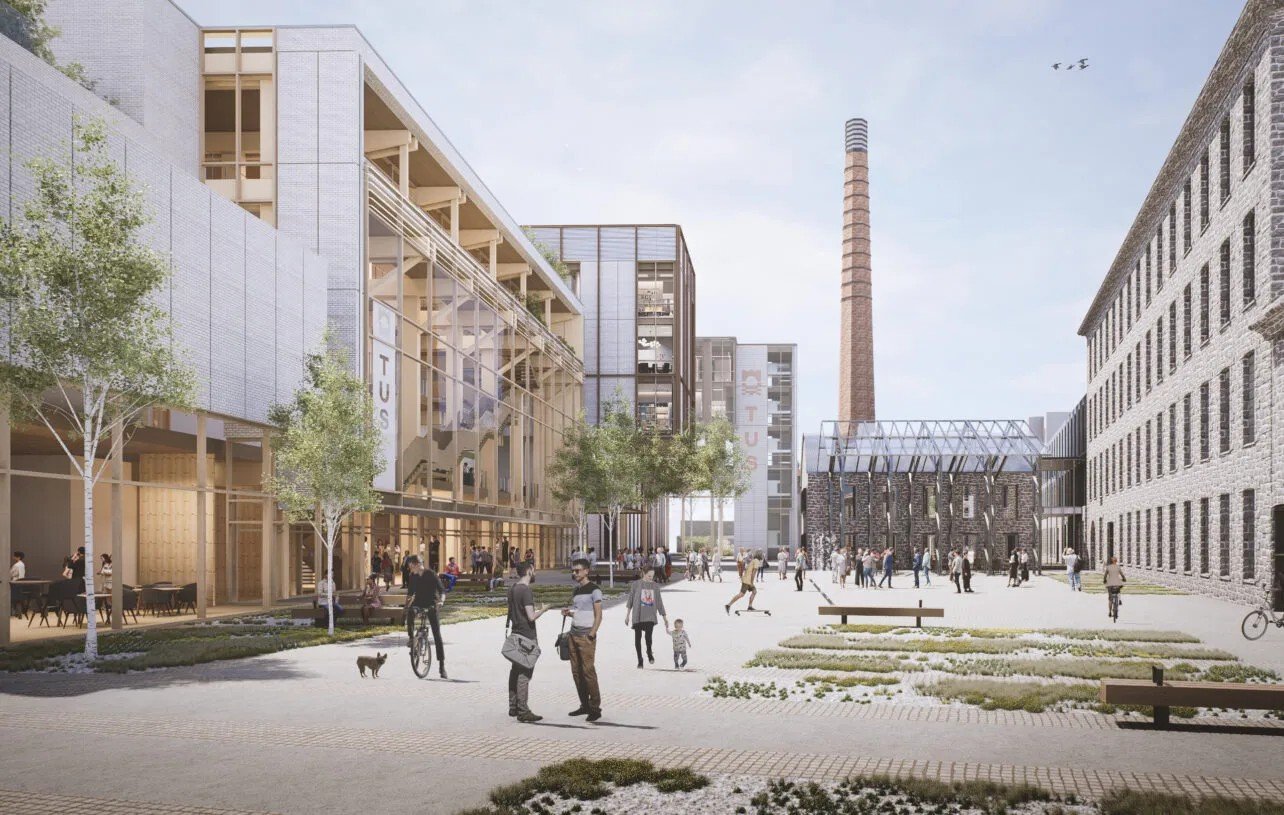
Designing Labs for What Comes Next: Inside a 15-Year Masterplan
Ireland’s Technological University of the Shannon is planning new research facilities, postgraduate hubs and industry-facing innovation spaces while using adaptive reuse and flexible planning to accommodate changing research needs

Harris-Stowe State University Breaks Ground on Flexible STEM Center
Harris-Stowe State University’s new $62 million STEM Center will combine flexible laboratories, research spaces, classrooms, and collaborative environments designed to support current programs and future workforce needs
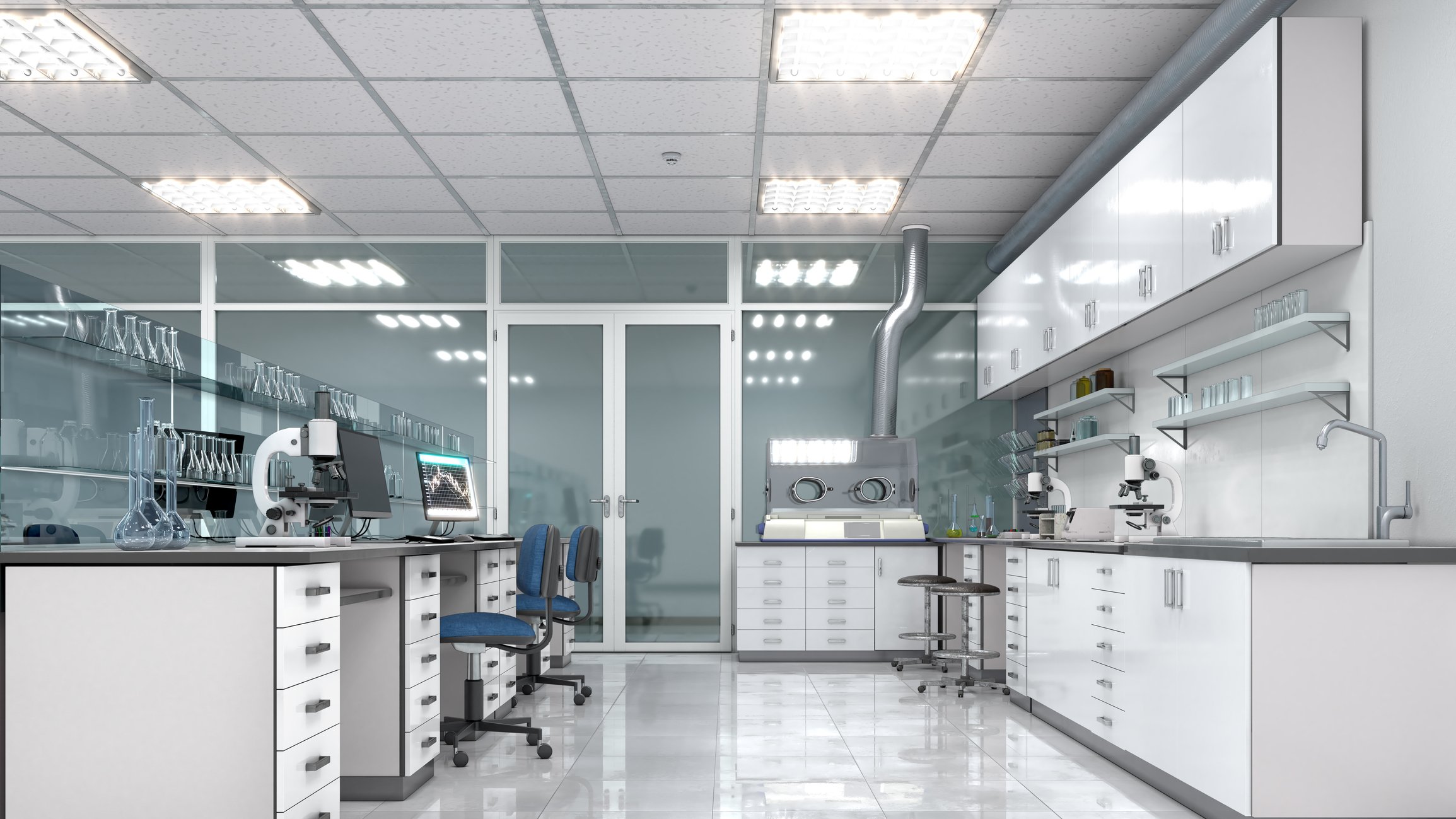
Strategic Lab Space Utilization in an Era of Funding Shortfalls
Facing research funding shortfalls, higher education institutions must prioritize and adapt existing laboratory spaces—through strategic renovations, reuse, and built environment improvements—to sustain scientific innovation, economic impact, and workforce stability even when new construction is limited
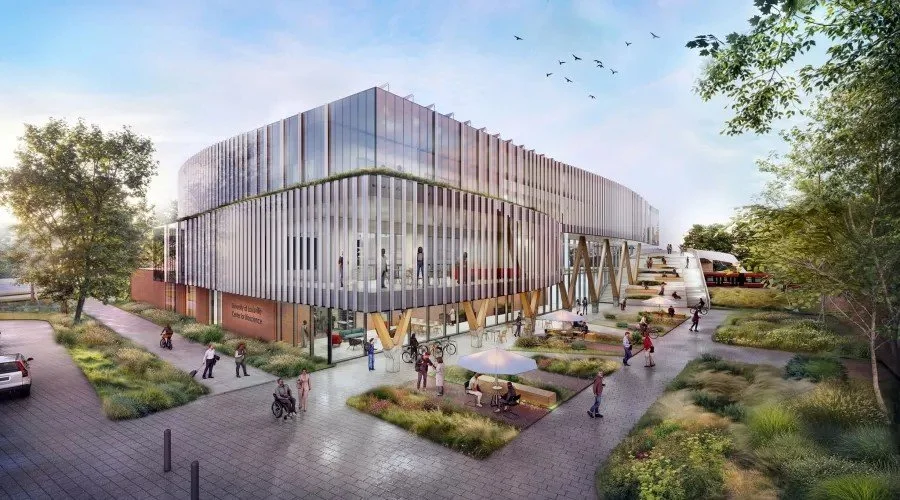
Early Planning Underway for UofL’s Collaborative Research Hub
The University of Louisville’s planned Center for Bioscience is entering early planning, with the future project team yet to be selected as university leaders define the goals, research needs, and collaborative vision for the 70,000-sf facility
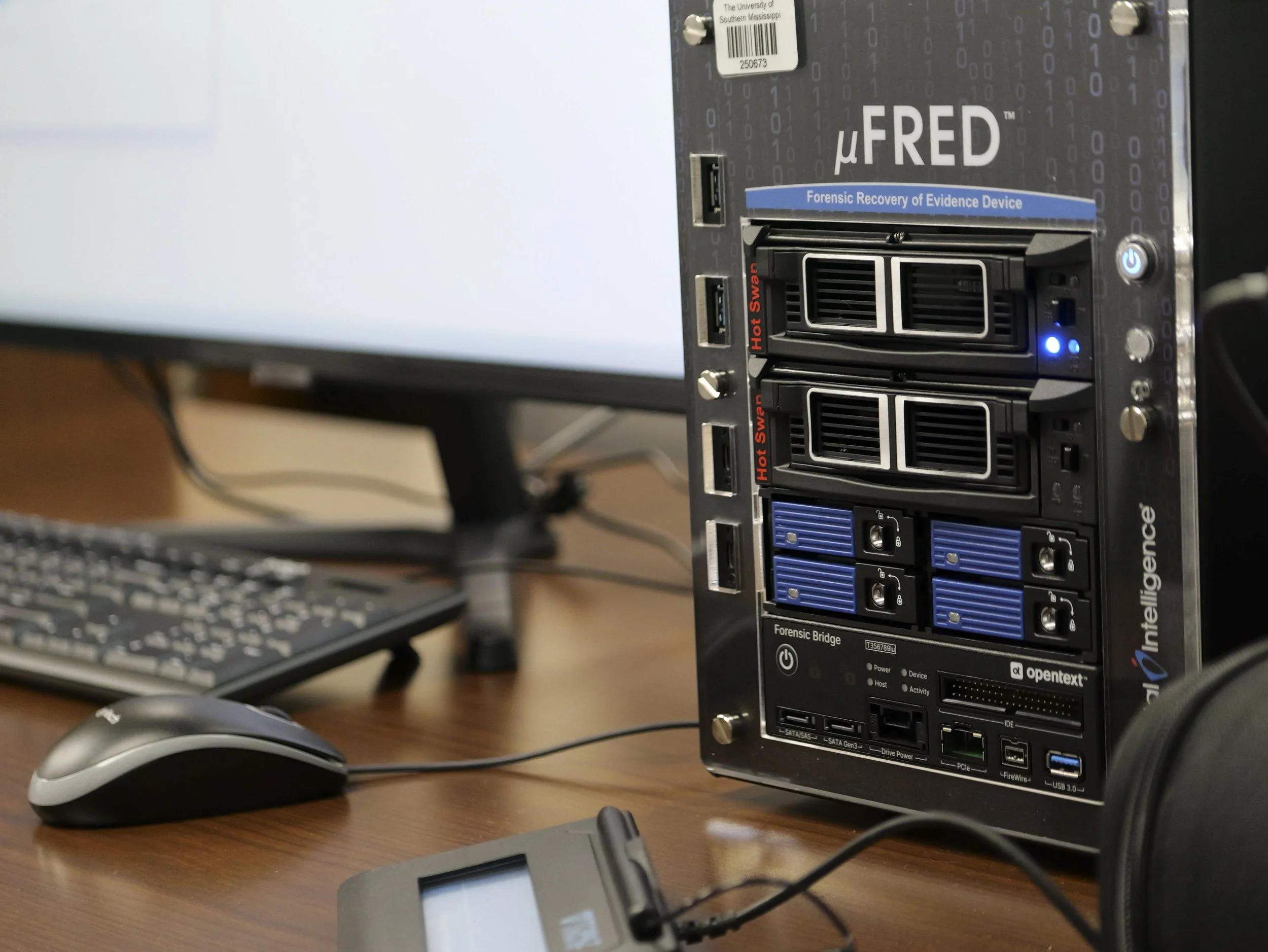
Secure Lab Expands Digital Forensics Access for Rural Agencies
The University of Southern Mississippi’s new Rural Digital Forensics Initiative laboratory balances secure evidence handling, forensic operations, and hands-on education within a renovated campus space designed to expand access for rural law enforcement agencies
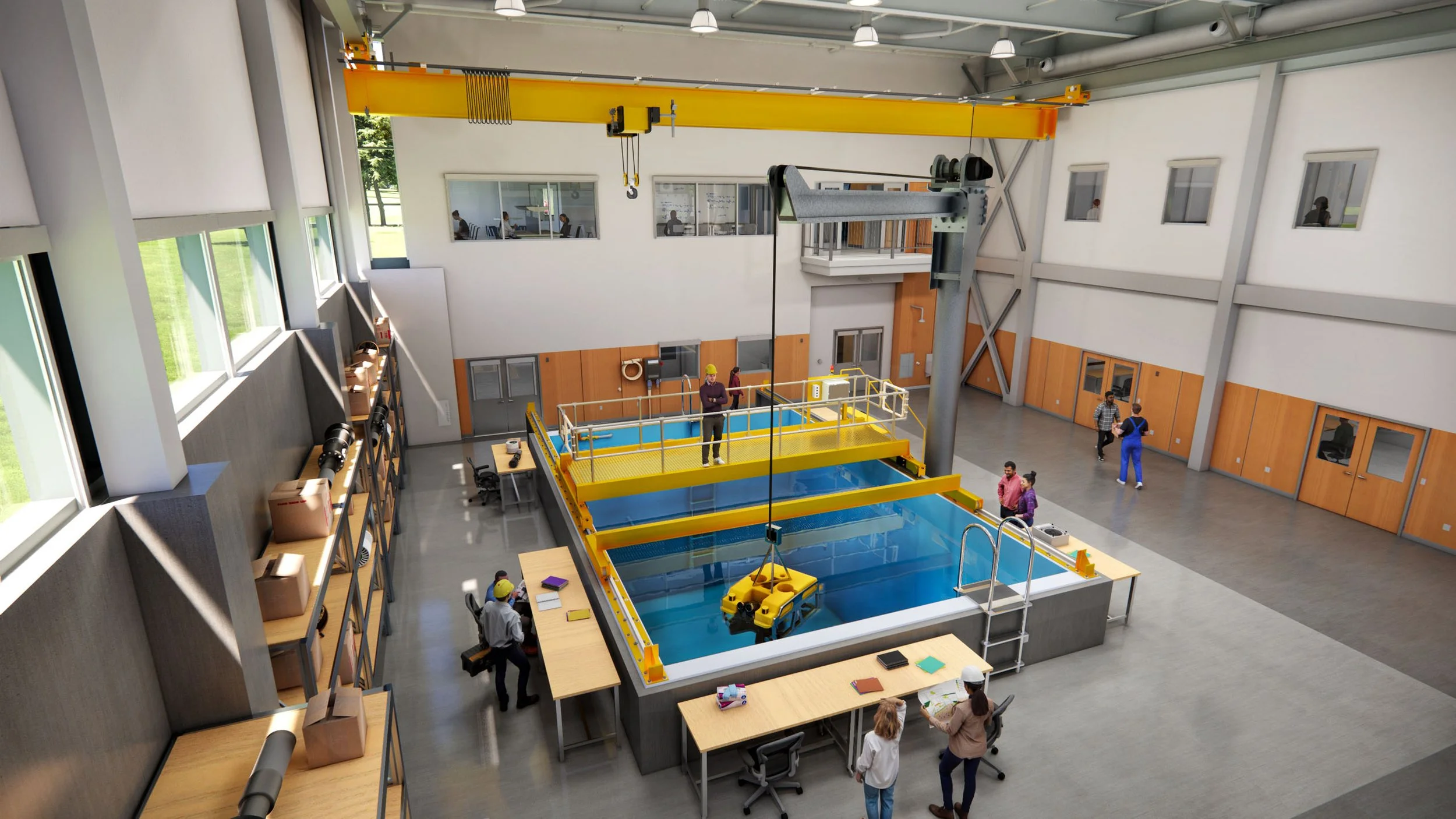
Inside the Facility Advancing Ocean Robotics Research
A new facility at the University of Rhode Island brings together ocean engineering, robotics, and marine science with a purpose-built test tank, high-bay staging area, flexible labs, and collaborative spaces designed to move technologies from prototype to deployment
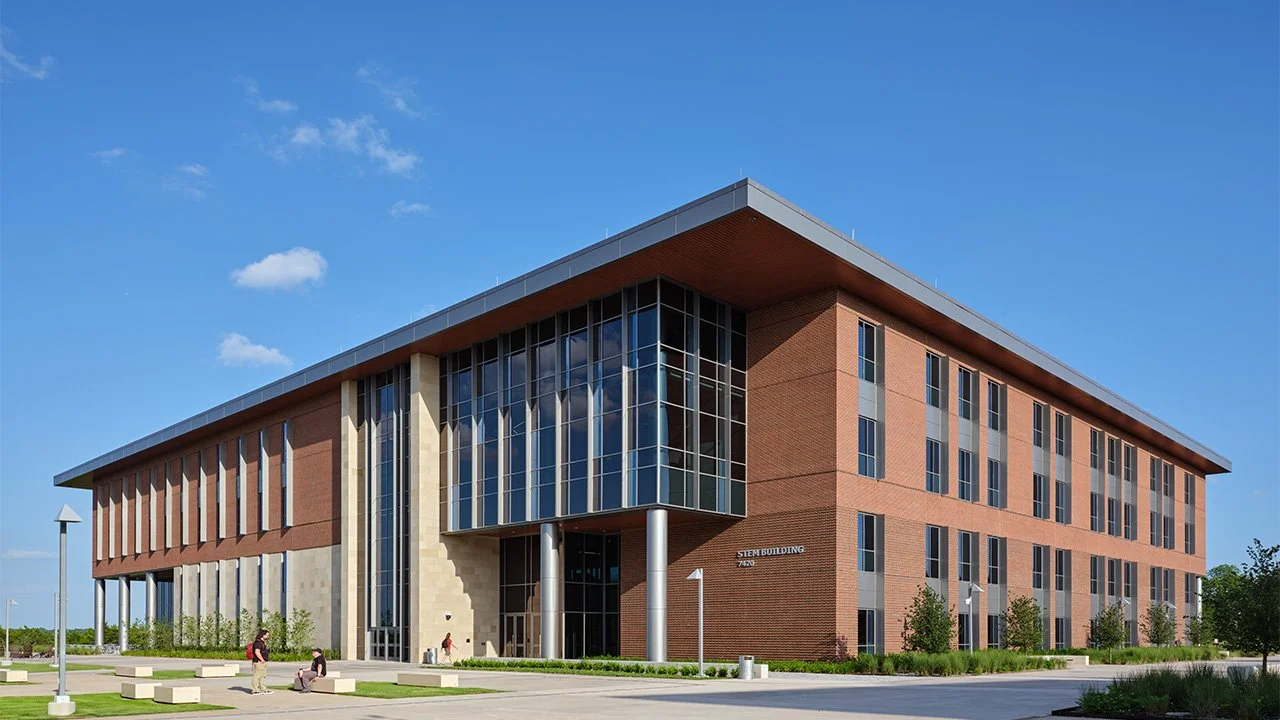
Project Profile: University of North Texas at Dallas—STEM Building
The University of North Texas at Dallas’ new STEM Building will provide flexible teaching, research, and collaborative spaces that support interdisciplinary STEM education, advanced research, and expanded opportunities for first-generation and community-based learners
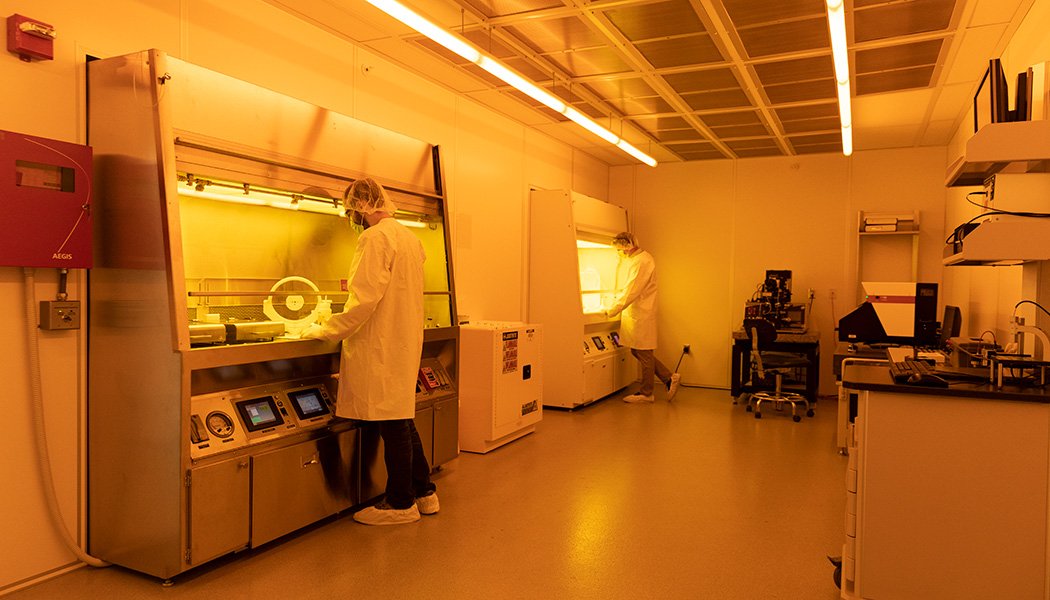
Modernizing a Cleanroom for Next-Gen Semiconductor Research
Binghamton University's upgraded Nanofabrication Laboratory demonstrates how careful planning, infrastructure modernization, and cross-disciplinary collaboration can transform an aging cleanroom into a flexible research and workforce development asset
Creating the Lab of the Future for Advanced Manufacturing
Adam Denmark’s 2026 Lab Design Conference presentation highlighted how ASU’s ISTB 12 uses flexible infrastructure, interdisciplinary planning, and industry partnerships to create a next-generation manufacturing research ecosystem
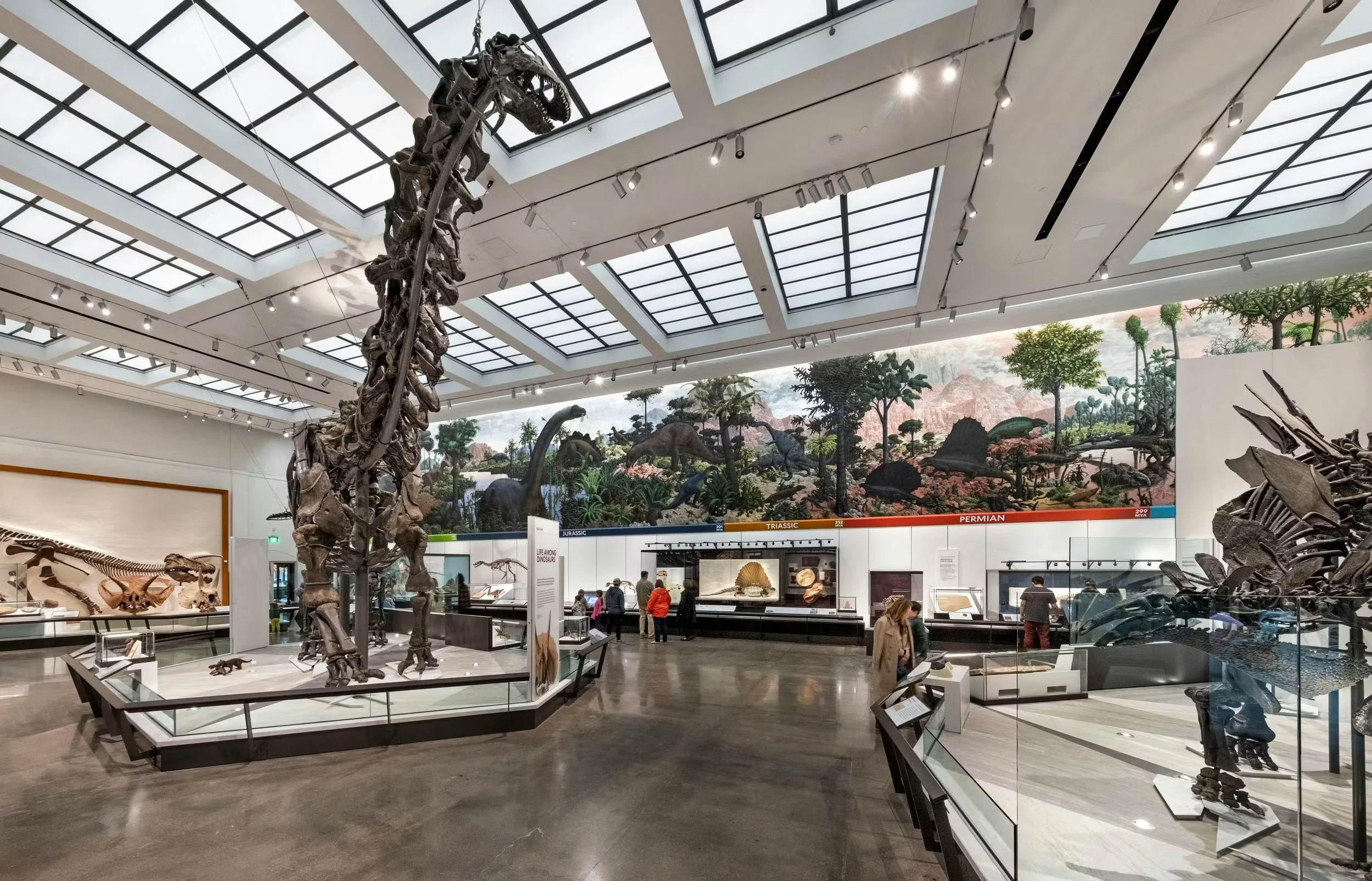
Yale Peabody Museum Expansion Wins AIA Award for Design Excellence
The award-winning Yale Peabody Museum expansion demonstrates how thoughtful laboratory planning, advanced building systems, and historic preservation can come together to create next-generation research environments