
Cleanroom Fundamentals: Layout, Workflow, and Compliance Considerations
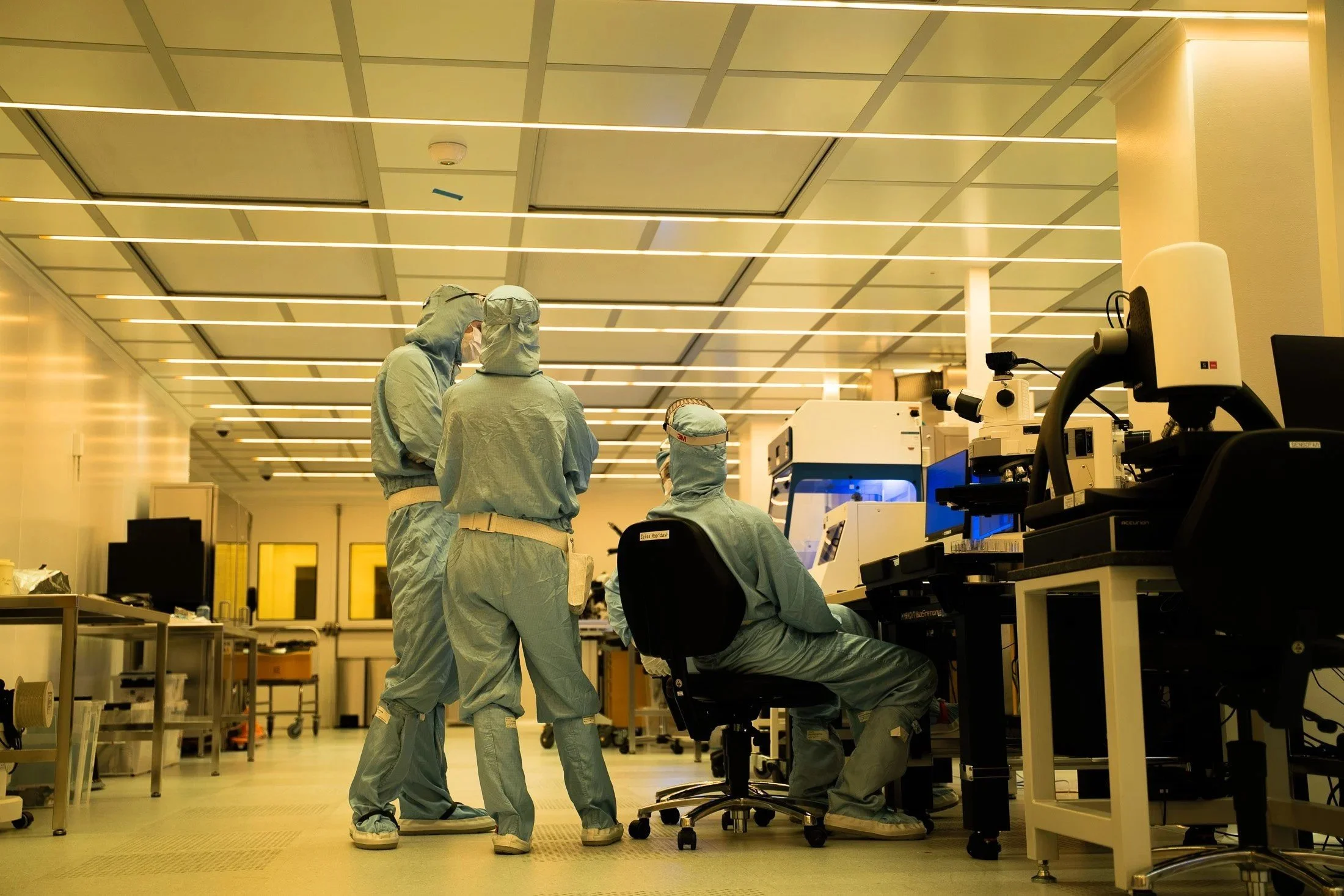
The cleanroom combines ultra-controlled conditions, AI monitoring, and protective equipment to safeguard both topological qubits and researchers while supporting sustainable operations. Image: Courtesy of Microsoft Corporation
Cleanrooms are among the most demanding environments to design, build, and operate in laboratory facilities. Whether supporting nanofabrication, sterile drug manufacturing, radiopharmaceutical production, ancient DNA research, or the transition from R&D to GMP operations, cleanrooms sit at the intersection of science, engineering, and risk management. For lab professionals embarking on a cleanroom project—new or renovated—the stakes are high: contamination control, regulatory compliance, uptime, and long-term flexibility all hinge on early decisions.
While cleanrooms are often discussed in terms of ISO classifications or air change rates, successful projects begin with a deeper understanding of process, people, and purpose.
At its core, a cleanroom is a controlled environment designed to limit particulate, microbial, chemical, or radiological contamination. Achieving this level of control requires carefully managed airflow, filtration, pressure differentials, temperature, humidity, materials, and access protocols. But cleanrooms are far from one-size-fits-all—their design is ultimately driven by the science they support.
Recent projects illustrate just how varied cleanroom requirements can be. Microsoft’s Lyngby Quantum Lab in Denmark relies on nanometer-level environmental stability to fabricate topological qubits. Aenova’s microbiology QC lab expansion in Italy prioritizes GMP zoning, isolator integration, and sterility testing workflows. Orano Med’s biotech facility in Texas integrates cleanrooms with hot cells to support time-sensitive radiopharmaceutical production. At Vanderbilt University, an ancient DNA lab demands ultra-clean air conditions to protect fragile samples that are thousands of years old.
In each of these environments, the cleanroom is not simply a room—it is an enabling platform for science.
Design features that drive cleanroom performance
Despite differences in application, high-performing cleanrooms tend to share several design fundamentals:
Process-driven layouts: Cleanrooms should reflect the flow of work—from receipt and gowning to production, testing, and waste removal. In radiopharmaceutical facilities, for example, layouts often account for isotope half-life, minimizing travel distance and handling time.
Zoning and segregation: Separating clean and less-clean spaces—or radioactive and non-radioactive materials—is essential for safety, contamination control, and regulatory compliance.
Early equipment integration: Isolators, hot cells, specialized instrumentation, and casework should be identified early in the design process. These systems frequently drive structural loads, utility routing, exhaust strategies, and maintenance access requirements.
Environmental precision: HVAC systems must maintain cleanliness, pressure relationships, temperature, and humidity simultaneously—often at energy intensities far higher than typical laboratory spaces.
Human-centered design: Cleanrooms may be highly controlled environments, but they are still workplaces. Engaging scientists, QC analysts, and technicians early in the design process improves ergonomics, reduces errors, and supports long-term operational success.
Renovation vs. new construction
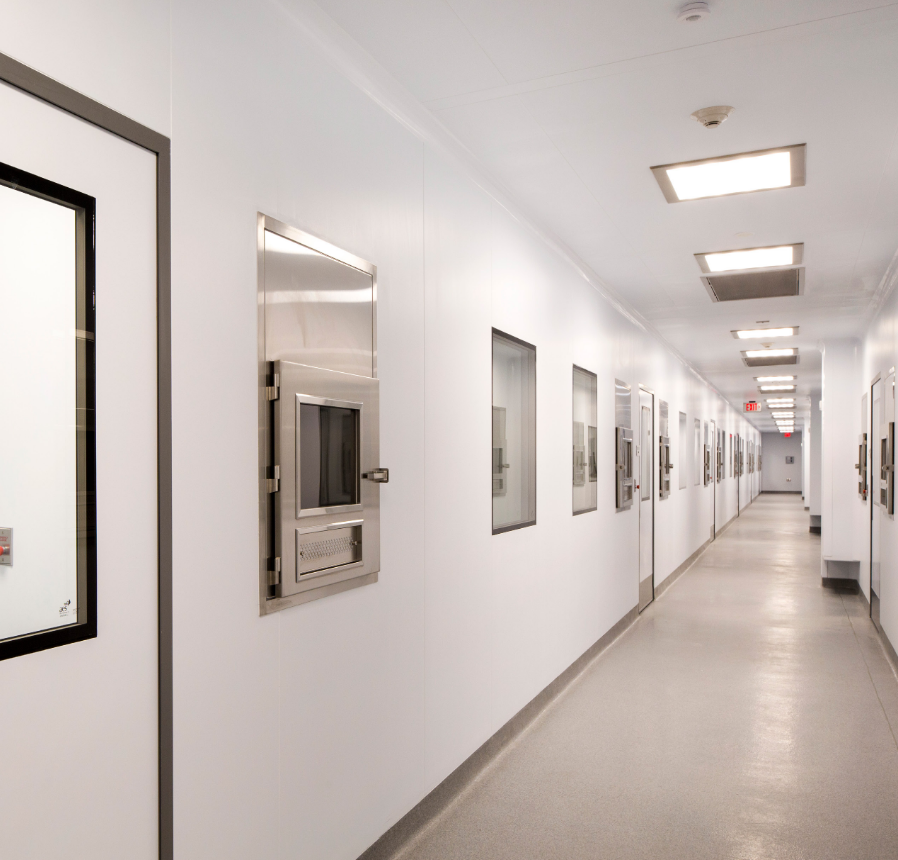
Example of a modular cleanroom. Image: Perkins&Will
Many organizations face a critical choice when planning a cleanroom: renovate an existing facility or build new. Each approach presents unique challenges.
Renovations can offer cost and schedule advantages, but older buildings may lack the structural capacity, ceiling height, or mechanical infrastructure required for modern cleanroom systems. Integrating high-efficiency filtration, pressurization strategies, and specialized equipment into an existing envelope often requires creative engineering and careful coordination.
New construction, by contrast, allows teams to design infrastructure and workflows from the ground up—but it also requires significant capital investment and longer planning timelines.
In both scenarios, early planning and collaboration among users, engineers, architects, and cleanroom specialists is critical.
Finding and working with cleanroom vendors
Cleanroom projects rely on a highly specialized ecosystem of vendors, including HVAC engineers, cleanroom constructors, validation consultants, equipment manufacturers, and specialty trades. Successful project owners evaluate partners not just by their product offerings, but by their experience coordinating complex systems and navigating regulatory requirements. Engaging these vendors early in the planning process is critical so engineering assumptions can be validated before construction begins.
The experience of the Disruptive Experimental Electric Propulsion (DEEP) Lab at Harwell Campus in Oxfordshire illustrates why early coordination matters. During the project, the lab end users initially selected a modular ISO 7 cleanroom solution assuming installation would be relatively straightforward. As the design progressed, however, airflow and fan filtration requirements raised by the cleanroom supplier exposed gaps in earlier mechanical and electrical planning.
The team ultimately changed vendors mid-project after a new supplier pushed for more rigorous analysis of airflow, filtration, and system integration. The resulting design adjustments significantly increased mechanical, electrical, and plumbing (MEP) costs—demonstrating how cleanroom decisions can cascade across an entire facility’s infrastructure.
The project also highlighted a common challenge in complex lab builds: when multiple contractors and suppliers are involved, responsibility for validating technical assumptions can become unclear.
For lab planners, the lesson is not simply to choose a capable cleanroom vendor, but to establish a clear technical “source of truth.” Independent project managers or experienced technical consultants can help coordinate between vendors, verify engineering assumptions, and translate scientific requirements into construction realities—reducing the risk of costly redesigns later in the project.
When selecting cleanroom partners, look for teams that:
Have direct experience with your specific application, such as GMP manufacturing, radiopharmaceutical production, academic research, or nanofabrication
Participate in early design collaboration rather than joining only during installation
Understand validation, commissioning, and long-term operational requirements
Are transparent about sustainability strategies, materials, and lifecycle impacts
Questions to ask at project kickoff
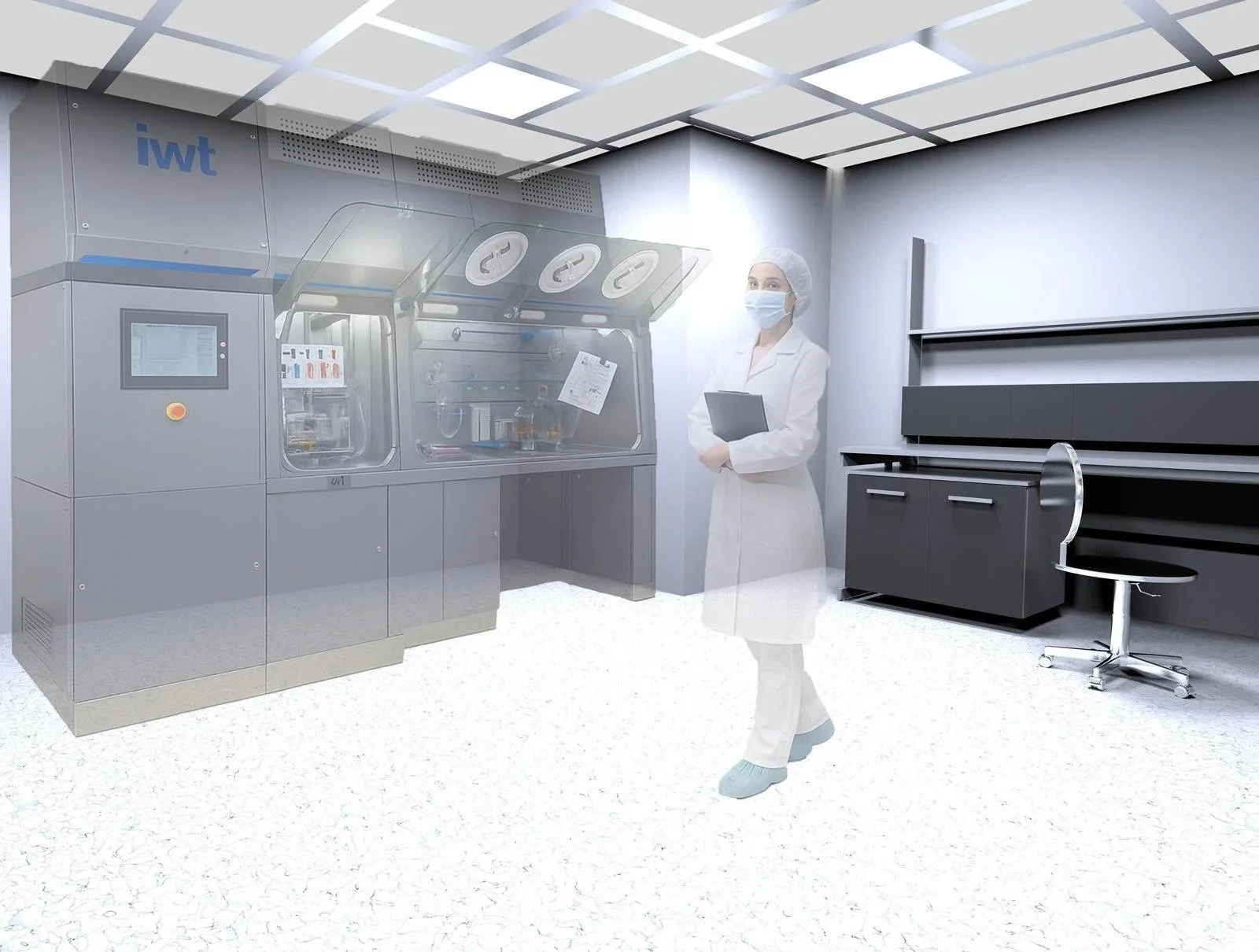
Rendering of the expanded QC laboratory at Aenova in Latina, Italy. The lab was designed to ensure contamination control, sterility, and full GMP compliance through cleanroom zoning, product segregation, and precisely engineered HVAC and utility systems. Image: Courtesy of Aenova
Early planning discussions can help teams avoid costly missteps later. Questions worth addressing at the outset include:
For lab planners and design teams
What contamination risks actually need to be controlled—and to what level?
How should workflows, adjacencies, and material movement support the science?
What equipment will drive structural, HVAC, and utility requirements?
Where can flexibility be built in without overdesigning the facility?
How will the cleanroom be maintained, validated, and adapted over time?
For lab managers and end users
How will daily operations change once the cleanroom becomes operational?
Are gowning, maintenance, and access procedures realistic for staffing levels?
What downtime risks exist, and how can they be mitigated?
How will monitoring, data systems, and automation support compliance and efficiency?
What future growth scenarios should be considered now?
Learning from peers and industry experts
Cleanroom projects involve a highly specialized ecosystem of architects, engineers, equipment vendors, cleanroom contractors, validation consultants, and regulatory experts. Navigating this landscape—while aligning design decisions with scientific requirements—can be challenging, particularly for organizations building their first cleanroom facility.
For teams looking to deepen their understanding of cleanroom planning, design, and operations, learning from peers and experienced practitioners can be invaluable. Industry events like the Lab Design Conference provide opportunities to explore real-world project case studies, compare design approaches, network with industry leaders, and gain insight into the latest technologies shaping controlled environments.
To help lab professionals navigate these challenges, Lab Design News offers both the on-demand How to Build a Cleanroom webinar and the Cleanroom Design Solutions Digital Conference, where experts share practical lessons from real projects—from early planning and vendor coordination to contamination control strategies and operational best practices. These AIA-accredited sessions provide valuable guidance for organizations planning new cleanrooms, expanding existing facilities, or transitioning from R&D environments to regulated production spaces.
In the end, the most successful cleanrooms are not defined solely by their ISO classification—they are defined by how effectively they support the science happening inside them.