Forensic Lab Secures Approval for $20M Expansion
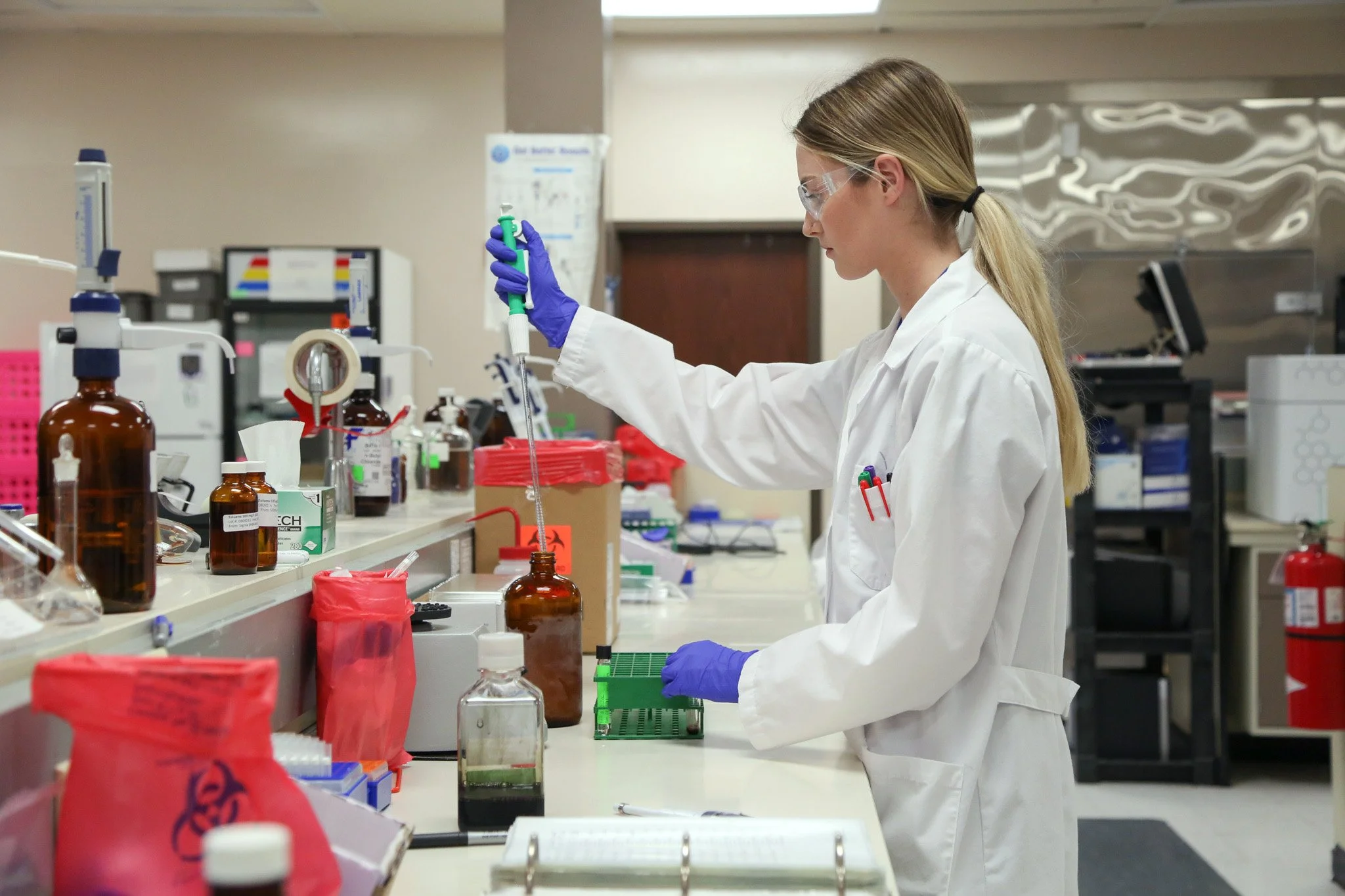
The Sedgwick County Commission approved a $20 million expansion of the Regional Forensic Science Center, advancing a long-planned project to modernize workflows, expand capacity, and address aging infrastructure. Image: Sedgwick County Strategic Communications
After years of planning and advocacy, the Sedgwick County Regional Forensic Science Center in Wichita, KS has received approval for a $20 million expansion, marking a major milestone for a project driven by rising caseloads, aging infrastructure, and the growing demands of modern forensic science.
Lab Design News previously spoke with the Regional Forensic Science Center in July 2025 about the case for expansion and the challenges driving the proposal. Further reading: Making the Case: How Labs Can Advocate for Upgrades and Expansion
The Sedgwick County Commission voted 4-1 on April 8 to approve the expansion, which will be funded through general obligation bonds. The project includes construction of a new building across the street from the existing facility, along with renovations and repurposing of space in the legacy building. Together, the additions are intended to improve laboratory workflows, expand capacity across multiple forensic disciplines, and address longstanding operational constraints that have increasingly affected service delivery.
The approval follows years of effort by Shelly Steadman, PhD, director of the Regional Forensic Science Center, and her team to make the case that facility limitations were no longer simply an internal operational concern, but a public safety issue.
“One of the most effective ways to demonstrate the need was to have the commissioners visit the existing space, see the scientists in their work environment, and discuss with each commissioner how the various situations could be improved,” Steadman tells Lab Design News. “I built presentations that had a footprint of the facility and mapped out how the DNA scientists were officing in three places, some of whom had to walk half a city block from their desk to the lab, or from the lab to the file storage.”
That approach—grounding technical challenges in physical realities decision-makers could see firsthand—proved effective. Rather than relying solely on abstract discussions of backlogs or infrastructure deficiencies, the team focused on showing how layout limitations, fragmented workflows, and aging systems affected the lab’s ability to support timely casework.
Steadman also framed those constraints through concrete examples that translated technical needs into broader operational risks. “We tried to describe the hard decisions that were being made due to infrastructure limitations,” she says. “For example, deciding if a genetic analyzer or a morgue cooler would be assigned the last breaker on the panel that tied into the generator back-up.”
Input from end users also played a central role in shaping and strengthening the proposal. Scientists, supervisors, pathologists, and investigators contributed feedback on how spaces should be reconfigured and where future capacity was needed.
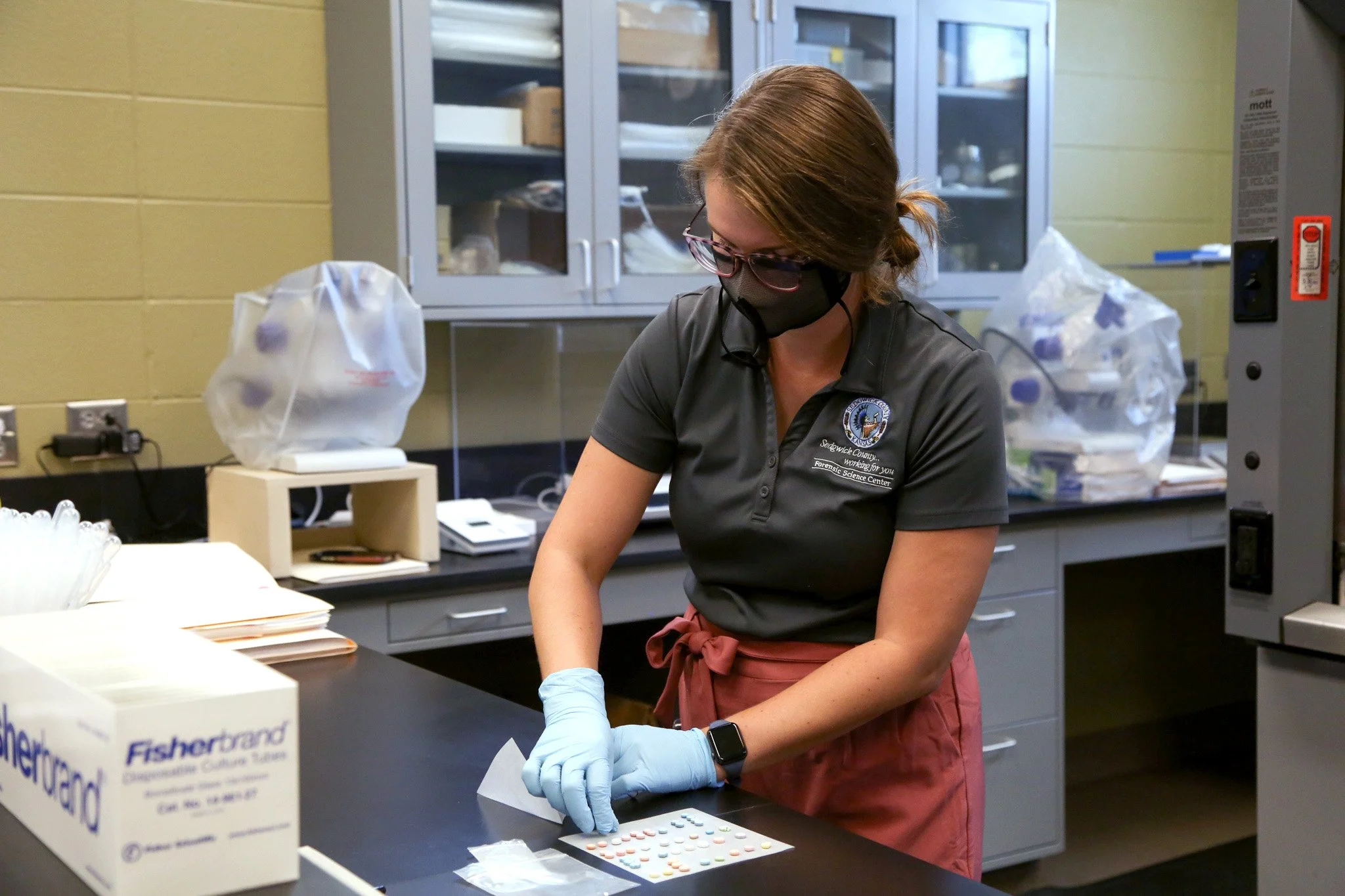
End-user input from scientists, supervisors, pathologists, and investigators helped shape the proposal by guiding space reconfiguration and identifying future capacity needs. Image: Sedgwick County Strategic Communications
“I had each technical leader, supervisor and doctor look at a map of the building and discuss the ideal remodel,” says Steadman. “It was interesting who offered most input, and it wasn’t necessarily those who had been here longest. I found that meeting with groups of staff, like everyone who specializes in a certain forensic discipline, was not always as effective as meeting with one or two people at a time. Staff also participated in a video that was produced by Strategic Communications that highlighted various forensic science specialty areas. The staff explained how the expansion would be beneficial to their work.”
That collaborative planning helped inform a proposal designed not just to relieve current pressures, but to support evolving technologies and future growth.
The expansion is expected to create dedicated space for disciplines including DNA analysis, firearms testing, drug identification, and fire debris, while freeing up space in the existing building for toxicology, medical investigations, and autopsy operations.
During the commission meeting, supporters emphasized the project’s implications for justice delivery. Commissioner Ryan Baty cited delays in toxicology reporting and limitations affecting the processing of critical evidence, arguing the facility no longer has the capacity needed for scientists to perform their work effectively.
The lone dissenting vote centered not on the need for expansion, but on the plan to split operations across two buildings separated by a street—an issue the project team had anticipated.
“One commissioner did not support the location for the new building or prefer the center be divided,” Steadman says. “We presented the more expensive alternatives and researched other sites. We also emphasized the adjacent lot is on Health Department’s campus and explained how our missions overlap.”
For Steadman, the approval reflects not just the strength of the project itself, but the long arc of persistence behind it.
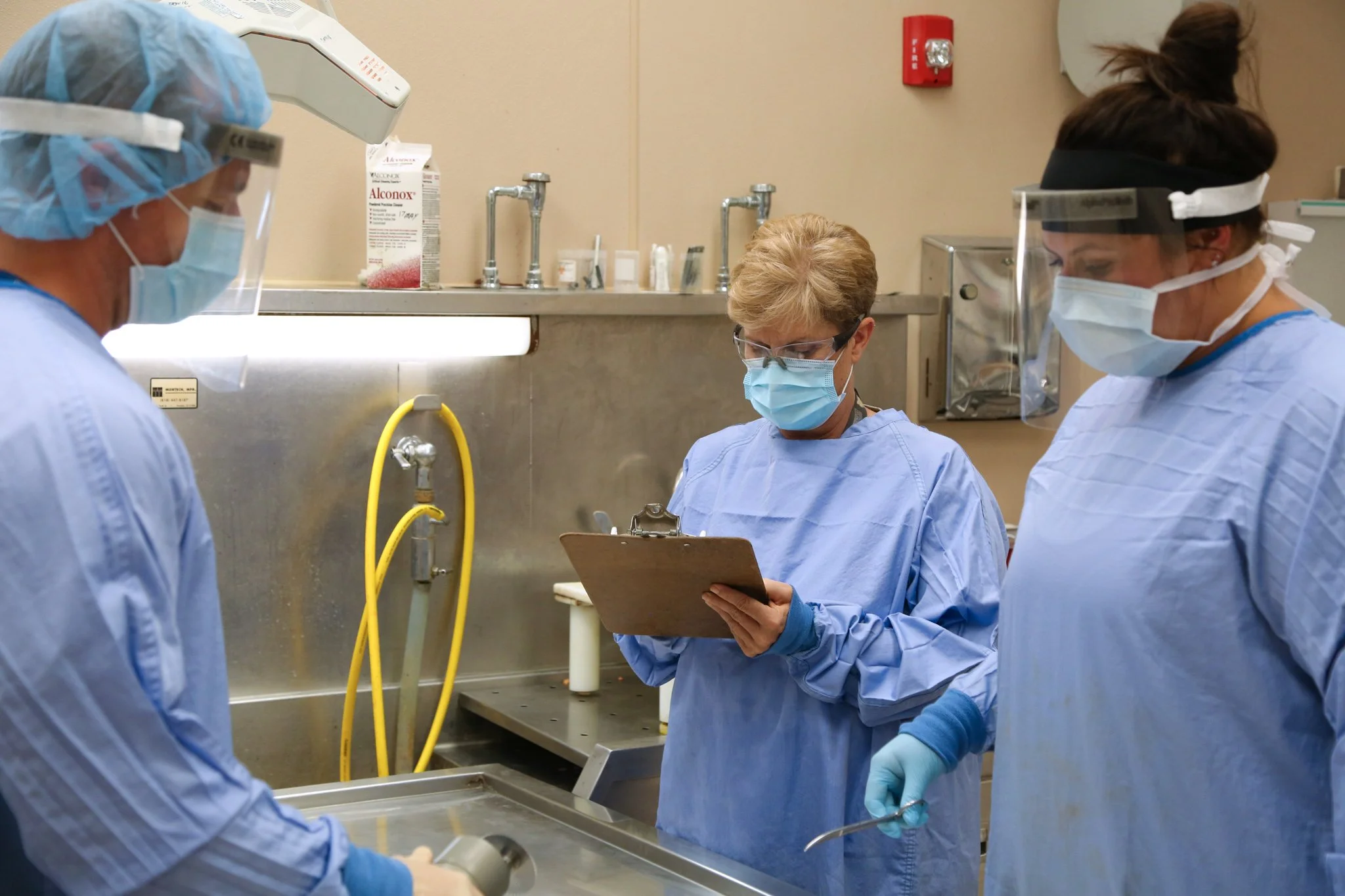
The project provides a model for public laboratories by linking infrastructure needs to broader public outcomes, engaging end users early, and building a compelling case for investment amid growing operational pressures. Image: Sedgwick County Strategic Communications
“Having worked in the lab since 1997, and engaging the leadership team about this project since 2014, I tried to communicate where we’ve been and where we need to be,” she says. “I highlighted criminal cases I’ve worked and solved over the years, which demonstrates impact. I advocated for the scientists and medical professionals who want to do great work. There also needs to be good chemistry among the members of the governing body. Sedgwick County is fortunate to have a commission that is motivated and forward-thinking. ”
The project also offers lessons for other public laboratories seeking support for infrastructure investments. In an era when many government labs face similar pressures—aging facilities, expanding workloads, and increasing technological complexity—the Sedgwick County effort demonstrates the value of tying facility needs to broader public outcomes, engaging end users early, and building a case that resonates beyond the laboratory itself.
“The information on death certificates directs how hundreds of millions of dollars for research and development are spent. The seized drugs and toxicology results provide metrics that guide education, treatment and prevention,” Steadman says. “Timely DNA and firearms analysis can prevent violent crime.”
With approval now secured, the focus shifts from advocacy to implementation. But for a lab that has spent more than a decade making the case for change, the vote represents more than a capital project moving forward. It signals recognition that laboratory design, capacity, and infrastructure are fundamental to the performance of the justice system itself.