
[[bpstrwcotob]]
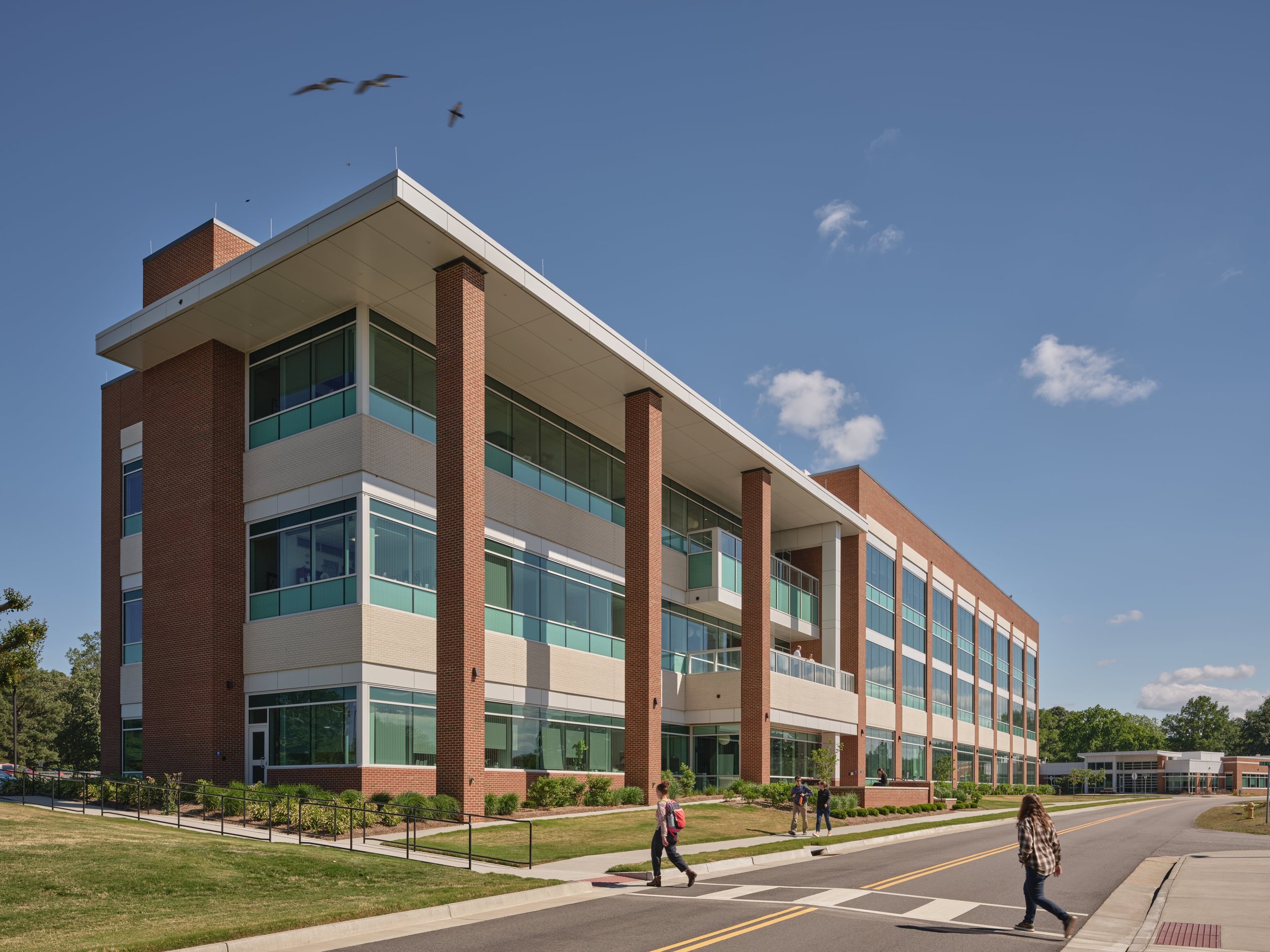
What Post-Occupancy Experience Reveals About Designing for Research
Months after opening, Chesapeake Bay Hall is demonstrating how thoughtful decisions around infrastructure, flexibility, collaboration, and occupant experience can shape the long-term performance of a research facility
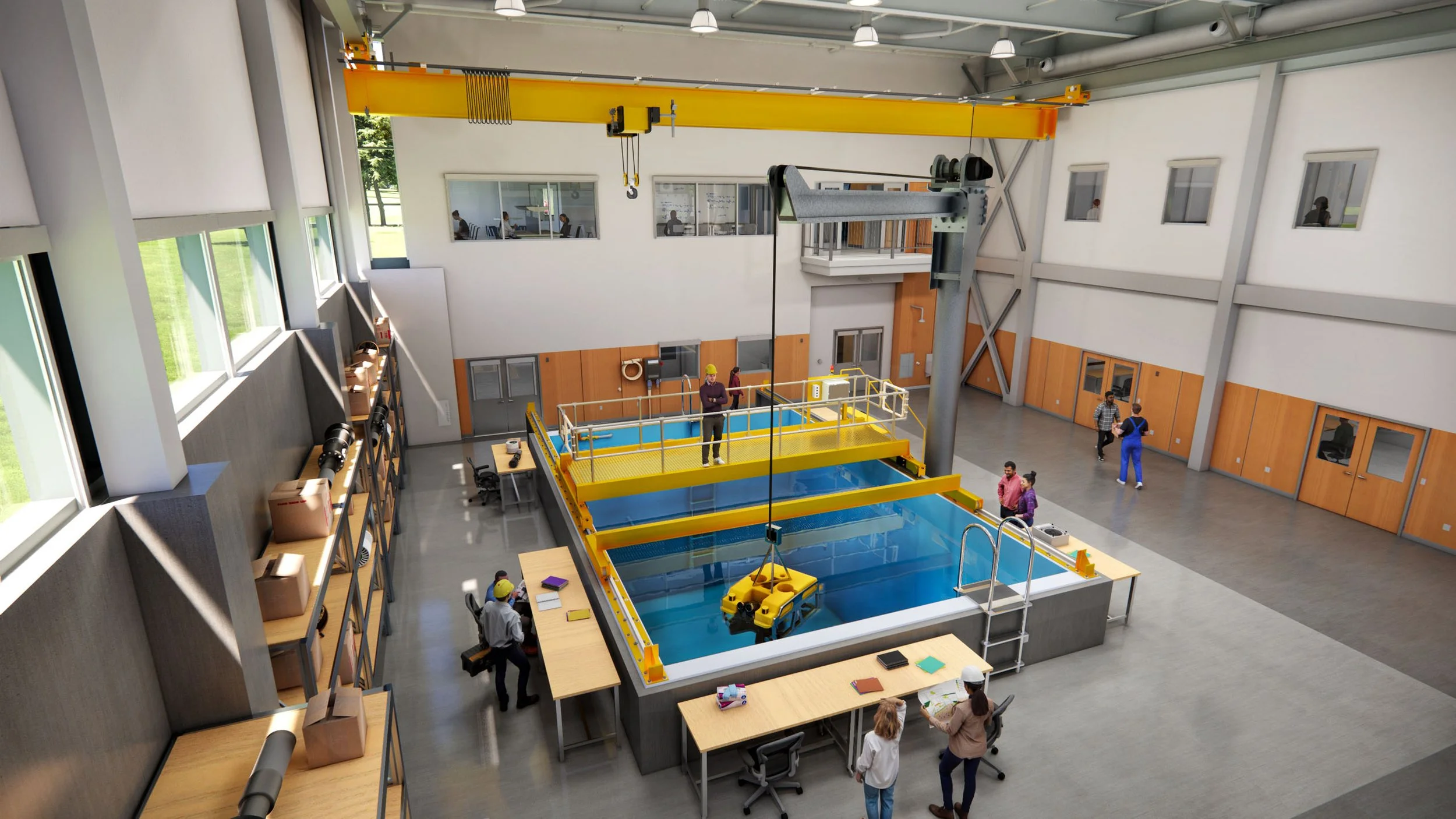
Inside the Facility Advancing Ocean Robotics Research
A new facility at the University of Rhode Island brings together ocean engineering, robotics, and marine science with a purpose-built test tank, high-bay staging area, flexible labs, and collaborative spaces designed to move technologies from prototype to deployment
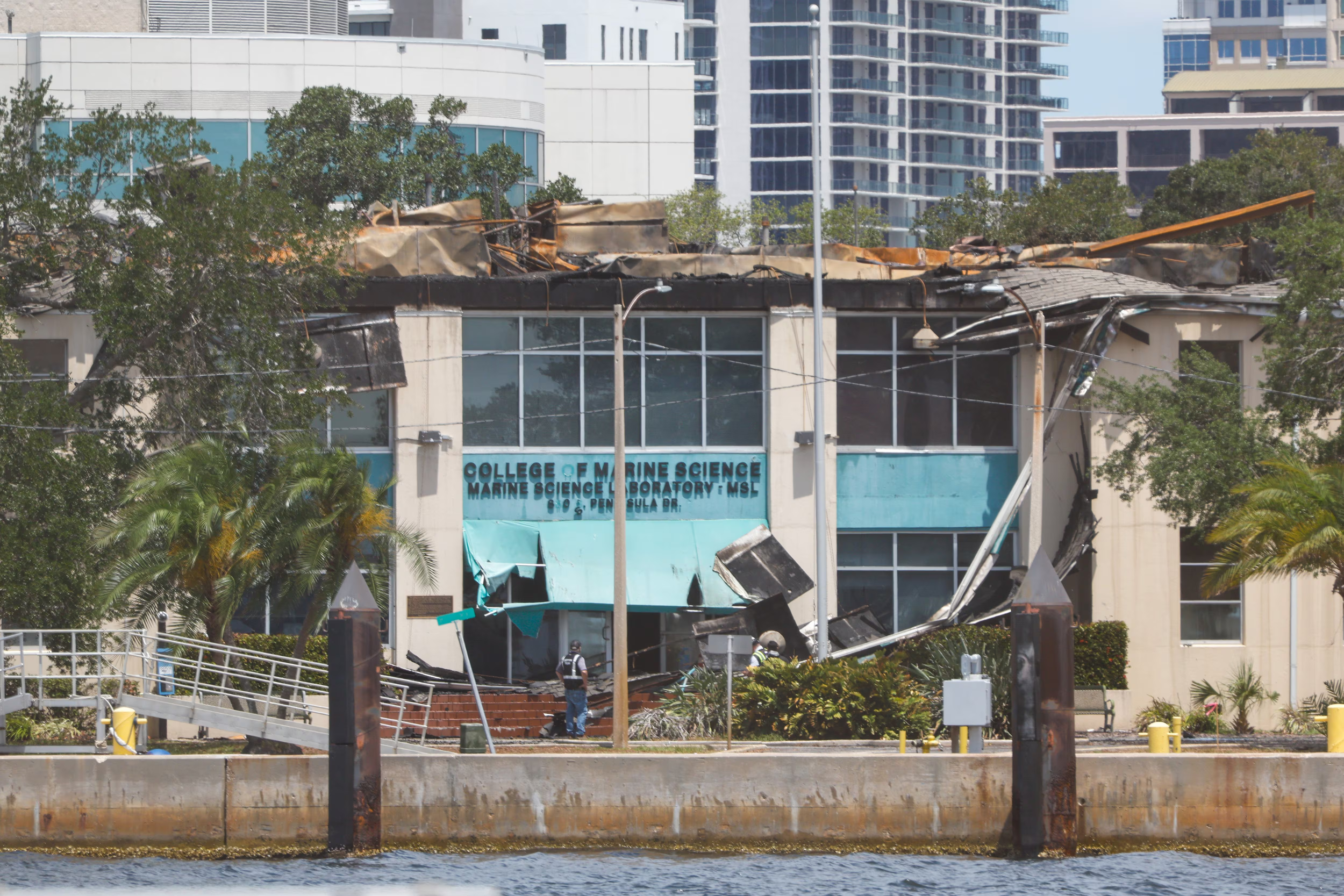
Structural and Operational Lessons from the USF Marine Lab Fire
A devastating lightning fire forces the University of South Florida to navigate complex facility relocation, insurance assessments, and the reconstruction of bespoke academic infrastructure
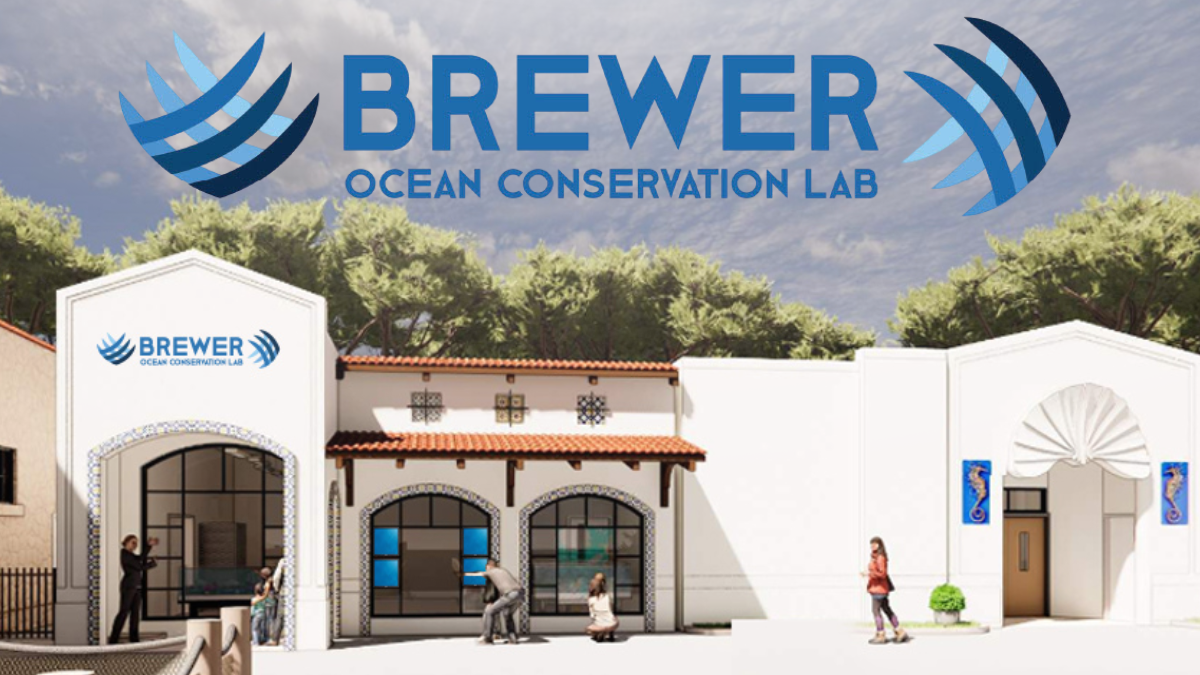
Ocean Conservation Lab is Purpose-Built for Preservation
The Brewer Ocean Conservation Lab at the San Antonio Zoo combines purpose-built coral propagation infrastructure, advanced life-support systems, and immersive public education spaces to support NOAA-backed reef restoration efforts while allowing visitors to witness coral conservation in action

The Next Wave of Research at the Whitney Laboratory for Marine Bioscience
The University of Florida’s Whitney Marine Research Center in St. Augustine doubles research capacity with a flexible, collaborative design that advances marine science, resilience, and community engagement

Lab Hub to Drive Blue Tech Innovation on the Great Lakes
The Freshwater Research & Innovation Center in Traverse City, MI, will combine labs, incubation space, and waterfront access to support education, research, and commercialization in blue tech, fostering sustainable freshwater innovation and economic growth

Inside Southern Miss’s State-of-the-Art Oyster Hatchery
Construction of a state-of-the-art oyster hatchery at The University of Southern Mississippi’s TCMAC Cedar Point campus aims to restore Mississippi’s oyster populations and advance aquaculture by producing up to one billion larvae annually while supporting research, selective breeding, and workforce development
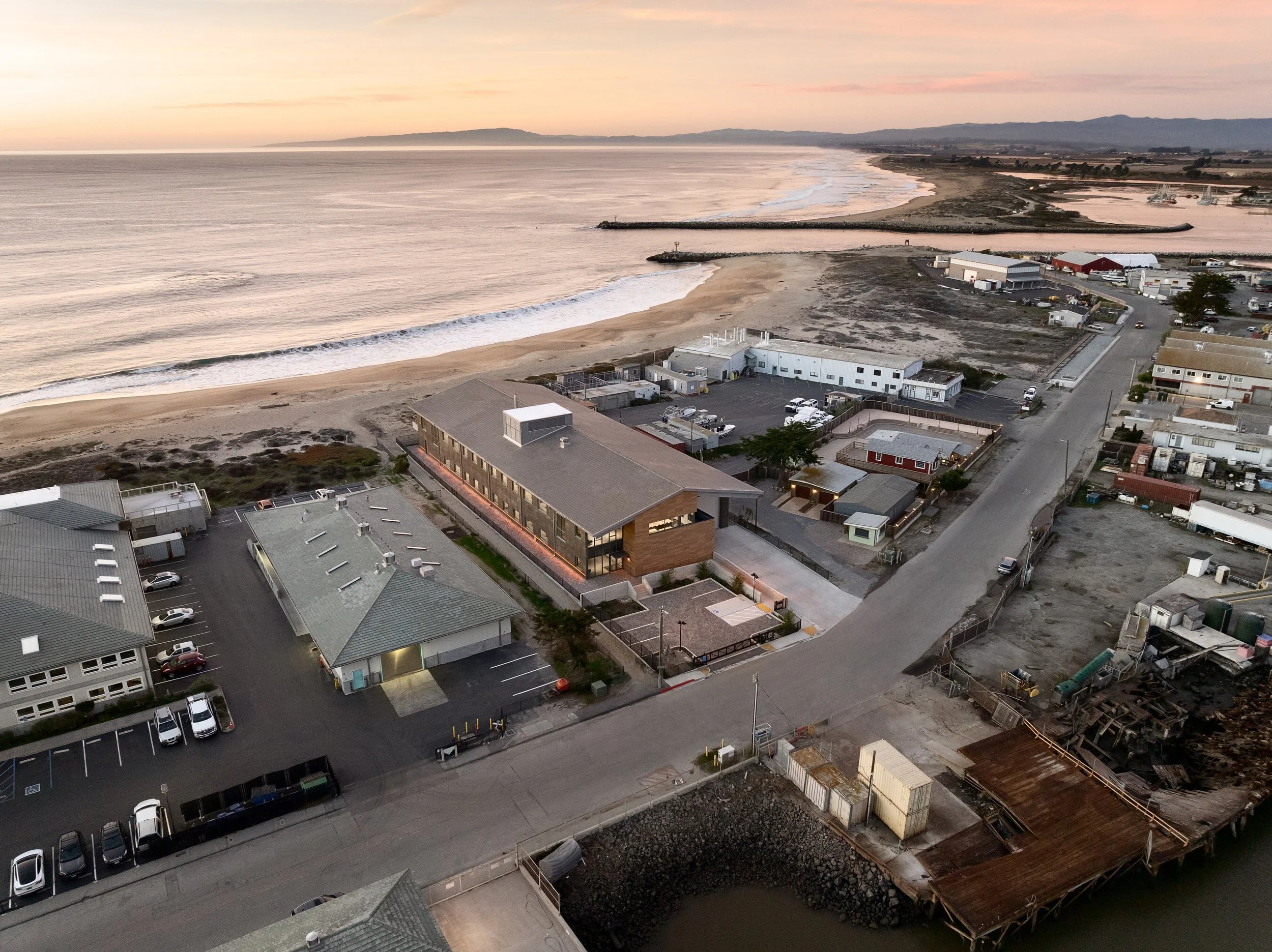
Where Robotics Meets the Coast: Building for Resilience
The MBARI Instrumentation Integration and Testing Facility demonstrates how innovative engineering, resilient materials, and environmentally sensitive construction can overcome coastal site challenges to support advanced ocean robotics and research
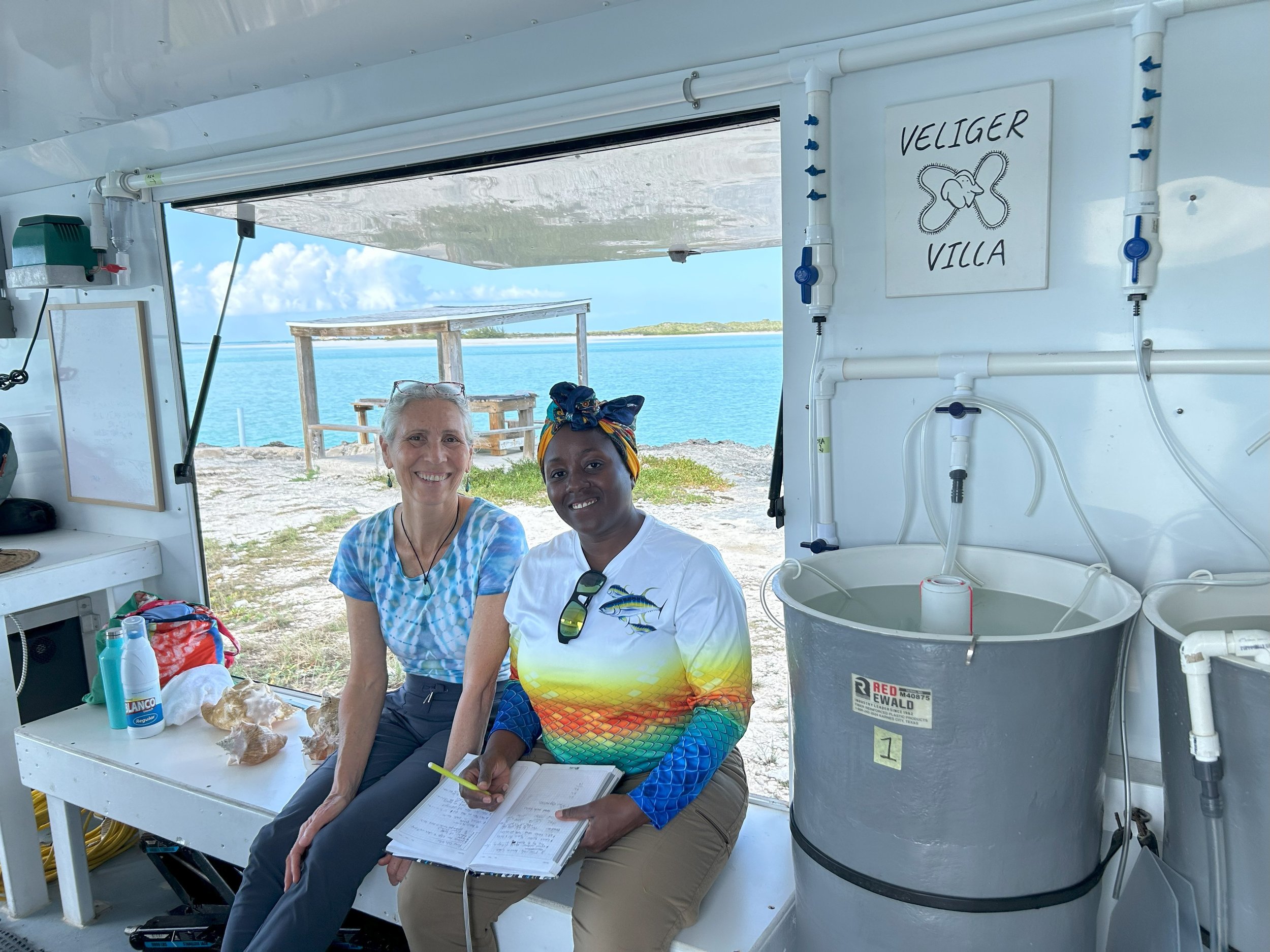
Design Lessons from a Queen Conch Mobile Lab
Florida Atlantic University’s expanded Queen Conch Mobile Lab, supported by Chef José Andrés’ Longer Tables Fund, offers a scalable, community-driven model for aquaculture research and education, providing actionable lessons in modular design, local partnership, and flexible infrastructure for conservation-focused labs