
[[bpstrwcotob]]
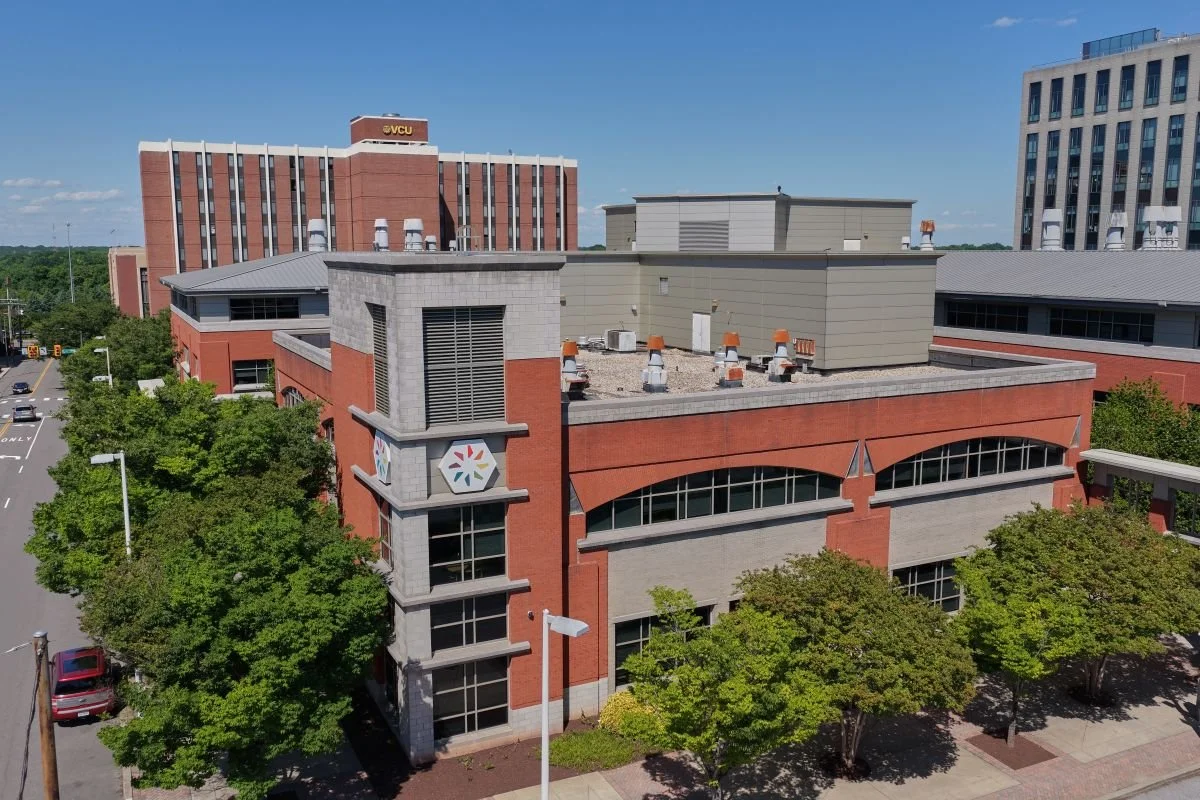
Rethinking Lab Expansion in a Changing Market
Activation Capital’s decision to expand within its existing Bio+Tech Center illustrates how organizations can align facility investments with market conditions, funding realities, and long-term growth goals
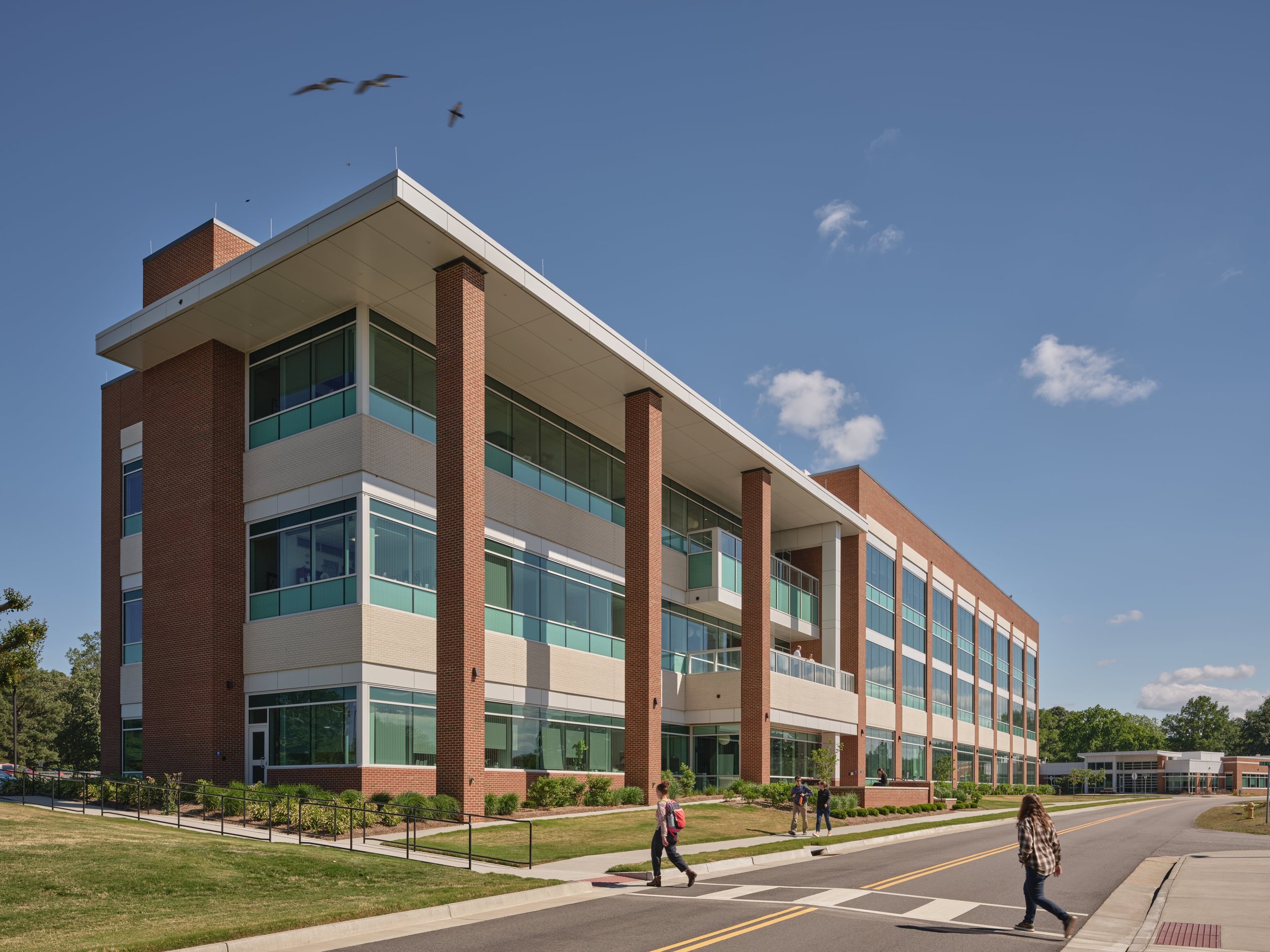
What Post-Occupancy Experience Reveals About Designing for Research
Months after opening, Chesapeake Bay Hall is demonstrating how thoughtful decisions around infrastructure, flexibility, collaboration, and occupant experience can shape the long-term performance of a research facility
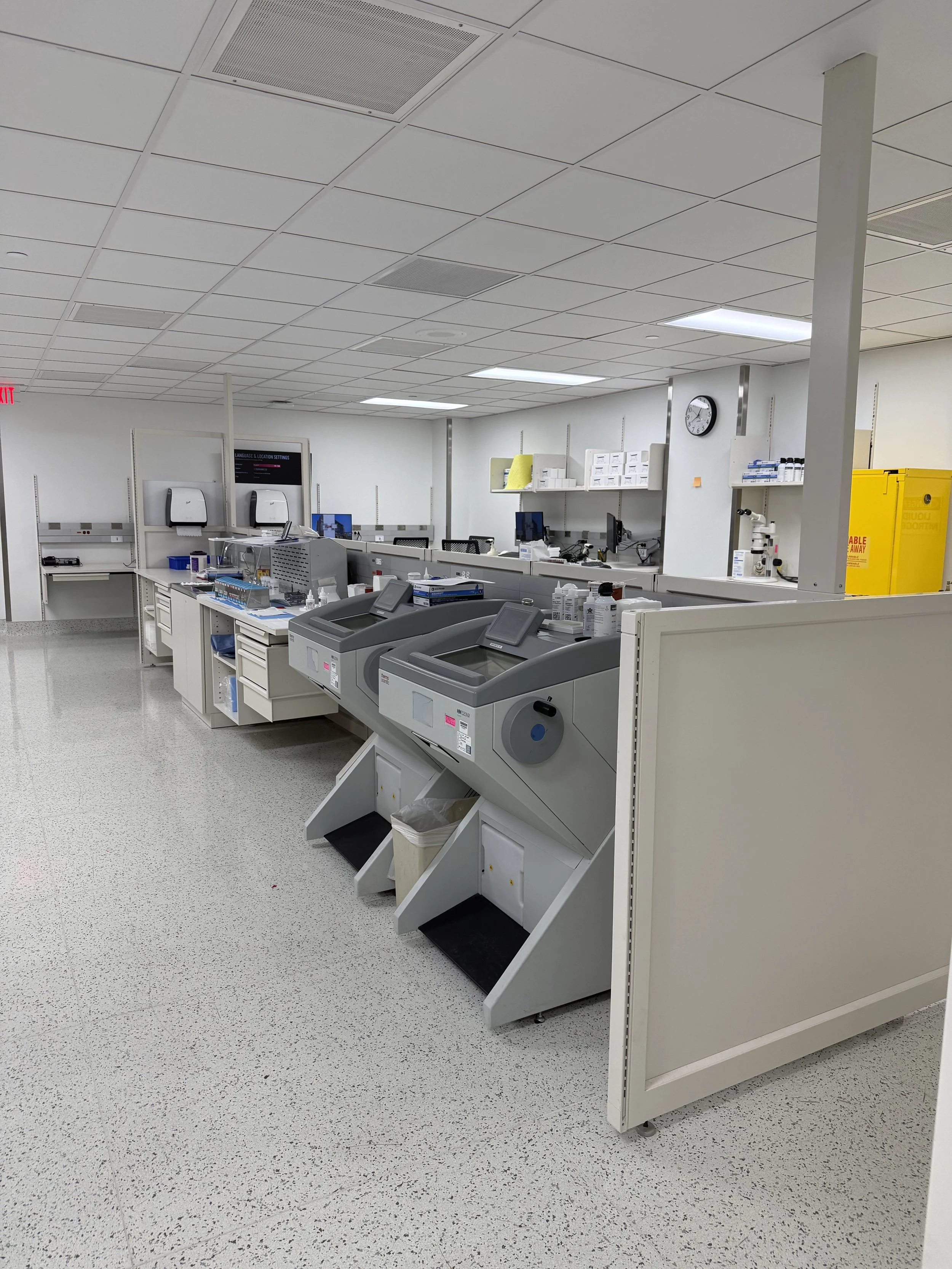
Building a Lab Around What Users Need
For Baptist Health Jacksonville’s Gwendolyn Robles, the process of planning a new central laboratory has meant challenging old assumptions, involving frontline staff, and giving the project team time to get it right
Designing Labs for an Uncertain Future
At the 2026 Lab Design Conference, Ballinger's Gregory Muth and Katherine Wohlsen shared how designing for uncertainty allowed Brown University's newest life sciences building to respond to changing research priorities, funding challenges, and evolving work styles without requiring major redesigns

The Question Your Lab Design Kickoff Is Missing
More client input doesn’t necessarily lead to better lab design—an operational gatekeeper can help design teams get the right information, from the right people, at the right time, before critical decisions are locked in
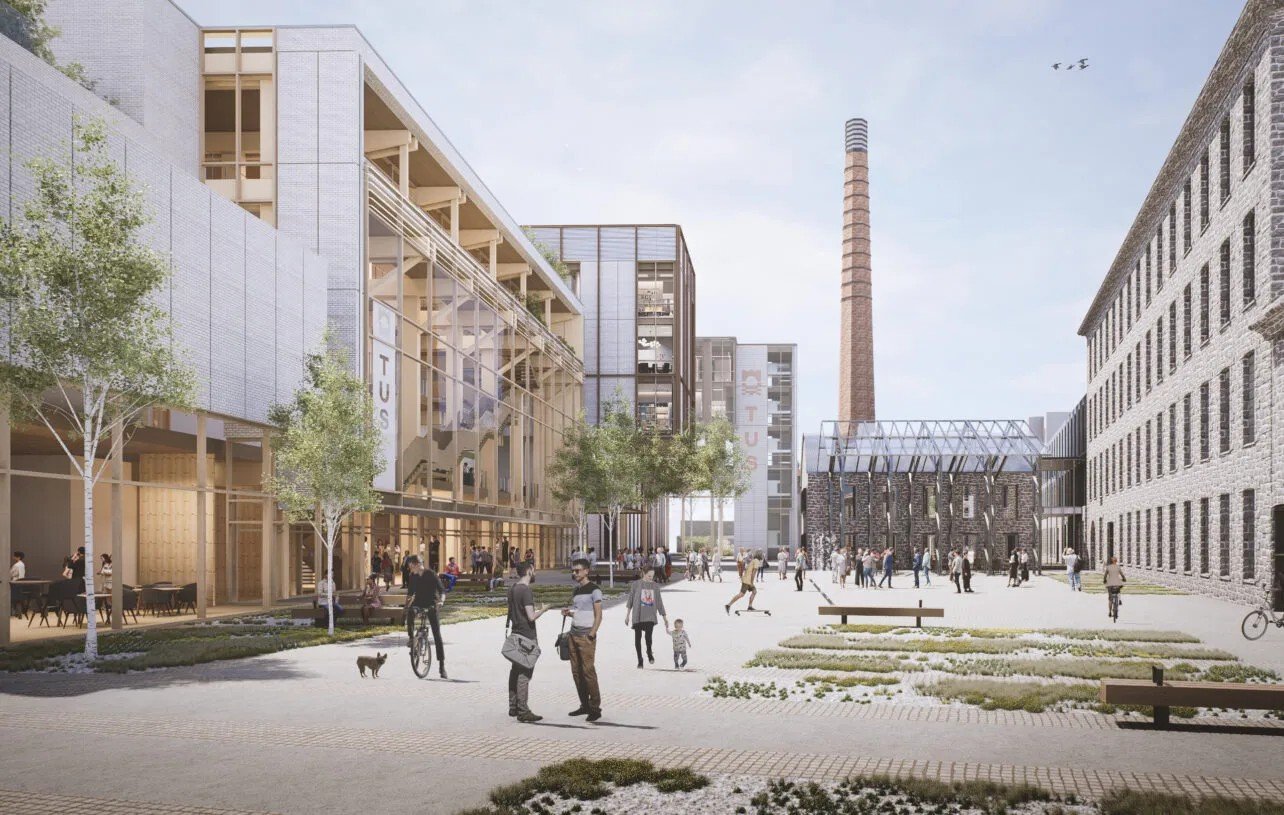
Designing Labs for What Comes Next: Inside a 15-Year Masterplan
Ireland’s Technological University of the Shannon is planning new research facilities, postgraduate hubs and industry-facing innovation spaces while using adaptive reuse and flexible planning to accommodate changing research needs

Harris-Stowe State University Breaks Ground on Flexible STEM Center
Harris-Stowe State University’s new $62 million STEM Center will combine flexible laboratories, research spaces, classrooms, and collaborative environments designed to support current programs and future workforce needs
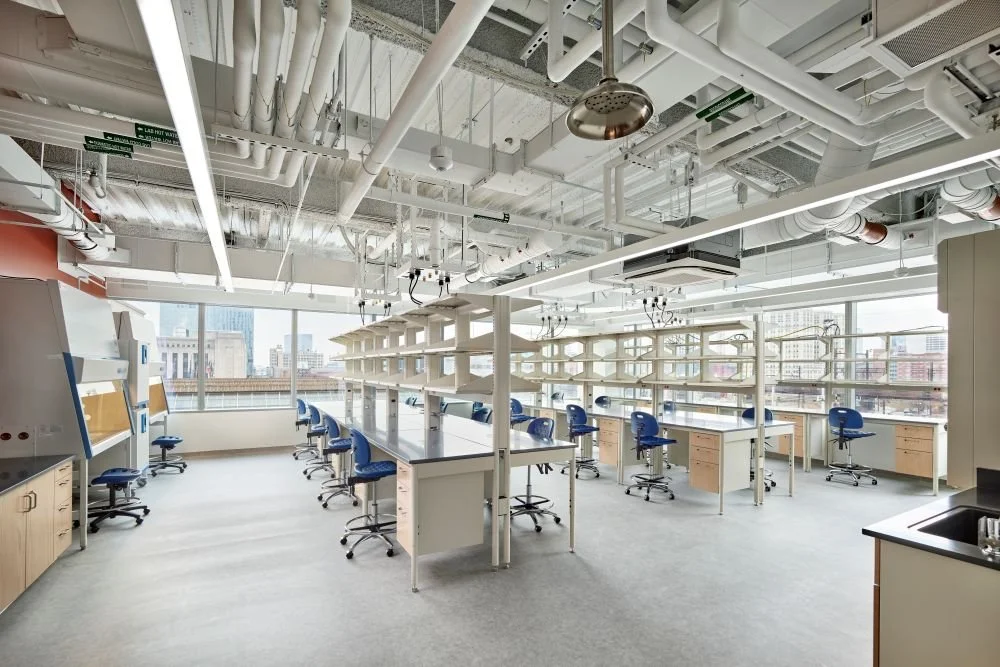
Building Labs That Grow With Startups
Life sciences incubators give emerging companies access to flexible laboratory space, shared equipment, operational support, and collaborative networks designed to help them grow
Turning Offices into Labs: Lessons from a High-Speed Conversion
As life science organizations explore office-to-lab conversions, project teams must overcome significant infrastructure, operational, and scheduling challenges. A case study from the 2026 Lab Design Conference highlights strategies for evaluating existing buildings and managing complex laboratory relocations
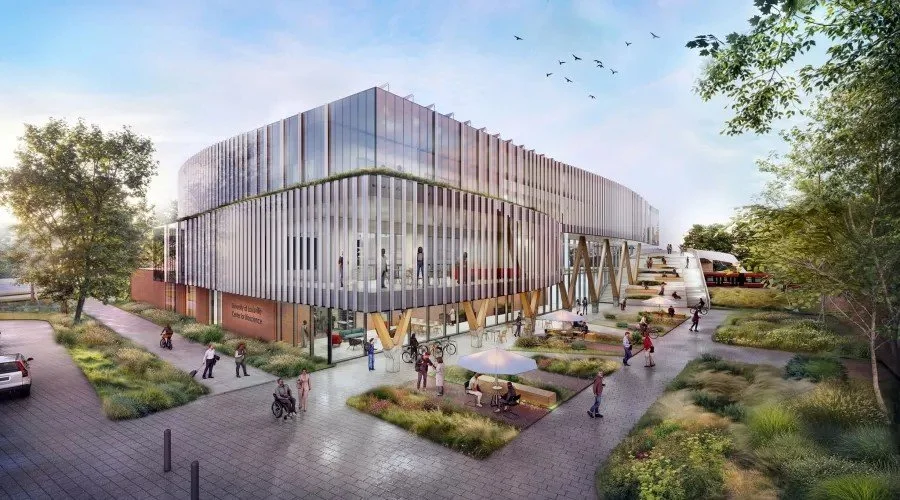
Early Planning Underway for UofL’s Collaborative Research Hub
The University of Louisville’s planned Center for Bioscience is entering early planning, with the future project team yet to be selected as university leaders define the goals, research needs, and collaborative vision for the 70,000-sf facility