
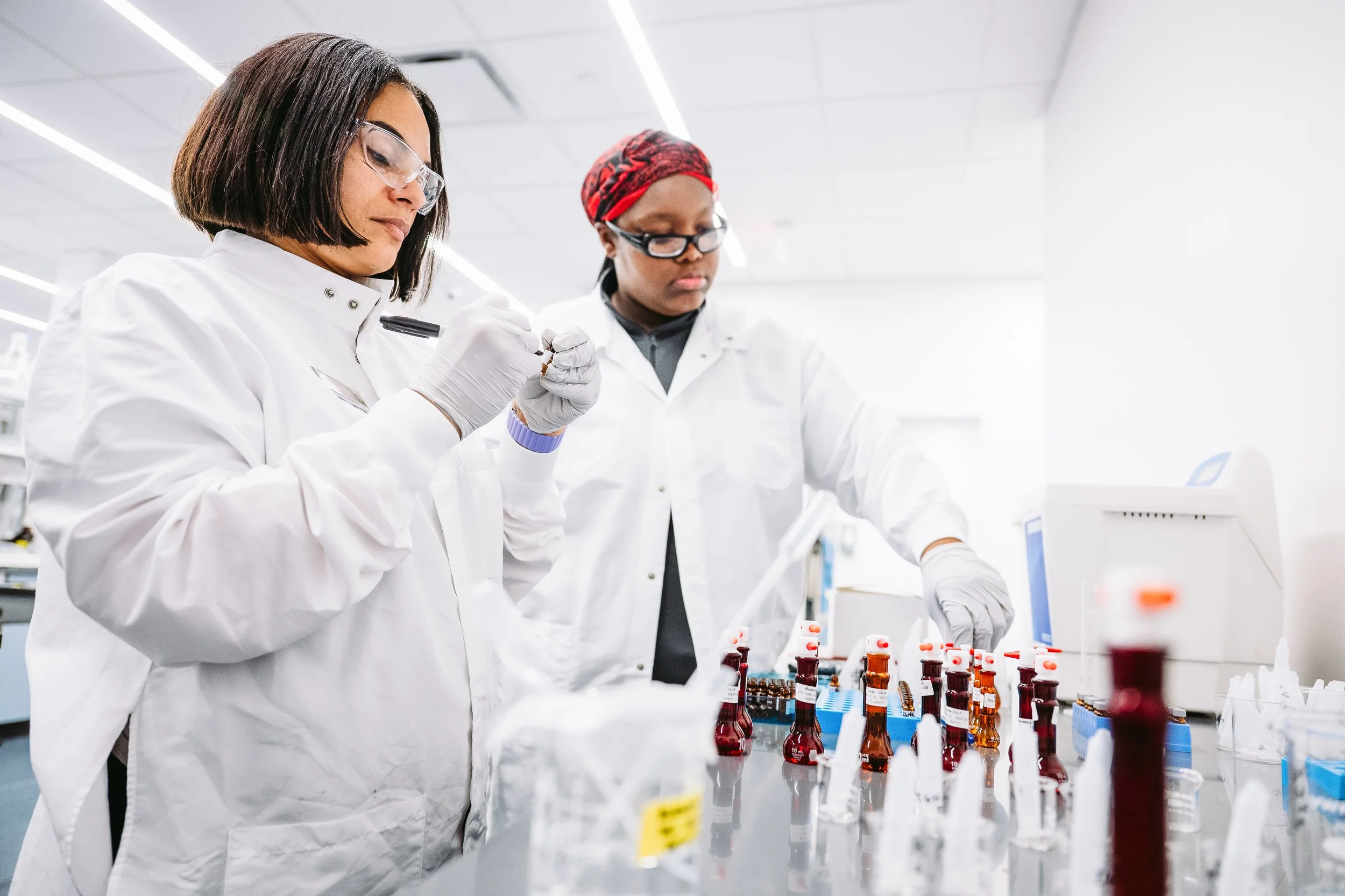
Ritedose’s new analytical chemistry laboratory in Columbia, SC, was part of a $17 million-plus investment planned for within the company’s Performance Park campus. Image: Courtesy of Ritedose
The Ritedose Corporation has opened a new analytical chemistry laboratory at its Performance Park campus in Columbia, SC, as part of a more than $17 million investment that also expands the company’s microbiology laboratory. The project triples Ritedose’s laboratory footprint, adding capacity for pharmaceutical testing while supporting the company’s continued growth.
Planning for the laboratory began before the design process. When Ritedose developed its Performance Park logistics and distribution facility, the company incorporated space for a future laboratory. This allowed the team to account for specialized laboratory requirements as part of its broader infrastructure planning rather than adapting a space that had not originally been intended for laboratory use.
“When we designed our Performance Park logistics and distribution facility, we intentionally incorporated space for the laboratory, allowing us to plan for this investment as part of our broader infrastructure strategy rather than treating it as an afterthought,” says Jody Chastain, president and CEO of Ritedose.
The early planning provided an opportunity to consider the infrastructure, equipment, and workflow requirements of the laboratory before the space was brought into operation.
Involving end users in laboratory design
Ritedose involved its laboratory scientists and management team throughout the design process. Their input helped the project team evaluate current and projected sample volumes, safety equipment placement, secure sample storage, analytical instrumentation, supporting utilities, and the movement of materials and personnel through the laboratory.
The range of testing activities also influenced planning for the space. The analytical chemistry laboratory supports method development and validation, product characterization, raw material testing, and finished product testing. Its specialized equipment includes mass spectrometry, gas chromatography, inductively coupled plasma instrumentation, differential scanning calorimeters, and particle-size analysis technologies.
The laboratory also supports container closure system testing, including evaluations of packaging compatibility, polymer characteristics, and extractables and leachables. These activities require analytical equipment and space for examining materials and potential interactions between pharmaceutical products and their packaging.
“Those discussions helped us refine the design to meet the practical needs of the people who would use the space every day,” Chastain says.
Rather than focusing exclusively on immediate requirements, the team considered projected sample volumes and future business needs alongside day-to-day operational demands. The goal was to establish a laboratory layout that could accommodate the equipment, supporting services, and workflows required for current testing while leaving room for the company’s capabilities to develop.
Maintaining laboratory operations during the transition
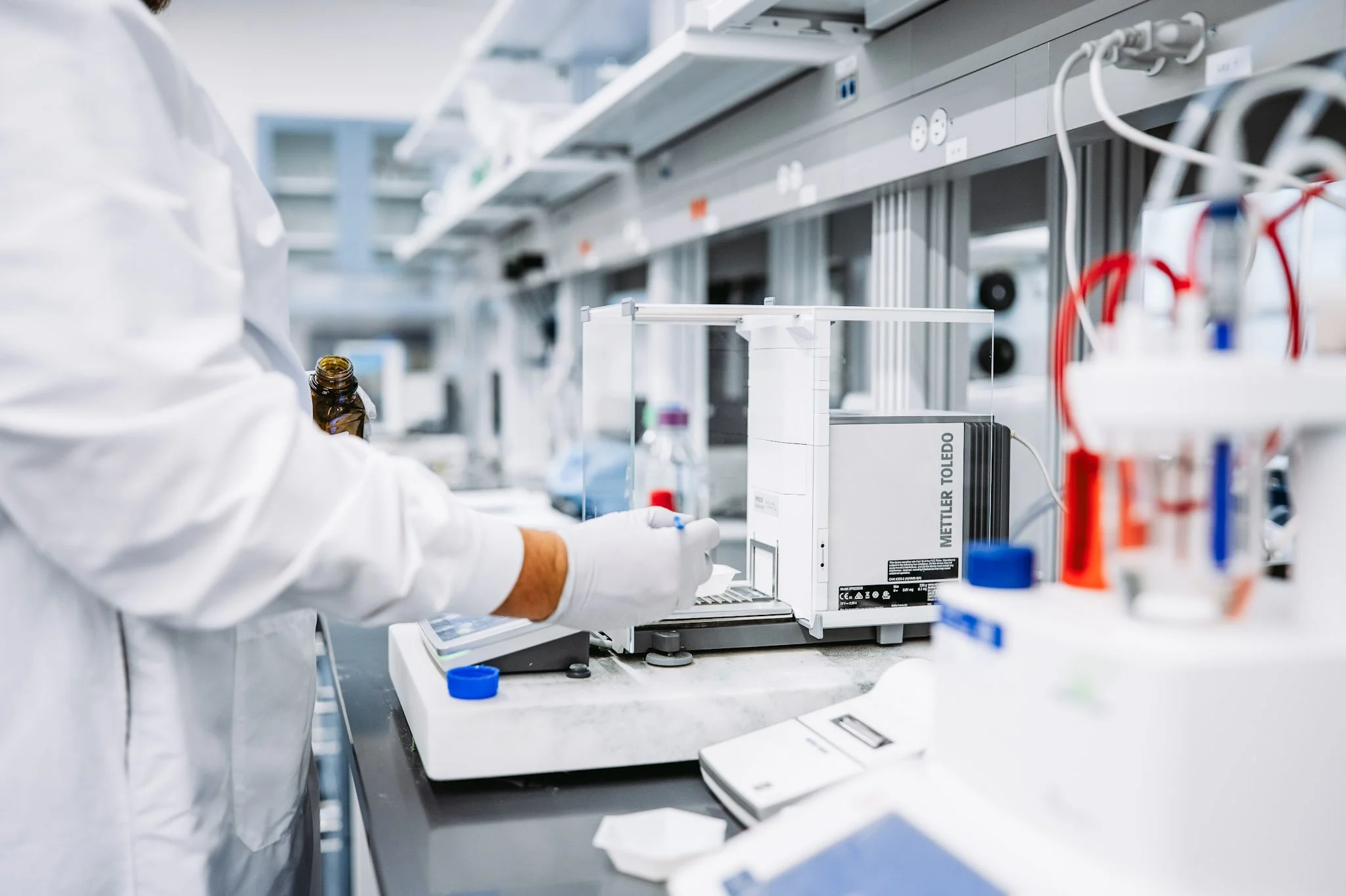
Ritedose qualified its new laboratory and equipment while keeping the existing facility fully operational to avoid disrupting pharmaceutical testing services. Image: Courtesy of Ritedose
Bringing the new space online while continuing to serve customers presented another important consideration. Ritedose needed to qualify the new laboratory and its equipment without interrupting testing in the existing facility.
The company kept its existing laboratory operating at full capacity while qualifying the new space. The transition plan included purchasing and installing some duplicate instruments in the new laboratory while the original facility remained operational.
“Throughout the process, we did not expect any interruption of services. Ritedose continued to meet the needs of our clients and the patients we serve,” Chastain says.
The approach allowed the company to establish the new laboratory’s capabilities while maintaining existing operations, rather than depending on a shutdown or immediate transfer of all testing activities. Instrument installation and qualification were incorporated into the transition plan so the new space could be brought into service while the existing laboratory continued working.
Planning for specialized testing requirements

The expanded laboratory includes 10 qualified ICH stability chambers for pharmaceutical testing under a range of storage conditions. Image: Courtesy of Ritedose
The expanded laboratory includes 10 qualified International Council for Harmonisation (ICH) stability chambers. These support long-term, accelerated, intermediate, refrigerated, and controlled room temperature studies, as well as thermal stress, freeze-thaw, and photostability testing.
The stability program adds another set of specialized requirements to the laboratory’s overall scope, supporting studies that evaluate product quality and shelf life under different storage conditions. Together with the analytical chemistry and expanded microbiology capabilities, the chambers contribute to the facility’s role in testing pharmaceutical products at different stages of development and manufacturing.
For other organizations planning laboratory expansions, Chastain emphasizes the importance of involving staff early and considering how requirements may change over time.
“My advice would be to involve the people who will use the laboratory from the very beginning and plan for where the business is going, not just where it is today,” he says.
The project’s advance planning and continued end-user involvement helped Ritedose address operational requirements before the new laboratory opened. As Chastain noted, “The goal is to build a laboratory that meets today's needs while providing the capabilities and capacity to support what comes next.”