
[[bpstrwcotob]]

The Question Your Lab Design Kickoff Is Missing
More client input doesn’t necessarily lead to better lab design—an operational gatekeeper can help design teams get the right information, from the right people, at the right time, before critical decisions are locked in
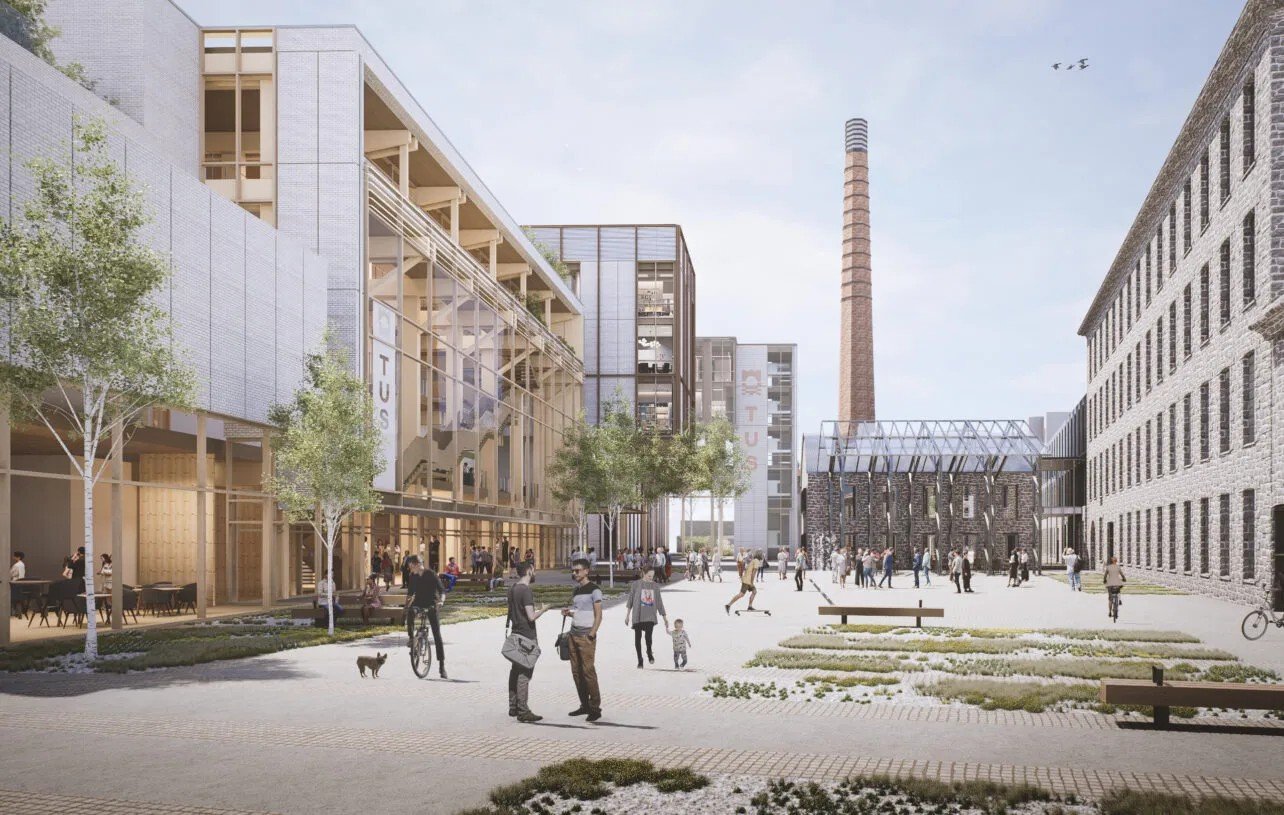
Designing Labs for What Comes Next: Inside a 15-Year Masterplan
Ireland’s Technological University of the Shannon is planning new research facilities, postgraduate hubs and industry-facing innovation spaces while using adaptive reuse and flexible planning to accommodate changing research needs
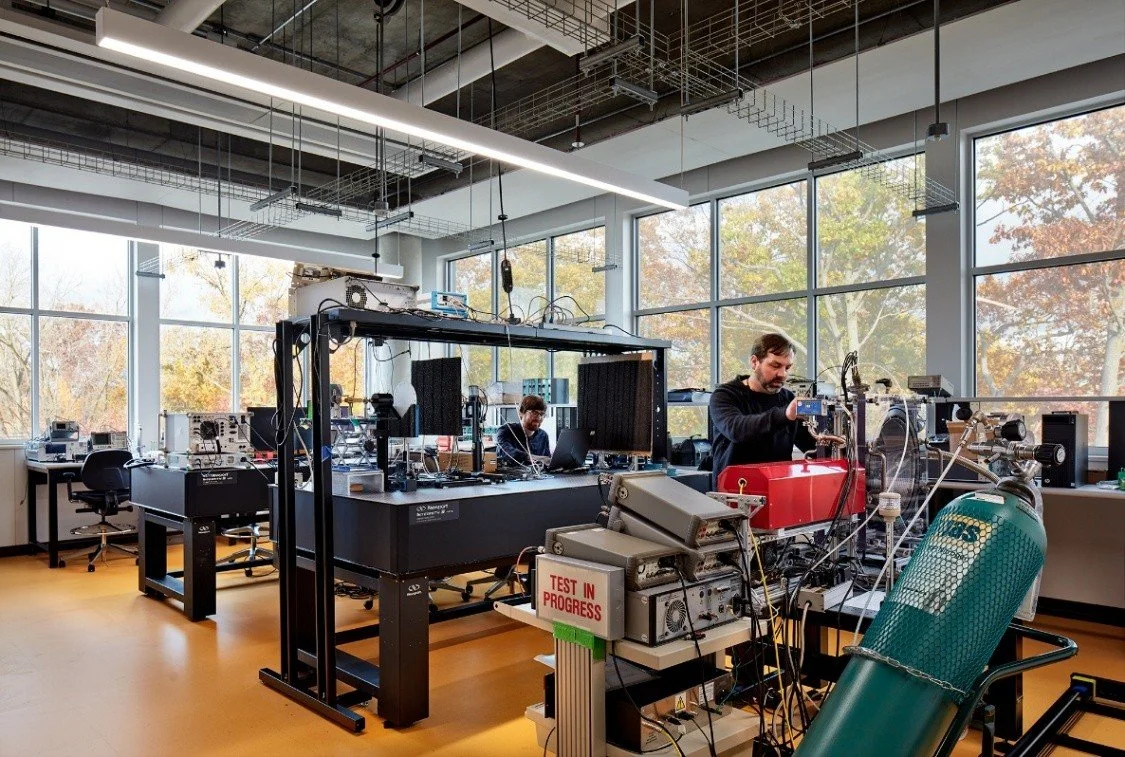
The Quantum Readiness Recipe: Evaluating Facility Needs
As quantum research accelerates, laboratory planners must balance precision engineering, flexible infrastructure, and early stakeholder collaboration to create facilities capable of supporting technologies that have yet to be invented
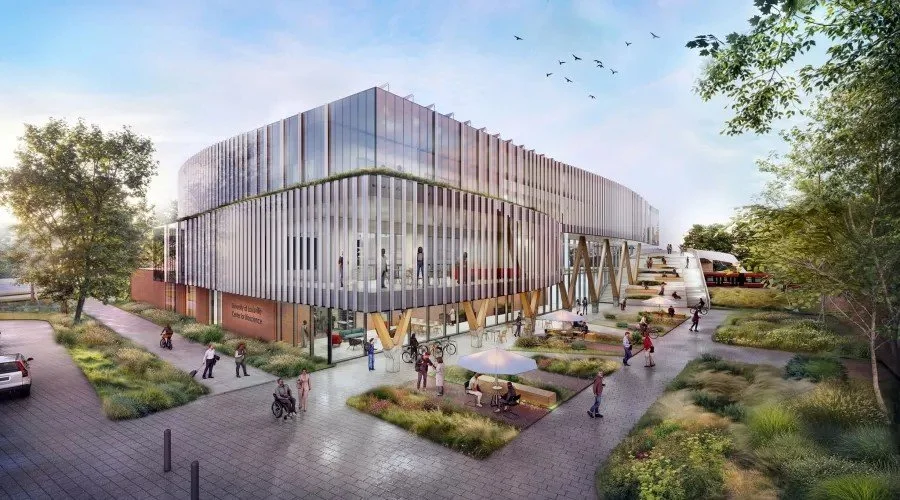
Early Planning Underway for UofL’s Collaborative Research Hub
The University of Louisville’s planned Center for Bioscience is entering early planning, with the future project team yet to be selected as university leaders define the goals, research needs, and collaborative vision for the 70,000-sf facility
Turning Industrial Space into a Modern Lab
Converting industrial space into a high-performance laboratory requires more than infrastructure upgrades. At the 2026 Lab Design Conference, Mukesh Jani explained why stakeholder engagement, healthy workplaces, and long-term planning were the keys to success
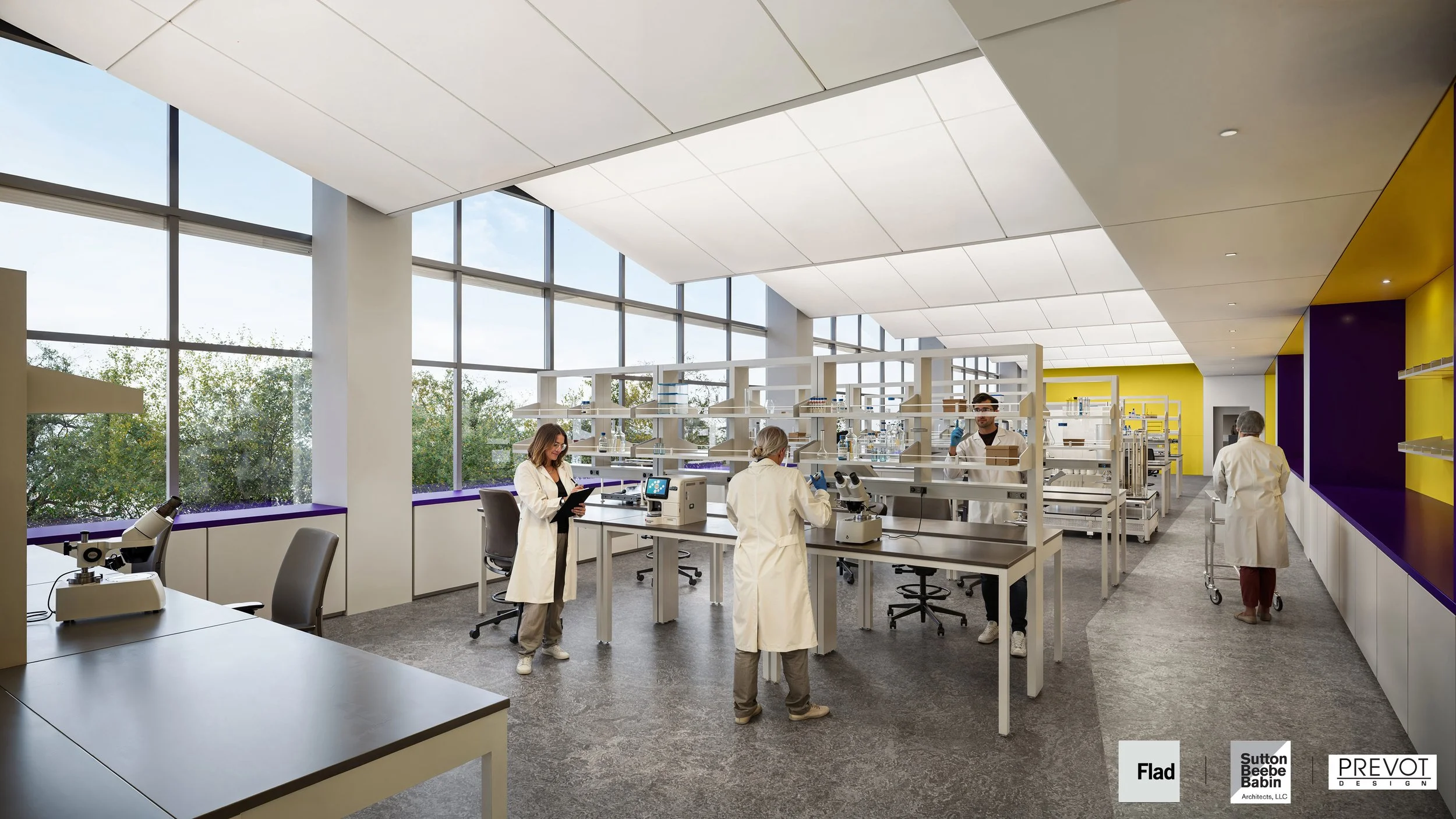
Stakeholder-Driven Planning Transforms Former Sears into Research Hub
LSU Health Shreveport is engaging researchers early in the planning process as it transforms a former Sears building into 181,000 sf of flexible research space
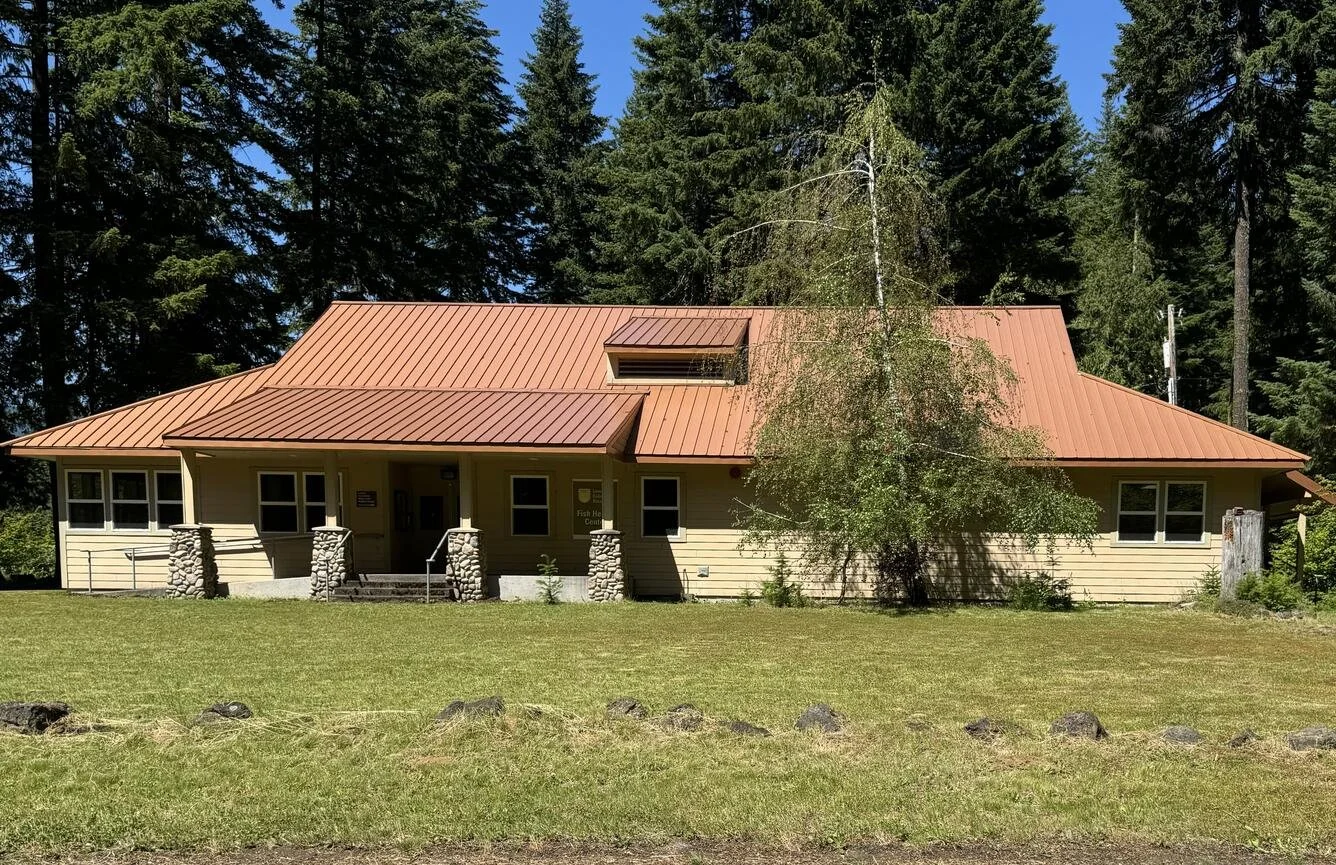
USGS Fisheries Research Station Prepares for Move to Upgraded Facility
The relocation of a USGS fisheries research facility highlights how early planning and interagency collaboration can help maintain scientific operations during a laboratory transition
From 'No, We Can't Put It on a Barge' to a Better Blood Bank: Lessons from a Landlocked Lab Renovation
During the 2026 Lab Design Conference, Baptist Health System lab staff shared how rethinking workflows, engaging end users, and embracing flexibility helped transform a decades-old blood bank laboratory into a modern, future-ready facility

The Conversations That Make or Break a Research Building
Early planning and design decisions shape the long-term success of research buildings, making clear communication and stakeholder input essential to creating laboratories that perform for decades
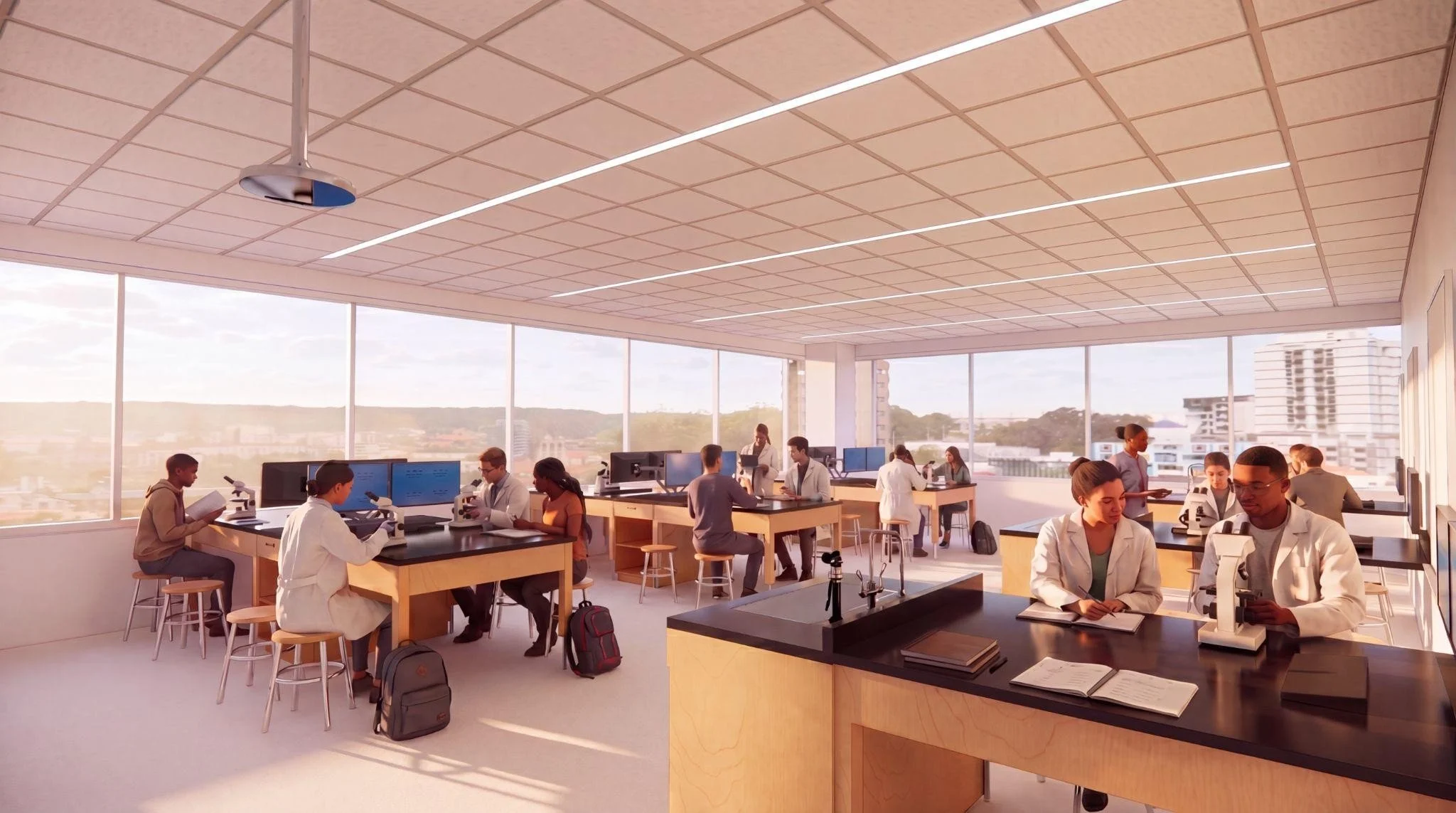
How Early Stakeholder Engagement Is Guiding New Teaching Labs
The University of Minnesota Rochester's $10.38 million Discovery Square expansion demonstrates how early planning, stakeholder collaboration, and flexible laboratory design are shaping a next-generation teaching environment that connects students with Rochester's growing life sciences ecosystem