
[[bpstrwcotob]]
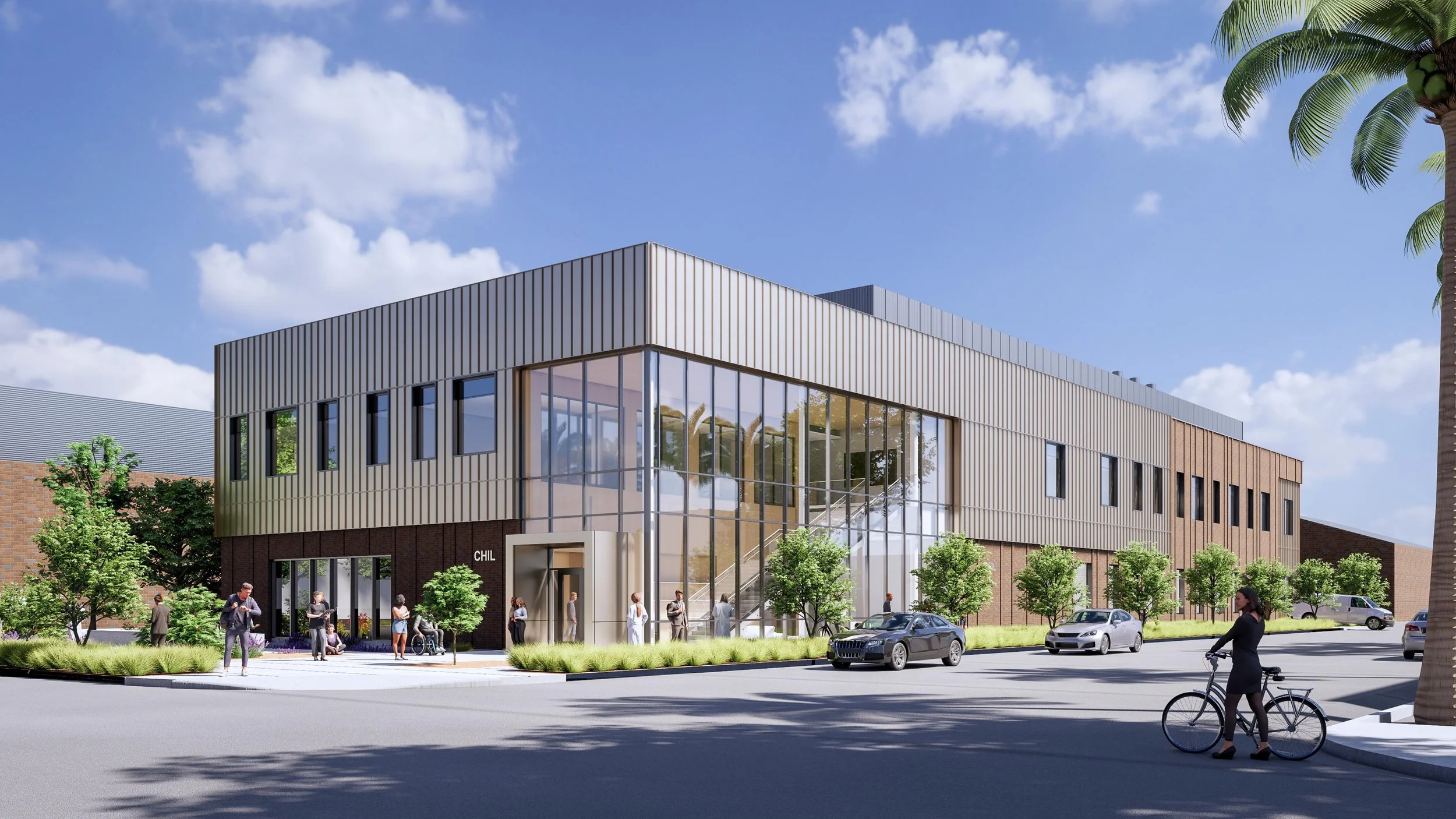
Chico State Breaks Ground on a Next-Generation Forensic Anthropology Laboratory
California State University, Chico has broken ground on its Human Identification Laboratory—a project that will triple capacity, modernize infrastructure, expand training and research, and strengthen statewide forensic anthropology support for law enforcement and public safety

Florida’s Semiconductor Growth Accelerates with NeoCity’s Multi-Use Lab
Osceola County’s upcoming 30,000‑sf Multi-Use Lab Building at NeoCity is a flexible, state-funded facility designed to support semiconductor R&D, attract multiple tenants, and serve as a central hub for Florida’s growing high-tech ecosystem
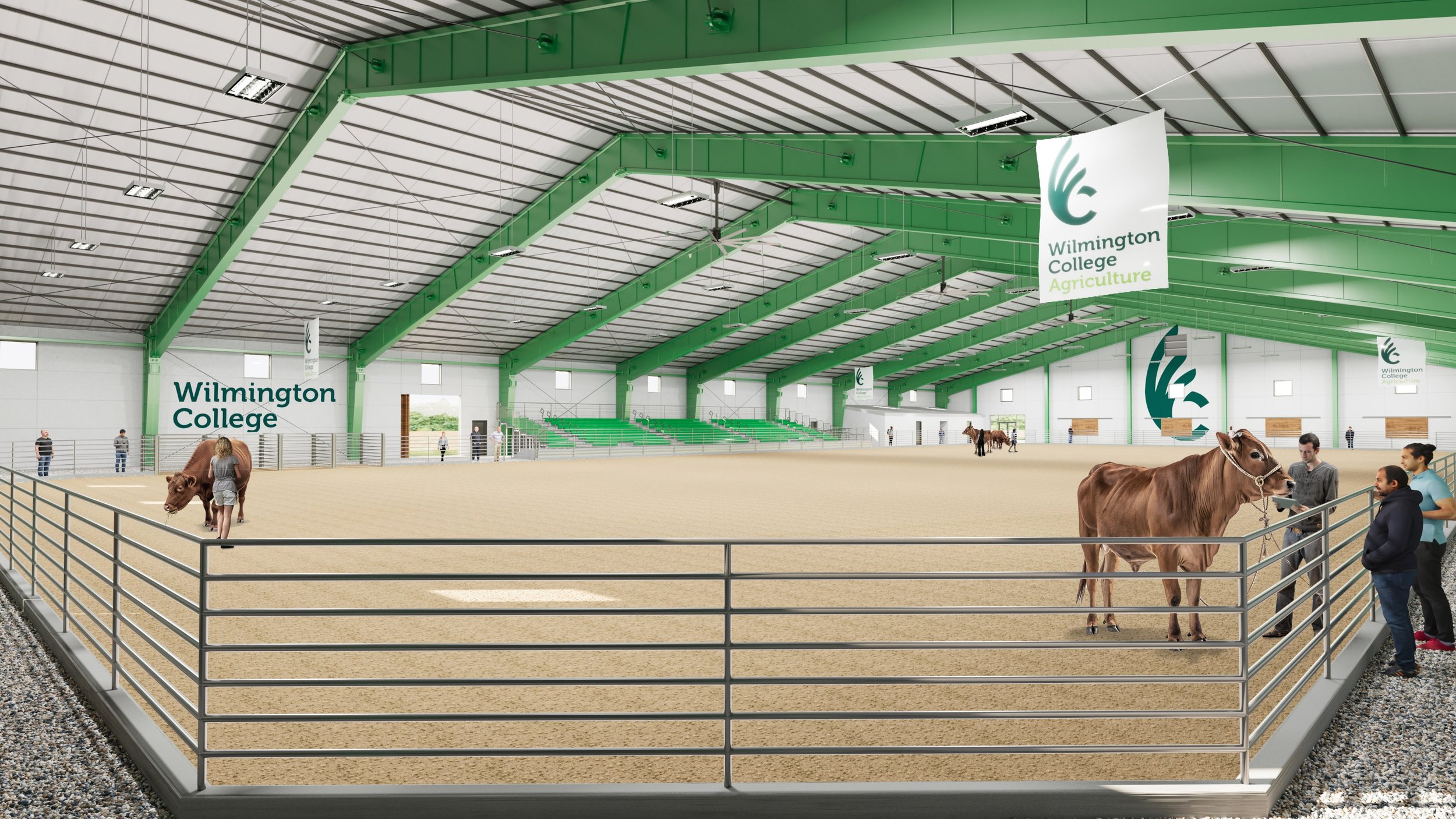
Reimagining Controlled-Environment Agriculture for Education and Research
The Wilmington College Agriscience Complex represents a major investment in experiential learning, preparing students for critical agricultural careers in Ohio by providing a modern, industry-aligned learning environment

Designing Science Spaces That Balance Performance and Sustainability
Nucleus, a science facility shared by Scripps and Pitzer Colleges, demonstrates how thoughtful, human-centered design and high-performance systems can create a sustainable, energy-efficient science facility that balances operational functionality with ambitious decarbonization goals
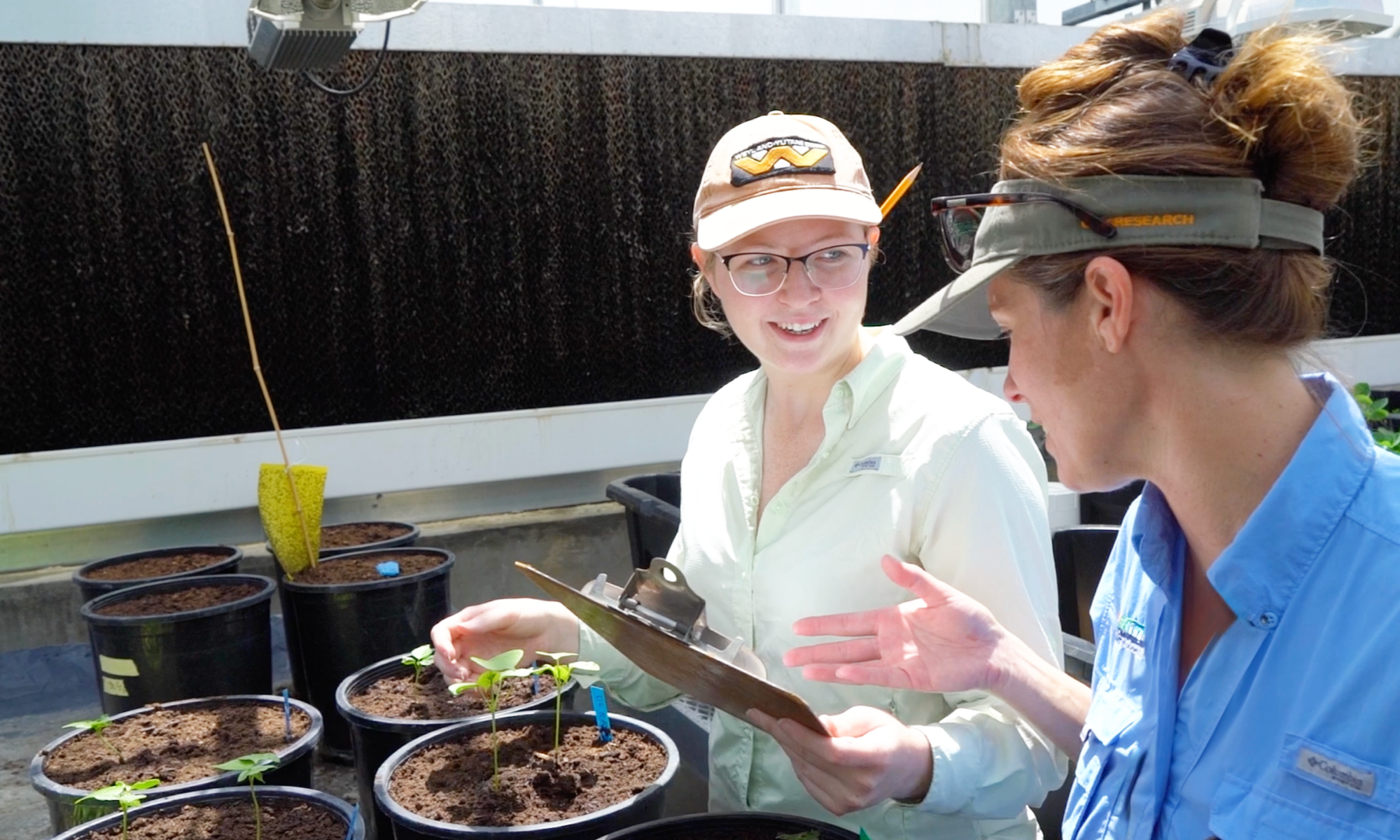
From Outdated to Outstanding: How Strategic Design Upgrades Revitalized a Research Campus
The $50-million ARP-funded modernization at UT’s West Tennessee AgResearch and Education Center upgrades labs, housing, and precision agriculture facilities to boost research productivity, operational efficiency, and recruitment

Unexpected Risks, Planned Solutions: Safety in Lab Design
A recent explosion at a Harvard lab underscores the need for resilient, access-controlled, behavior-informed, and well-designed laboratory environments, and expert Dan Scungio outlines how thoughtful planning—from materials and infrastructure to low-cost upgrades, user behavior, and risk-based zoning—can prevent minor incidents from escalating into catastrophic ones

Leveraging Lab Design in a Shifting Life Science Market: Designing for Adaptability
In today’s shifting life science market, companies and building owners must prioritize adaptable, technology-ready lab designs that align with growth stage, specialized programmatic needs, and emerging trends, using early planning and feasibility studies to turn market volatility into competitive advantage

Lab Design Conference Speaker Profile: Gwendolyn Robles
Don’t miss Gwendolyn Robles’ session at the 2026 Lab Design Conference, where she and her team will share creative strategies, LEAN-driven workflow tips, and lessons from transforming a landlocked 1970s lab into a modern blood bank—register by December 31, 2025, to secure early-bird pricing and gain insights that can inspire your own lab design projects

The Human-Centric Laboratory: A Forward-Thinking Case Study
Integrating multisensory design, equity, diversity, and inclusion, biophilia, technology, and physiological considerations into laboratory design creates human-centric spaces that enhance researchers' comfort, health, and overall well-being
Solving the Unique Challenges of Life Sciences Manufacturing
Lab Design News spoke to David Frank, vice president of client development at Azzur Group