
[[bpstrwcotob]]
Decarbonizing Labs Through Thermal Energy Networks
As laboratories face growing pressure to decarbonize, thermal energy networks offer a path beyond building-by-building electrification. Charlie Marino and Victor Sanchez shared how campuses can leverage shared infrastructure, heat recovery, and strategic planning to reduce emissions, during their 2026 Lab Design Conference session
Designing Labs for Energy Efficiency and Institutional Climate Goals
As laboratories pursue ambitious sustainability goals amid rising energy costs and market volatility, facility leaders are increasingly finding that long-term success depends on integrating energy efficiency, procurement, resilience, and demand management into a comprehensive energy strategy
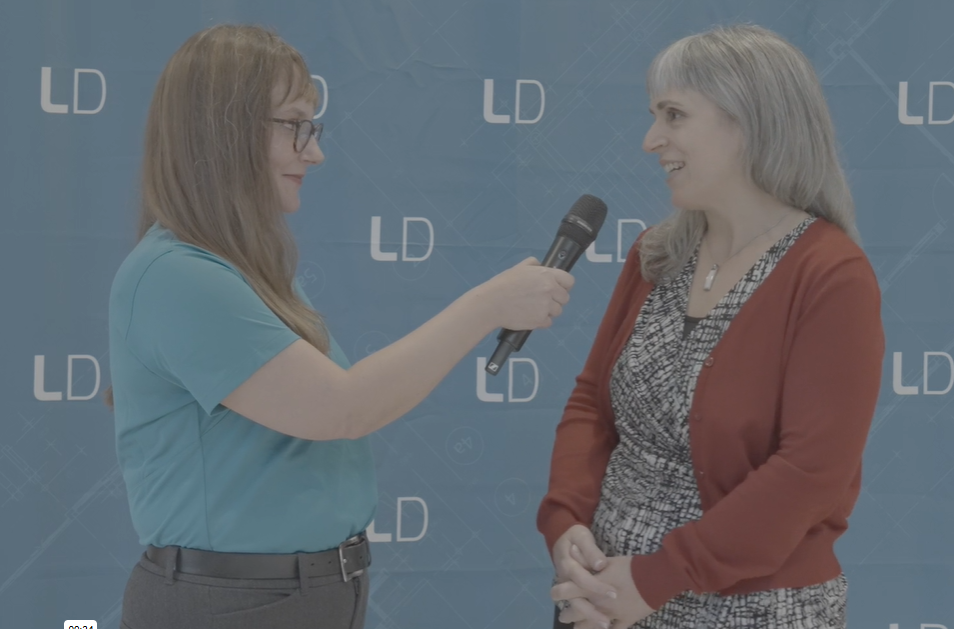
Why Holistic Planning Leads to Better Labs: On the Floor at the Lab Design Conference
In this video interview from the 2026 Lab Design Conference, Aimée Smith of RWDI and the Lab Design editorial board shares practical advice for designing high-performing, sustainable laboratories
Why Laboratory Sustainability Efforts Need Better Data, Not Just Better Technology
As laboratories face increasing pressure to meet sustainability goals and building performance requirements, reliable facility data is becoming essential for benchmarking energy use, validating upgrades, securing incentives, and demonstrating long-term compliance
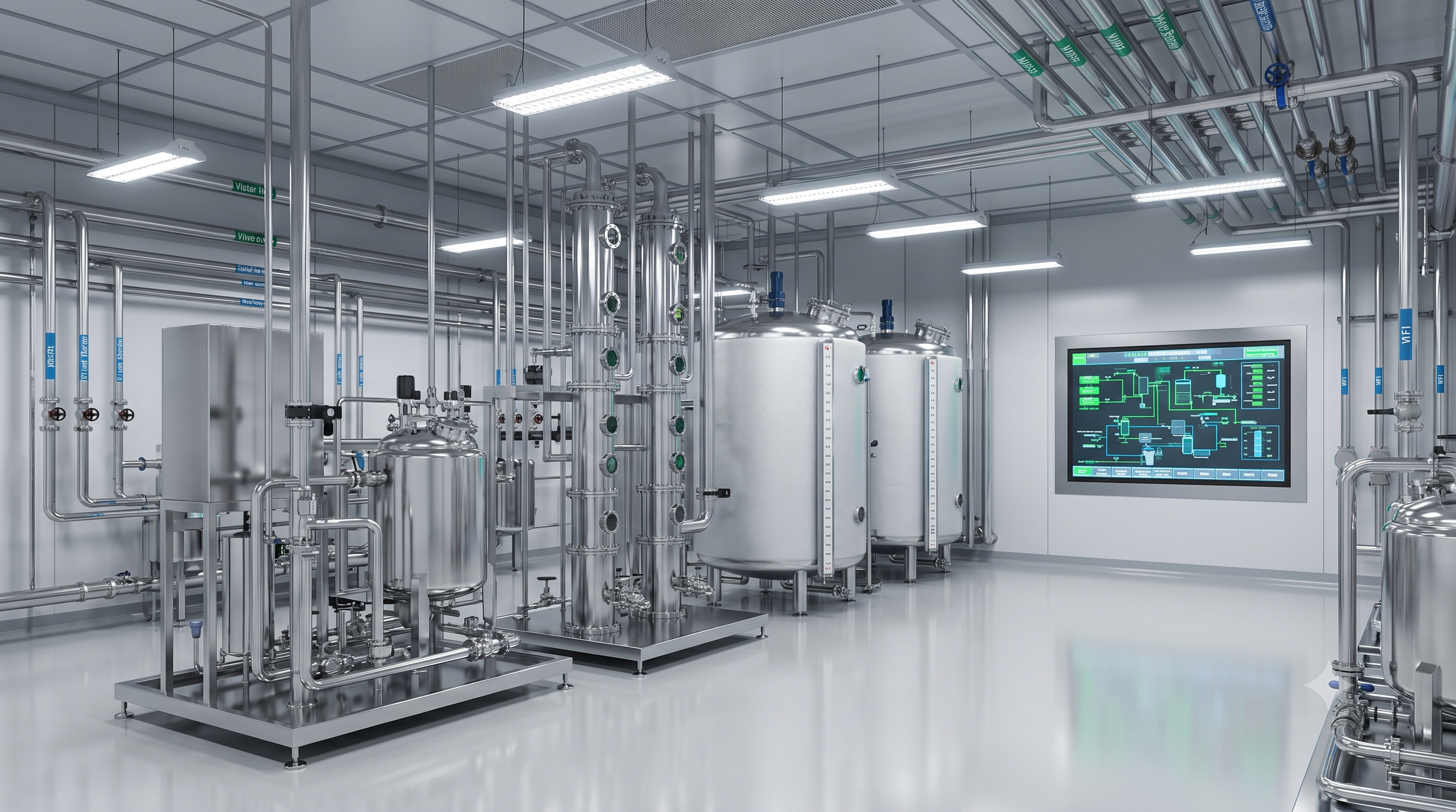
How Predictive Modeling De-Risks Pharma Water Infrastructure
Predictive engineering platform allows lab planners and AEC teams to model utility demand, carbon emissions, and equipment sizing during conceptual design
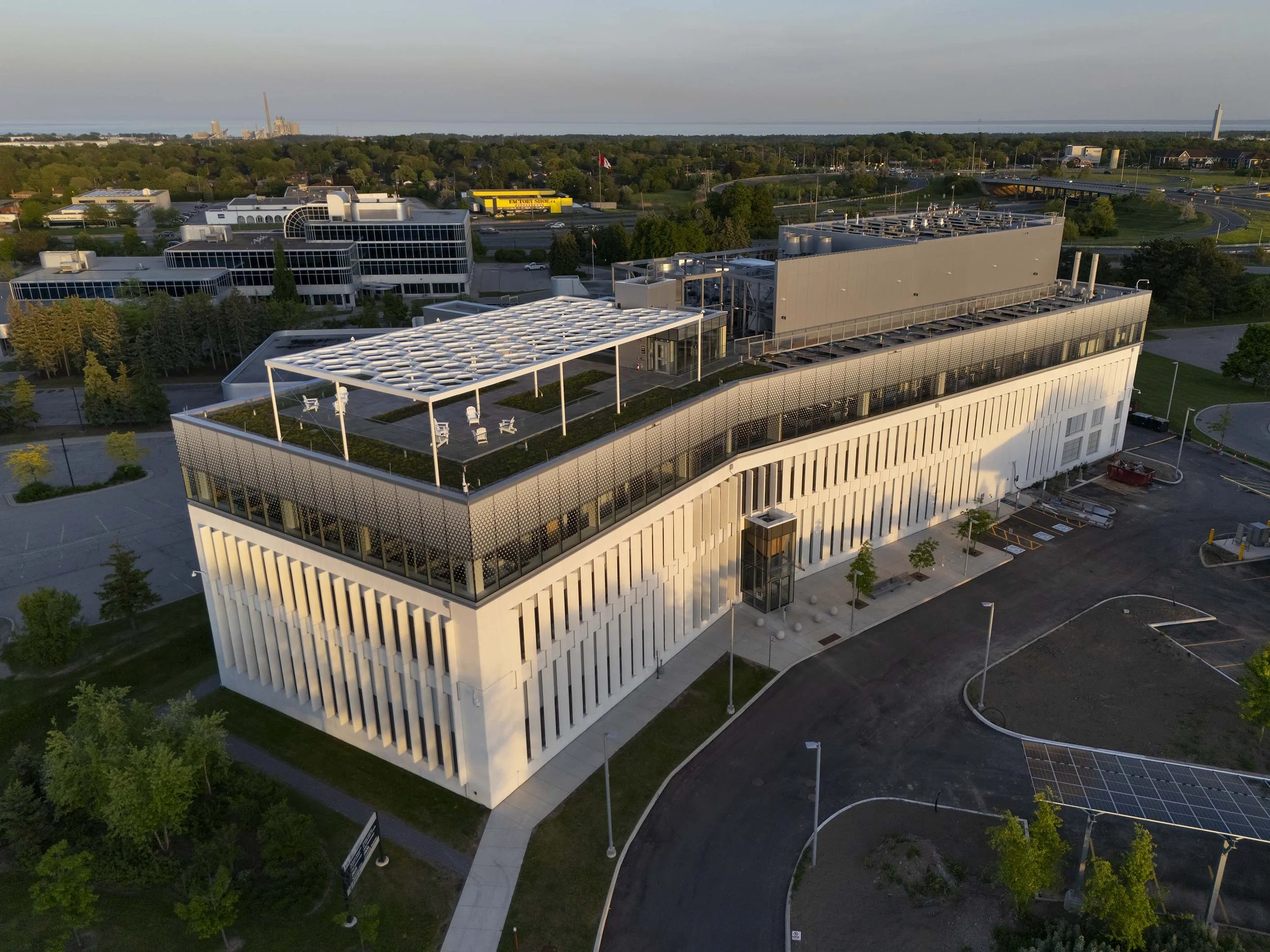
Elevating Lab Design: AMRF Earns Special Mention for Sustainable Renovation
The NRC’s $77 million AMRF project in Ontario transforms an occupied, conventional lab building into a vertically expanded, LEED Gold, highly flexible, and electrified research facility—earning a 2026 Design Excellence Special Mention while serving as a scalable model for modern, low-carbon laboratory design

Designing Science Spaces That Balance Performance and Sustainability
Nucleus, a science facility shared by Scripps and Pitzer Colleges, demonstrates how thoughtful, human-centered design and high-performance systems can create a sustainable, energy-efficient science facility that balances operational functionality with ambitious decarbonization goals