
[[bpstrwcotob]]

Minimizing Risk: Strategies for Design and Construction
Laboratory design and construction teams can minimize risk—and improve project outcomes—by embedding proactive risk management strategies, clear communication, collaborative culture, and advanced planning tools into every phase of a project.

Transforming 100,000 SF of Retail into a LEED-Certified Lab
Invitae’s transformation of the abandoned Morrisville Outlet Mall into a 125,000-sf LEED-certified laboratory headquarters demonstrates how rigorous site assessment, flexible design, strong collaboration, proactive engagement with authorities, and creative problem-solving can turn a failing retail property into a sustainable, high-performance research facility

The Human-Centric Laboratory: A Forward-Thinking Case Study
Integrating multisensory design, equity, diversity, and inclusion, biophilia, technology, and physiological considerations into laboratory design creates human-centric spaces that enhance researchers' comfort, health, and overall well-being

Sharpen Your Skills with Targeted Lab Design Conference Workshops
The 2026 Lab Design Conference offers a choice between three small-group, hands-on workshop options as an add-on to your registration—space is limited, so secure your spot early!

Advancing Efficiency in Laboratory Design: Actionable Insights from NREL
In the closing session of the 2025 Lab Design Conference, experts from NREL highlighted how the Smart Labs framework offers a practical path to significantly reduce laboratory energy use—without sacrificing safety—through data-driven ventilation strategies, stakeholder collaboration, and continuous operational improvement
What’s Ahead: 2026 Lab Design Conference Agenda Unveiled
View the agenda for the 2026 Lab Design Conference, taking place May 11–14 in Orlando, FL—early bird tickets are available through December 31
Too Much Water, Too Little Time: Designing Research Labs for Climate Resilience
As climate change drives more frequent and severe weather events, experts warn that resilient lab design—guided by realistic threat assessments and proactive infrastructure choices—is now essential to protect research continuity and prevent catastrophic losses
Busting the Myth of Adaptive Reuse: Lessons in Retrofitting Labs for Structural Performance and Sustainability
As demand for life science and advanced technology spaces grows, adaptive reuse offers sustainability and speed—but as speakers at the 2025 Lab Design Conference emphasized, converting offices, warehouses, or retail buildings into high-performance labs presents complex structural challenges that require careful evaluation of each building’s limitations and suitability
Science for Everyone: Moving Beyond ADA in Lab Design
Achieving true inclusivity in lab environments means going beyond ADA compliance to consider the full spectrum of human abilities—both visible and invisible—by integrating accessibility into the design process from the outset, with empathy guiding decisions rather than just code requirements
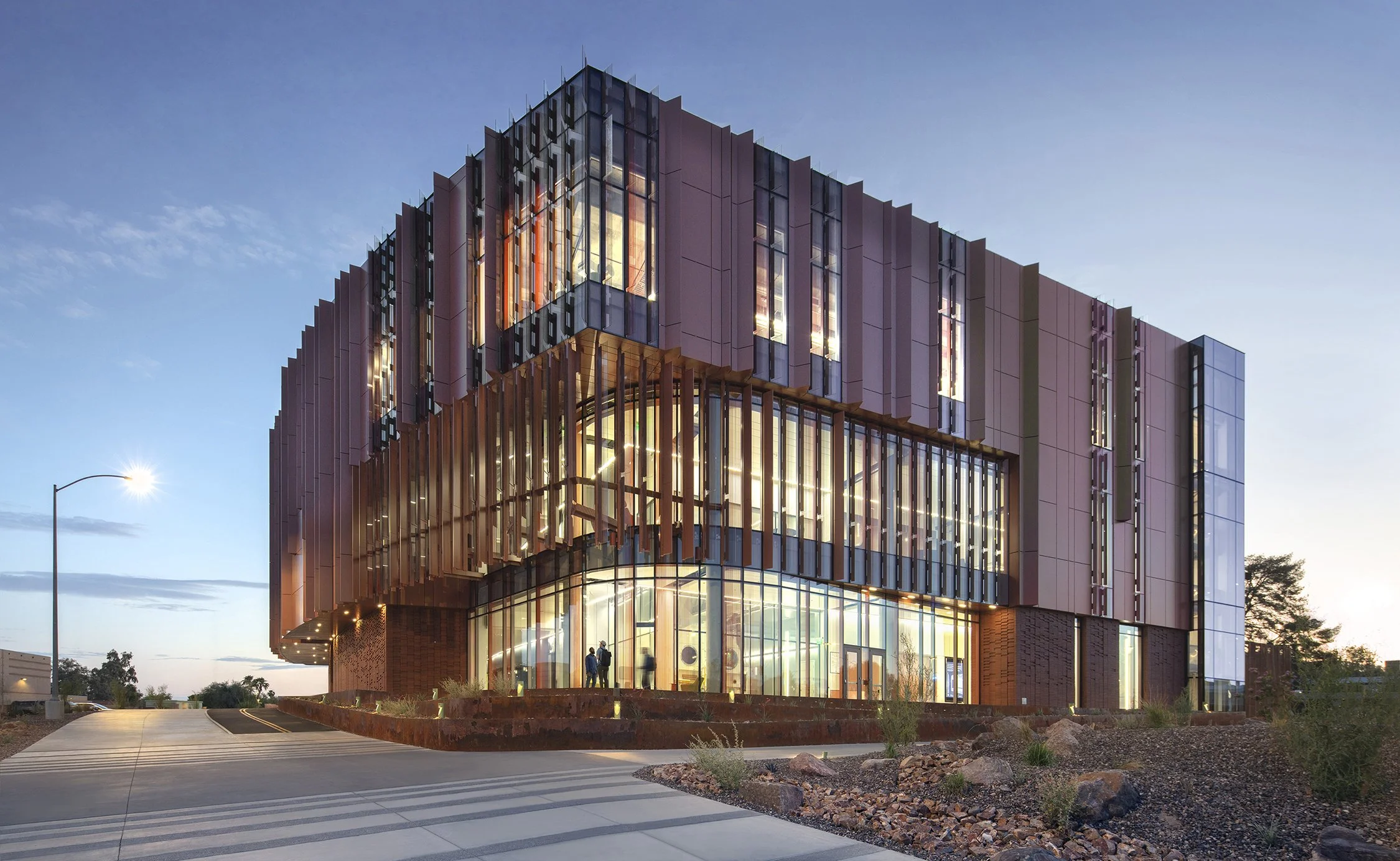
Designing for Complexity: University of Arizona’s Applied Research Building Wins Award for Excellence in Whole Building/Holistic Design—New Build
The University of Arizona’s Applied Research Building, recognized with a 2025 Design Excellence Award, showcases a mission-driven, adaptable approach to lab design, supporting specialized research in space science, imaging, and high-bay integration while offering insights for planning complex research facilities