
[[bpstrwcotob]]
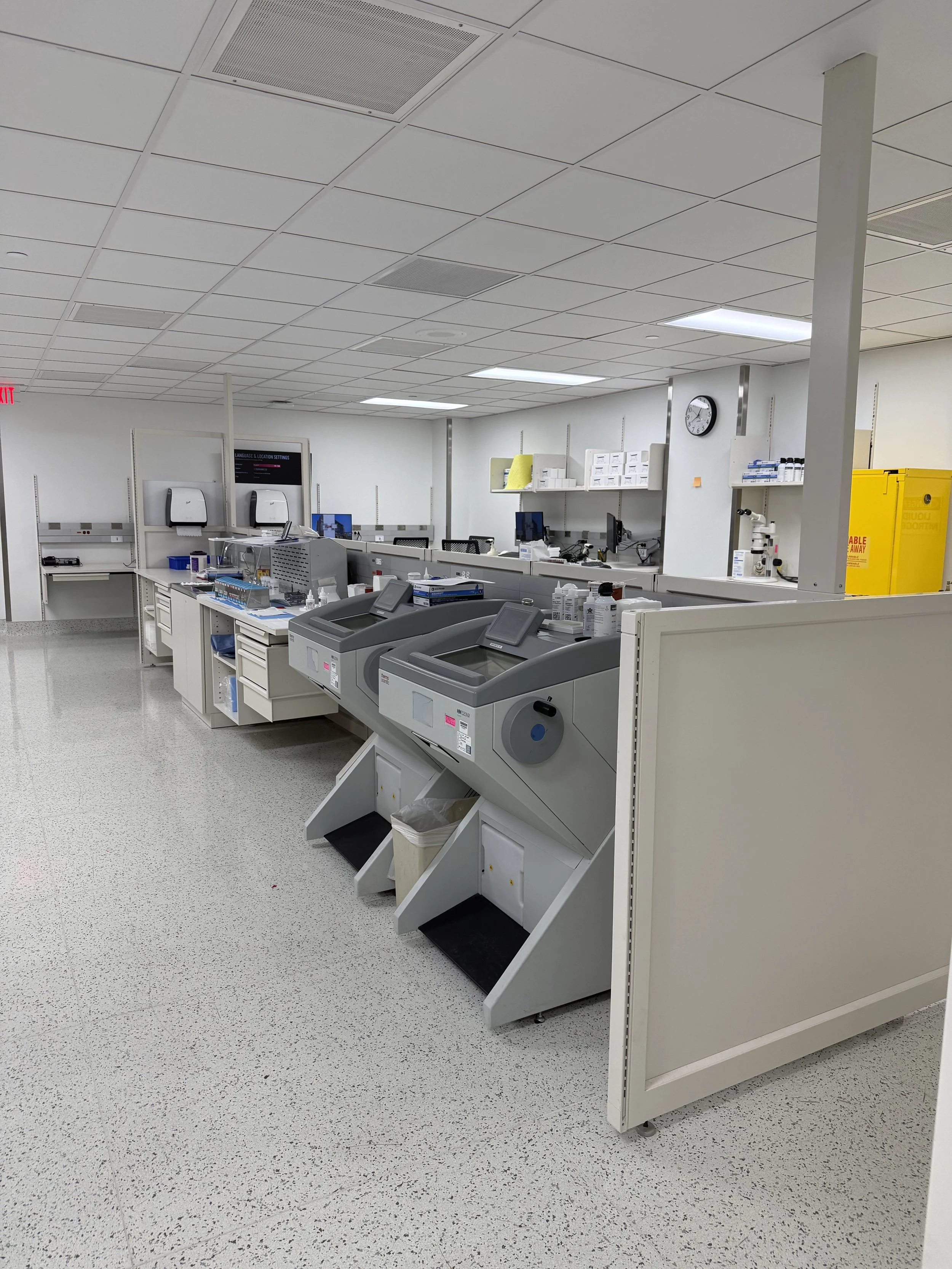
Building a Lab Around What Users Need
For Baptist Health Jacksonville’s Gwendolyn Robles, the process of planning a new central laboratory has meant challenging old assumptions, involving frontline staff, and giving the project team time to get it right
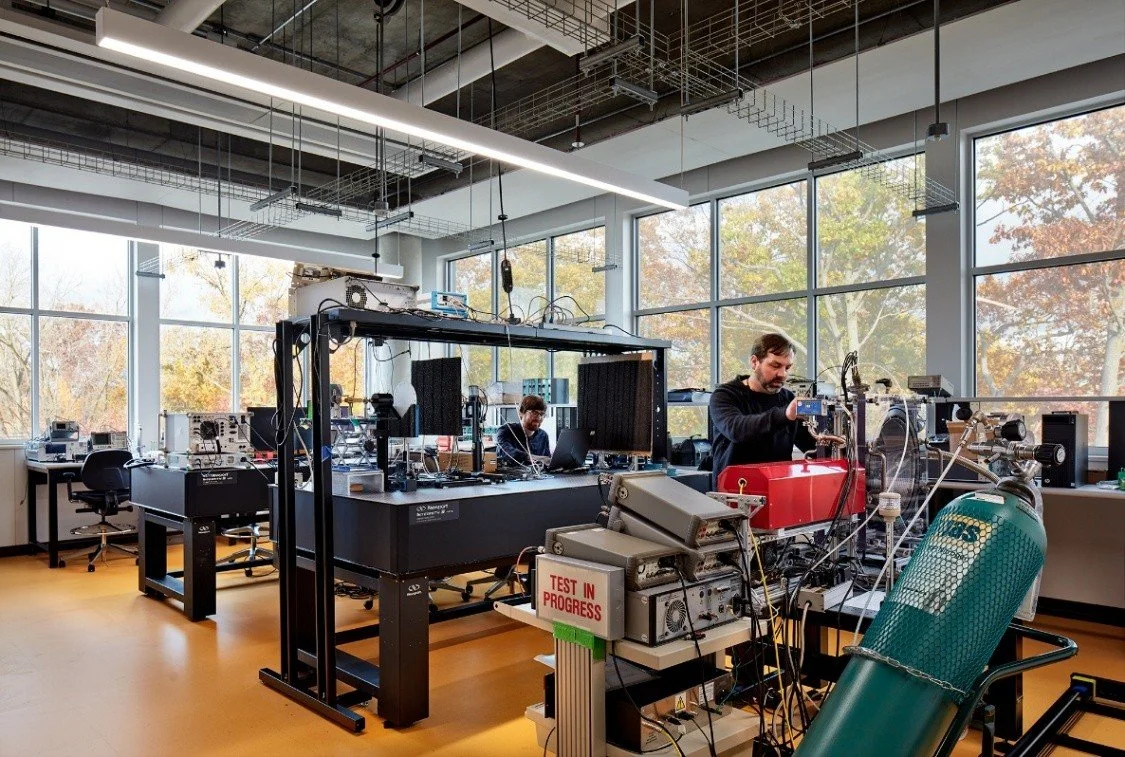
The Quantum Readiness Recipe: Evaluating Facility Needs
As quantum research accelerates, laboratory planners must balance precision engineering, flexible infrastructure, and early stakeholder collaboration to create facilities capable of supporting technologies that have yet to be invented
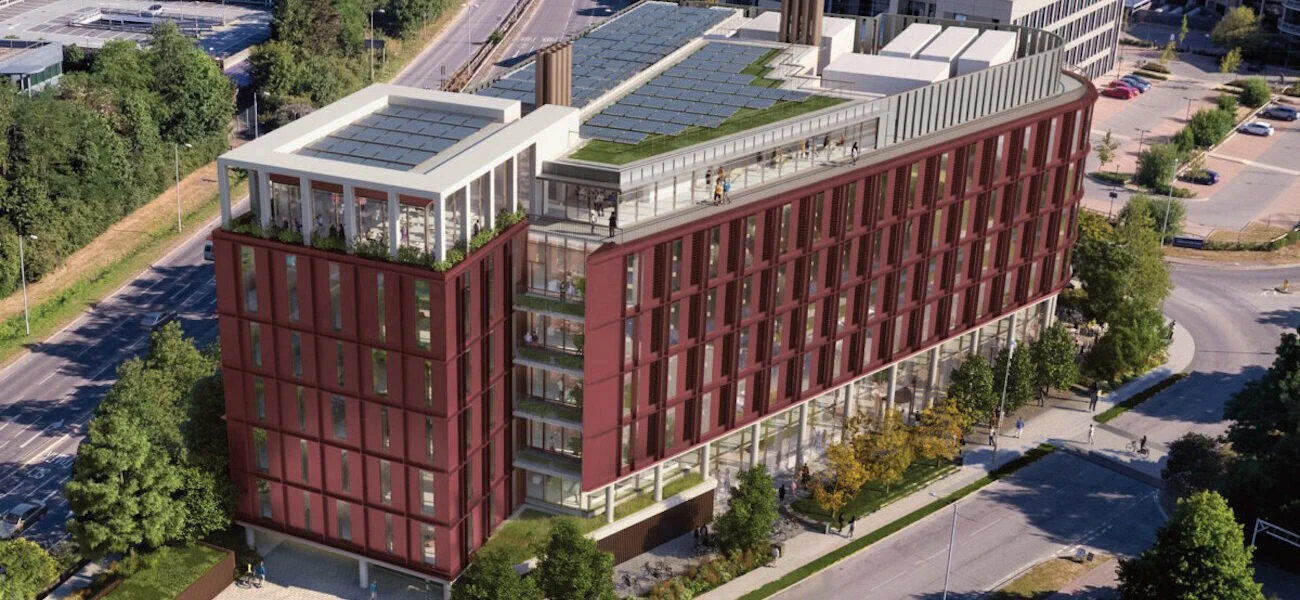
Engineering Collaboration: How Laboratory Design Sparks Scientific Discovery
Although separated by geography and scientific focus, Kadans' newest research facilities in Paris and Cambridge share a common philosophy: thoughtfully designed laboratories and social spaces can create the chance encounters that accelerate innovation
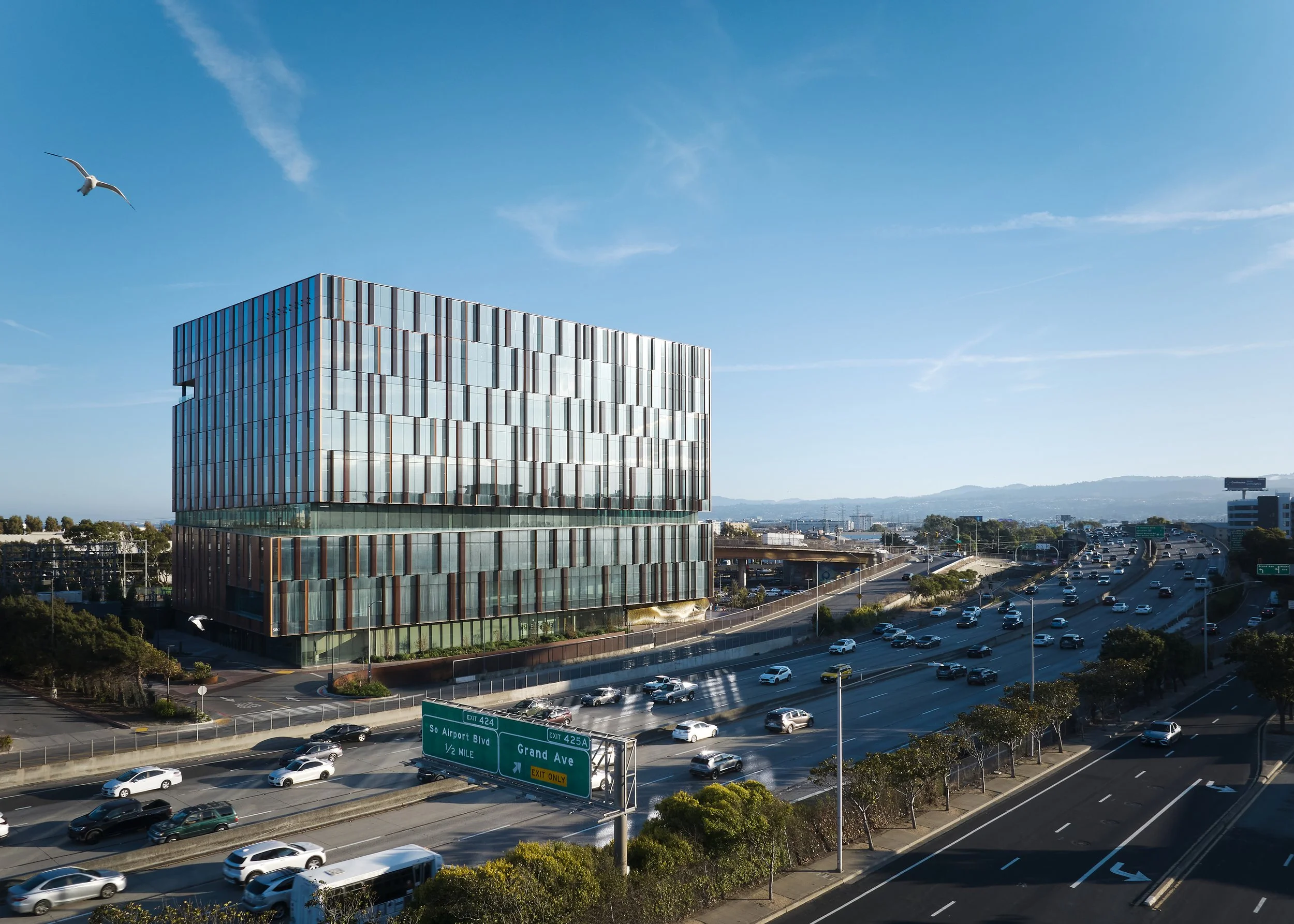
The Rise of the Connected Life Science Campus
As biotech companies rethink their real estate strategies, laboratory developers are shifting away from standalone research buildings and toward flexible, transit-connected innovation districts designed to attract both tenants and talent
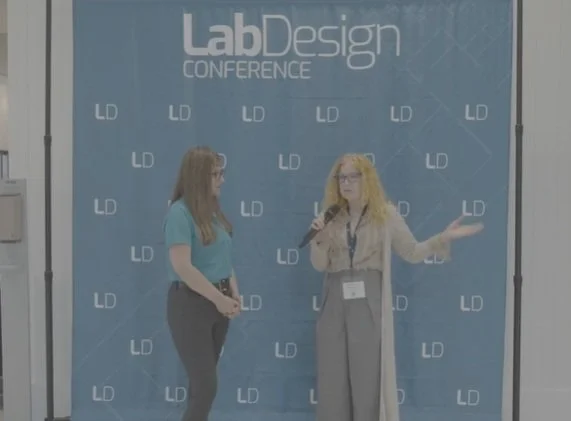
Lab Projects Face a Growing Range of Challenges: On the Floor at the Lab Design Conference
From funding and flexibility to hazardous materials and employee needs, HED’s Marilee Lloyd explores the challenges facing laboratory projects and the value of learning and collaborating at the Lab Design Conference
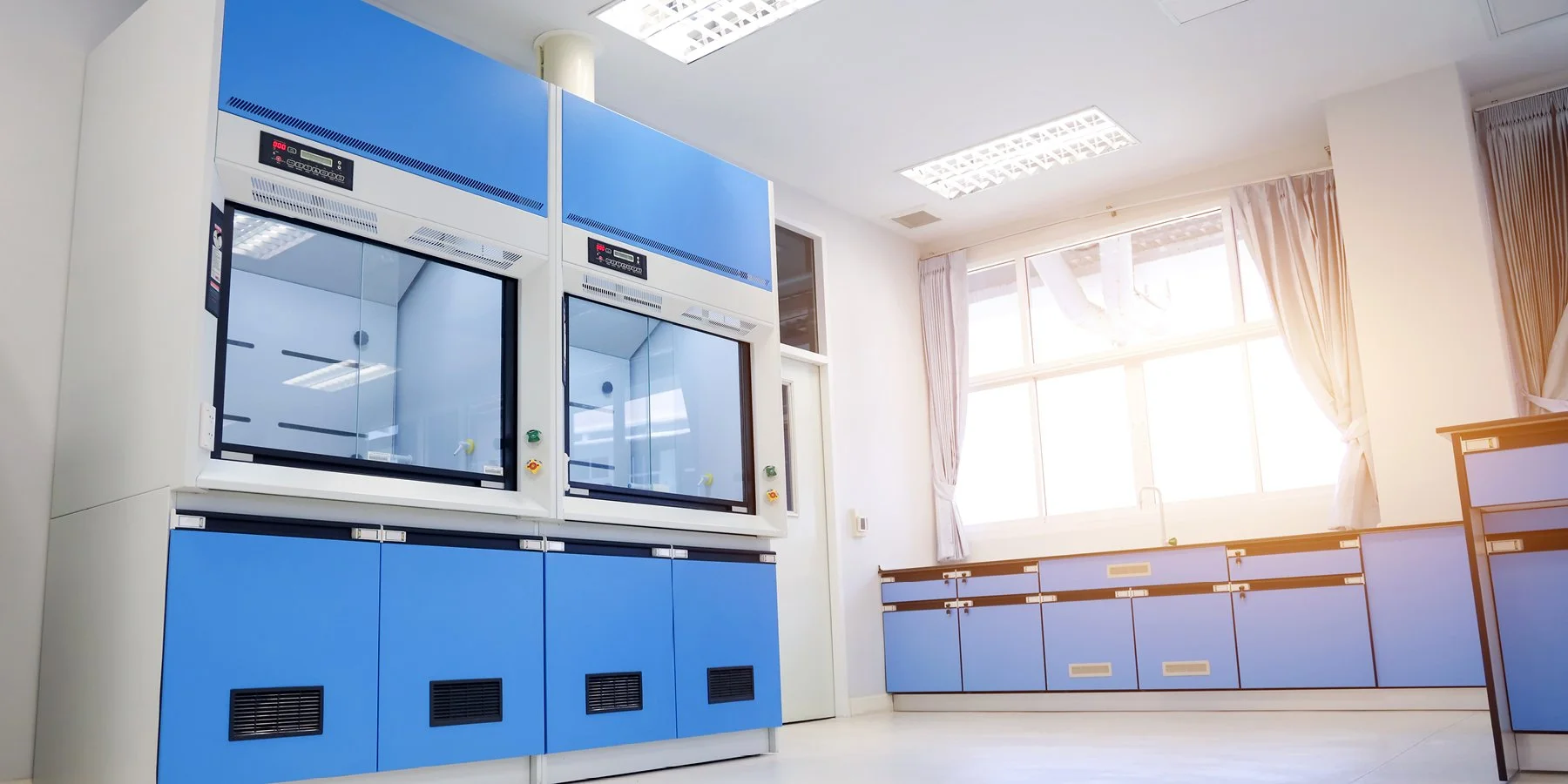
Beyond the Fume Hood: Strategies for Safer, More Efficient Lab Ventilation
Is your laboratory getting the most from its fume hoods? Learn how design, HVAC systems, maintenance, and user behavior can make a difference
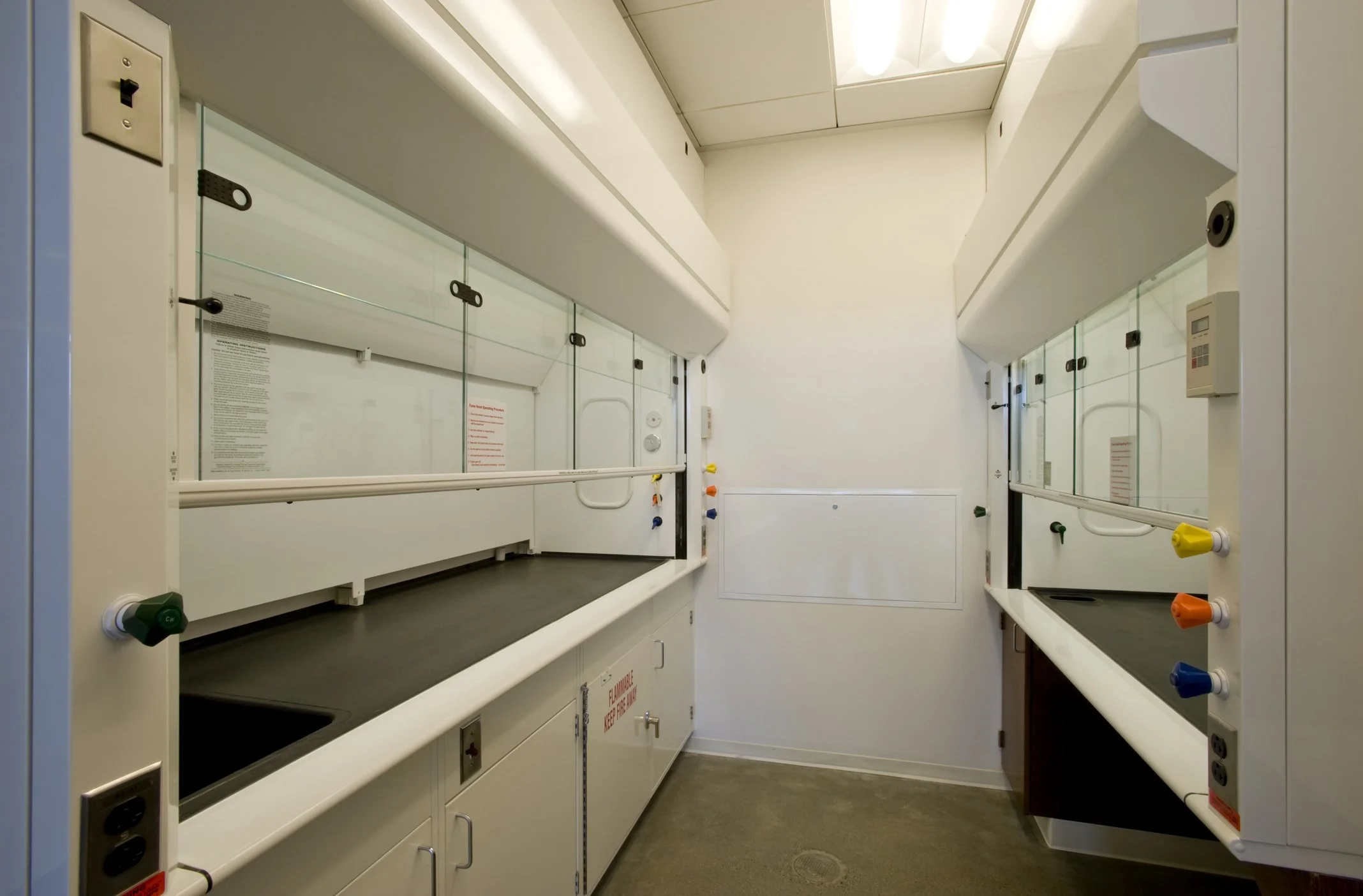
Beyond Equipment: The Hidden Impact of Laboratory Infrastructure
How integrated infrastructure helps laboratories improve safety and sustainability
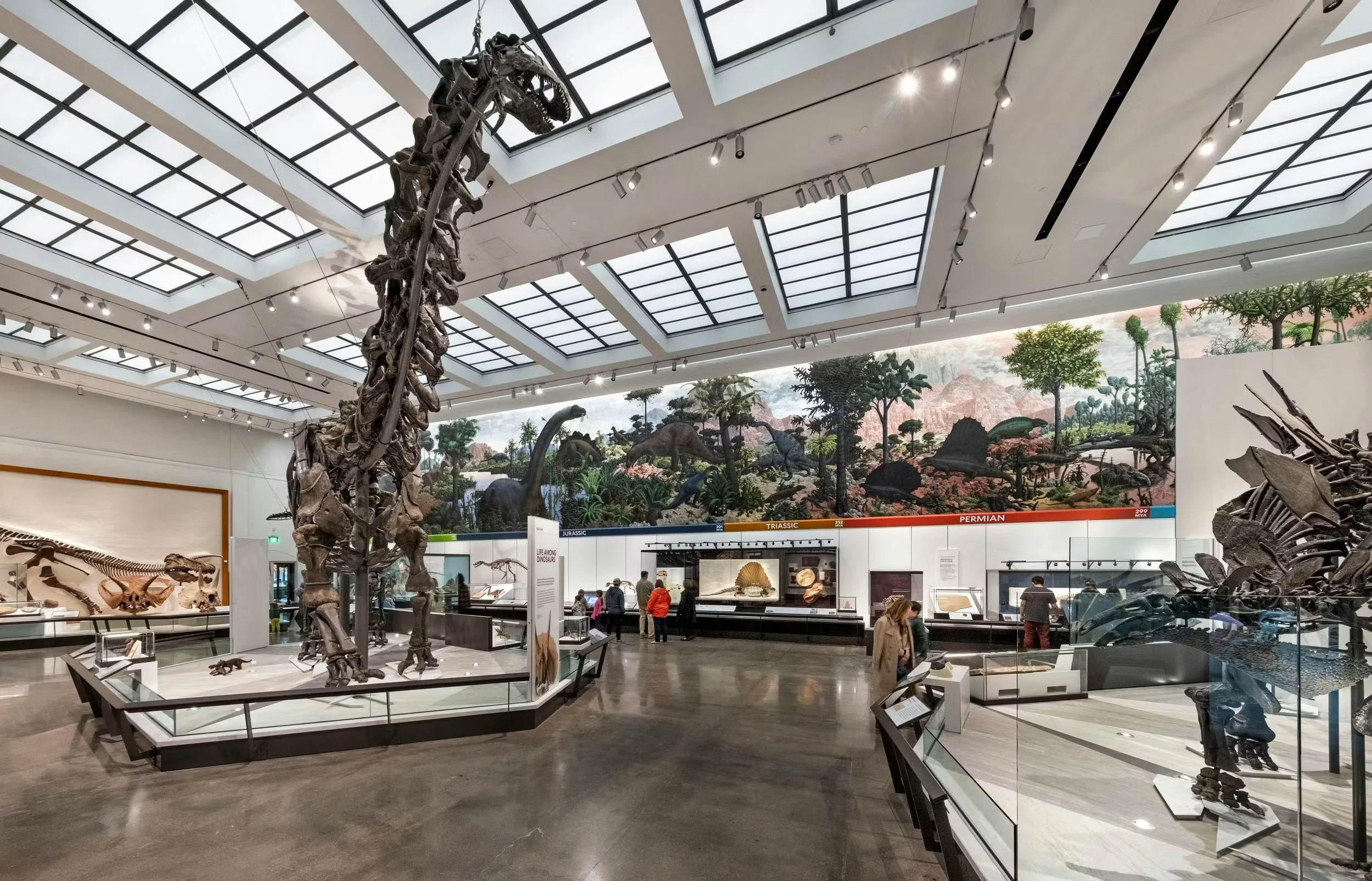
Yale Peabody Museum Expansion Wins AIA Award for Design Excellence
The award-winning Yale Peabody Museum expansion demonstrates how thoughtful laboratory planning, advanced building systems, and historic preservation can come together to create next-generation research environments
What Makes a Lab Building Competitive Today?
Why are some research buildings attracting tenants while others remain vacant?