
Early-Stage Design Lessons Shape New Michigan Geological Repository
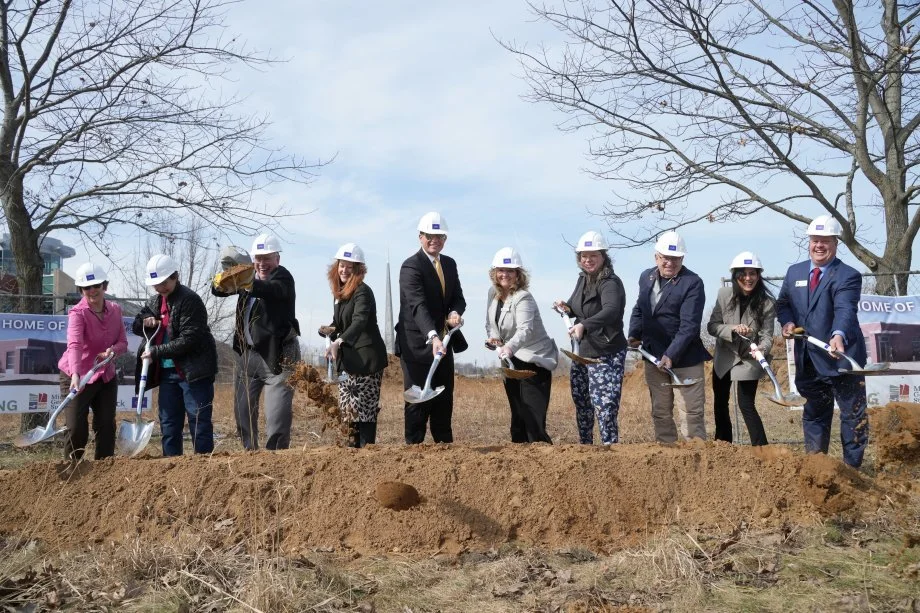
Stakeholders from Western Michigan University and Michigan Geological Survey break ground on the new facility that will expand opportunities for innovative geoscience research. Image: Courtesy of Western Michigan University
A major new geoscience facility is beginning to take shape at Western Michigan University, offering a timely case study in how early-stage planning decisions can define the long-term success of a specialized research building. The 20,000-sf Michigan Geological Repository for Research and Education (MGRRE) will relocate from its current leased facility into a purpose-built home on the WMU Parkview Campus, marking a significant expansion of capacity for one of the state’s most important geological collections.
The project, developed in partnership with the Michigan Geological Survey, is designed to support an extraordinary archive of approximately 600,000 linear feet of rock and mineral core—materials collected over decades from oil and gas exploration, infrastructure projects, and statewide geotechnical studies.
The project team includes Fishbeck (facility design) and AVB (construction manager).
At the March 2026 groundbreaking, stakeholders emphasized not only the scientific value of the collection, but also the opportunity to rethink how such a unique facility should function from the ground up.
Designing around growth, not just current collections
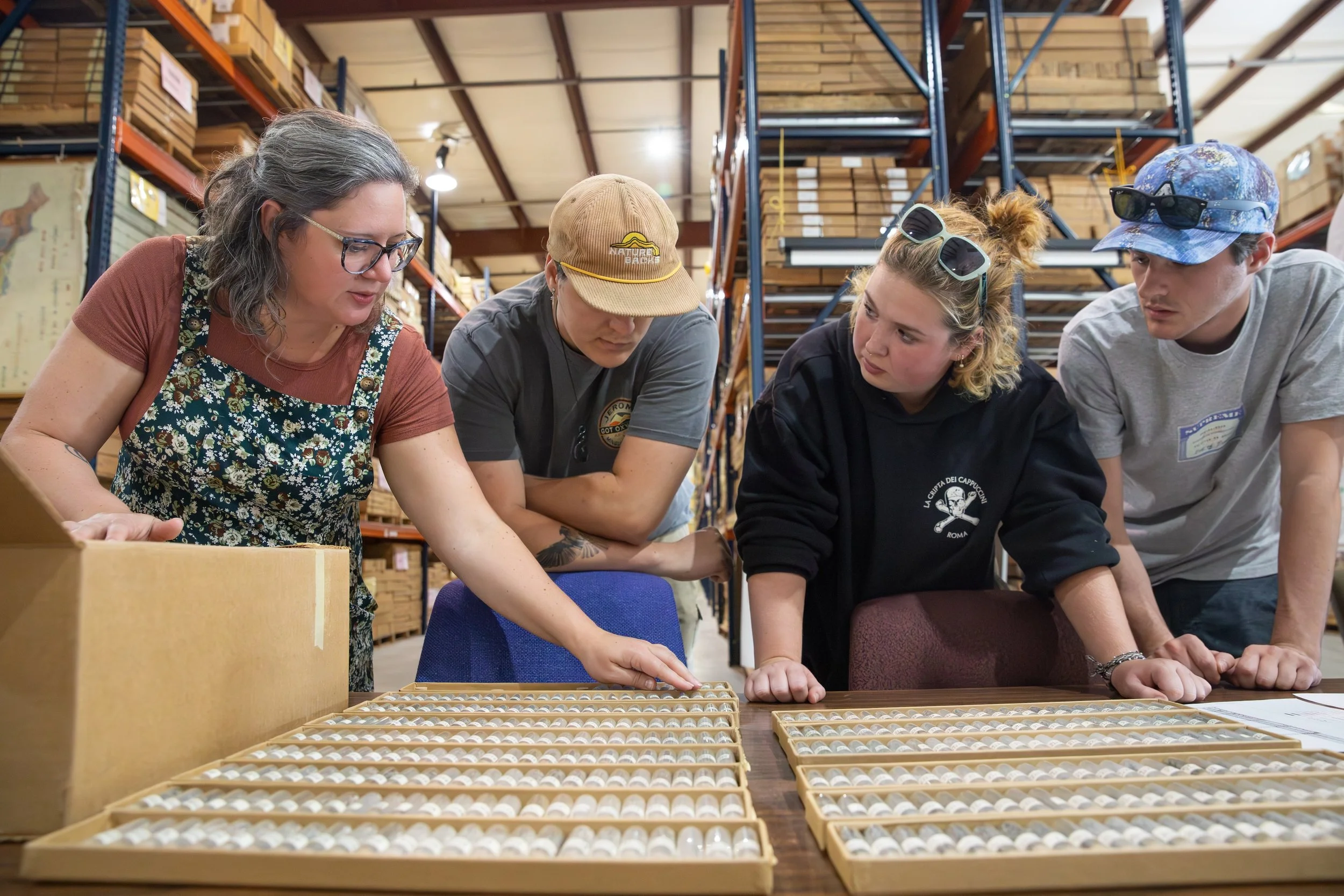
Designed for growth and discovery, the new MGRRE facility integrates flexible storage, expanded lab capabilities, and dedicated research spaces to support continuously evolving geoscience collections and applications. Image: Courtesy of Western Michigan University
One of the clearest early-stage lessons emerging from the project is the importance of designing for continuous expansion. Unlike conventional laboratory buildings, core repositories are dynamic systems—constantly receiving new material while also needing to preserve and re-catalog historic samples.
“We continually acquire new samples, and there are materials stored in other states that we hope to bring back to Michigan,” says Autumn Haagsma, PhD, director of MGRRE and assistant director of the Michigan Geological Survey. “Additionally, the new laboratory spaces enable us to broaden our analytical capabilities, supporting a wide range of research applications across the geosciences.”
This forward-looking requirement has directly influenced programming decisions. The inclusion of a high-density mobile racking system is not just a storage upgrade, but reflects an early recognition that flexibility is essential. Designers have had to anticipate shifting collection sizes, evolving research needs, and potential future acquisitions from across the country.
The transition from a leased off-campus building to a purpose-built facility is also shaping key design priorities. In the current space, limitations around laboratory layout and specialized equipment have constrained certain types of research activity. The new facility introduces dedicated lab areas and a viewing room, enabling both researchers and visitors to engage with core samples in more structured and controlled ways.
“It feels incredible to see this project come to fruition!” says Haagsma. “MGRRE is far more than a data repository; it is a hub of geologic expertise. Our team provides essential knowledge across energy, critical minerals, water, natural resources, mapping, and responsible management of the subsurface through the surface.”
Early coordination between stakeholders is critical
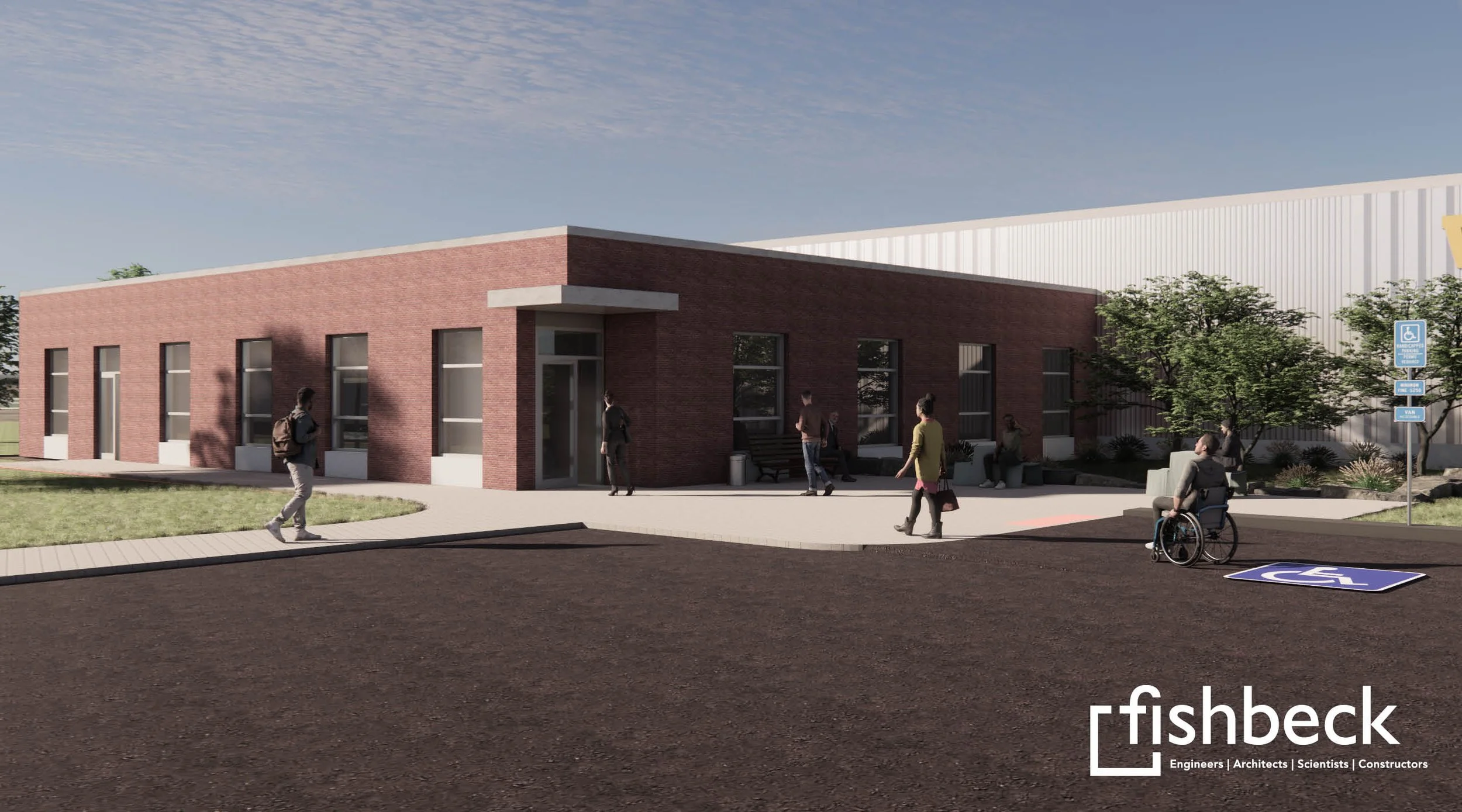
The new facility, depicted in this rendering, will expand storage and research capabilities and incorporate a modern racking system. Image: Courtesy of Western Michigan University
Another key lesson from the early stages of the project is the value of sustained coordination between academic leadership, state agencies, and funding partners. The $8 million project is supported by $6 million in state funding, including contributions secured through both legislative and environmental budget channels. While funding alignment is often discussed as a late-stage milestone, this project demonstrates how early agreement on mission and scope can streamline design decisions later. With stakeholders aligned on the goal of expanding research capacity and improving accessibility, the design team has been able to prioritize features such as expanded storage density, improved analytical spaces, and long-term adaptability.
As WMU leadership noted at the groundbreaking, the facility is intended to strengthen Michigan’s capacity to understand and manage natural resources, groundwater, and geological risk—objectives that require both scientific precision and institutional collaboration.
A defining feature of the new MGRRE facility is its emphasis on student engagement and experiential learning. Rather than treating education as a secondary function, the design embeds it directly into the operational environment of the repository.
Haagsma says, “MGRRE provides hands-on learning opportunities where students engage directly with Michigan’s rocks, samples and geologic data.” This approach presents early design challenges, particularly around safety, supervision, and space sharing. Students, researchers, and visiting collaborators will all interact with the same core materials, requiring clear protocols for access and use. The inclusion of a viewing room is one strategy for balancing transparency with preservation, allowing observation without compromising collection integrity.
Integration with broader campus ecosystems
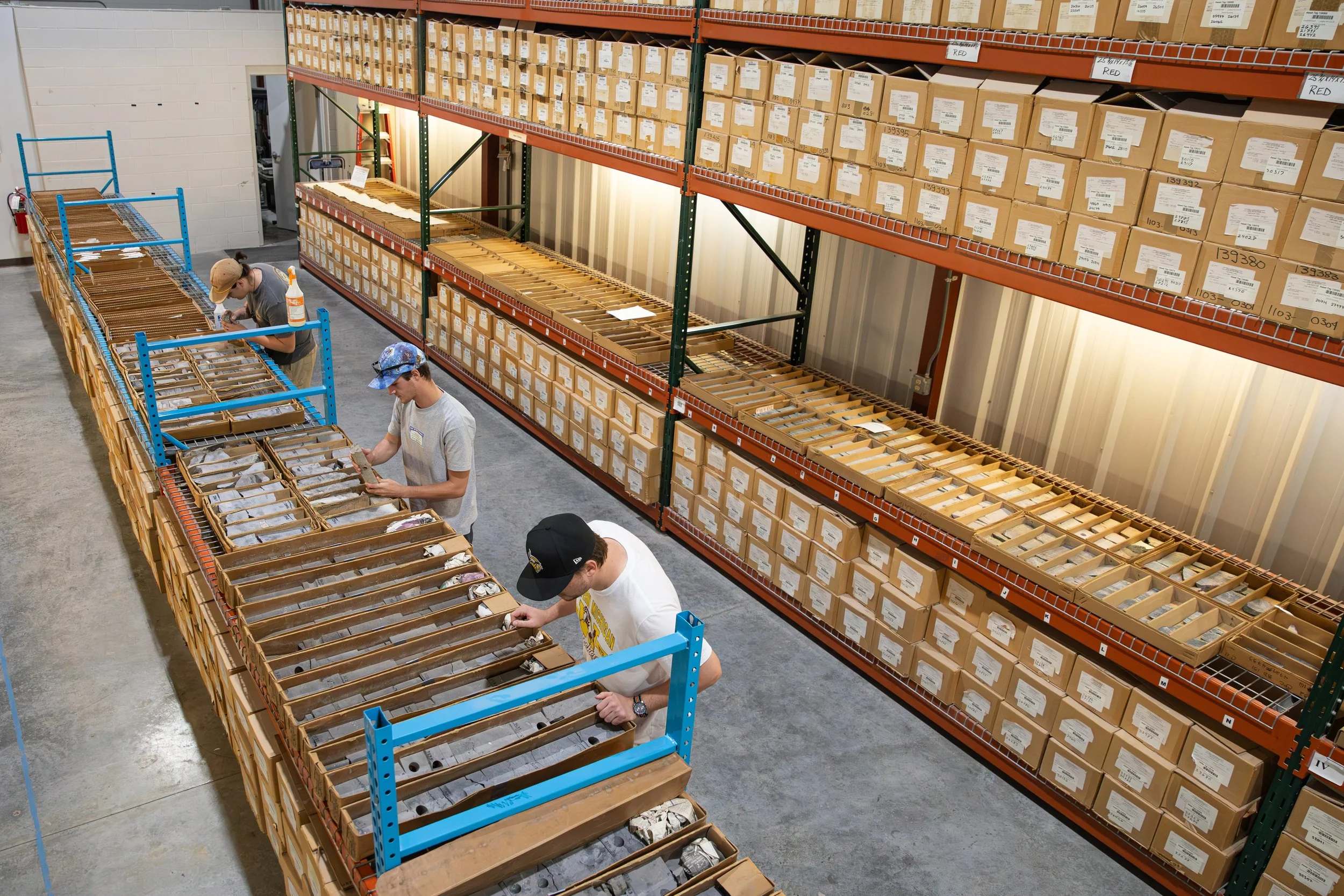
The current facility houses 600,000 linear feet of rock and mineral core. Image: Courtesy of Western Michigan University
The relocation of MGRRE to the WMU Parkview Campus also introduces new opportunities for cross-disciplinary collaboration. Proximity to engineering and business programs is expected to increase engagement with applied research projects, particularly in areas such as critical minerals, carbon capture, and energy systems.
This integration reflects an early planning decision to position the repository not as an isolated archive, but as part of a broader innovation ecosystem. That shift influences everything from meeting space design to data accessibility systems and potential future expansion pathways.
Although construction is still underway, the early-stage planning process for the new MGRRE facility is already offering valuable insights for lab designers and project teams. Chief among them is the importance of treating specialized research infrastructure as a living system—one that must adapt to evolving scientific questions, expanding datasets, and increasingly interdisciplinary collaboration.
Haagsma reflects on the project’s significance: “This milestone would not be possible without decades of hard work by William and Linda Harrison, our former MGS Director John Yellich, and our dedicated industry partners. MGRRE’s value as a statewide and national resource is built on the generous contributions of materials from industry, state agencies and private donors.”
In many ways, the new facility is both a culmination and a beginning. While it honors decades of collected geological knowledge, it is also being designed to accommodate the next century of discovery. For those involved in its planning, the project underscores a central lesson in lab design: the earliest decisions about flexibility, collaboration, and mission clarity are often the ones that shape a facility’s impact for generations.