
[[bpstrwcotob]]

Grow Without Building: Labs Embrace Smarter, Scalable Upgrades
The U.S. life sciences real estate sector is shifting from expansion to optimization, as companies respond to slowed leasing and rising biomanufacturing demand by investing in low-cost upgrades and smarter space utilization rather than new construction, all while preparing for future flexibility and scalability

“Wait, This Isn’t What We Asked For”: A Lab End User’s Checklist for Successful Projects
Lab end users often have little say in design projects despite being most affected, but Dwayne Henry’s experience at Montgomery College—which he shared at the 2025 Lab Design Conference in Denver—shows that early involvement, clear communication, and ongoing engagement improve outcomes and help avoid costly mistakes

Boise State’s New Science Building Models Inclusive, Collaborative STEM Design
Boise State University is advancing STEM education with a new interdisciplinary science building—planned to open in 2029—that was shaped through extensive stakeholder input, strategic site selection, and a focus on flexible, inclusive spaces designed to support collaboration, accessibility, and growing student enrollment

Just a Few More Days to Submit Your Lab Design Conference Proposal!
If you’ve led a lab project and learned something others should know—whether through a challenge, a success, or a lesson hard-earned—the 2026 Lab Design Conference is your chance to share it

South Jersey’s Aerospace Future Takes Flight with Topping Off of NARTP Innovation Center
The topping off of Building No. 2 at the National Aerospace Research & Technology Park marks a major step toward establishing South Jersey as a hub for aerospace innovation, providing state-of-the-art space for research, collaboration, and workforce development

Scaling Lab Space with Purpose: Bigelow’s Takeaways
Bigelow Laboratory for Ocean Sciences’ new Harold Alfond Center for Ocean Education and Innovation exemplifies mission-driven, flexible growth, with a 25,000-square-foot expansion that prioritizes user-informed design, marine-specific infrastructure, and adaptable spaces to support evolving research, education, and community engagement needs

Designing for Uncertainty: How Lab Facilities Can Stay Resilient Amid Shifting Priorities
2025 Lab Design Conference keynote speaker Jim Blount urged attendees to embrace flexibility and data-driven strategies as essential tools for navigating the challenges of shifting research priorities, funding uncertainty, and rising construction costs

What Crime Labs Need Now—and Tomorrow: Insights from Arkansas’ New Facility
The design and construction of the new Arkansas State Crime Laboratory highlight the importance of early user engagement, flexible infrastructure, and careful planning to meet evolving forensic science needs and operational workflows
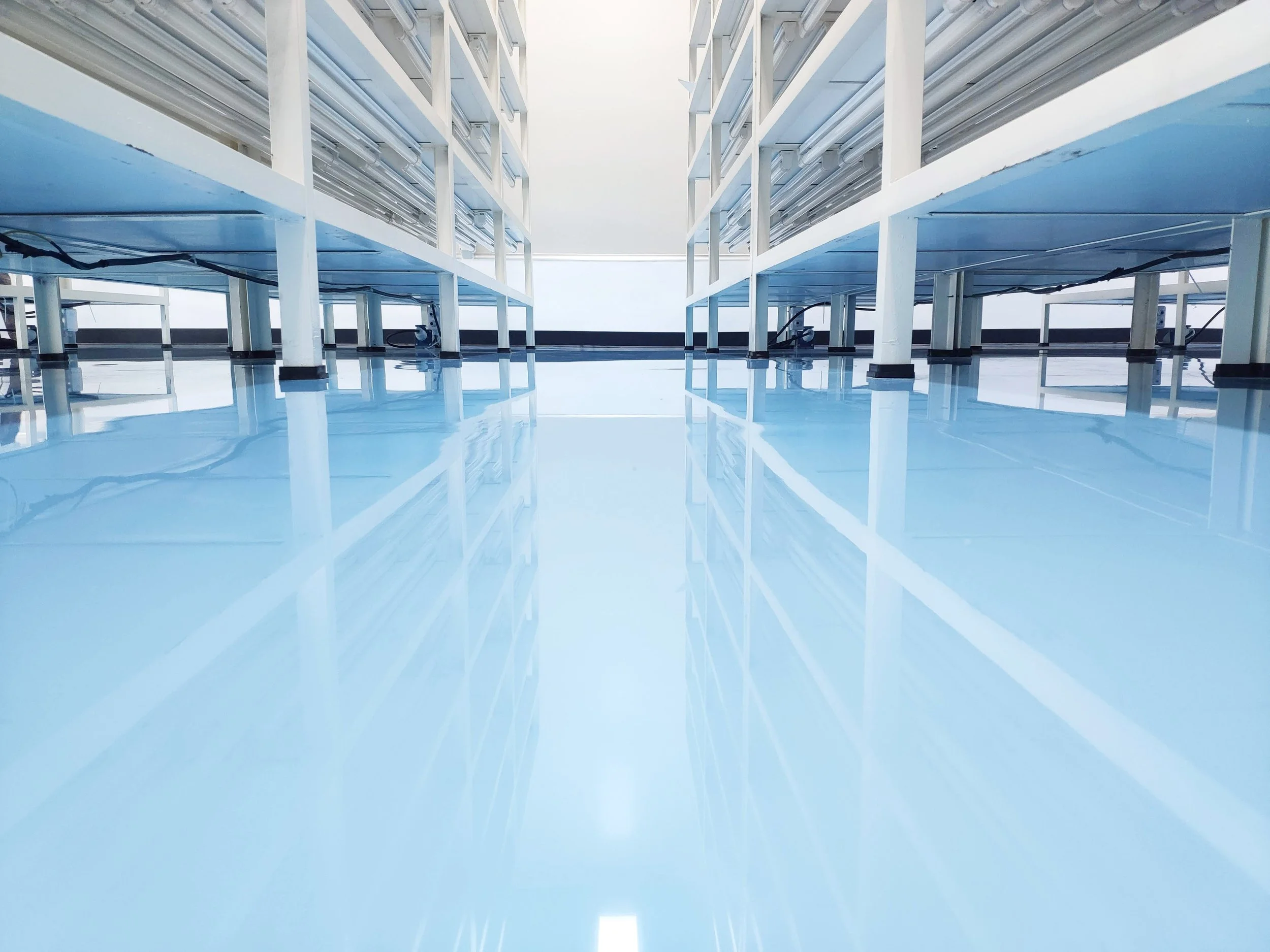
How to Choose the Right Flooring for Your Lab
An industry expert offers practical guidance to help lab end users choose the right flooring by focusing on performance factors, collaborative decision-making, and expert insights tailored to laboratory needs
Design Like a J.E.D.I.: Silent Heroes, Still Waiting: How Mitochondrial DNA Is Giving a Voice to the Missing and Hope to the Families Left Behind
To support the vital work of recovering, identifying, and honoring the remains of missing servicemembers through advanced DNA analysis, forensic laboratories must be purpose-built to enable the precise, contamination-free processing of ancient and mitochondrial DNA—making thoughtful lab design an essential foundation for reuniting families with those lost to war