
[[bpstrwcotob]]
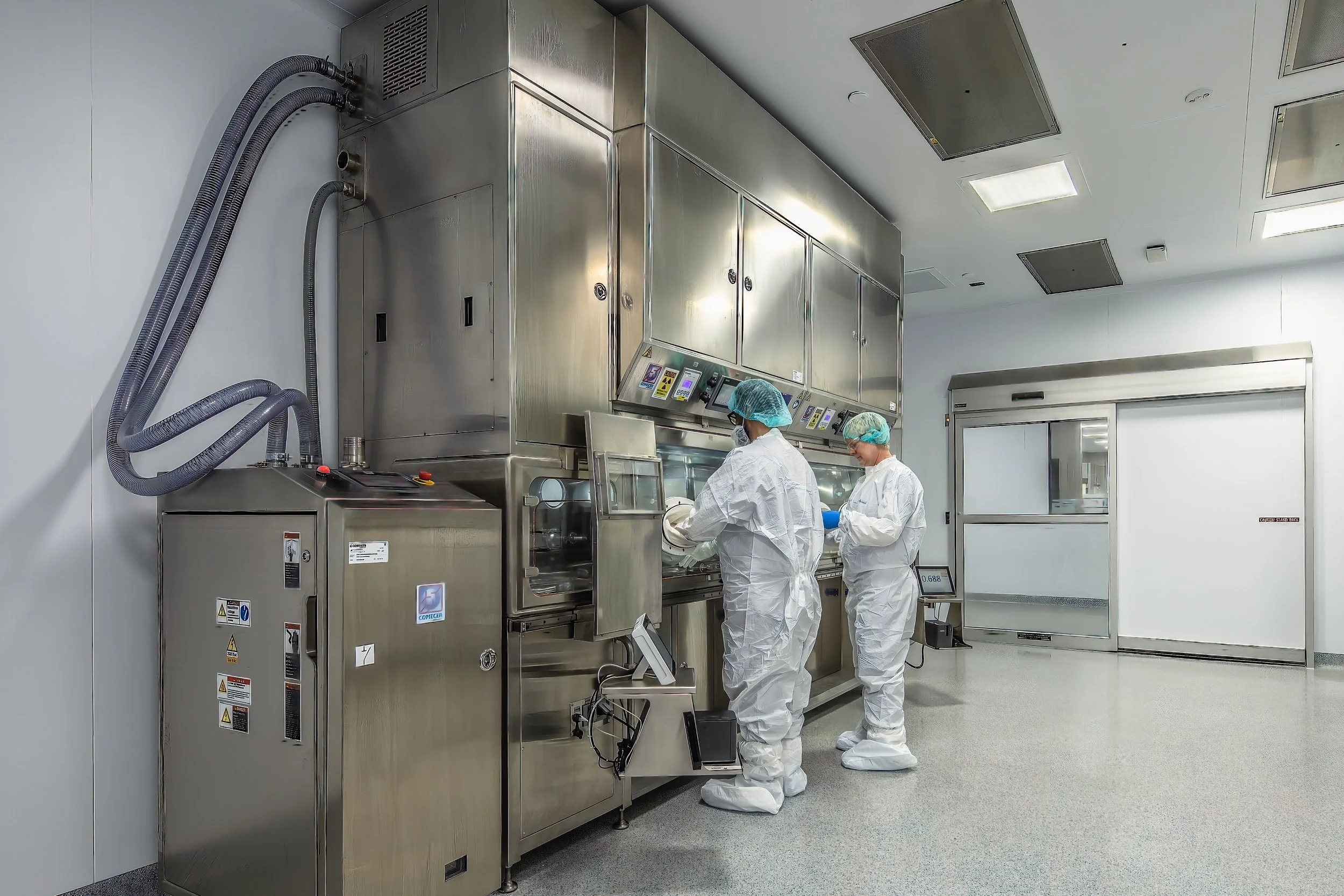
Designing Against the Clock: How Isotope Half-Life and Chemistry Shape Radiopharma Facility Design
The unique time-sensitive nature of radiopharmaceuticals—driven by the physics of radioactive decay—shapes every facet of facility design, offering lab planners, architects, and lab managers detailed guidance on how to align site selection, workflow layout, infrastructure, and safety systems
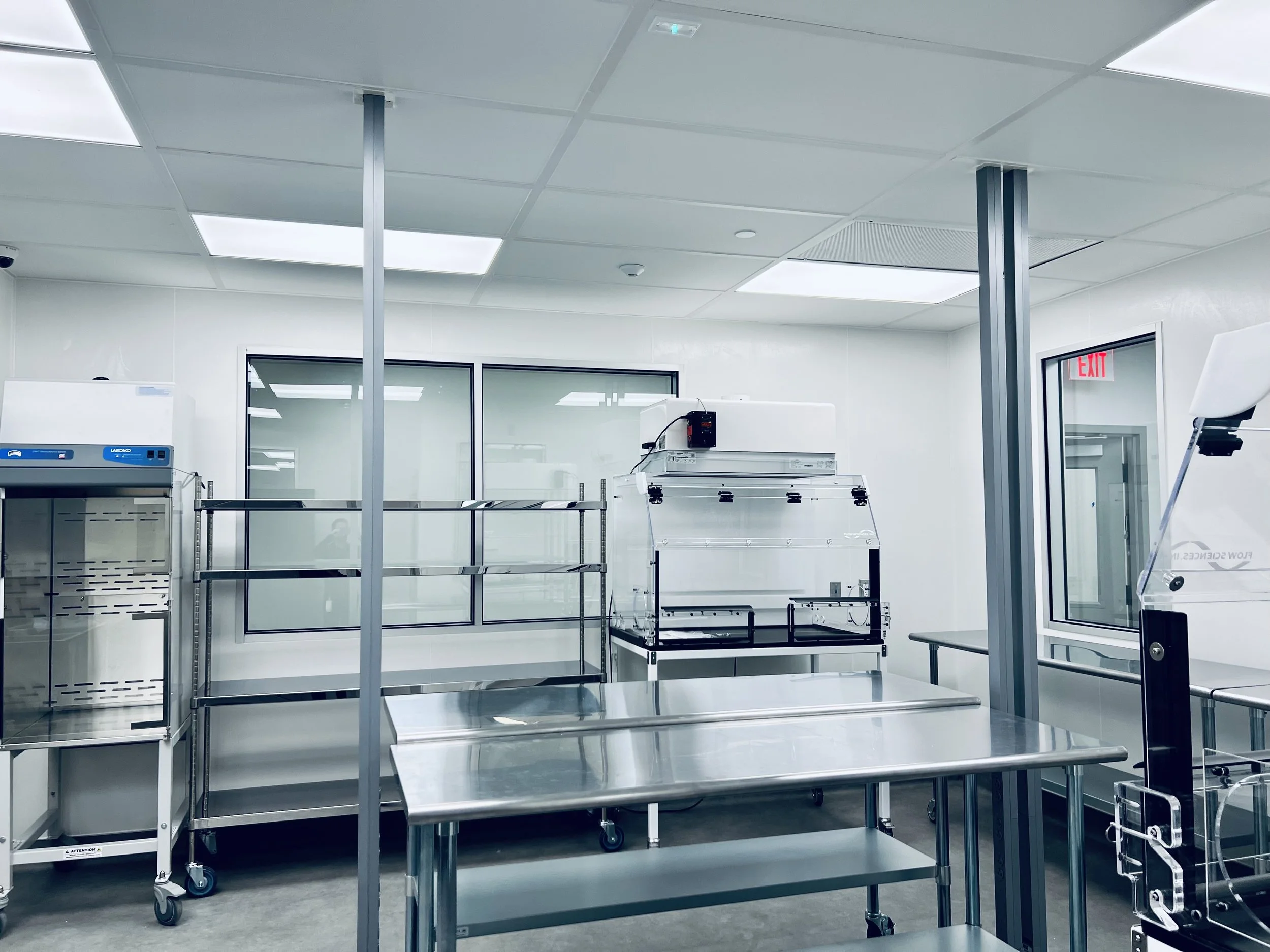
Right Idea, Wrong Building: Navigating the Unintended Consequences of USP <800> Compliance
When designing a compounding pharmacy, failing to assess a building’s structural, mechanical, and electrical feasibility before committing can lead to costly obstacles to USP compliance

Grow Without Building: Labs Embrace Smarter, Scalable Upgrades
The U.S. life sciences real estate sector is shifting from expansion to optimization, as companies respond to slowed leasing and rising biomanufacturing demand by investing in low-cost upgrades and smarter space utilization rather than new construction, all while preparing for future flexibility and scalability

Strategic Renovation: Updating a QC Lab to Meet Rising API Demands
A recent renovation of a quality control laboratory offers a useful case study in addressing common lab challenges—modernizing outdated infrastructure, improving workflow efficiency, supporting GMP compliance, and enabling future scalability—all while maintaining operations through phased construction and close collaboration with lab users

Navigating the International Building Code’s “New” Requirements for Higher Education Laboratories
Recent updates to the International Building Code, including the introduction of Section 428, allow higher education laboratories to exceed previous hazardous material limits while maintaining Group B occupancy, offering greater design flexibility and alignment with modern lab practices without compromising safety or compliance

Fume Hood Safety Series: What Causes Fume Hood Fires—and How to Prevent Them
Preventing fume hood fires requires prioritizing containment over velocity, maintaining clean and uncluttered hoods, using explosion-proof equipment, conducting regular performance testing, providing thorough user training, and establishing robust emergency procedures

Fume Hood Safety Series: Mitigating Risk in Fume Hood Use: Prevention Is a Bargain
Effective fume hood risk mitigation requires prioritizing containment over velocity, implementing proper training, conducting routine dynamic testing, and fostering a safety culture focused on prevention rather than mere compliance

Fume Hood Safety Series: What to Do in Case of a Fume Hood Fire
Proper training, preparation, and prompt action—lowering the sash, activating alarms, evacuating, and reporting—are essential for effectively responding to a fire in a laboratory fume hood and preventing a minor incident from escalating into a disaster

Fume Hood Safety Series: What Is a Good Metric for Judging a Hood’s Safe Performance?
The true metric for fume hood safety is effective containment under real-world conditions, assessed through dynamic testing like the ASHRAE 110 protocol, rather than relying solely on face velocity measurements

Fume Hood Safety Series: What Makes a Fume Hood Safe?
A safe fume hood ensures user protection through effective containment, regular testing, proper training, and minimizing turbulence, rather than relying solely on face velocity measurements