
Agriculture Lab Set for Long-Awaited Overhaul
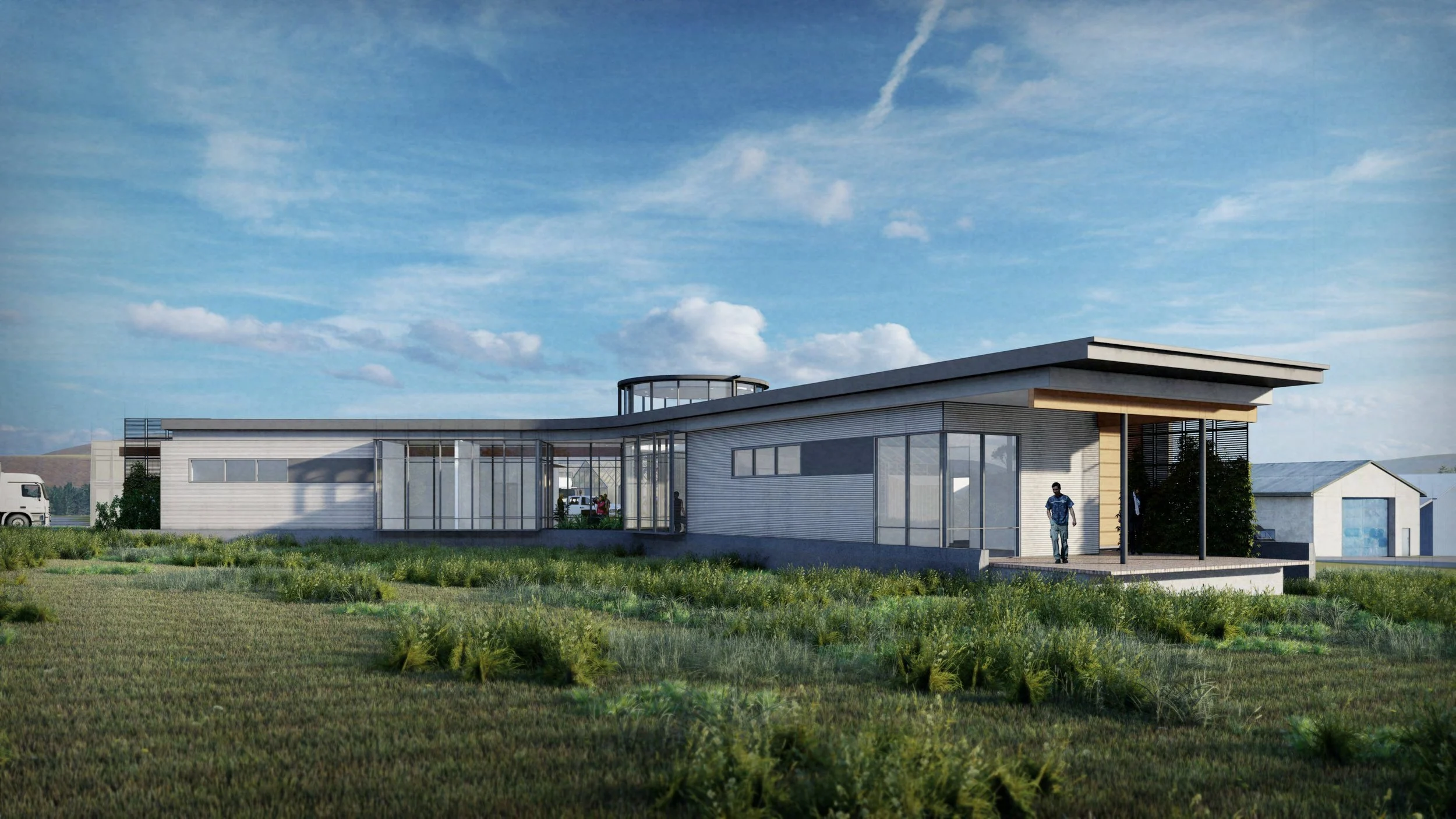
Backed by more than $2 million in state funding, the Washington State Department of Agriculture is advancing long-awaited plans to modernize its Prosser Laboratory, with a new facility designed to support the Fruit Tree Certification and Nematology programs critical to Washington’s agricultural industry. Image: Courtesy of Washington State Department of Agriculture
A long-overdue modernization effort is underway for the Washington State Department of Agriculture’s (WSDA) Prosser Laboratory, as more than $2 million in state capital budget funding has been allocated to support the project’s design phase.
While construction is still more than a year away, the investment marks a significant step toward addressing longstanding facility limitations that have constrained the agency’s ability to support Washington’s critical agricultural industries.
The planned upgrades will center on a new laboratory and office facility to house the WSDA Fruit Tree Certification Program and Nematology lab—two programs essential to maintaining the health and global competitiveness of Washington’s fruit industry. The initiative reflects both the growing demands placed on the lab and the urgent need to replace outdated infrastructure that no longer meets modern standards.
Aging infrastructure, growing challenges
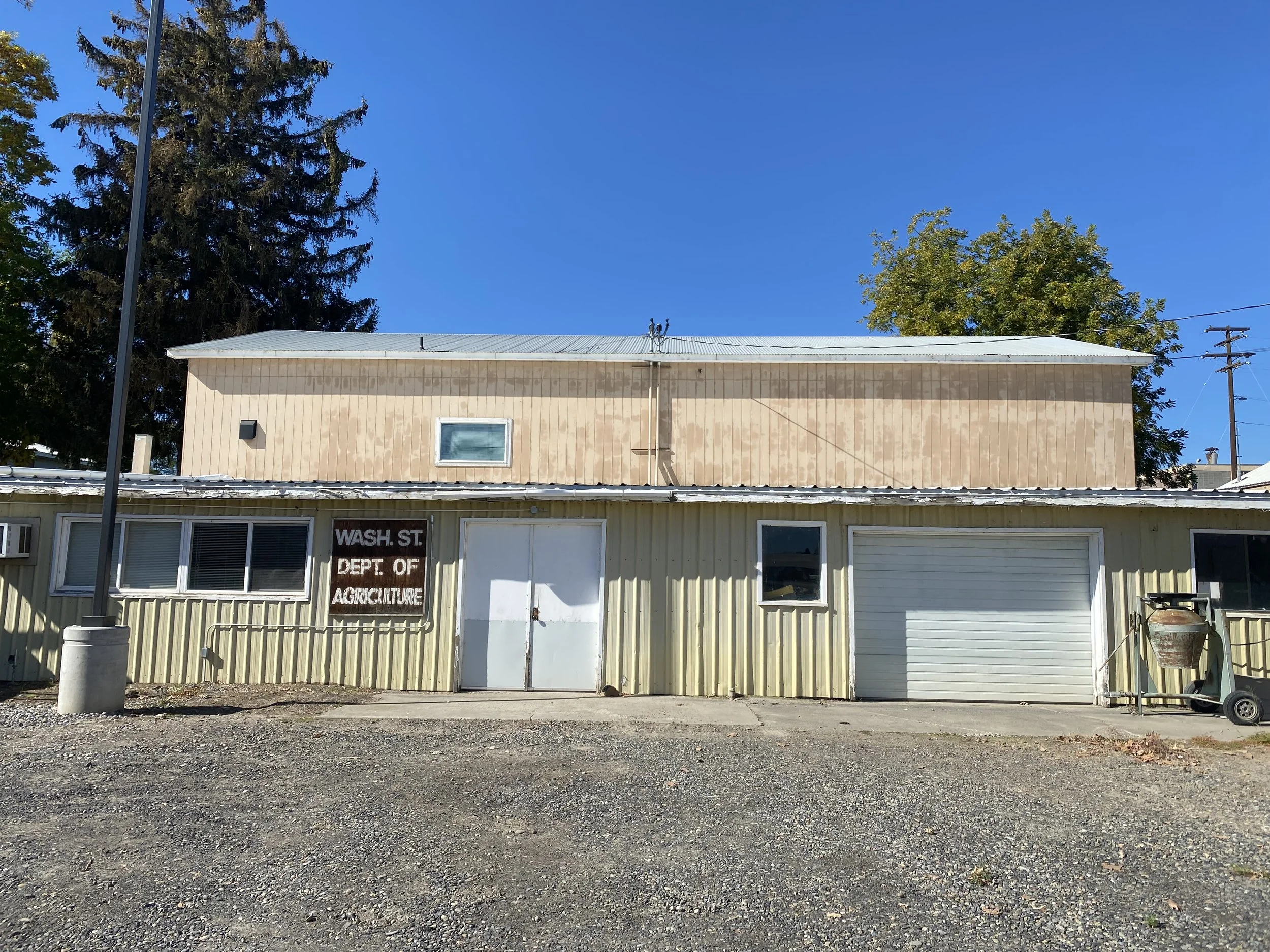
At the Washington State Department of Agriculture Prosser Laboratory on the Washington State University Prosser campus, aging 1930s-era buildings that were never designed for modern laboratory operations underscore the urgent need for facility modernization. Image: Courtesy of Washington State Department of Agriculture
The current lab facilities, located on Washington State University’s Prosser campus, are spread across multiple aging buildings—some dating back to the 1930s. According to Scott Brooks, WSDA plant services program manager, these structures were never designed to support modern laboratory operations.
“The 1930s building where our ELISA and Nematology labs are located was originally a storage structure for farm equipment,” Brooks says. “Over the years, some spaces were enclosed to provide lab and office space, but the structure has exposed HVAC and plumbing, insufficient lighting, and does not meet current standards for staff safety and health.”
In addition to safety concerns, the fragmented layout of the facilities has created operational inefficiencies. Critical lab functions are split between buildings, requiring staff to physically transport samples between locations—sometimes under less-than-ideal conditions.
“Our molecular lab is in a different building from the 1950s, and there are major inefficiencies for staff who need to transport samples between the two buildings, going up a narrow staircase, and [go] through the weather,” Brooks says.
These logistical challenges have become increasingly problematic as testing demands have grown, particularly in response to emerging agricultural threats.
Increasing demand for diagnostic capabilities
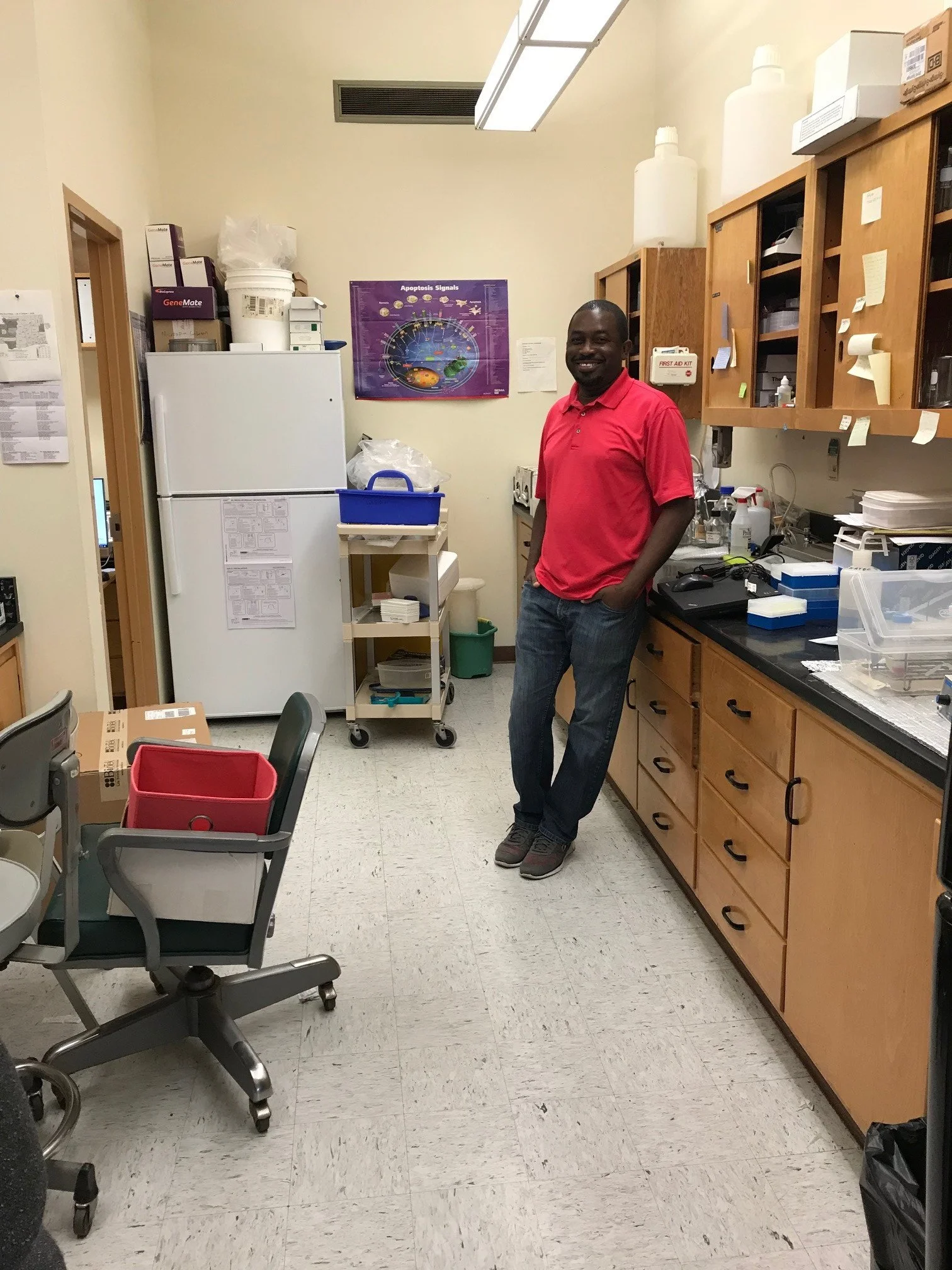
Expanded molecular testing for destructive diseases such as Little Cherry Disease has outgrown aging, dispersed facilities, driving plans for a new purpose-built building that will consolidate operations and better support increasing diagnostic demands. Image: Courtesy of Washington State Department of Agriculture
The WSDA lab plays a vital role in supporting Washington’s $1 billion tree fruit industry, which depends on disease-free planting stock for both domestic production and international export. Through its Fruit Tree Certification Program, the agency monitors and tests tens of thousands of registered trees, ensuring compliance with stringent pest- and disease-free requirements.
In recent years, the lab has taken on additional responsibilities, including molecular testing for destructive diseases—a growing concern for regional growers. However, the current facilities have struggled to keep pace with these expanded demands.
“At the request of the tree fruit industry, we have recently undertaken molecular testing for Little Cherry Disease, which is impacting growers in Washington State,” Brooks says. “We process 3,000 samples every year, and the existing facilities are small and dispersed. We are extremely stretched when conducting sample preparation and diagnostic work.”
Rather than attempting to retrofit the existing buildings, WSDA has determined that a new facility is the most viable path forward. The new facility is expected to alleviate these pressures by consolidating operations and providing modern, purpose-built lab space.
“A new facility will be built. Upgrading the current space is not feasible, although that option was considered,” Brooks says.
The design phase is scheduled to begin in June 2026, following a competitive state bidding process to select an architectural firm. A pre-design study completed in 2020 by ALSC Architects will serve as a foundation for the project. Construction is currently anticipated to begin in July 2027, although a contractor has not yet been selected.
The planned facility will bring together multiple lab functions under one roof, a key priority for improving efficiency and collaboration.
“Having our ELISA, Nematology, and Molecular labs under one roof, along with office space for staff, is important,” Brooks says.
In addition to laboratory space, the pre-design includes a central meeting area intended to facilitate engagement with industry stakeholders—a reflection of the collaborative nature of WSDA’s work.
“The pre-design also calls for a central meeting space, where we can hold meetings with industry stakeholders,” Brooks adds. “Having a modern facility with adequate space to conduct plant certification work is something the agency has envisioned for over a decade.”
Collaboration and stakeholder engagement
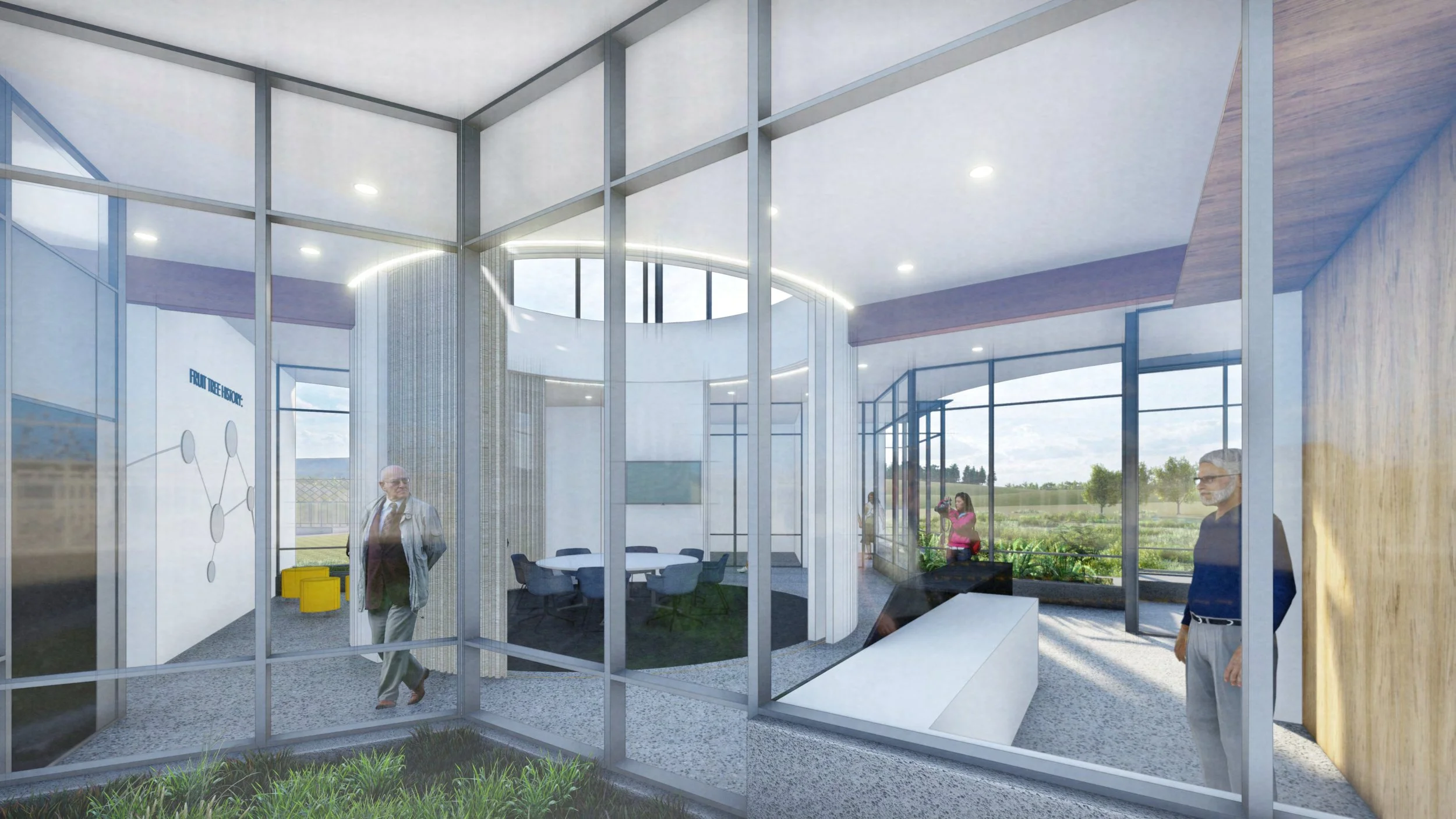
A collaborative effort between the Washington State Department of Agriculture, Washington State University, and regional agricultural stakeholders—supported by industry input and planning partnerships—has been instrumental in advancing funding and shaping the future Prosser Laboratory project. Image: Courtesy of Washington State Department of Agriculture
The project has been shaped by strong collaboration between WSDA, Washington State University, and the agricultural industries that rely on the lab’s services. These partnerships played a critical role in securing state funding.
“WSDA submitted a capital budget funding request in 2025,” Brooks explains. “We worked with ALSC Architects to provide updated construction costs projected out to 2027. We also asked multiple industries we serve for letters of support in our funding request.”
The agency also emphasized the importance of maintaining its longstanding relationship with Washington State University, where the new facility will be located.
“There were also many conversations between WSDA and Washington State University, since the new building will be sited on land WSDA leases at their Prosser campus,” Brooks says. “It’s important to maintain the partnership we have with WSU and keep those ties strong. Both organizations will benefit from the project and these collaborations are critical for our work.”
Looking ahead, WSDA plans to continue engaging stakeholders throughout the design process.
“Our current lab staff will provide input based on the pre-design already completed,” Brooks notes. “We will also get input from other agency programs that have recently moved into new lab spaces. It’s likely we will consult with researchers at Washington State University as well.”
Early-stage risks and long-term vision
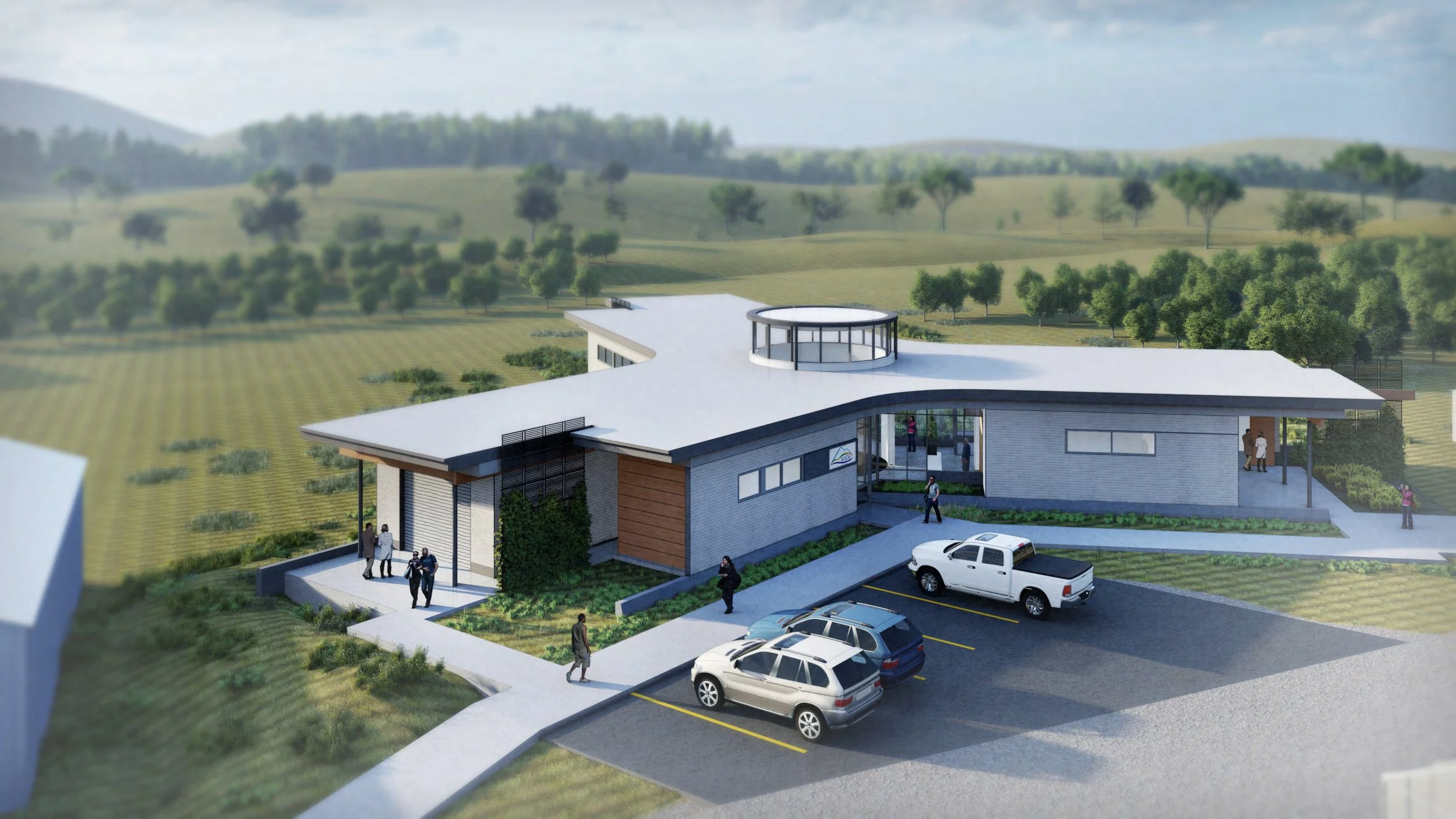
Looking ahead despite potential cost uncertainties, the Washington State Department of Agriculture Prosser Laboratory modernization effort—developed in close collaboration with Washington State University and key agricultural stakeholders—represents a forward-looking investment in strengthening Washington’s agricultural testing and diagnostic infrastructure. Image: Courtesy of Washington State Department of Agriculture
As with any project in its early stages, uncertainties remain—particularly around future construction budgets.
“Costs to build in 2027 may escalate beyond the estimate completed in 2025,” Brooks acknowledges.
Despite these potential challenges, the project represents a forward-looking investment in Washington’s agricultural infrastructure. By modernizing its laboratory capabilities, WSDA aims to enhance its ability to respond to emerging threats, improve turnaround times for diagnostic testing, and better serve the state’s growers.
As the project moves into the design phase, the planned upgrades signal a commitment to strengthening the scientific backbone of Washington’s agricultural economy—ensuring that the tools and facilities supporting it are as robust and forward-thinking as the industry itself.
Brooks emphasizes that collaboration will continue to be a key factor in the project’s success.
“Keep partnerships strong with your stakeholders and communicate often,” he advises. “It takes a team to make a project like this happen.”