
Get the Lab You Really Want—Start with the Right Questions
Planning a laboratory build or renovation is a high-stakes process—one that many lab users, managers, and stakeholders may only go through once or twice in their careers. The decisions made early on shape everything from safety and workflows to long-term adaptability and operational costs.
But even when a lab meets technical requirements and gets the job done, it doesn’t always mean it works well for the people using it. Too often, gaps in early conversations lead to spaces that feel inefficient, uncomfortable, or simply not aligned with how teams actually operate—leaving users with a lab that’s functional, but far from ideal.
One of the most common challenges behind these outcomes is simple but critical: not knowing what questions to ask until it’s too late.
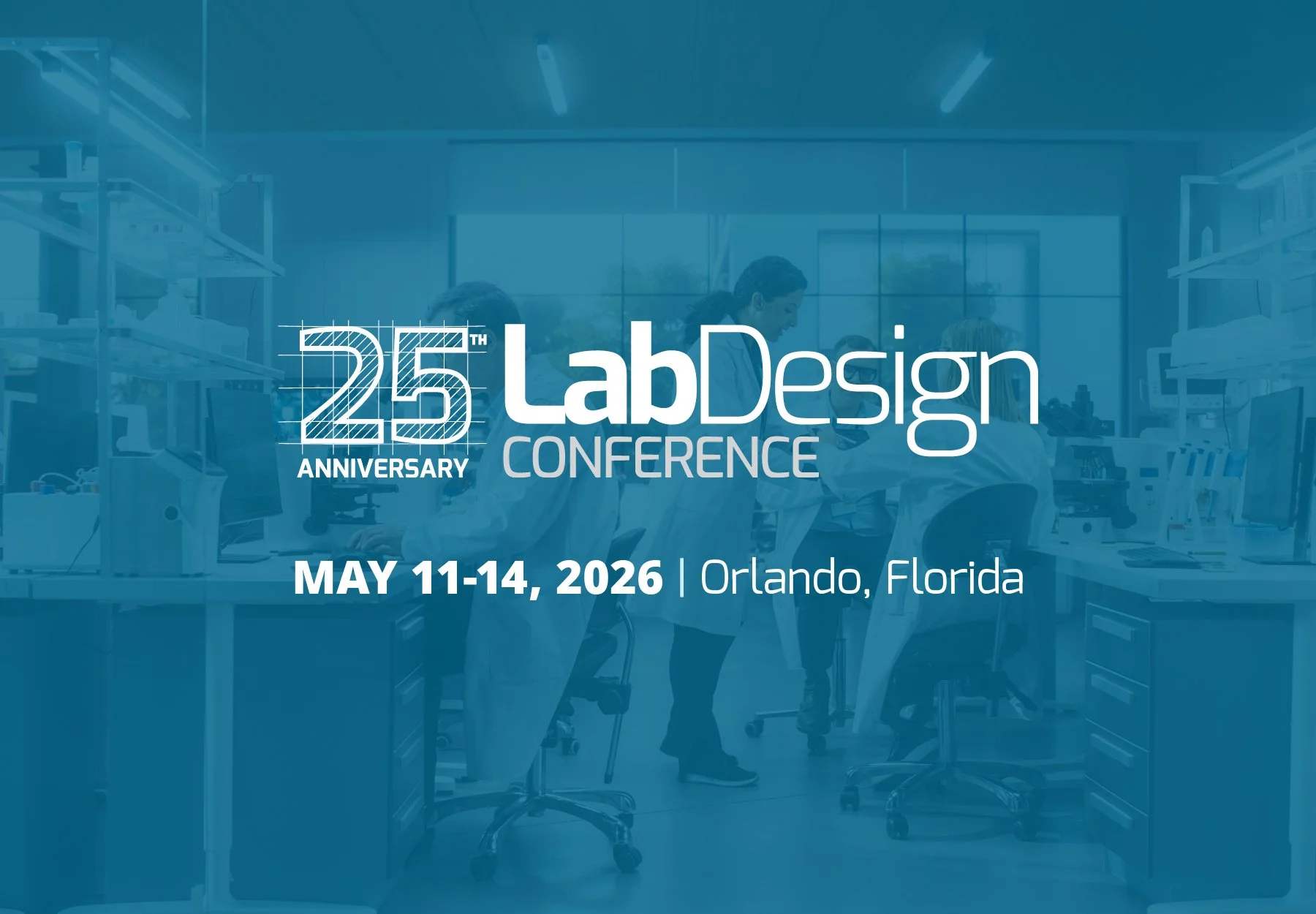
This is exactly what the Lab Design Conference, taking place May 11-14 in Orlando, FL, is designed to address.
Learn from those who’ve done it already
Designed to bring together both sides of the lab design equation—project teams and end users—the conference provides a rare opportunity to learn from those who have already navigated the process. Whether they’re architects, engineers, lab planners, or fellow lab managers and researchers, the speakers and attendees share a common thread: firsthand experience with what works, what doesn’t, and what they wish they had known at the outset.
Avoid costly missteps in your lab project
For many lab users, the biggest risk in a design or renovation project isn’t just budget overruns or scheduling delays—it’s ending up with a space that doesn’t fully support the science. Inefficient layouts, insufficient flexibility, overlooked infrastructure needs, and misaligned stakeholder expectations can all stem from gaps in early planning conversations. These are the kinds of issues that often fall into the category of “I didn’t know what I didn’t know.”
The Lab Design Conference is built to address exactly that. Hear honest feedback from other lab users who were once in your shoes. Talk to planners and designers about the information they really need from you during kickoff meetings. Learn how to advocate for your lab’s needs during the design/build process.
Further reading: Planning a Lab Renovation or Retrofit? Here’s Why You Should Attend the 2026 Lab Design Conference
Turn uncertainty into informed decision-making
Through a mix of educational sessions, panel discussions, and interactive roundtables, attendees gain practical insight into the questions that should be asked at every stage of a project. What should you clarify before engaging a design team? How do you ensure your workflows are accurately translated into spatial requirements? When should you involve key stakeholders—and how do you align competing priorities? What trade-offs are worth making, and which ones will create problems down the line?
These aren’t theoretical discussions. They’re grounded in real projects, shared by professionals who have faced these decisions themselves. Just as importantly, many sessions include perspectives from lab users who have been in your position—offering candid reflections on lessons learned, unexpected challenges, and the decisions they would approach differently next time.
Make the most of in-person connections
Beyond the sessions, the value continues in the conversations that happen throughout the event. The conference environment is intentionally designed to make those exchanges approachable and productive. Attendees can connect directly with project team members, vendors, and peers to ask specific, project-related questions—whether they’re in the early planning stages or already deep into a build or renovation.
For lab stakeholders, this creates a unique opportunity to pressure-test ideas, gather diverse perspectives, and identify potential blind spots before they become costly issues. It’s also a chance to better understand how different partners—from architects to equipment providers—approach problem-solving, helping you build a more informed and aligned project team.
Further reading: Networking at the 2026 Lab Design Conference: Who You Can Meet and What You Can Learn
Explore solutions in the exhibit hall
The exhibit hall adds another layer of practical insight. Rather than simply showcasing products, it serves as a space for focused discussions about systems, technologies, and solutions that may impact your facility. Bringing your project questions into these conversations can help clarify options and uncover considerations that might not surface in a traditional planning process.
Build confidence for your next lab project
Ultimately, attending the Lab Design Conference is about more than gathering information—it’s about gaining confidence. Confidence that you’re asking the right questions, engaging the right partners, and making decisions that will support your lab’s success for years to come.
Because when it comes to designing a laboratory, what you don’t know can hurt you—but learning from those who’ve been there before can make all the difference. Get your ticket today!