
A New Standard for Anatomy Education in Northern Canada
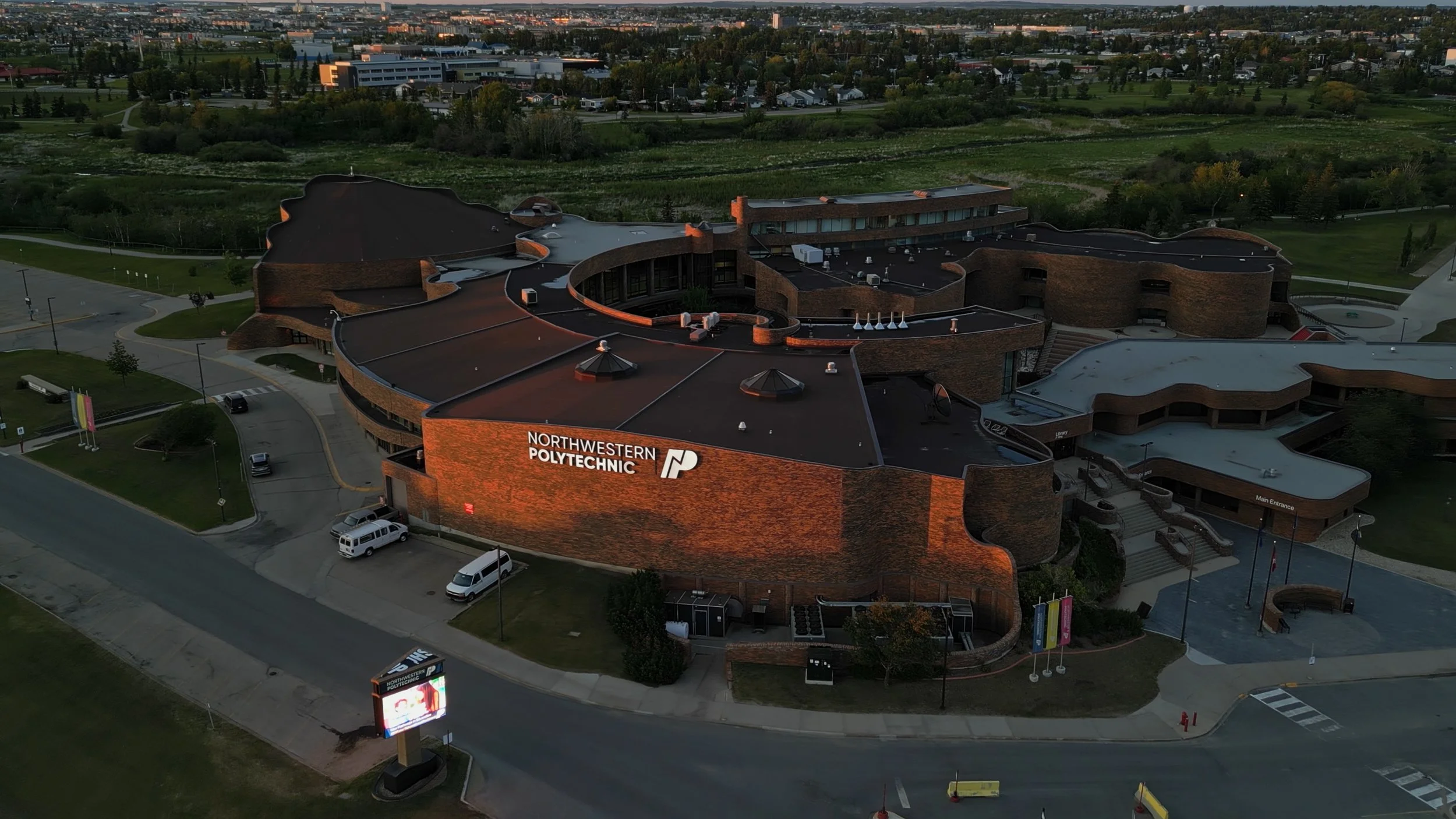
At Northwestern Polytechnic’s Grande Prairie campus, the unveiling of a new anatomy lab marks a significant milestone not only for the institution but also for medical education across northern Canada. Developed in close partnership with the University of Alberta, the state-of-the-art facility supports the Northern Alberta Medical Program (NAMP) and reinforces a shared commitment to expanding access to high-quality medical training in underserved regions.
Positioned within the campus science wing alongside engineering, physics, chemistry, and biology labs, the new anatomy lab was intentionally integrated into a broader ecosystem of scientific learning. This placement reflects a strategic vision: to inspire students pursuing STEM disciplines to see a clear pathway into medicine. At the same time, the lab’s design balances visibility with discretion, recognizing the ethical sensitivities inherent in cadaver-based education.
Designing for pedagogy and practice
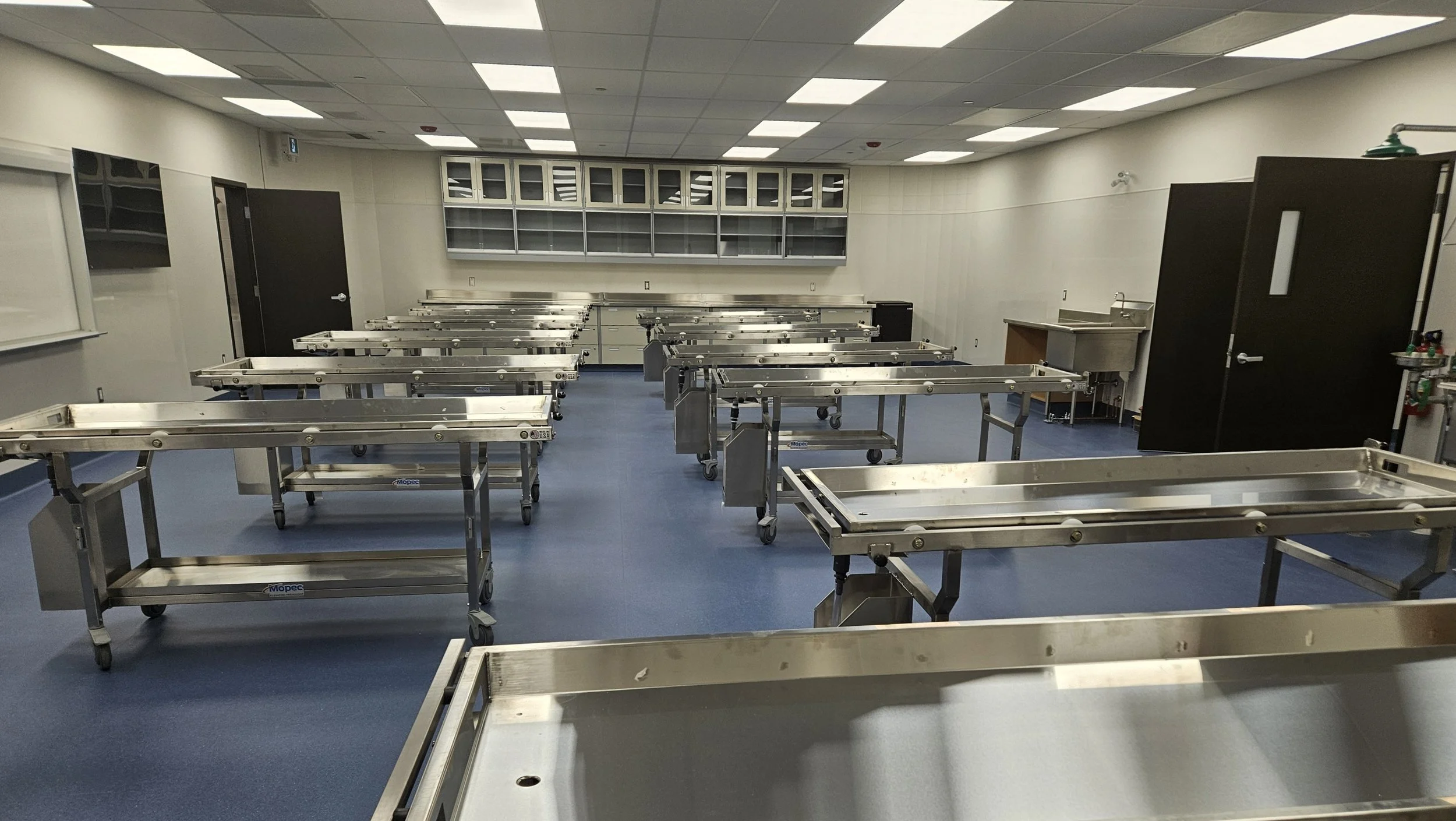
From the outset, the project team—led by design consultant DIALOG—approached the anatomy lab not simply as a technical environment, but as a core teaching space shaped by pedagogy. DIALOG representatives Lauren Staples, design architect; Tai Ziola, partner in charge, and Alex Grams, project manager, tell Lab Design News, “Our approach was grounded in a close connection with the University of Alberta medical program, its faculty (both their anatomy lab and the cadaver lab within the University of Alberta teaching hospital), and their existing anatomy lab facility, recognizing that the space is not simply a technical facility but a core teaching environment.”
This philosophy guided extensive engagement with faculty and instructors, ensuring the lab’s layout and features aligned with how anatomy is actually taught. Staples, Ziola, and Grams emphasize that “early and ongoing engagement with faculty and users was essential to understand how anatomy is taught, how students and instructors move through the lab, and how different teaching modalities.”
One of the project’s central challenges was translating the nuances of cadaver-based instruction into spatial design—this includes “developing a shared understanding of the pedagogy behind cadaver-based instruction and the operational realities of an anatomy lab, including preparation, circulation, visibility, safety, and dignity,” the DIALOG team says. “Translating these educational and functional requirements into spatial, environmental, and technical design decisions required careful listening, iteration, and validation to create a lab meaningfully supports medical education rather than simply housing it.”
Layout, circulation, and sightlines
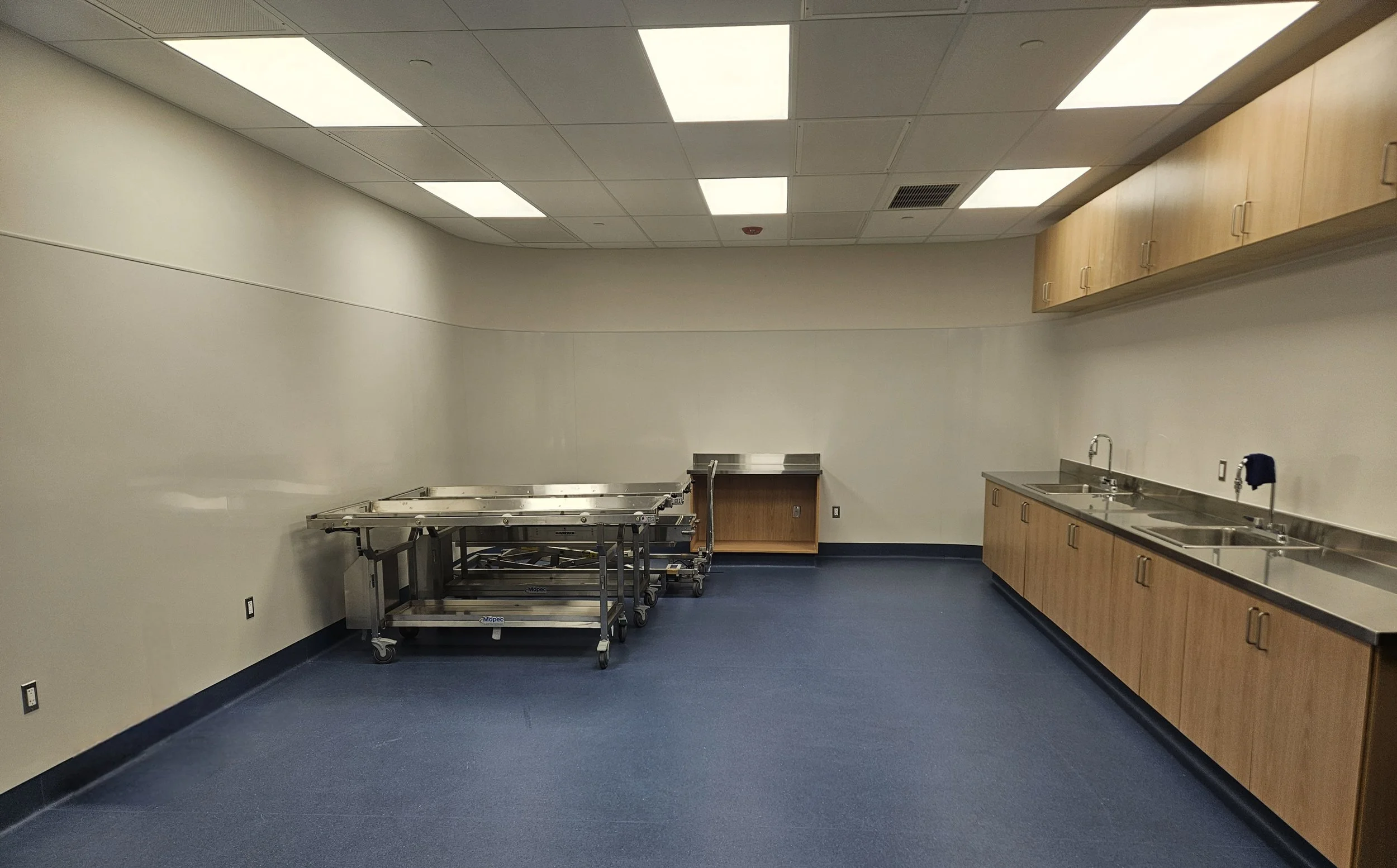
A critical component of the lab’s success lies in its layout and circulation strategy. Drawing on experience at the intersection of healthcare and academic laboratory design, the team conducted detailed process discussions with instructors and program stakeholders. These conversations ensured that the space would reflect best practices while being tailored to the specific needs of the Grande Prairie program.
“These conversations helped ground the design in established best practices for cadaver-based teaching while recognizing that space need to be appropriately scaled and tailored to the anticipated enrollment and pedagogical needs,” the DIALOG team says. The resulting layout prioritizes clear sightlines for instruction, efficient movement for both students and faculty, and adequate space for demonstration and collaboration.
Logistics also played a major role in shaping the plan. The movement of cadavers and related materials required careful consideration of circulation paths, door widths, and room dimensions. “One of the key drivers of the lab’s space plan was the size of the lift used for moving specimens,” the team says. “This requirement directly informed door locations and clear widths, corridor alignments and dimensions, and overall room sizes and layouts. To validate these decisions, the design team undertook traffic and flow modelling to confirm that the specimen movement path was functional, efficient, and compatible with day-to-day teaching and operational use.”
Custom equipment and environmental comfort
Central to the lab’s operation are its custom-designed anatomy tables, developed collaboratively with the University of Alberta. Instructor feedback directly informed the tables’ size and proportions, supporting ergonomic use and effective teaching. These tables were engineered to meet strict medical ethics requirements related to specimen care.
“The tables facilitate capture of all tissues and fluids associated with a specific specimen and retention with that specimen throughout the teaching process,” the design team says. “To support this, each table incorporates sloped working surfaces that drain to a dedicated retention container.”
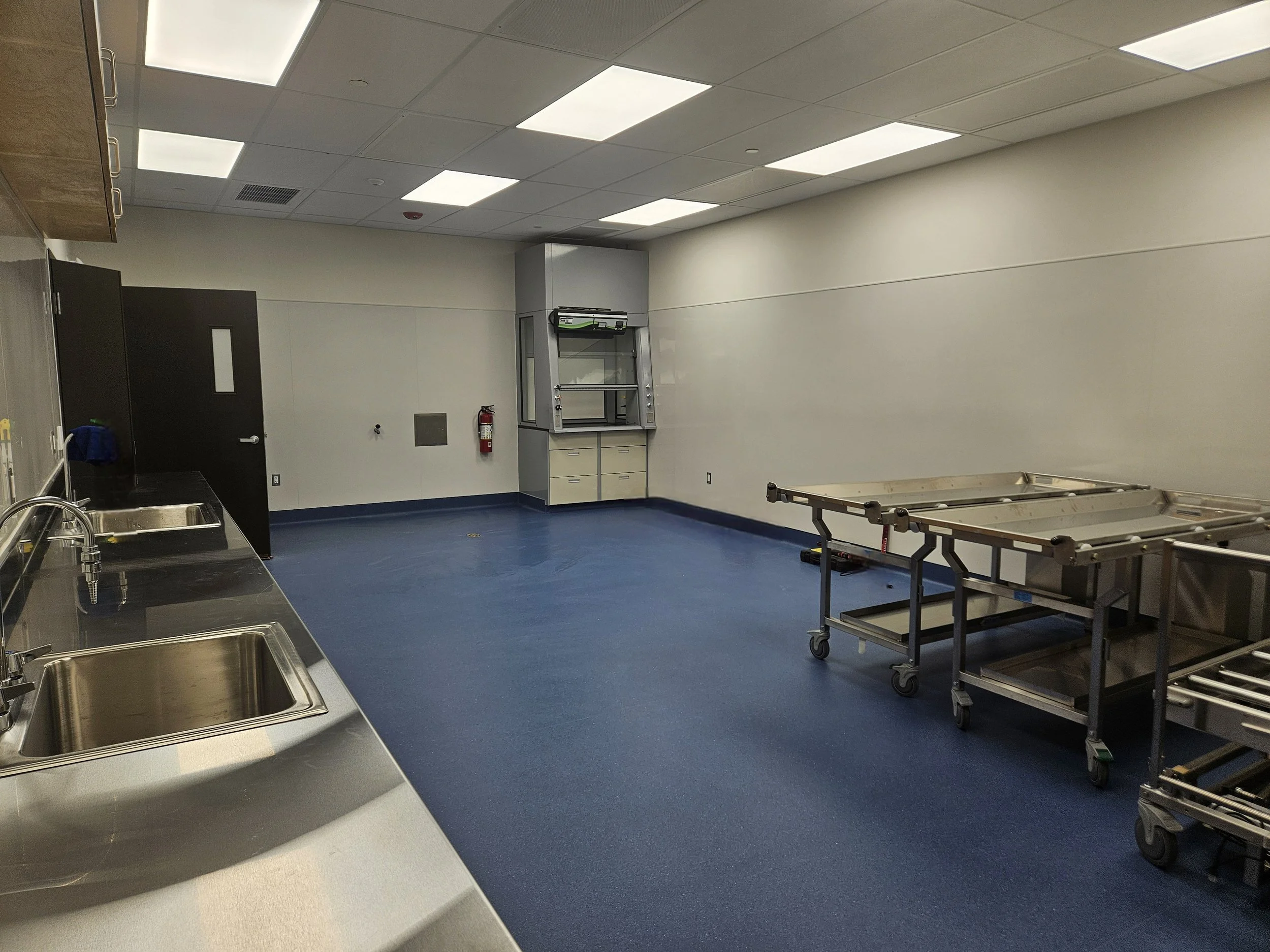
Given the specialized nature of anatomy labs, environmental systems were a top priority. The facility incorporates variable flow ventilation to manage odors dynamically, enhancing both safety and comfort. Lighting design also plays a key role, with systems configured to minimize glare and provide consistent illumination across all work surfaces.
“Variable flow ventilation was incorporated to facilitate dynamic odor management, supporting both safety and comfort during use,” says the DIALOG team. “Lighting was designed to minimize glare and provide consistent illumination throughout the lab environment, creating an environment of optimal visibility for teaching and learning activities. These features contribute to a controlled, high-performance environment where students can focus on detailed anatomical study.”
This focus on ethics extends throughout the facility. The lab accommodates cadavers provided through the University of Alberta’s anatomical gifting program, continuing a long-standing tradition of hands-on anatomical education while maintaining dignity and respect for donors.
Construction in a remote context
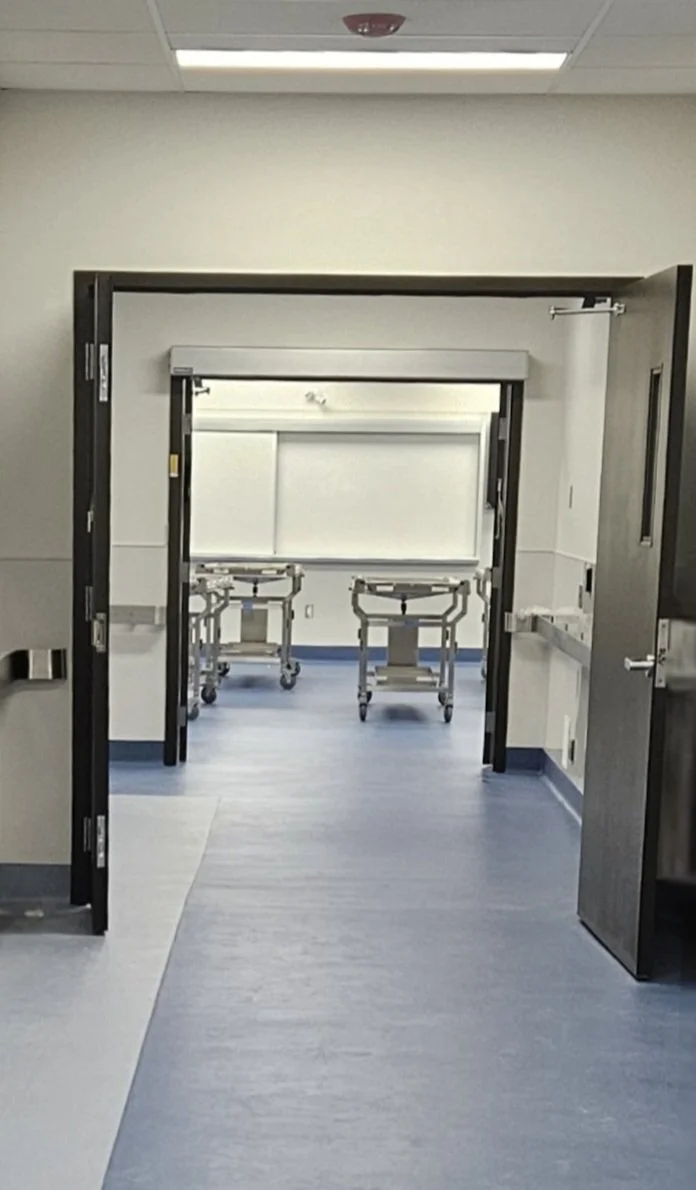
Bringing the project to life required careful coordination, particularly given Grande Prairie’s remote location and the project’s compressed timeline. JMS Construction served as general contractor, working closely with the design team to manage procurement and construction challenges.
To address logistical constraints, the team developed performance-based specifications and collaborated with local fabricators for casework and equipment. A mock-up process was used to refine flooring solutions, ensuring durability and performance under demanding conditions.
JMS Construction played a critical role in aligning trades and maintaining quality. Leveraging established industry relationships, the contractor assembled a team of skilled subcontractors capable of delivering the project efficiently. The expansion was also designed to integrate seamlessly with the existing Douglas J. Cardinal Building, preserving architectural continuity. “By aligning proportions and finishes, the new anatomy lab integrates seamlessly while preserving the integrity of the original exterior design,” says Thomas Watts MBA, BBA, general manager, JMS Construction.
Today, the anatomy lab stands as the northernmost facility of its kind in Canada, offering students in the Peace Region unprecedented access to hands-on medical training. While its primary function is to support NAMP students, the space also benefits nursing and kinesiology programs and has the potential to serve visiting medical professionals for continuing education.
Ultimately, the project represents not just a new building, but a strategic investment in regional healthcare education. By combining thoughtful design, technical precision, and strong institutional partnerships, Northwestern Polytechnic and the University of Alberta have created a facility that not only meets current needs but also inspires future generations of medical professionals. In doing so, the Grande Prairie anatomy lab demonstrates how architecture and engineering, when aligned with pedagogy and purpose, can elevate both teaching and learning in meaningful and lasting ways.