
[[bpstrwcotob]]
Busting the Myth of Adaptive Reuse: Lessons in Retrofitting Labs for Structural Performance and Sustainability
As demand for life science and advanced technology spaces grows, adaptive reuse offers sustainability and speed—but as speakers at the 2025 Lab Design Conference emphasized, converting offices, warehouses, or retail buildings into high-performance labs presents complex structural challenges that require careful evaluation of each building’s limitations and suitability
Designing Flexible Academic Labs for a Changing Research Landscape
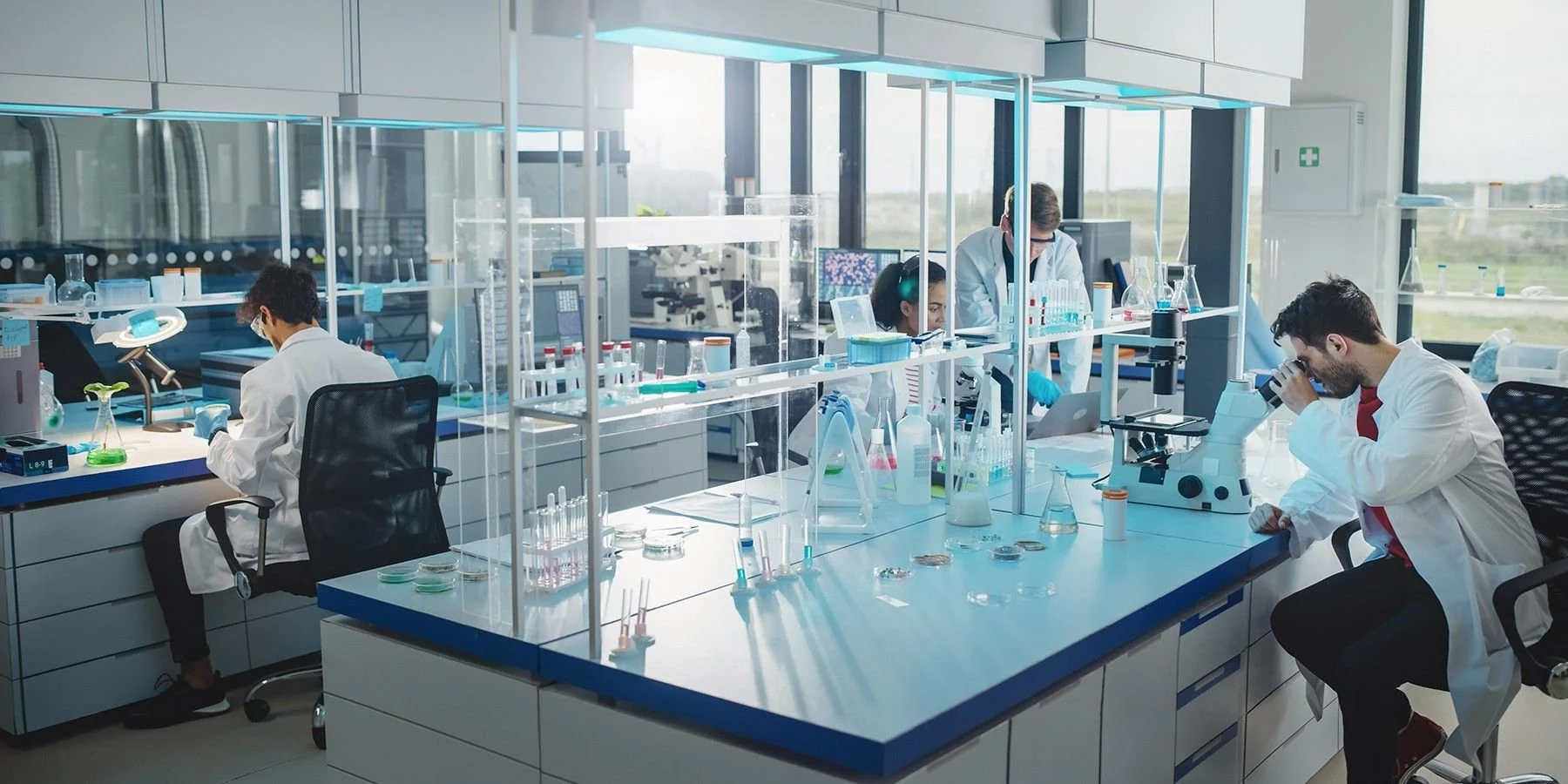
Academic laboratory renovations are increasingly replacing new construction, with success hinging on early stakeholder engagement, infrastructure upgrades, and flexible, light-filled designs that balance safety, adaptability, and recruitment goals
Advocacy to Action: Science Building Breaks Ground
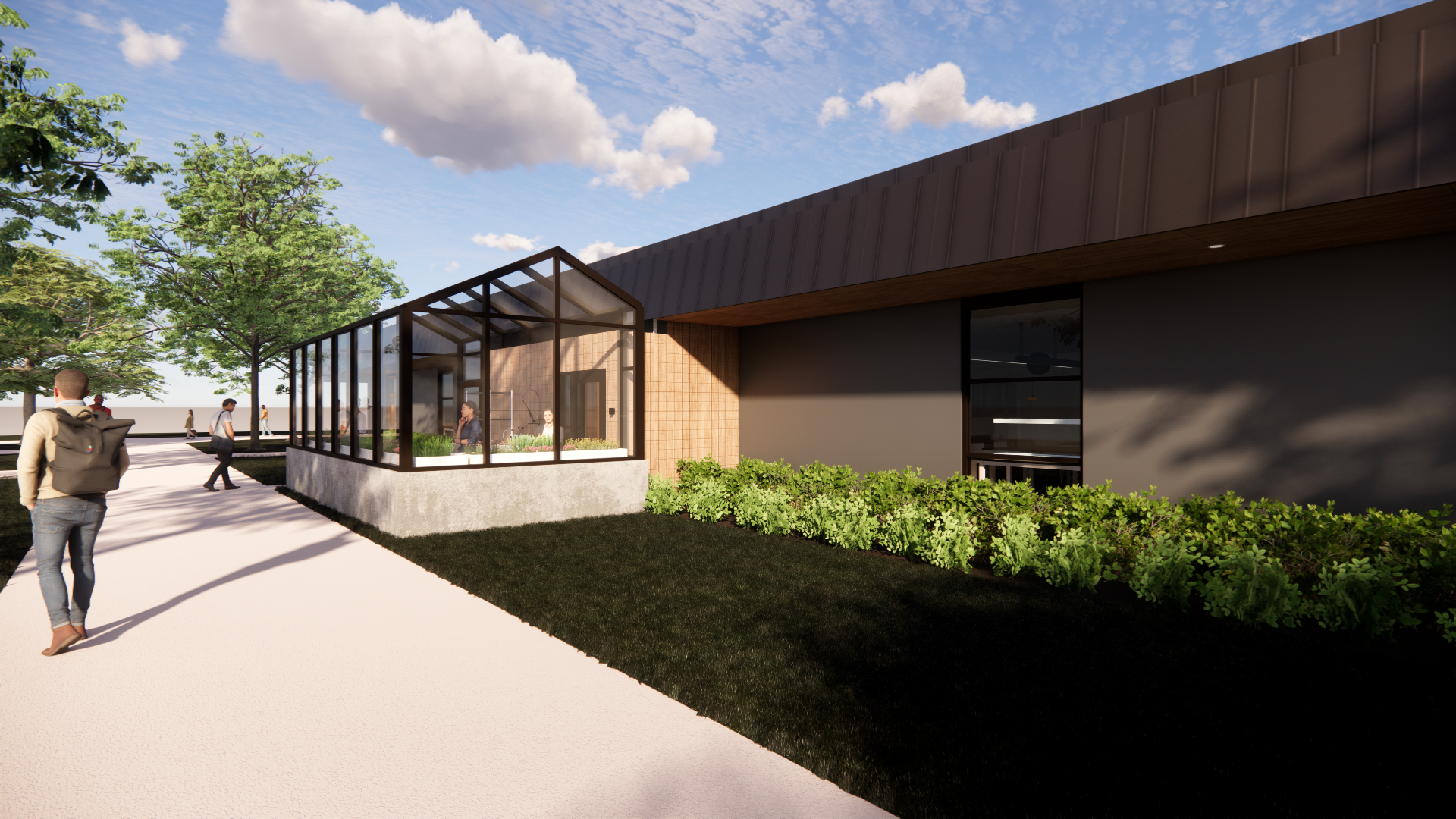
Massasoit Community College has broken ground on a $52 million, sustainability-driven renovation of its STEM facilities—achieved through strategic advocacy and reframing efforts that secured state funding and set a model for cost-effective, mission-aligned campus transformation
From Old to High-Performing: Navigating the Complexities of Breathing New Life into Existing Buildings
Outdated buildings—including a federal lab and a former big-box store—can be successfully transformed into high-performing, flexible laboratory spaces by leveraging early feasibility studies, interdisciplinary collaboration, and design strategies focused on sustainability, adaptability, and occupant well-being
Creating the Future from the Past: An Environmental Case Study
At the 2025 Lab Design Conference, Leo A Daly’s Larry Wright presented the full gut renovation of the Armed Forces Radiobiological Research Institute, illustrating how outdated, highly technical mid-century research buildings can be sustainably transformed—preserving architectural legacy, improving animal research operations, and achieving LEED Silver certification—through thoughtful planning, structural innovation, and reduced embodied carbon
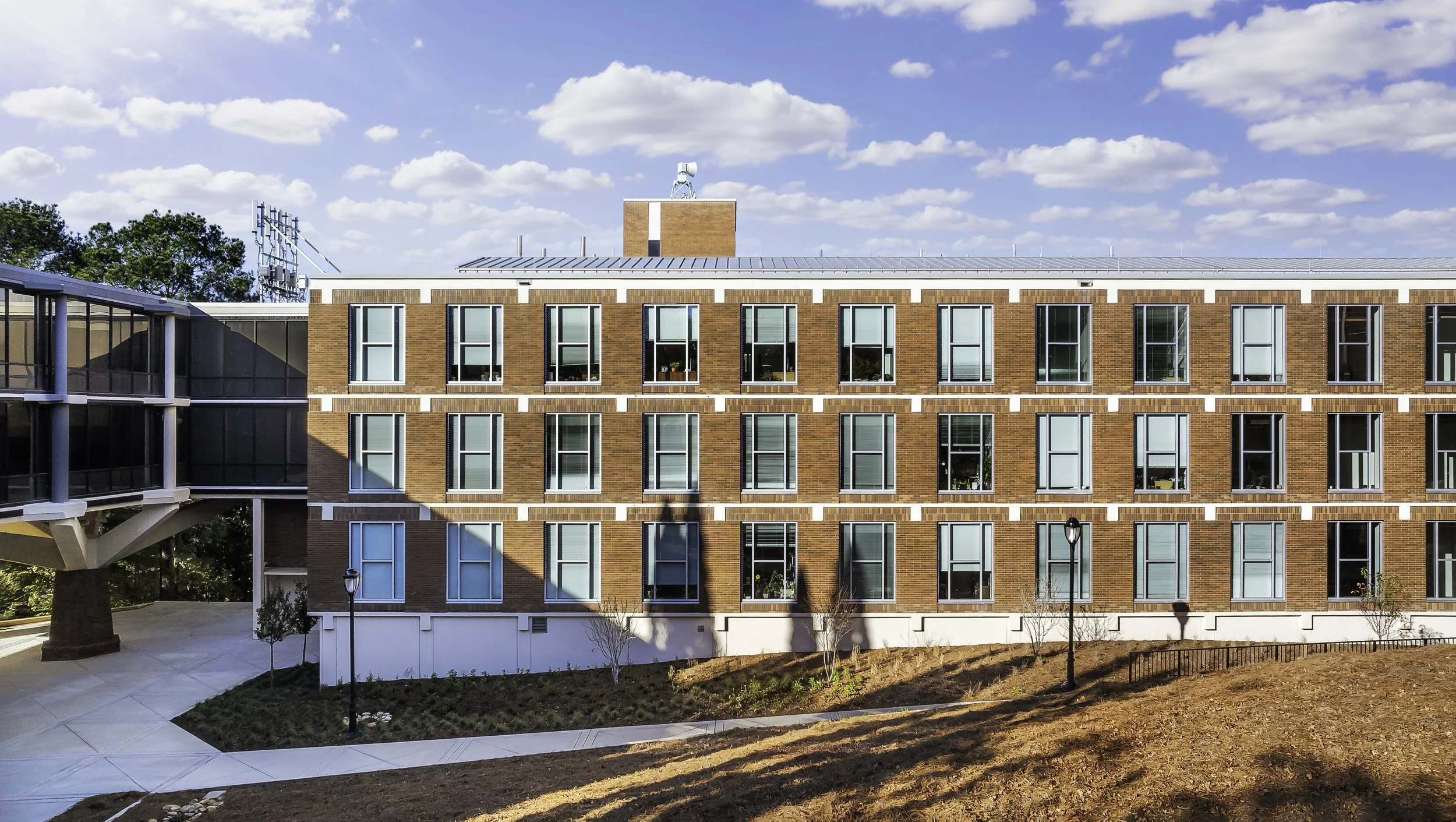
Modernizing a Mid-Century Lab for 21st Century Research
The renovation of the University of Georgia’s Cedar Street Building C demonstrates how aging research facilities can be transformed into modern, flexible, and sustainable lab environments while honoring their historic character

Webinar Preview: Sustainability Considerations in Small Laboratory Renovations and Refits
Join us for this webinar to learn how architects, lab planners, and lab managers can approach small laboratory renovations in ways that achieve meaningful sustainability goals without relying on third-party certifications, using a flexible, collaborative strategy
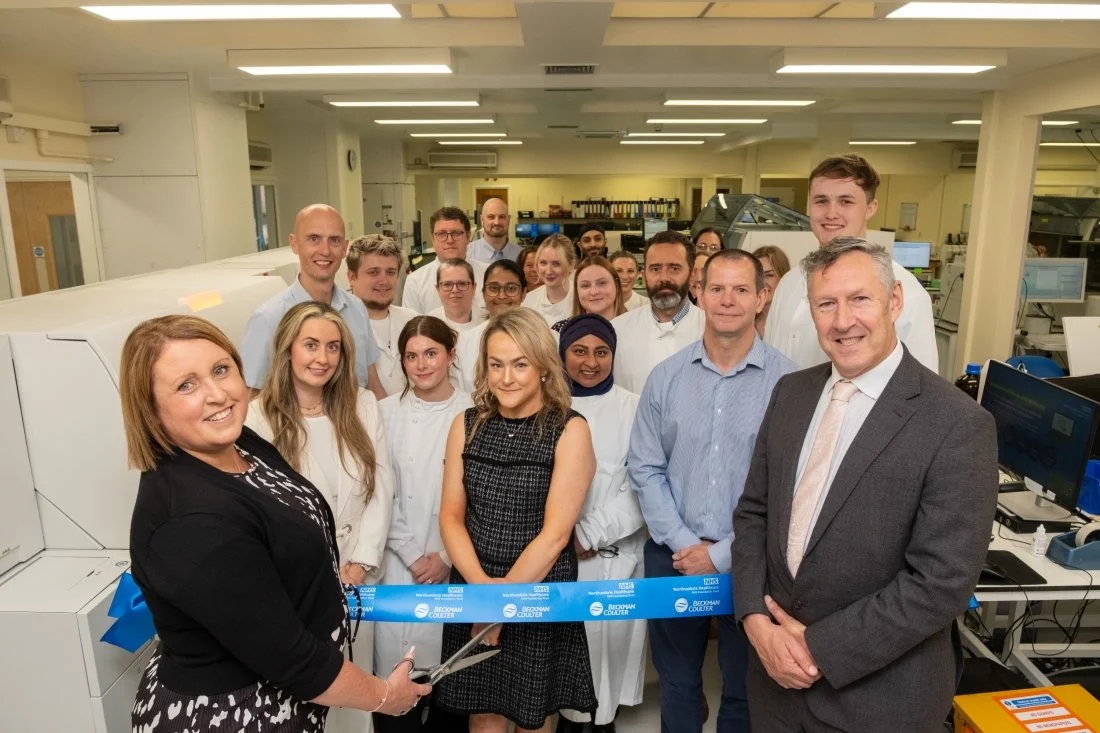
Refurbishing a Lab While Keeping Diagnostics Running
Key lessons from Northumbria Healthcare’s phased pathology lab refurbishment show how early stakeholder engagement, careful planning, and flexible operations can successfully transform a live clinical environment without disrupting vital services

Strategic Renovation: Updating a QC Lab to Meet Rising API Demands
A recent renovation of a quality control laboratory offers a useful case study in addressing common lab challenges—modernizing outdated infrastructure, improving workflow efficiency, supporting GMP compliance, and enabling future scalability—all while maintaining operations through phased construction and close collaboration with lab users

Transforming a Legacy: NIH Renovation Project Honored in 2025 Design Excellence Awards
The NIH has completed a transformative renovation of the E-Wing of Building 10, a 250,000-square-foot adaptive reuse project designed by Perkins&Will that modernizes the historic Clinical Center to support cutting-edge translational research, patient care, and biomedical education—an effort recognized in the 2025 Design Excellence Awards for Whole Building/Holistic Design—Renovated