Start With the Equipment List: On the Floor at the Lab Design Conference
At the 2026 Lab Design Conference in Orlando, FL, laboratory professionals from across the industry came together to discuss the challenges involved in planning, designing, and delivering laboratory spaces. For April Day, senior director for clinical pathology at Geisinger Health System, one of the most important ways project teams can stay ahead of those challenges is to get the details right early in the process.
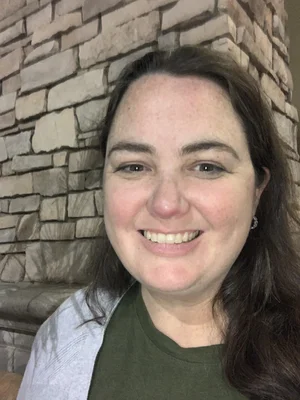
Day oversees clinical pathology across eight Geisinger hospitals and six rapid response clinics in Pennsylvania, giving her a broad perspective on the needs and challenges involved in laboratory projects across multiple facilities.
During an interview at the Lab Design Conference with Janette Wider of LabX Media Group, Day shared one practical recommendation for anyone preparing to undertake a major laboratory project: start with a comprehensive equipment list.
Get the equipment list right early
When a project involves architects, contractors, vendors, and other stakeholders, the equipment list becomes an important foundation for the work that follows. Day recommends that laboratory teams come to the project with as complete a list as possible.
“Anytime that you are approaching a project, I would say come prepared with a very comprehensive equipment list,” she said.
While developing that list may seem like an early and relatively straightforward step, overlooking equipment can create problems later in the project. Equipment requirements can influence a wide range of design and construction decisions, and missing information can make it more difficult for the project team to coordinate those needs.
“You're going to be working with the contractors and the architects and other vendors,” Day said. “And if you are missing things on your equipment list, it's going to really lead to downhill issues during the project.”
For laboratory users, that means taking the time to think through equipment needs before design and construction decisions are too far along. A detailed equipment list can help establish a common understanding among the people responsible for turning the laboratory's requirements into a functional space.
Learn from different perspectives
Day also sees value in bringing together people with different areas of expertise. That was one of the aspects of the Lab Design Conference she found particularly useful, as the attendees represent architects, HVAC professionals, operations staff, scientists, and other laboratory stakeholders and design/build experts. For Day, having those different perspectives represented in the same room can help participants better understand the challenges facing their colleagues.
“There's a lot of value here because everybody here is from different walks,” she noted.
That cross-disciplinary perspective was especially apparent during the conference workshops, where participants from different areas worked together in groups. Day said the experience helped participants understand one another and gain a better sense of the struggles that different members of a project team may encounter.
For laboratory users, that kind of interaction can be particularly valuable. A successful laboratory project requires many different groups to work toward the same goal, even when they approach the project from very different perspectives. Hearing directly from people involved in other aspects of laboratory planning and design can provide context that may be difficult to gain within one's own organization or area of expertise.
Take the information back to the project
Day also emphasized that the value of a conference does not necessarily end when attendees leave. Exposure to different perspectives can give participants information they can continue to evaluate and develop after returning to their organizations.
“When people leave here, they'll have a base of information that they can review and see what kind of areas they can further develop,” she said.
For professionals involved in laboratory projects, that may mean returning to a project with new questions, a better understanding of another stakeholder's priorities, or ideas for addressing challenges before they become larger problems.
Ultimately, Day's advice comes down to preparation and collaboration. A comprehensive equipment list can help establish a strong foundation for a project, while opportunities to hear from architects, engineers, operations professionals, scientists, and other stakeholders can help project teams better understand the perspectives they bring to the table.
Key takeaways from April Day
Before watching the interview, keep these three ideas in mind:
Start with a comprehensive equipment list. Day emphasizes the importance of having a thorough understanding of equipment needs before a laboratory project gets underway. Missing equipment information early in the process can create problems for architects, contractors, vendors, and other members of the project team later on.
Bring different perspectives together. Laboratory projects involve many different disciplines and areas of expertise. Day found value in hearing from architects, HVAC professionals, operations staff, scientists, and others, particularly through the conference workshops and their cross-disciplinary work groups.
Take what you learn back to your project. Day sees networking events like the Lab Design Conference as opportunities to build a broader base of information and better understand the challenges other stakeholders face. That knowledge can give laboratory professionals ideas and perspectives to further develop when they return to their own projects.
Watch the full interview below to hear April Day discuss preparing for laboratory projects, the importance of a comprehensive equipment list, and what she finds valuable about bringing different laboratory professionals together at the Lab Design Conference. Join us in Dallas, TX on May 10-13, 2027 to continue the discussion.