Professional Profile: Josh Hirshenhorn
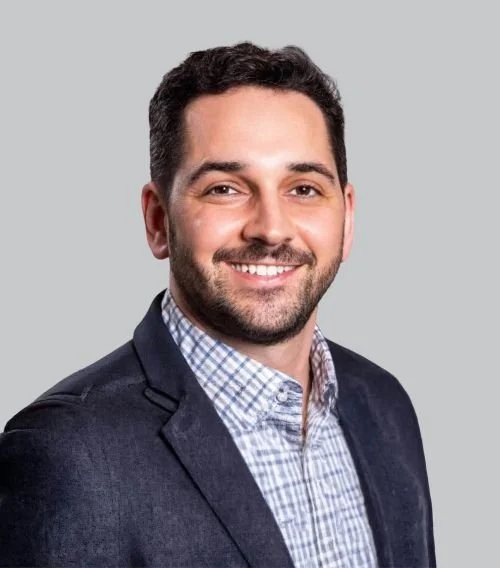
Josh Hirshenhorn, director—business development, Precis Engineering + Architecture
Josh Hirshenhorn has joined Precis Engineering + Architecture as director—business development. Lab Design News spoke to Josh about his career journey in the life sciences industry, the evolving challenges facing laboratory facilities, and the importance of collaboration in successful project outcomes.
Q: What initially drew you to the life sciences industry, and what has kept you engaged throughout your career?
A: I came into the life sciences industry somewhat by chance early in my career, starting with a part-time marketing role at a lab equipment representative firm before moving into sales. What has kept me engaged is the complexity of the work. Even small decisions often carry regulatory or quality implications, so the need to be analytical, thorough, and thoughtful continues to make the industry compelling.
Q: How has your career experience shaped the way you understand clients’ needs and challenges?
A: In life sciences, nearly every decision comes back to product quality. Clients often begin with quality and regulatory requirements, then work backward to develop the systems and processes needed to meet them. Recognizing that approach has helped me better understand their perspective and deliver more meaningful support.
Q: What trends or challenges are you seeing across the life sciences market that you believe will have the biggest impact on laboratory design and facility planning?
A: Recent announcements from major pharmaceutical companies about large US investments could significantly affect talent availability for both client operations and service providers. As jobs and resources shift toward these major facilities, I’m interested to see how that affects smaller facilities and improvement initiatives further downstream.
Q: What are some lessons you’ve learned about the connection between facility design, operations, and maintaining quality standards?
A: Facility design, processes, and procedures all require a long-term view and you cannot take any shortcuts. Because regulations and standards can change quickly, a solution that works today may create risk in the future. Planning for more stringent requirements may increase upfront costs, but it often delivers greater value and resilience over the life of the facility.
Q: What do you think distinguishes successful client partnerships in the life sciences industry?
A: It may sound simple, but responsiveness and accountability are often what separate successful client partnerships from unsuccessful ones. Every project has challenges, and mistakes happen. The key is to be available, take ownership, and work quickly toward solutions. That approach builds trust and often leads to stronger long-term partnerships.
Q: How do you approach building trust with clients and helping them navigate complex projects with many stakeholders and competing priorities?
A: Someone once told me, “You have two ears and one mouth, so use them in that order.” That advice has shaped how I approach trust-building: by listening first, understanding each stakeholder’s perspective, and incorporating those priorities where possible. From there, the goal is to make clear recommendations that balance competing needs while keeping the project focused on its most important objectives.
Q: What are some common challenges life sciences organizations face when planning or upgrading their facilities, and how can early collaboration help address those challenges?
A: Due diligence is often overlooked during facility planning, but it can have a major impact on long-term success. Owners may commit to a space or design that ultimately cannot meet their needs, even when those issues could have been identified early by the right experts. In life sciences, every decision can carry lasting consequences, which makes early collaboration across disciplines critical.
Q: How do you see technologies such as automation, artificial intelligence, and advanced data systems influencing the future of life sciences facilities?
A: I hope advances in automation, AI, and data systems will improve the overall quality of life sciences facilities. If these technologies reduce certain labor-related costs, those savings could be redirected toward critical facility enhancements. In turn, projects may be able to achieve stronger designs that might previously have been limited by budget constraints.
Q: What opportunities do you see for improving collaboration between facility owners, scientists, designers, engineers, and other project stakeholders?
A: Projects are most successful when teams begin with a clearly defined, shared goal and an understanding that not every individual priority can be accommodated. Open-mindedness and respect for different approaches help teams stay aligned, solve problems more effectively, and create opportunities for personal and professional growth.
Q: What is one misconception people outside the industry may have about designing and operating regulated laboratory environments?
A: One common misconception is that any single person has all the answers when designing or operating regulated laboratory environments. These spaces require a tremendous amount of information, expertise, and coordination, so success depends on true collaboration amongst many different specialists.
Q: What are you most excited about as you begin this new role, and what opportunities do you see for supporting clients and the broader life sciences community?
A: I’m most excited to view the life sciences industry through a new lens. Much of my client support has been further downstream, so I’m looking forward to gaining a deeper understanding of the full facility lifecycle, from early concept through operational-readiness and everything in between.
Q: Looking back on your career so far, what is one lesson or experience that has most influenced how you approach your work today?
A: No single experience stands out, but I’ve always remembered the moments when someone made the effort to help or express genuine thanks. Mistakes are often easy to point out, but it takes intention to recognize the positive. That has shaped how I try to work each day: treating people with respect, helping where I can, and paying that positivity forward.
Q: What hobbies or activities do you enjoy outside of work?
A: In this season of life, most of my free time is spent coaching my young daughters’ sports teams, keeping them entertained so they fall asleep at a reasonable hour, and enjoying pizza and a movie on a Friday night. That said, I’ll always make time for Philadelphia sports (Go Birds!) or a quick session of shooting hoops in the driveway to clear my head.