Lab Projects Face a Growing Range of Challenges: On the Floor at the Lab Design Conference
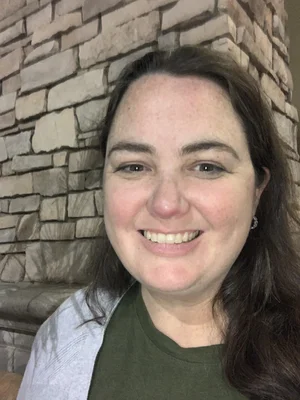
At the 2026 Lab Design Conference in Orlando, FL, Janette Wider of LabX Media Group spoke with Marilee Lloyd, associate principal and national laboratory planning leader at HED, about the challenges facing laboratory projects today and what makes the conference valuable to professionals working across the industry.
Lloyd leads the laboratory planning practice at HED, an integrated design and engineering firm that brings together lab planners, architects, engineers, and landscape architects to support scientific facilities.
A complex landscape for lab projects
When asked about the biggest pain points she is seeing across laboratory projects, Lloyd pointed to the sheer number of competing priorities clients are trying to manage.
“I think the hardest thing is that there are so many things,” she said. “It is like there is this panoply of stuff that our clients are trying desperately to manage.”
Among those priorities, Lloyd said, are safety and hazardous materials, employee recruitment and retention, project funding, research needs, and the ability to create laboratory environments that can adapt over time.
Lloyd added that clients are increasingly balancing hazardous materials considerations with broader questions about how their facilities can support employees and remain attractive workplaces. At the same time, they must determine how to fund projects while preparing their environments for emerging research.
“They're looking for ways to fund their projects and how they can support next-generation research and create that flexible environment that grows with them,” Lloyd noted.
That combination of demands can make laboratory planning particularly challenging. Rather than addressing a single design issue, project teams and clients are often working to reconcile numerous priorities that affect the facility, its users, and its long-term performance.
A broad perspective on laboratory design
For Lloyd, the value of the Lab Design Conference is closely connected to that complexity. She recommended the conference to colleagues and noted that she had already done so during the past year.
“It is a great conference—both for new attendees to understand from a client or industry perspective, as well as other lab professionals [and] lab planning professionals, for a lot of reasons,” she said.
One of those benefits is the opportunity to engage directly with vendors and explore products and solutions. Lloyd highlighted the conference's exhibit floor as an important part of the experience, particularly because attendees can interact with products firsthand.
“The vendors here are terrific, and you get a chance to touch and feel the different pieces,” she said.
The educational program also gives attendees an opportunity to step outside their own projects and learn how others across the industry are approaching similar challenges. Lloyd said the sessions provide insight into what fellow clients and professionals are encountering, giving attendees a broader view of the laboratory design landscape.
“It is one of the few conferences that really gives you a broad perspective,” she observed.
Opportunities to connect and collaborate
Lloyd also pointed to the conference format itself as a strength. Beyond the educational sessions and exhibit hall, she particularly appreciates the optional add-ons that bookend the conference.
“I love the workshops at the beginning and the tours at the end,” Lloyd said, speaking about the interactive two-hour workshops held on the first day of the conference, and the guided architectural lab tours of local research facilities held on the final day. (Stay tuned to labdesignconference.com for updates on the workshops and Dallas-area lab tours that will be featured in the 2027 event!)
Those different formats give attendees multiple ways to participate, learn, and connect with other professionals. For an industry in which successful laboratory projects require collaboration among clients, designers, engineers, vendors, and other stakeholders, Lloyd sees that interaction as an important part of the conference experience.
“There are all sorts of options to get involved and to meet a lot of people and collaborate,” she said.
Lloyd's comments reflect one of the central challenges facing laboratory design today: There is rarely a single priority that defines a project. Teams must consider safety, flexibility, funding, research needs, employee experience, and long-term adaptability—often simultaneously.
For professionals responsible for planning and delivering these environments, opportunities to hear how others are navigating those challenges can be just as valuable as learning about individual products or design strategies.
As laboratory projects continue to evolve, Lloyd's perspective underscores the importance of taking a broad view—one that considers not only what a laboratory needs to support research today, but how it can continue to serve its users and adapt to changing needs in the years ahead.
Key takeaways from Marilee Lloyd
Before watching the interview, keep these three ideas in mind:
Design for a changing future. Lloyd emphasizes that laboratory clients are balancing immediate project needs with longer-term goals, including supporting next-generation research and creating flexible environments that can grow with their organizations.
Take a broad view of laboratory challenges. From hazardous materials and funding to employee recruitment and creating supportive work environments, today's laboratory projects involve a wide range of competing priorities. Understanding those challenges can help project teams approach design with a more holistic perspective.
Connect, learn, and collaborate. Lloyd sees the Lab Design Conference as an opportunity to gain a broad perspective on what other clients and laboratory professionals are experiencing, while also connecting with vendors and colleagues. She particularly values the combination of educational sessions, workshops, and facility tours as opportunities to get involved and collaborate.
Watch the full interview below to hear Marilee Lloyd discuss the challenges laboratory clients are navigating today, what she finds valuable about the Lab Design Conference, and why she recommends the event to both new attendees and experienced laboratory professionals.