Lab Design Conference Speaker Profile: Nate Roisen
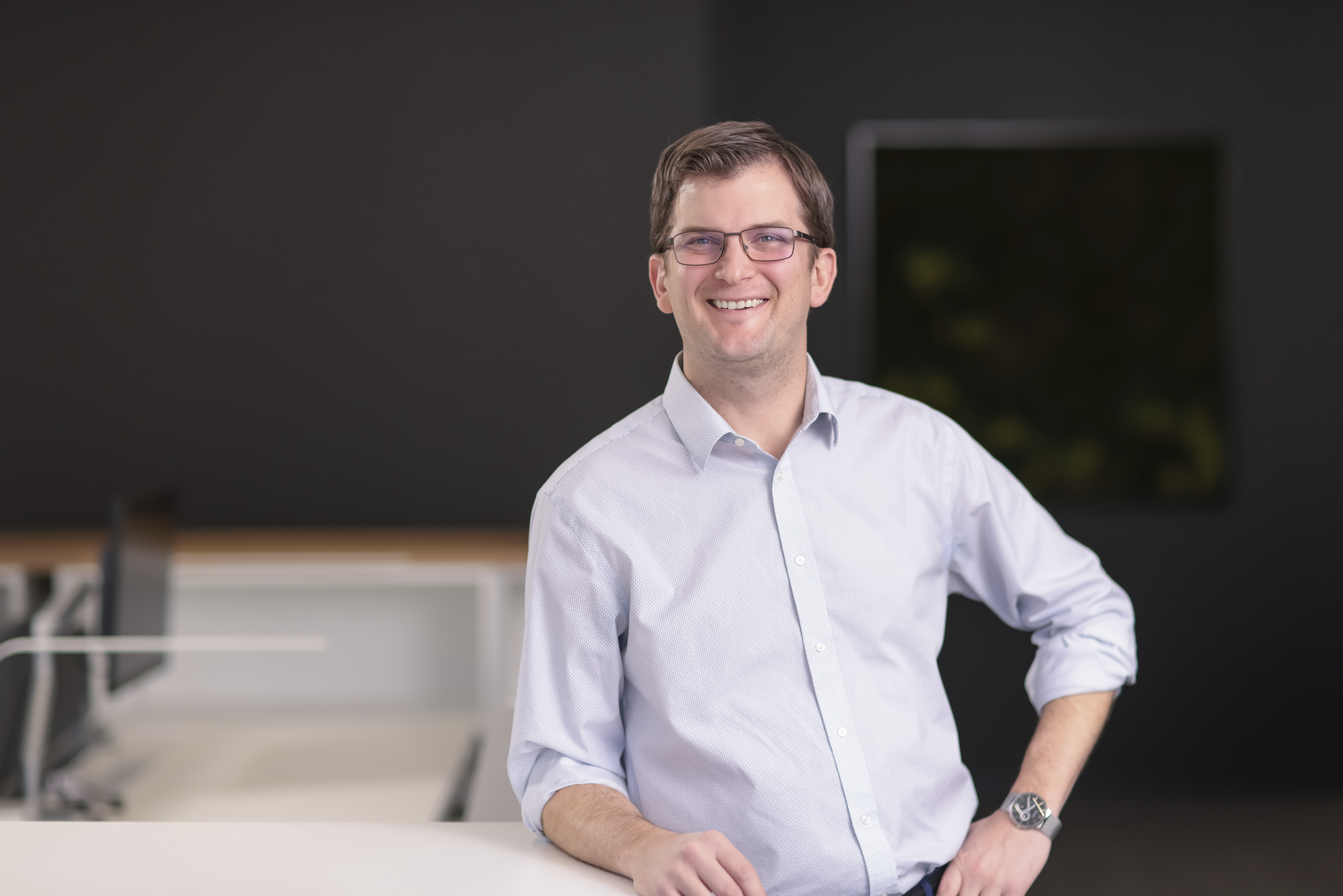
2026 Lab Design Conference speaker—Nate Roisen, principal, sci + tech practice leader, BWBR
Nate Roisen, principal, sci + tech practice leader at BWBR, will present at the 2026 Lab Design Conference in Orlando, FL, delivering a session titled “Smarter Labs, Safer Labs: Optimizing Design with Hazardous Materials in Mind.” He and his colleague Kat Lauer will speak on May 12 from 11:15 am to 12:15 pm.
Nate and Kat will explore the importance of addressing hazardous materials early and thoroughly in laboratory design, showing how proactive planning can help avoid challenges during permitting, construction, and daily operations. They will guide attendees through practical strategies for mapping chemical inventories, aligning workflows with codes and regulations, and making design decisions that optimize both safety and efficiency. Using real-world examples, they will also demonstrate how to work effectively with stakeholders and Authorities Having Jurisdiction, and when to engage specialized expertise to manage complex hazardous materials considerations.
Lab Design News spoke with Nate about the future of lab design, practical strategies for optimizing existing spaces, and how exploring new cities can provide unexpected insights and connections with locals. Register now to secure your conference ticket and ensure you don’t miss this session!
Q: How do you see the future of lab design evolving over the next five to 10 years, and how should professionals prepare?
A: As it becomes more and more difficult to fund and execute construction projects, with added supply chain and material cost challenges, flexibility is key. When you have the opportunity to build in flexibility or adaptability for future changes, take it—it’ll pay dividends down the road.
Q: What practical tips can lab users apply to optimize their current space, without a major renovation or rebuild?
A: I think lighting improvements are a really underrated way to make a big impact for a minimal investment. Swapping fluorescent bulbs for LEDs or retrofitting task lighting into workspaces (no electrical engineer required) can be huge quality of life upgrades for staff.
Watch Nate’s webinar on Cleanroom Design Solutions—available for free!
Q: What’s one soft skill you believe every lab design professional should cultivate, and why?
A: I think it’s crucial to avoid the temptation to fixate on the micro-scale (e.g., the user group is going on about how much they hate the current light switches) and miss the big picture (the root issue is really user control and overcoming dated vibes). By doing so, we can help our clients do the same and make sure we get the most impact out of every project.
Q: Is there a piece of advice you received in your career that has shaped the way you approach lab design?
A: A mentor once told me that “the idea you can see is the idea you can react to,” and that has really struck with me. Taking the time to draw it out can go so far in helping bring people along, get everyone on the same page, foster constructive conversation, and create excitement, often much more concretely than words alone.
Q: Can you tell us about your favorite vacation spot or travel destination?
A: I love going out on little exploratory quests in unfamiliar cities. By challenging myself to find the most convenient place to buy a tennis racket and reserve a court in London, or the nearest neighborhood laundromat to my hotel in Montreal, I find I end up meeting so many locals and getting an insider view into how things really work in the city.
Don’t miss your chance to hear from Nate and top industry experts shaping the future of laboratory design—reserve your spot at the 2026 Lab Design Conference today! Click here to register.