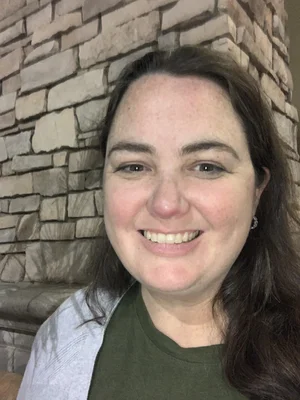
Lab Design Conference Speaker Profile: Kat Lauer
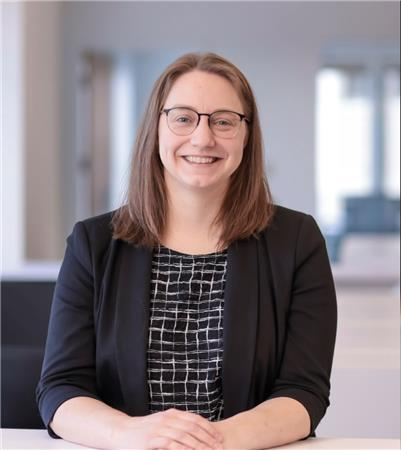
2026 Lab Design Conference speaker—Kat Lauer, NCIDQ, project planner at BWBR
Kat Lauer, NCIDQ, a project planner at BWBR, will present at the 2026 Lab Design Conference in Orlando, FL, delivering a session titled “Smarter Labs, Safer Labs: Optimizing Design with Hazardous Materials in Mind.” She and her colleague Nate Roisen will speak on May 12 from 11:15 am to 12:15 pm.
Kat and Nate will discuss why hazardous materials must be addressed early and comprehensively in lab design, highlighting how proactive planning can prevent downstream challenges in permitting, construction, and day-to-day operations. They will walk attendees through strategies for mapping chemical inventories, aligning workflows with codes and regulations, and making informed design decisions that enhance both safety and efficiency. Drawing on real-world examples, they will also explain how to collaborate effectively with stakeholders and Authorities Having Jurisdiction, and when to bring in specialized expertise to navigate complex hazmat considerations.
Lab Design News spoke with Kat about proactive lab planning, engaging stakeholders effectively, and sewing as a creative outlet. Register now to secure your conference ticket and ensure you don’t miss this session!
Q: How do you see the future of lab design evolving over the next five to 10 years, and how should professionals prepare?
A: Staff satisfaction is huge—I see labs catching up to the corporate world in terms of providing amenities and beautiful, inspiring spaces that people enjoy working in. Yes, functionality is still critically important, but there is so much to be gained from imbuing spaces with human elements of design as well.
Q: What practical tips can lab users apply to optimize their current space, without a major renovation or rebuild?
A: Take the time to think through or rethink workflows. Sometimes, rethinking how things ‘have always been done’ can elucidate simple changes such as swapping two pieces of equipment around or updating where certain supplies are stored, which can create efficiencies and relieve pain points, often with no or minimal cost.
Q: What’s one soft skill you believe every lab design professional should cultivate, and why?
A: I know it might sound cliché, but active listening and really valuing the scientists and end users’ perspectives and expertise is so important to building trust and creating the best possible outcome. If I could name a second one, I would say reliable follow-through is key to demonstrating that you listened to those stakeholders and integrated the ideas and information learned through those listening sessions.
Q: Is there a piece of advice you received in your career that has shaped the way you approach lab design?
A: My career has had a few twists and turns, beginning by diving into the world of molecular biophysics lab science and eventually coming around to the lab design work that I do now. Advice along that journey has come in many forms, but I could distill it to a key concept: no pursuit is wasted because it all informs your overall career and how you approach problem solving. The work I do now is such a fulfilling combination of my strengths and interests, and it’s something I didn’t even know was a possibility when I started out.
Q: What are some of your favorite hobbies or interests outside of work?
A: I really enjoy exploring creative projects. One that has been with me since childhood is sewing—I like to make everything from clothes and home goods to quilts and dog beds.
Secure your spot at the 2026 Lab Design Conference to join Kat and other industry leaders shaping the future of lab design! Click here to register.