
Future-Ready Labs Take Focus at Lab Design Conference in Orlando
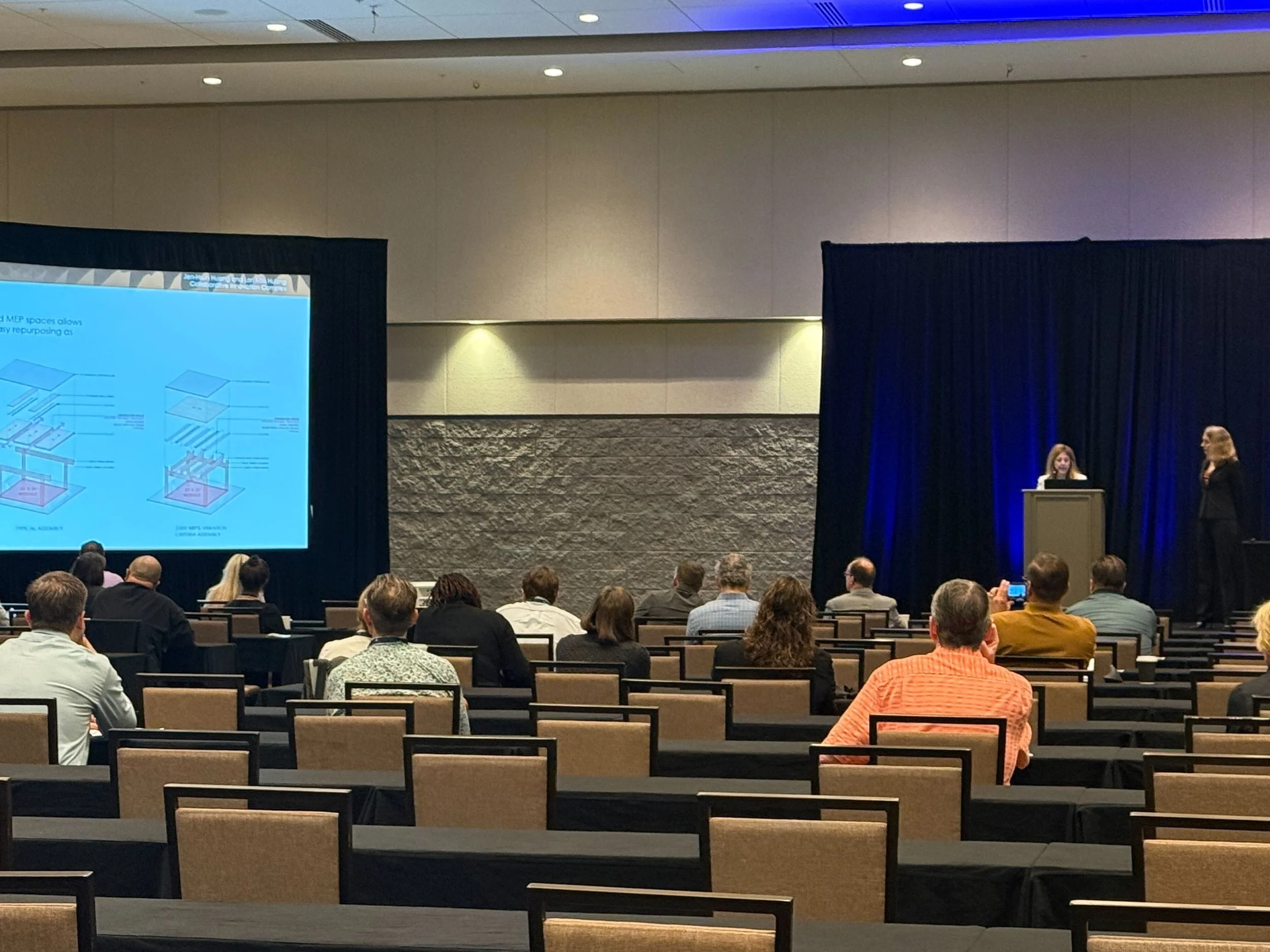
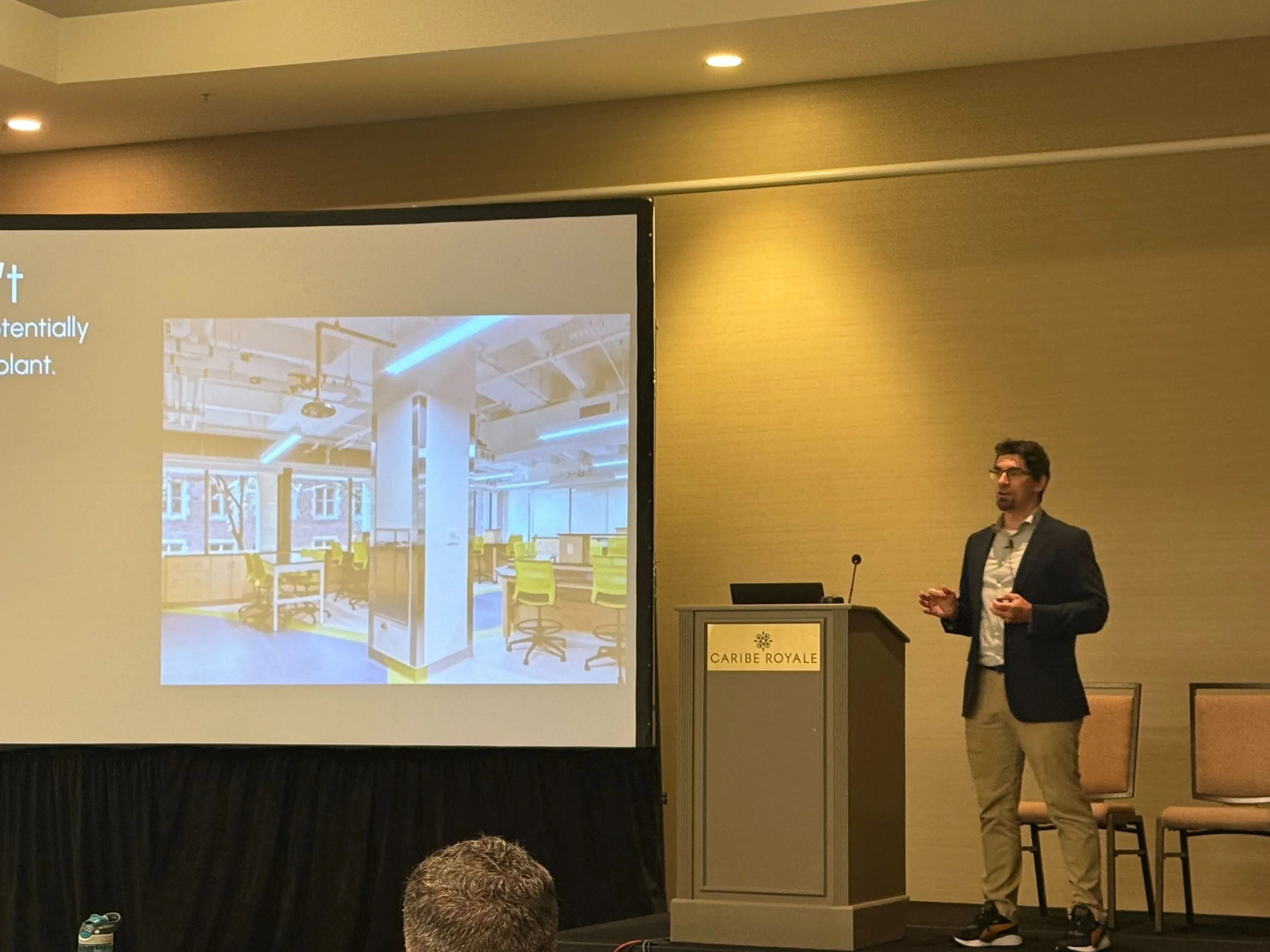
Susan Oehme and Milena Di Tomaso of ZGF Architects presented OSU’s Engineering Next Playbook and the innovative mass timber design behind the Jen-Hsun Huang and Lori Mills Collaborative Innovation Complex.
The second day of educational sessions at the Lab Design Conference, held May 13 in Orlando, delivered a full slate of programming that reflected both the complexity and rapid evolution of today’s laboratory environments. With three concurrent sessions each hour plus one general session for all, attendees could tailor their experience across topics ranging from adaptive reuse and sustainability to automation, user experience, and future-ready design.
Between sessions, attendees gathered in the exhibit hall to connect with vendors showcasing the latest in lab furniture, casework, and equipment, while coffee breaks and lunch provided additional opportunities for networking and informal knowledge sharing.
All sessions qualified for AIA learning units, with several offering HSW credit, reinforcing the conference’s commitment to continuing education for design and lab professionals.
Strategic planning and adaptive reuse at center stage
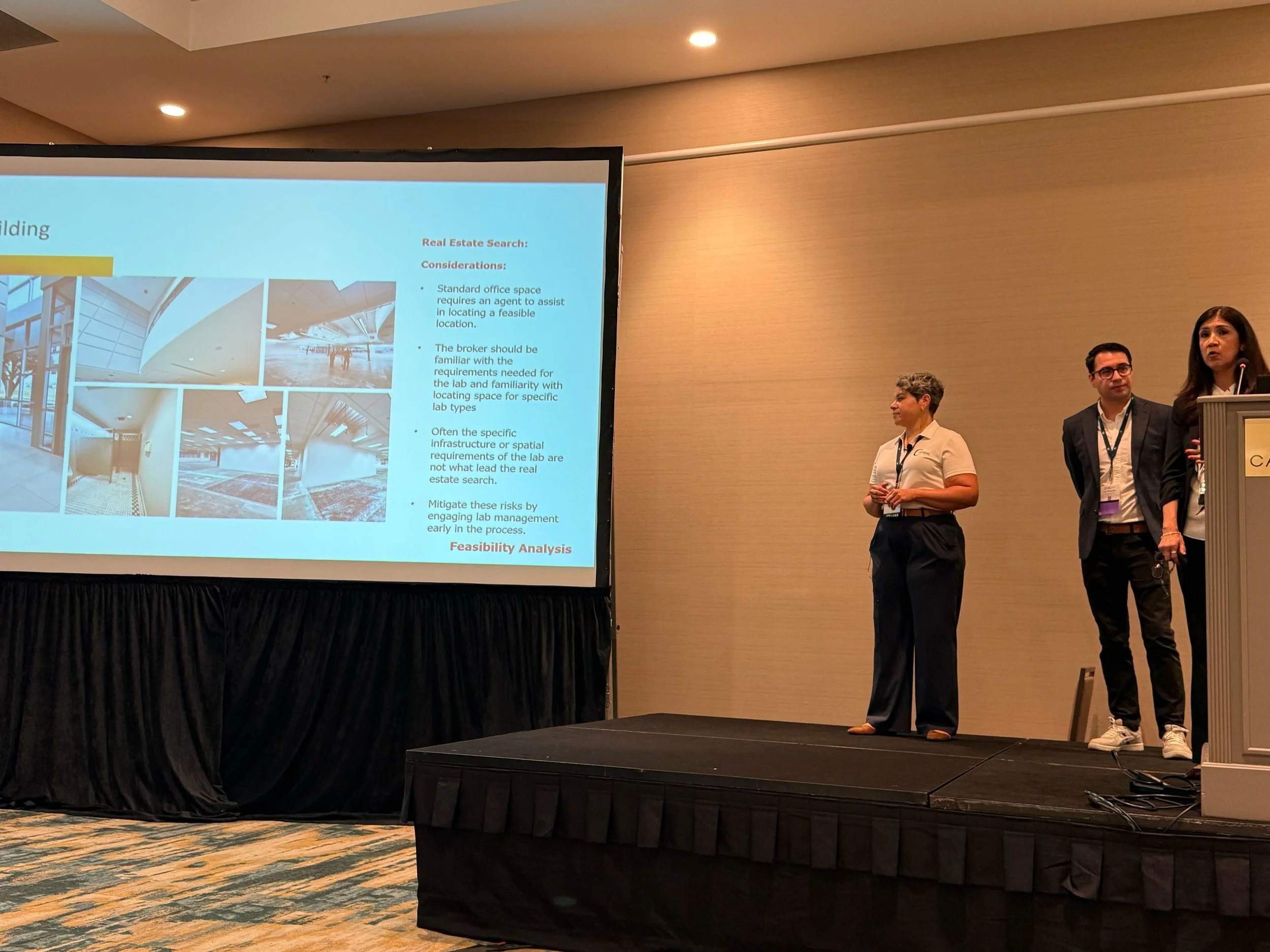
Adaptive reuse emerged as a recurring theme throughout the day, highlighted by Shrei Crenshaw of The Crenshaw Method and Teresa Rodriguez and Levy Minemann of LPA Design Studios, who shared how a former call center was transformed into a high-throughput pathology lab in just eight months through collaboration, workflow optimization, and strategic occupancy planning.
The day began with three concurrent sessions that set the tone for forward-thinking strategies and real-world problem solving. In their talk From Playbook to Practice: Advancing OSU’s College of Engineering with Strategic Planning and Mass Timber Innovation, Susan Oehme and Milena Di Tomaso of ZGF Architects explored Oregon State University’s Engineering Next Playbook. Their presentation detailed how a flexible, idea-driven planning framework is guiding reinvestment in existing facilities while introducing the Jen-Hsun Huang and Lori Mills Collaborative Innovation Complex, a mass timber lab designed to meet stringent vibration criteria and ambitious sustainability goals.
Adaptive reuse emerged as a recurring theme across multiple sessions. During their session From Cubicles to Specimens—Lessons in Speed, Process, Strategy, and Collaboration from a Lab Conversion, Shrei Crenshaw of The Crenshaw Method, along with Teresa Rodriguez and Levy Minemann of LPA Design Studios, shared how a former call center was transformed into a high-throughput pathology lab in just eight months. Their discussion emphasized collaboration, workflow optimization, and strategic occupancy planning.
Similarly, Steve Walter and Grace Pop of Hargrove Engineers + Constructors utilized their talk, Accelerating Time to Market: Building Biotech Facilities Within Existing Structures, to highlight how retrofitting existing buildings can reduce costs and timelines while still achieving high-performance, compliant lab environments.
Materials, systems, and performance insights
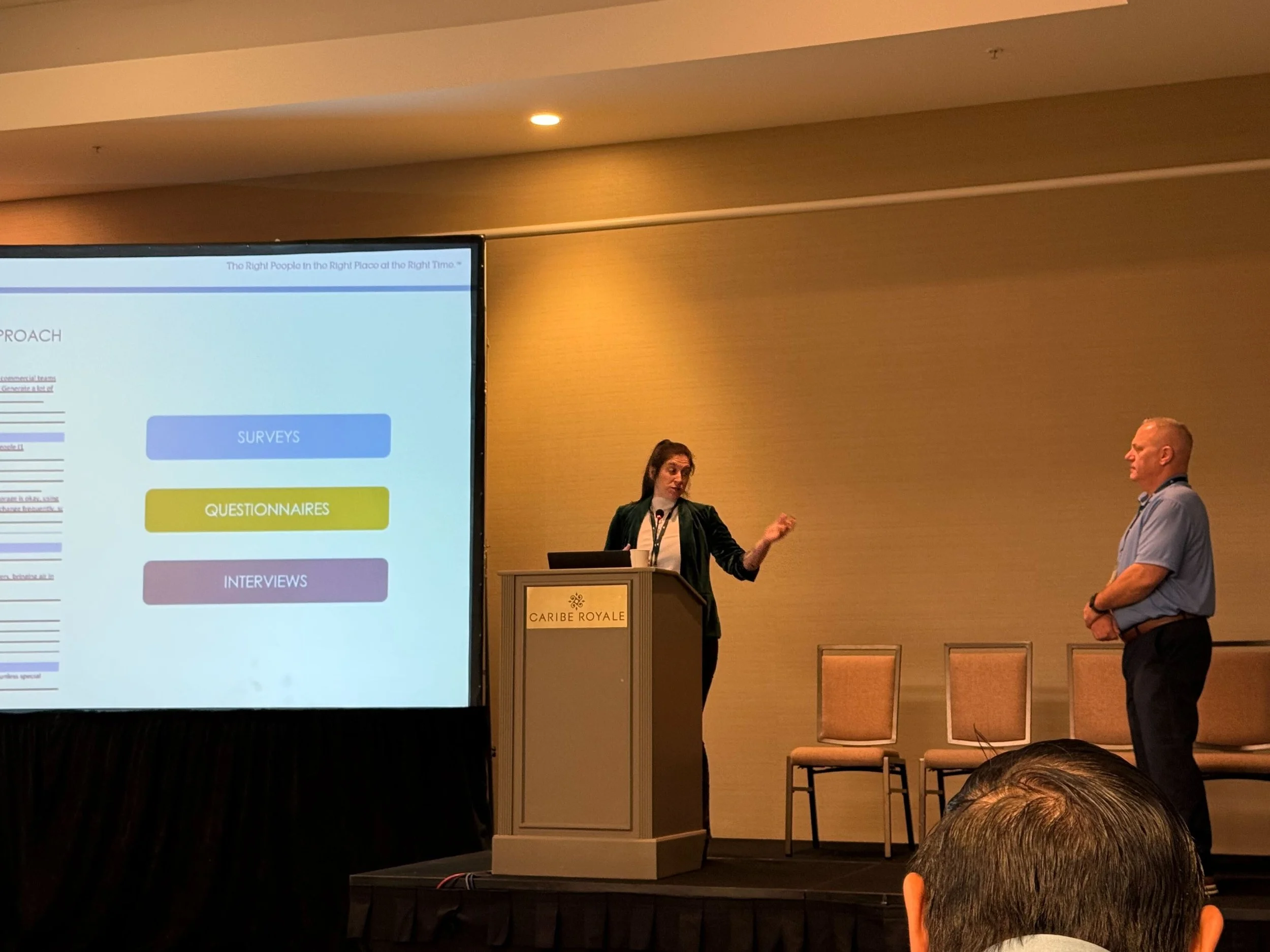
Material performance and building systems were also in focus. Doug Dorney of Little Diversified Architectural Consulting and Matthew Magro of Bonitz, in Beyond the Surface: Lessons Learned for Interior Laboratory Finishes, examined the lifecycle costs and durability of flooring, wall, and ceiling systems, offering practical insights into safety, sustainability, and long-term performance.
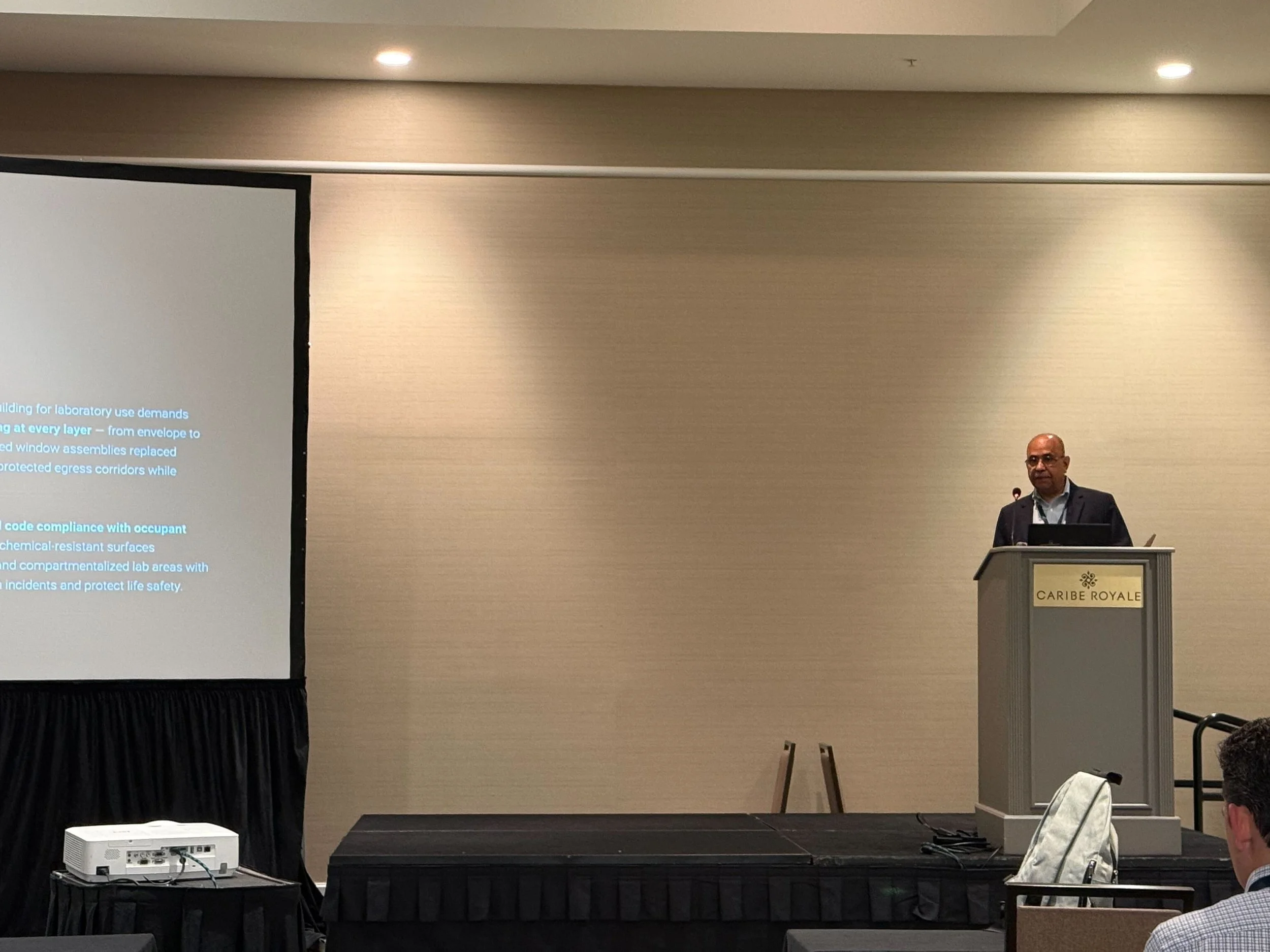
During his talk Designing for Health, Safety, and Science: Transforming Industrial Space into a State-of-the-Art Lab, Mukesh Jani of Torrent Laboratory presented a case study on converting a windowless industrial facility into a high-performance testing lab, with an emphasis on air quality, daylighting, ergonomics, and fire safety.
Interactive discussions and real-world challenges
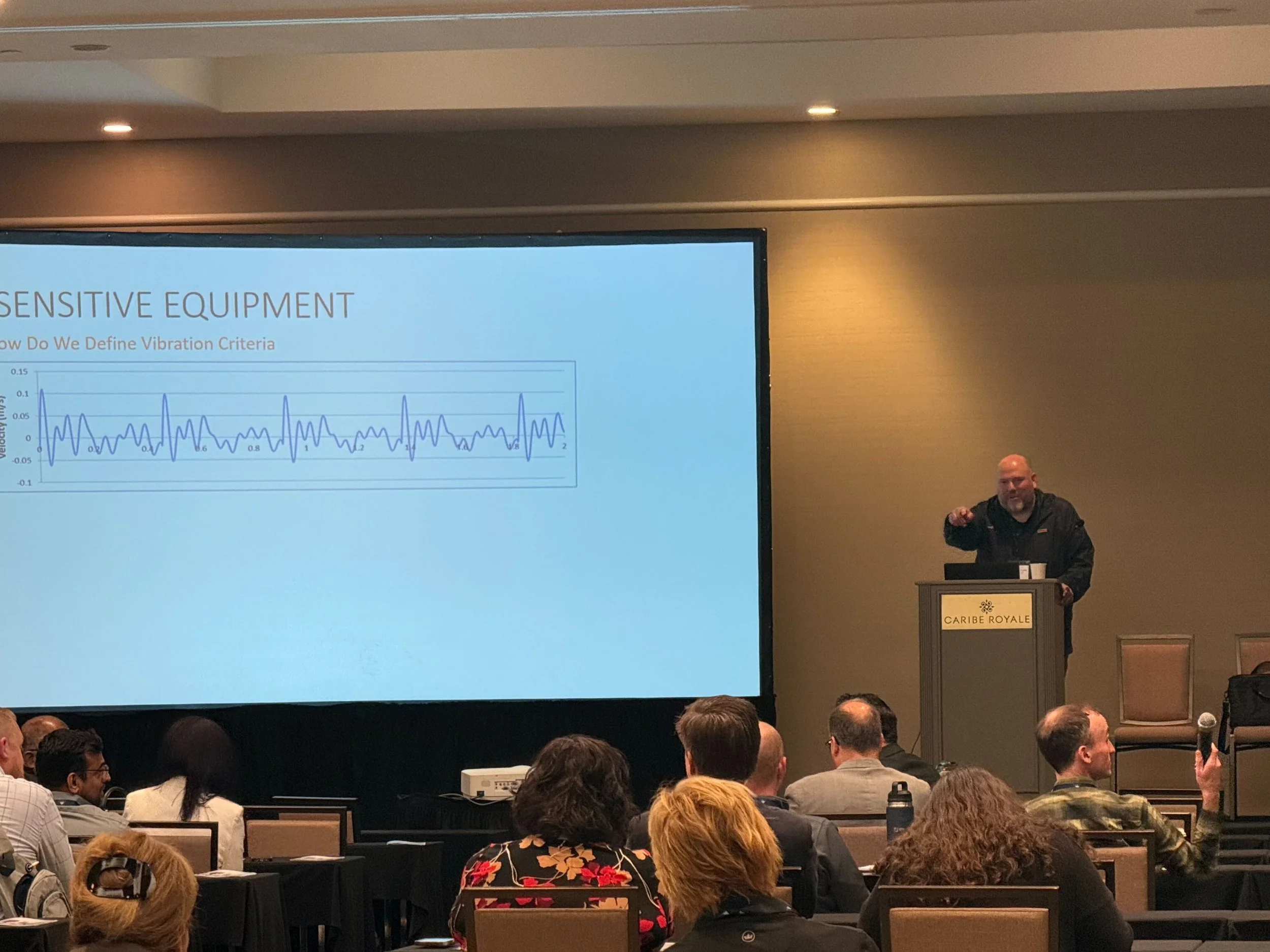
Interactive and discussion-based formats provided opportunities for deeper engagement. Mike Wesolowsky of Thornton Tomasetti led a roundtable on Addressing Vibration Concerns in Laboratory Design and Renovation, where attendees explored how structural and environmental factors impact both research precision and occupant comfort.
A panel titled Lessons from the Unexpected—Navigating Challenges in Lab Design, featuring Samuel Huber of Eurofins, Sean Convery of Cator, Ruma & Associates, Vladimir Novakovic of Perspectus Architecture, and Paul Thamann of Hixson, addressed the realities of unforeseen obstacles in lab projects and strategies for maintaining alignment with safety and operational goals.
Sustainability and decarbonization strategies
Sustainability and decarbonization were key topics throughout the day. Charlie Marino and Victor Sanchez of WSP, in “Decarbonizing Labs Through Thermal Energy Networks,” outlined how shared energy systems can reduce reliance on fossil fuels while improving resilience.
Cody Henderson of Mackey Mitchell Architects examined the risks and rewards of renovating existing buildings in his talk, The Good, the Bad, and the Green: Making the Case for Renovation and Adaptive Reuse in Laboratory Design, emphasizing coordination and long-term planning to future-proof facilities.
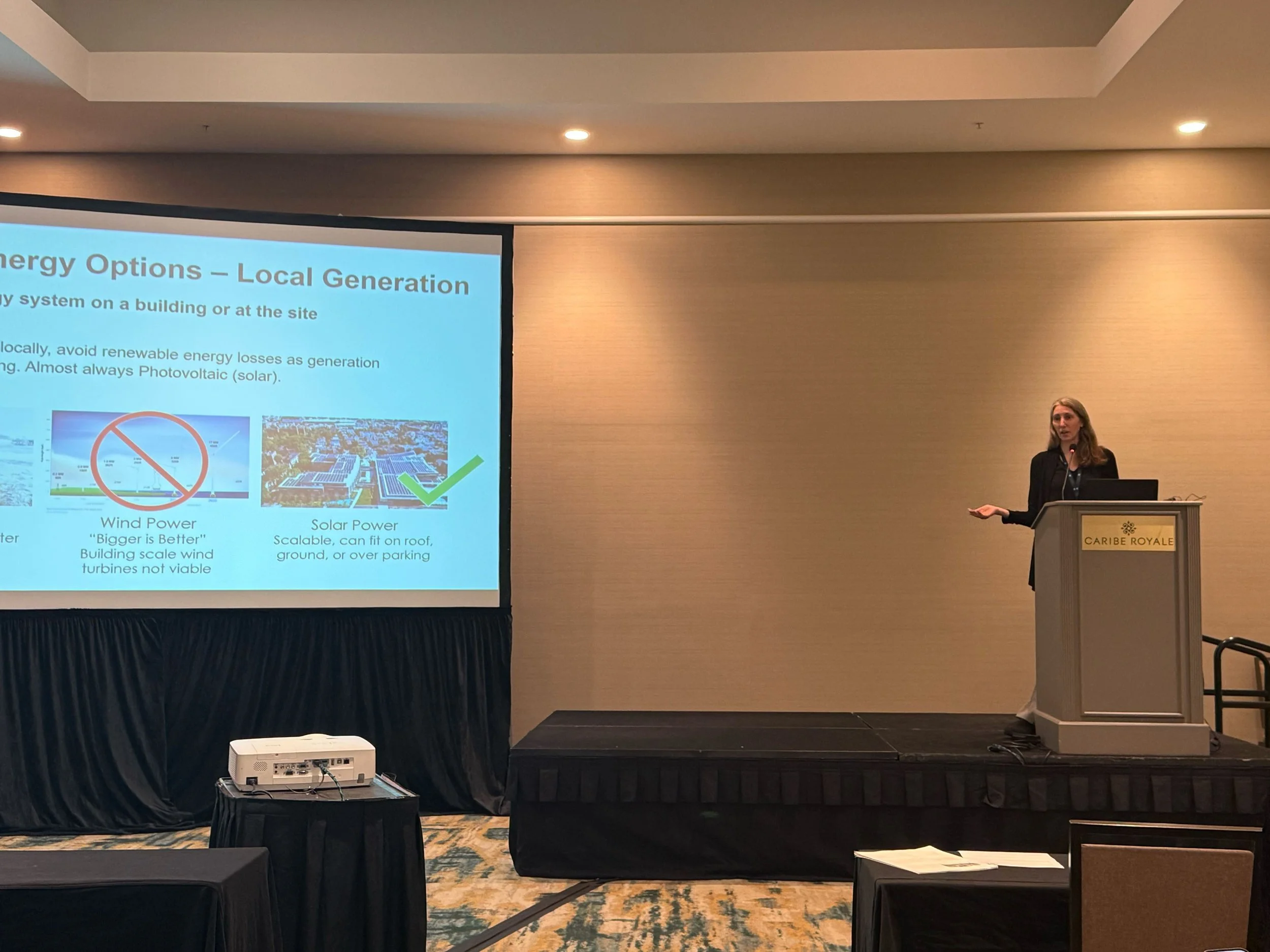
Shannon Kaplan of WSP, in Building Sustainable Labs for Decarbonization: Integrating Renewable Energy into Modern Laboratory Design, further expanded on this theme by exploring renewable energy strategies and their long-term financial and environmental benefits.
Automation, renovation, and technical problem-solving
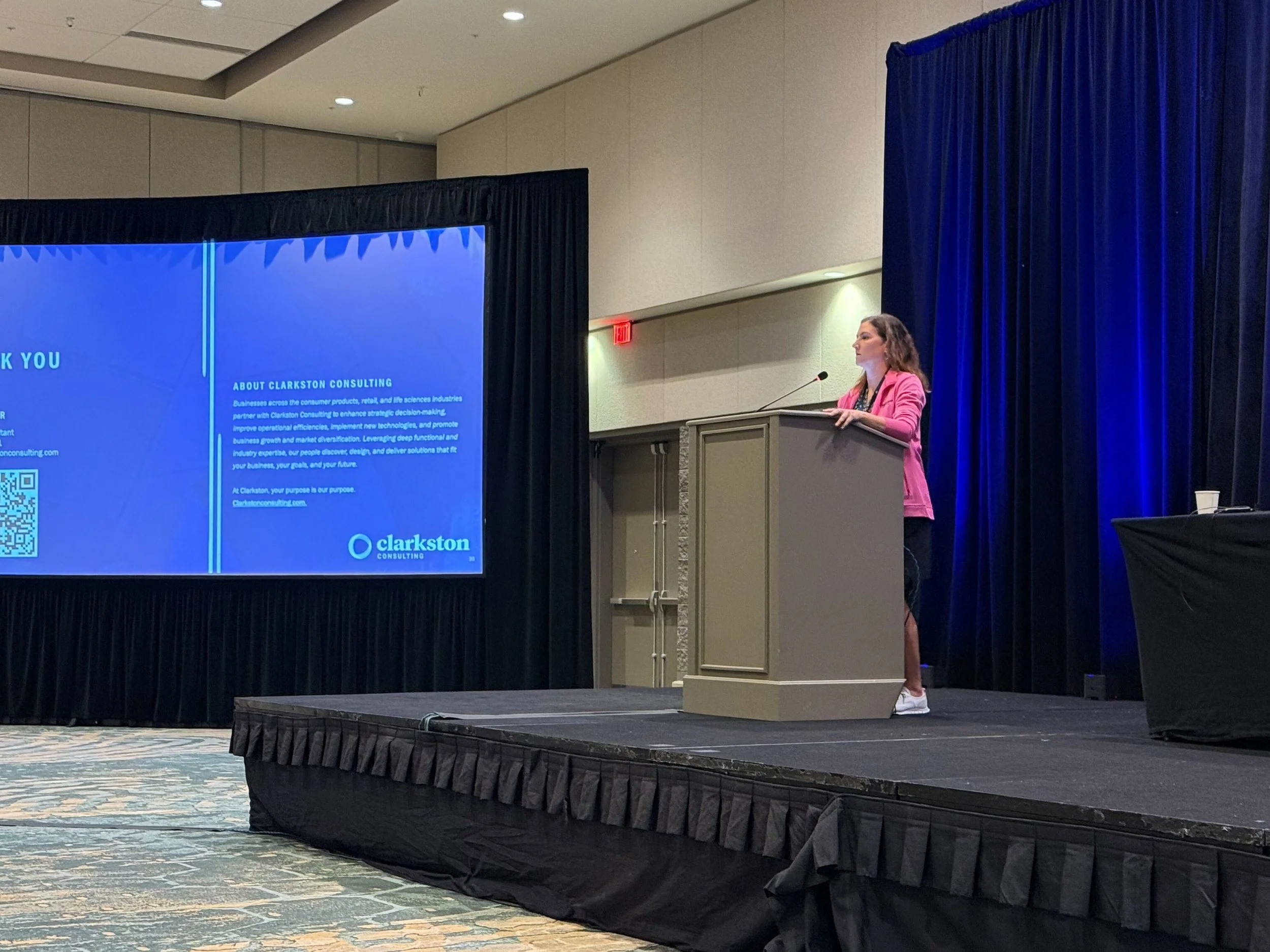
Technology and innovation also played a central role. Tina Yauger of Clarkston Consulting, in Navigating Laboratory Automation: Benefits, Implementation Strategies, and Building a Compelling Business Case, provided guidance on evaluating readiness for automation and securing organizational buy-in.
A breakout session on Challenges and Opportunities for Your Next Laboratory Renovation, led by John Saad and Drew Simpson of R.G. Vanderweil Engineers, along with Brian Roth and Jonathan Lusin of IKM Architecture, offered practical strategies for navigating the constraints of existing buildings while maintaining performance and efficiency.
Designing for users and operational success
User-centered design and operational insight were highlighted in several sessions. In Designing for Impact: Building a Future-Ready Pathology Lab, Alfonso Ortiz and Tomekia Trimble of University Health discussed how thoughtful layout, ventilation, and ergonomics can improve both safety and workflow in high-volume pathology environments.
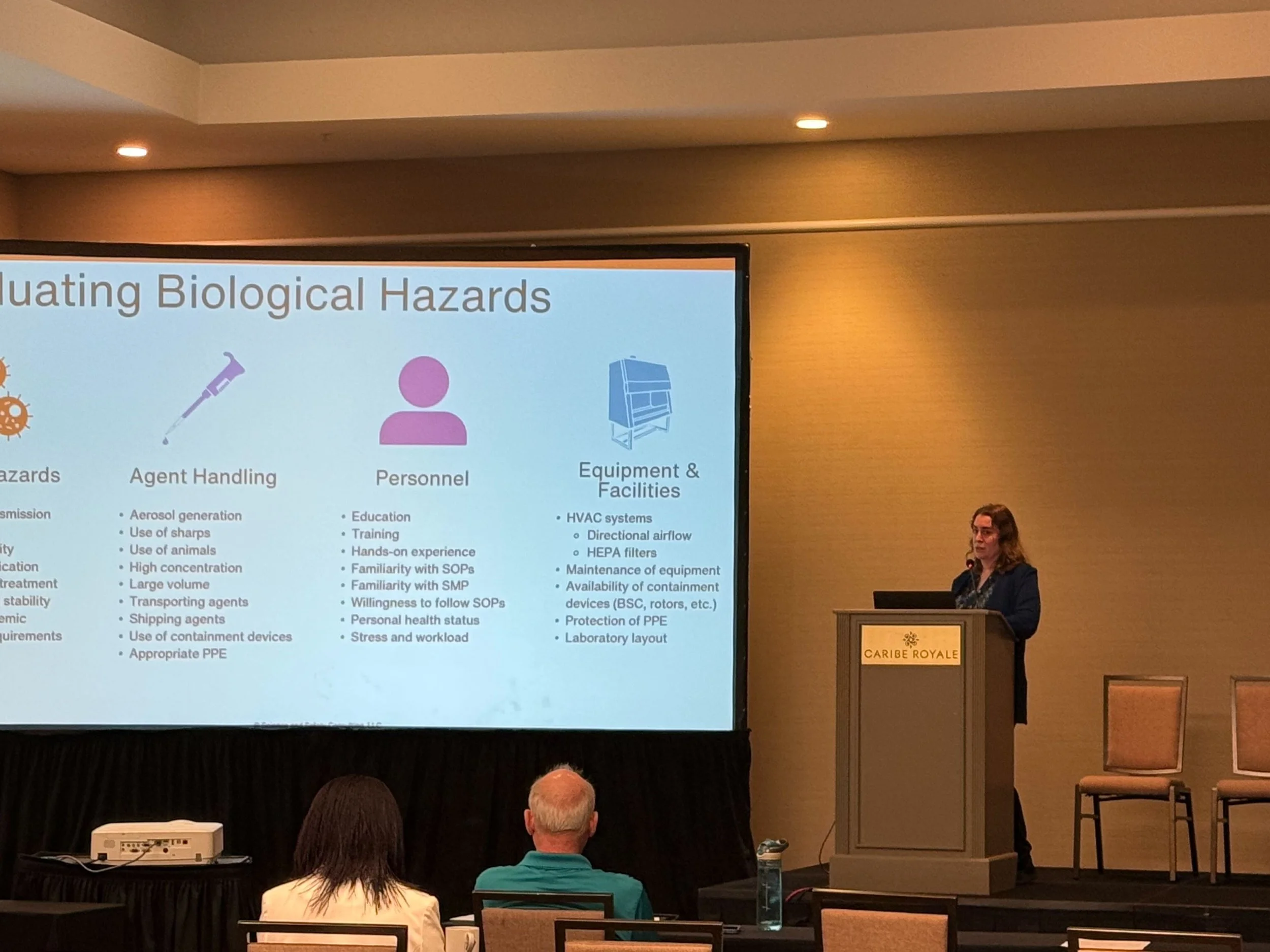
In Optimizing Lab Design: Supporting Scientific Operations and Ensuring Biosafety, Julianne Baron of Science and Safety Consulting emphasized the importance of aligning laboratory design with scientific workflows from the earliest planning stages. Her presentation highlighted common design pitfalls that can compromise efficiency, ergonomics, and biocontainment, offering practical strategies for fostering collaboration between design teams and lab users to create safe, functional, and adaptable laboratory environments.
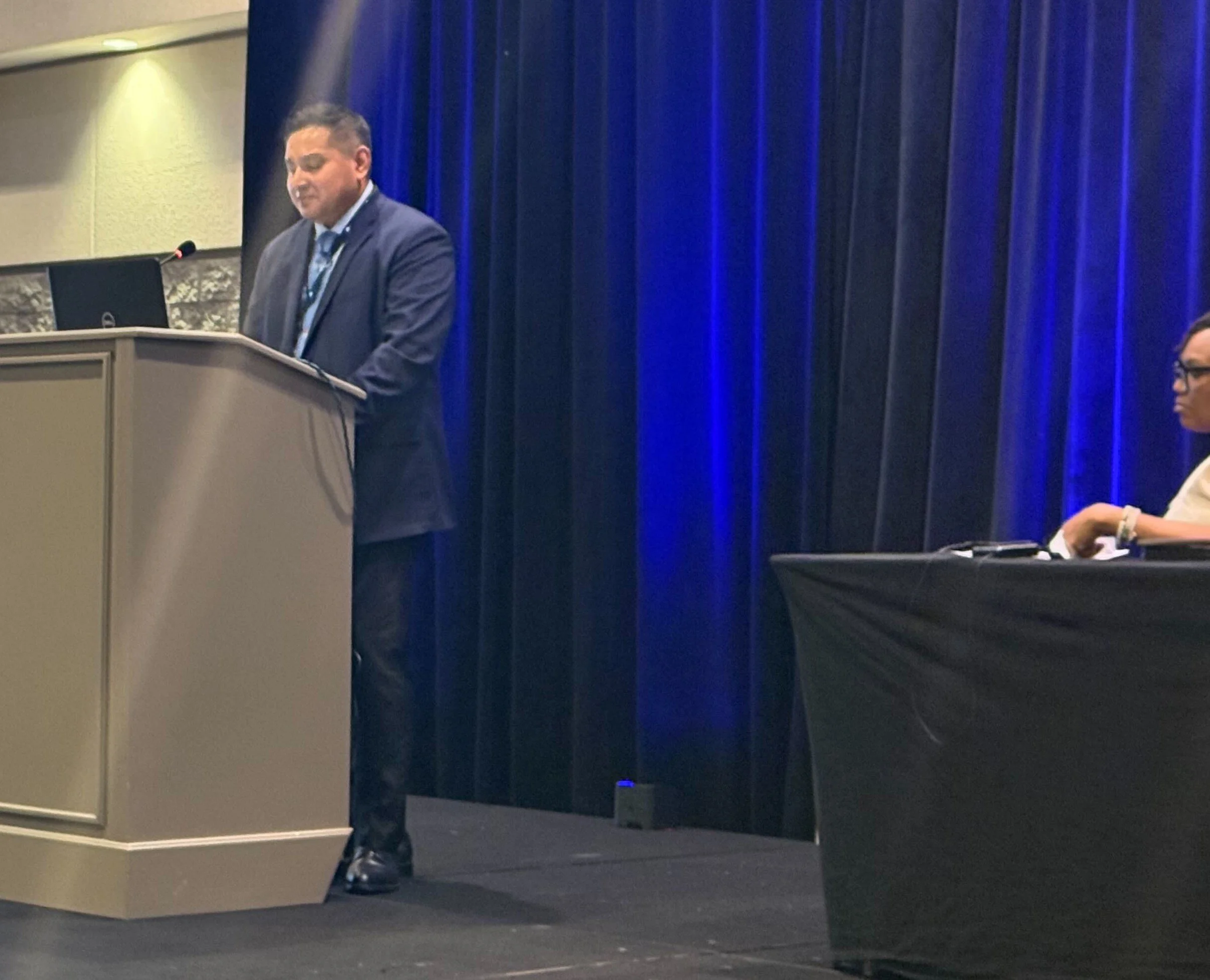
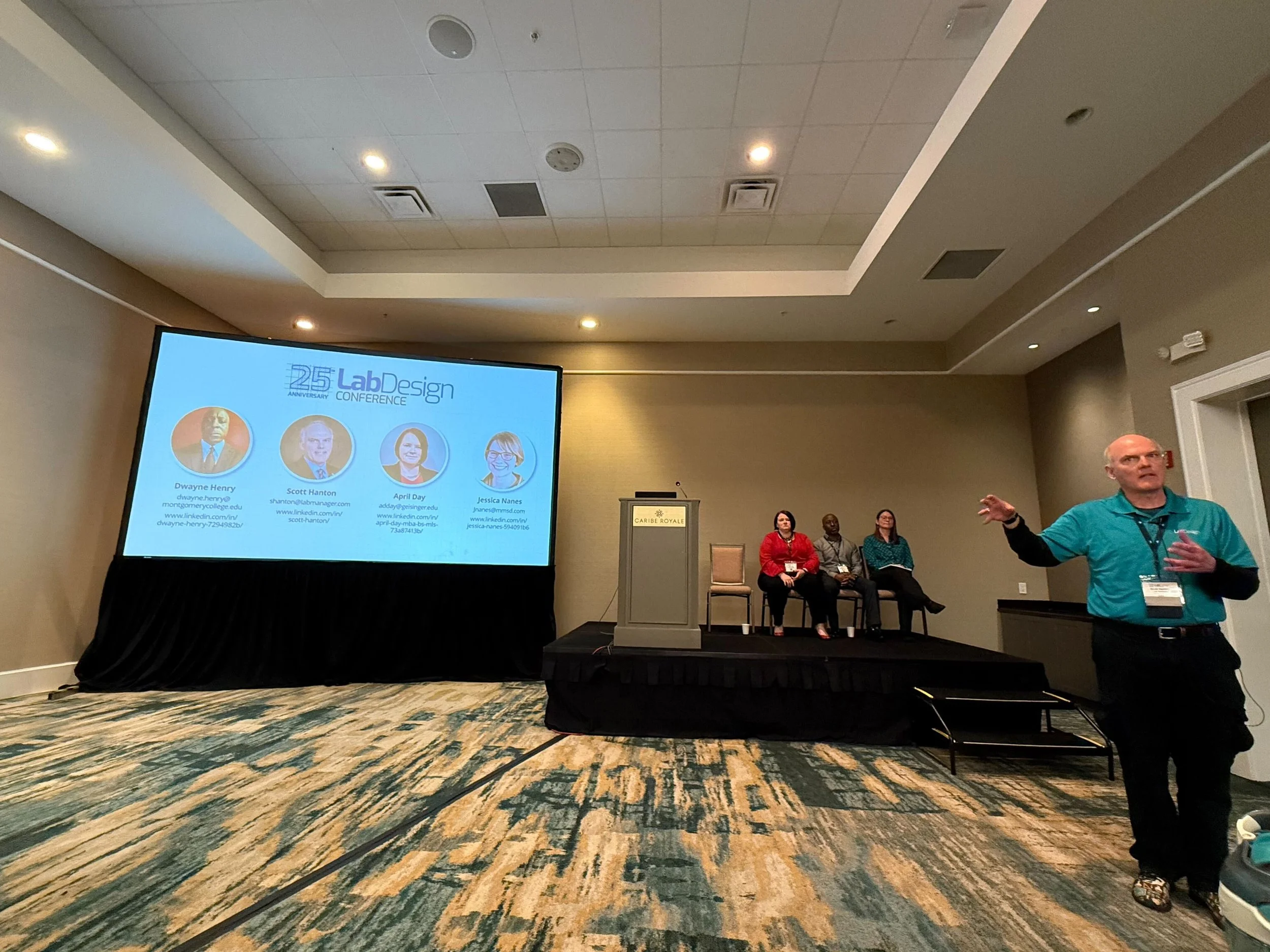
The importance of end-user perspectives was underscored in the panel Insights from Lab End Users—Avoiding Pitfalls in Laboratory Projects, featuring Dwayne Henry of Montgomery College, Scott Hanton of Lab Manager, April Day of Geisinger Health System, and Jessica Nanes of the Milwaukee Metropolitan Sewerage District. Panelists shared lessons learned from past projects and emphasized the need for clear communication between users and design teams to avoid costly missteps.
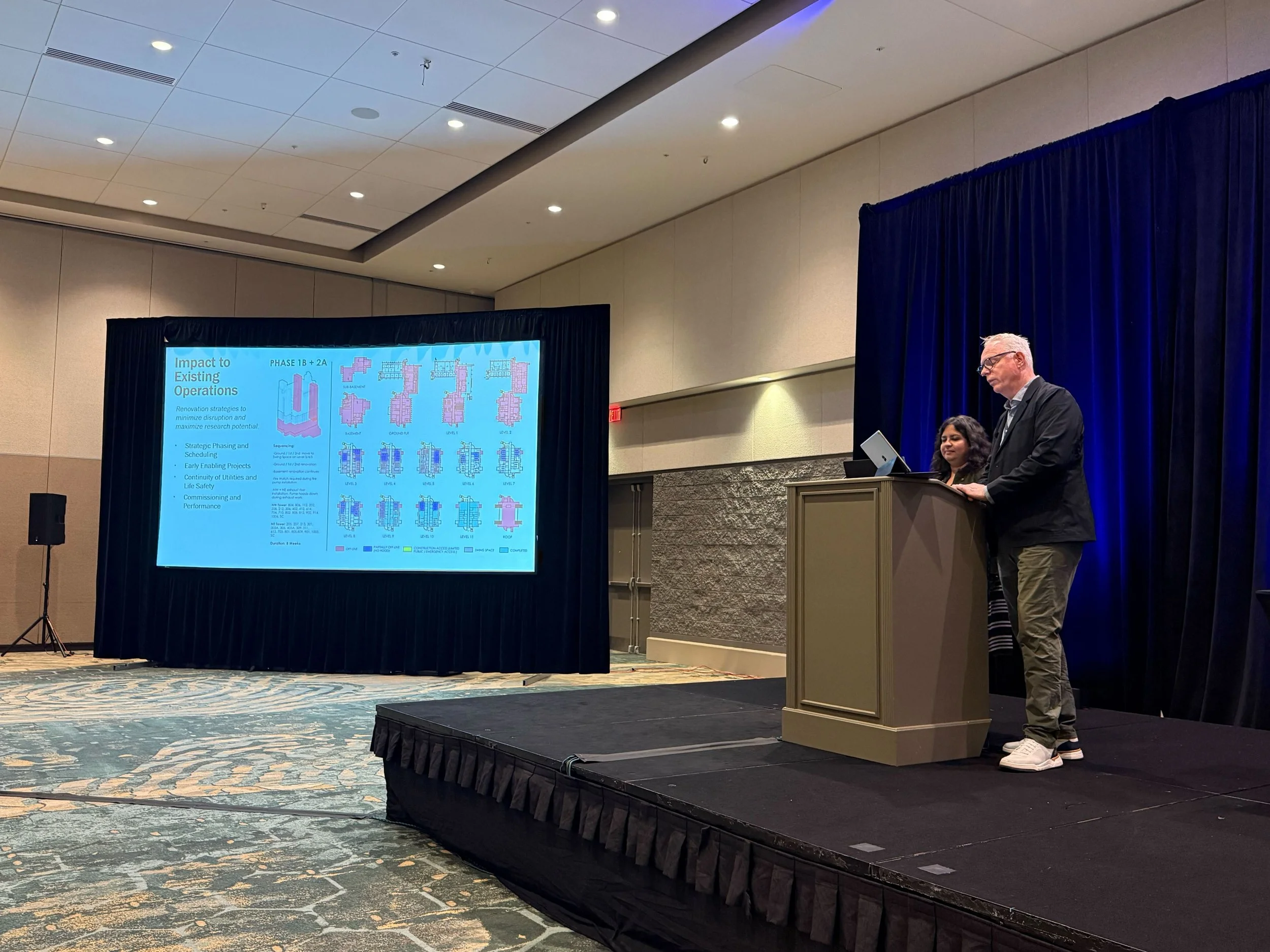
The day concluded with a forward-looking general session by Charu McDermott and Tom Clune of CannonDesign, who explored how adaptable, flexible laboratory environments can better respond to evolving research priorities, emerging technologies, and uncertain funding landscapes.
Designing for an uncertain future
The day concluded with a general session, Labs in Flux: Designing for the Science You Can’t Yet Predict, presented by Charu McDermott and Tom Clune of CannonDesign. Their talk challenged traditional notions of fixed laboratory design, advocating instead for flexible, adaptable environments that can respond to shifting research priorities, emerging technologies, and uncertain funding landscapes.
Overall, the second day of educational sessions reinforced a central theme: successful laboratory design requires not only technical expertise, but also adaptability, collaboration, and a deep understanding of how spaces support the people and science within them.