
Key Takeaways from the Lab Design Conference
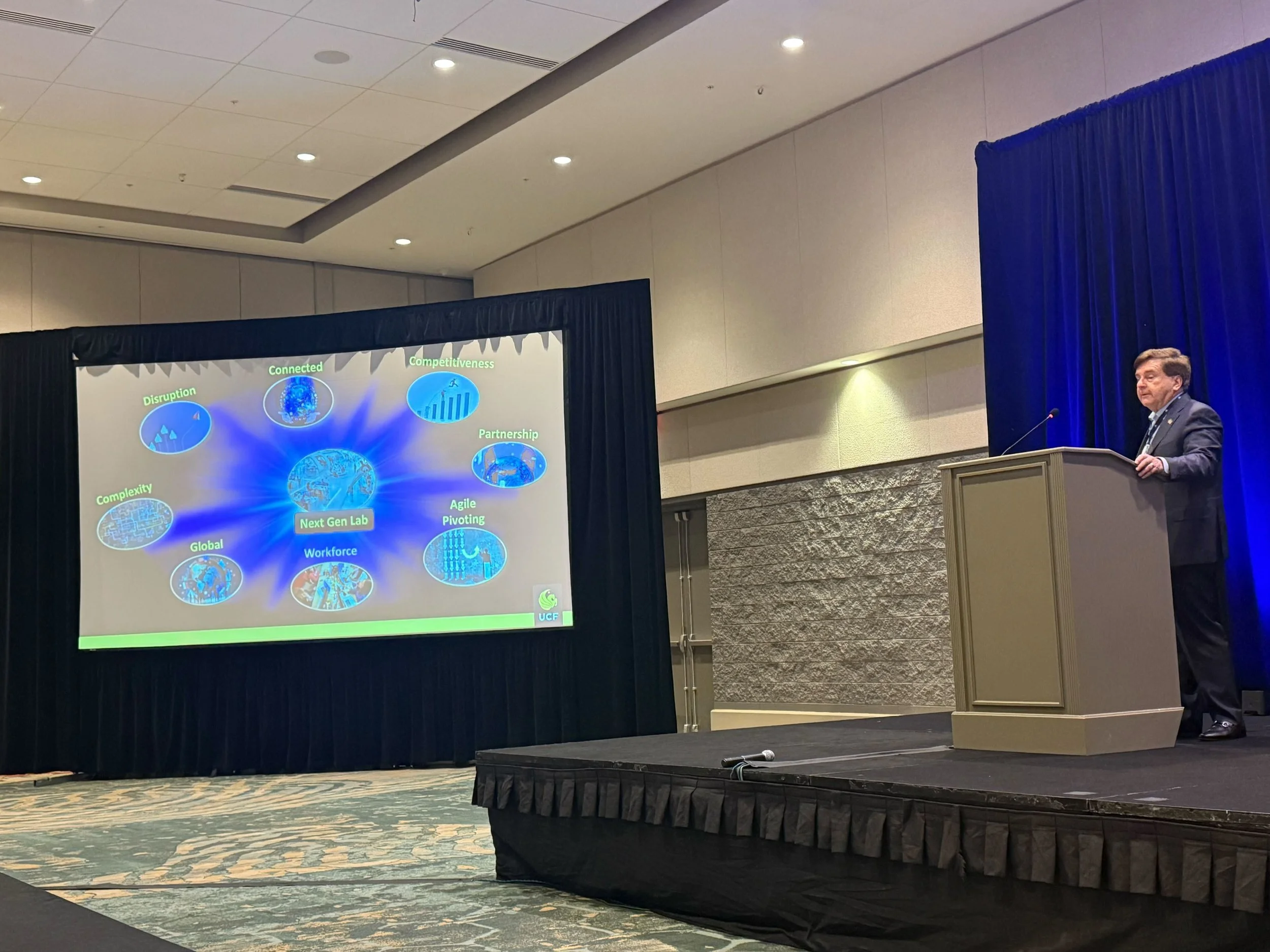
Dr. Marc Mendonca explored how thoughtful laboratory design—from spatial planning to immersive visualization tools—can strengthen collaboration, accelerate discovery, and help attract and retain scientific talent.
The Lab Design Conference brings together laboratory end users, planners, architects, engineers, and industry partners to explore how research environments are conceived, designed, and delivered. For end users, it offers a chance to clearly communicate what they need from their spaces—how workflows function in practice, where challenges arise, and how design can better support comfort, safety, and scientific productivity. For project teams and industry professionals, it provides direct insight into evolving client needs and trends shaping laboratory operations, while also creating opportunities to connect with potential clients, strengthen relationships, and build new professional networks.
Against this backdrop of shared learning and exchange, the 25th annual Lab Design Conference opened its first full day of educational programming on May 12, 2026 in Orlando, FL, with a unifying message: the environments in which science happens are now as influential as the science itself.
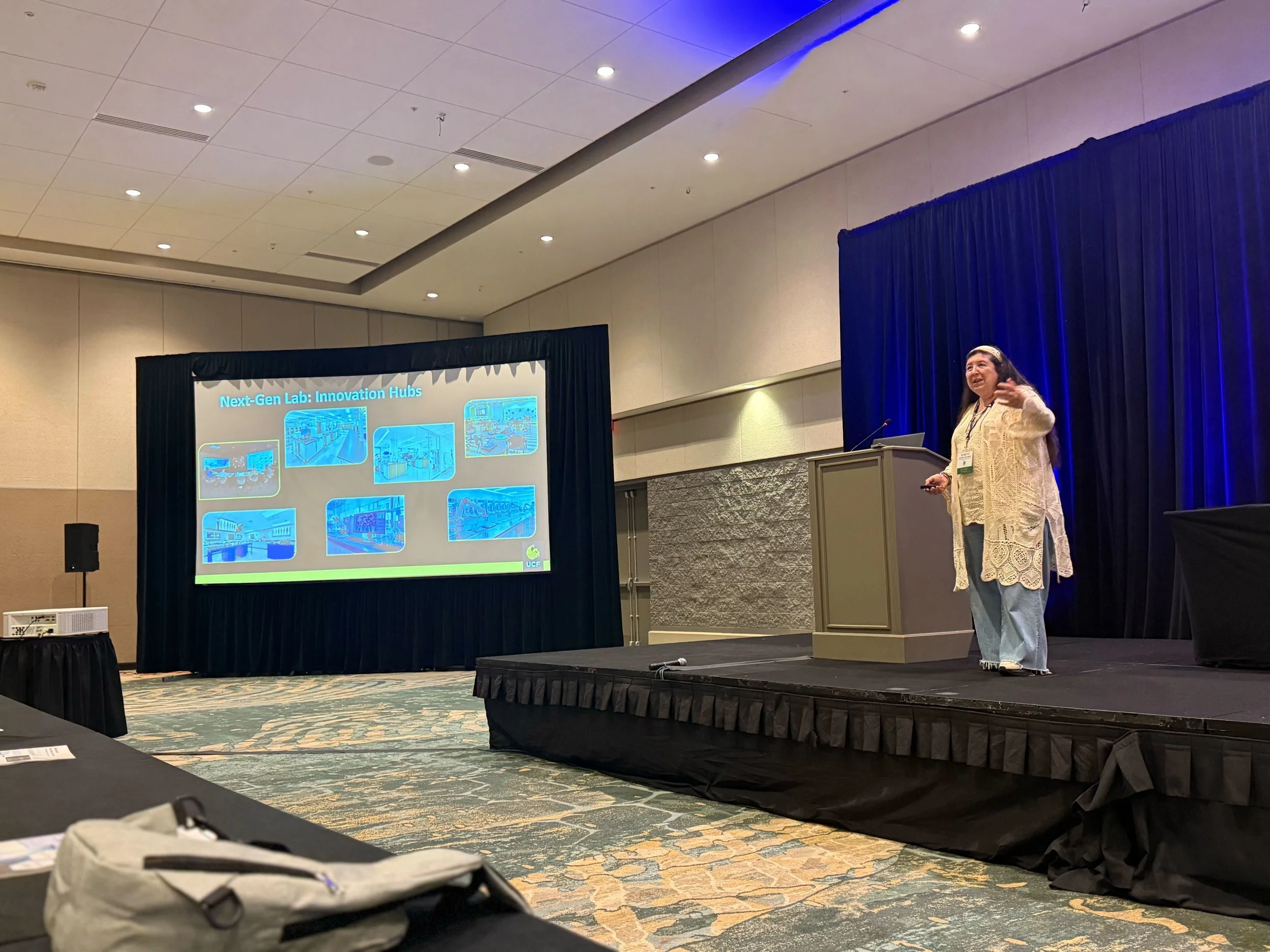
Dr. Carolina Cruz-Neira highlighted the evolving role of virtual reality and user-centered design in shaping next-generation research environments that better support scientific innovation before construction even begins.
The opening keynote, The Architecture of Innovation: Designing Labs for the Next Scientific Revolution, was delivered by Dr. Marc Mendonca and Dr. Carolina Cruz-Neira of the University of Central Florida. Drawing on their experience as both researchers and institutional leaders, the speakers explored how design decisions—from spatial configuration to emerging visualization technologies—directly shape research productivity, collaboration, and talent retention.
They also examined the trade-offs of open laboratory concepts and highlighted the growing role of virtual reality in testing design ideas before construction begins.
The keynote reinforced a central theme of the day: end users must be actively engaged in shaping laboratory environments to ensure those spaces truly support scientific advancement.
Energy, efficiency, and core lab infrastructure
After the opening keynote and the announcement of the 2026 Design Excellence Awards winners, the conference moved on to the first block of three concurrent sessions, which focused on operational efficiency and foundational design strategies.
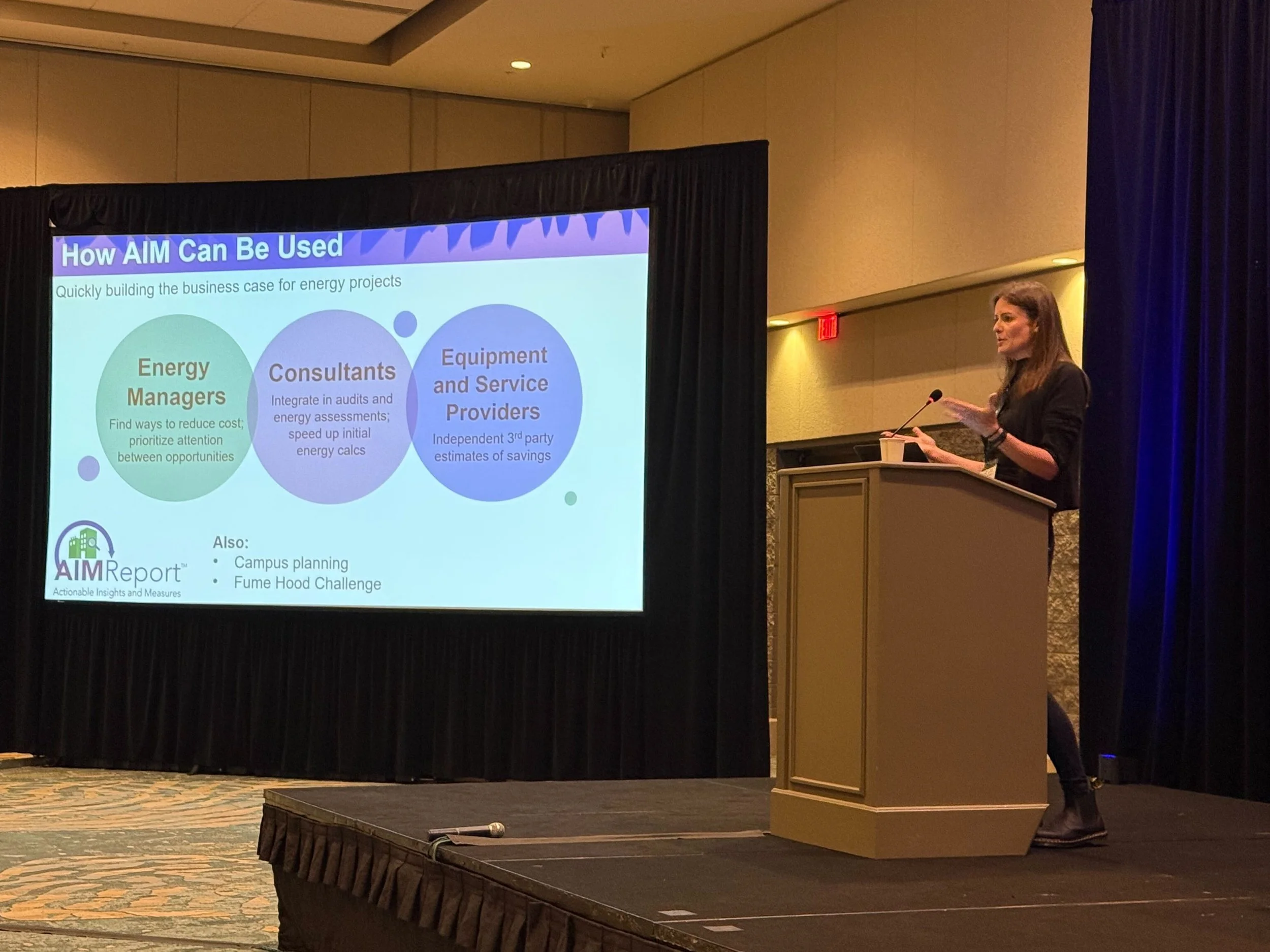
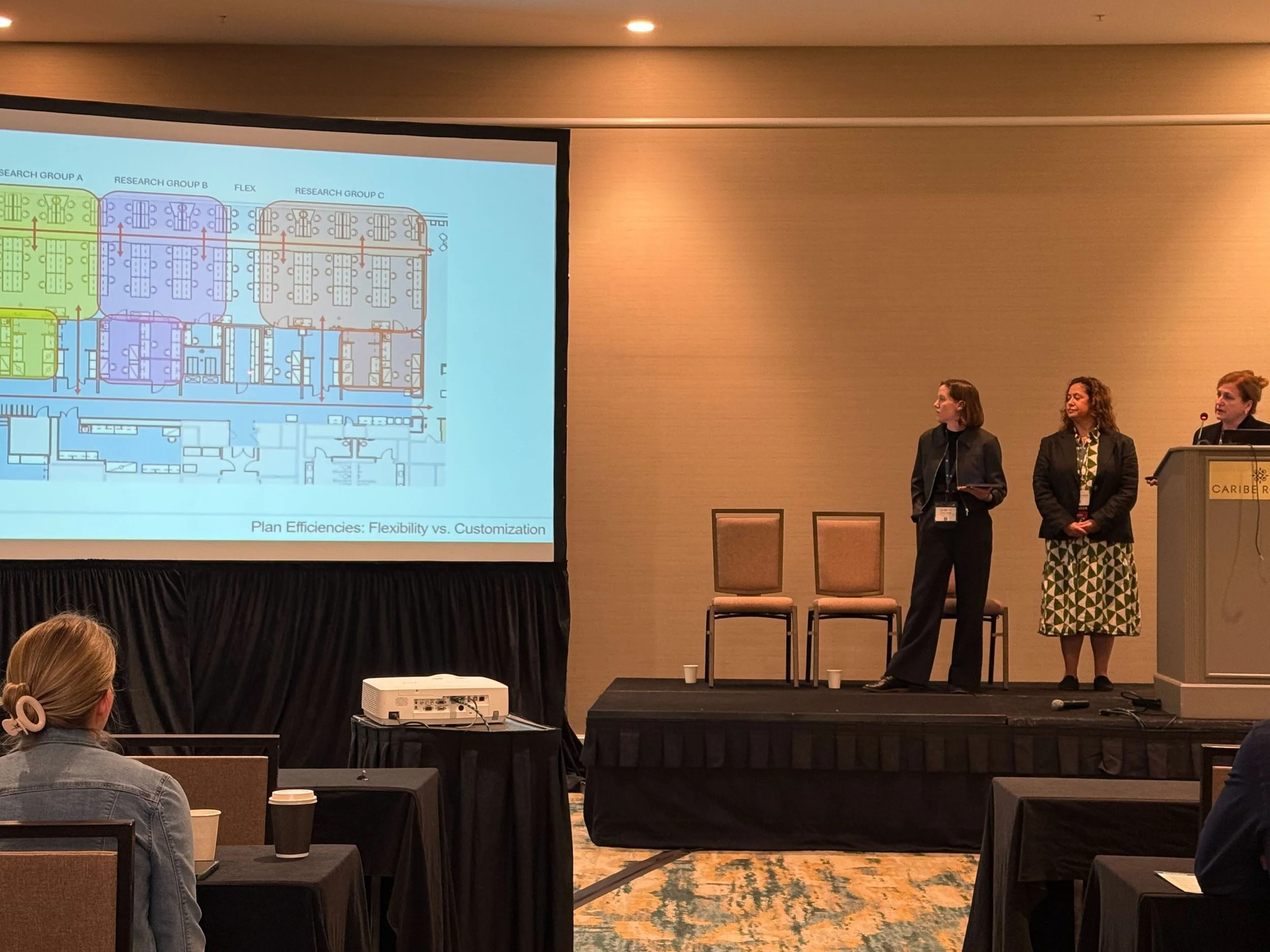
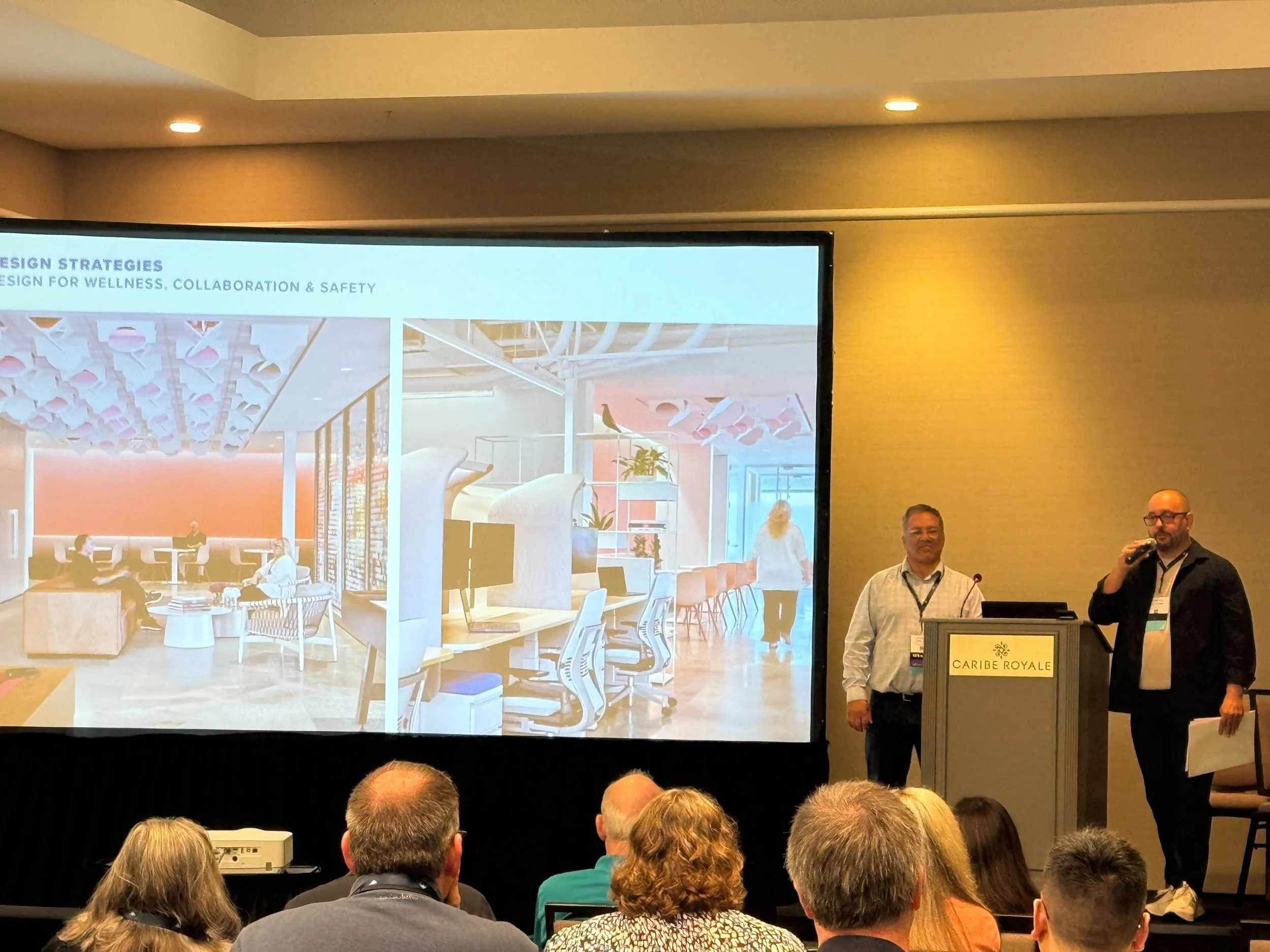
Energy Improvement When Challenged with Shrinking Budgets, featuring Alison Farmer of I2SL, examined energy efficiency in the context of tightening budgets, with Farmer demonstrating how automated audit tools can identify cost-saving opportunities and prioritize upgrades without resource-intensive studies. Maximizing Efficiency in Urban Lab Spaces Through Phased Fit-outs, a talk given by ARC/Architectural Resources Cambridge’s Caitlin Walsh and Katie Archard alongside Catherine Michalowicz of Dana-Farber Cancer Institute, explored phased fit-out strategies in dense urban environments, highlighting Dana-Farber Cancer Institute’s approach to maintaining flexibility while continuously evolving collaboration and lab spaces. Lab Design Strategies to Support Scientific Development, with Philip Keyes of Nurix Therapeutics and Vince Flickinger of Gensler, shifted toward human-centered design, emphasizing how daylighting, biophilic elements, and ergonomic planning can improve both researcher well-being and scientific performance.
Safety, operations, and implementation challenges
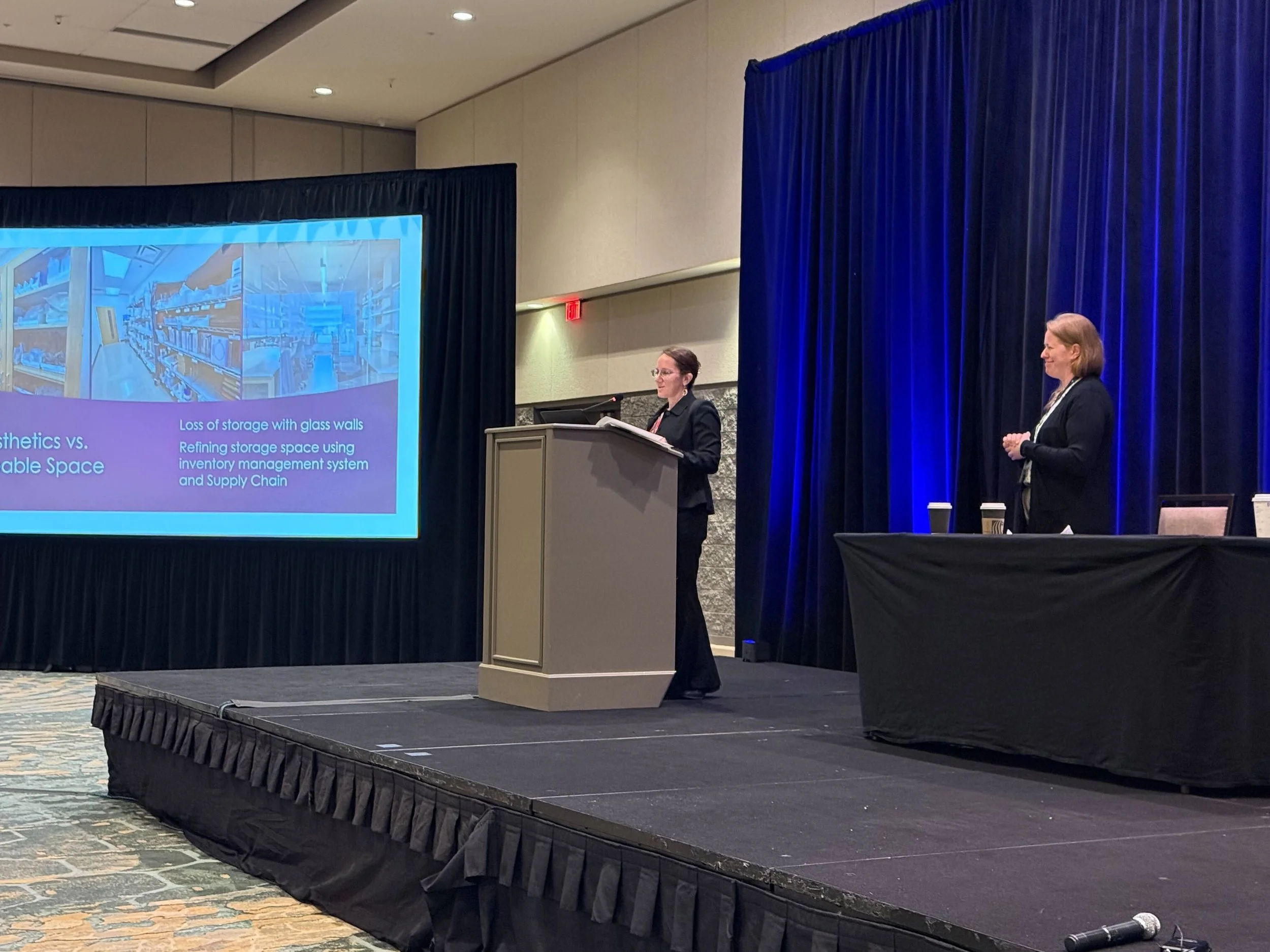
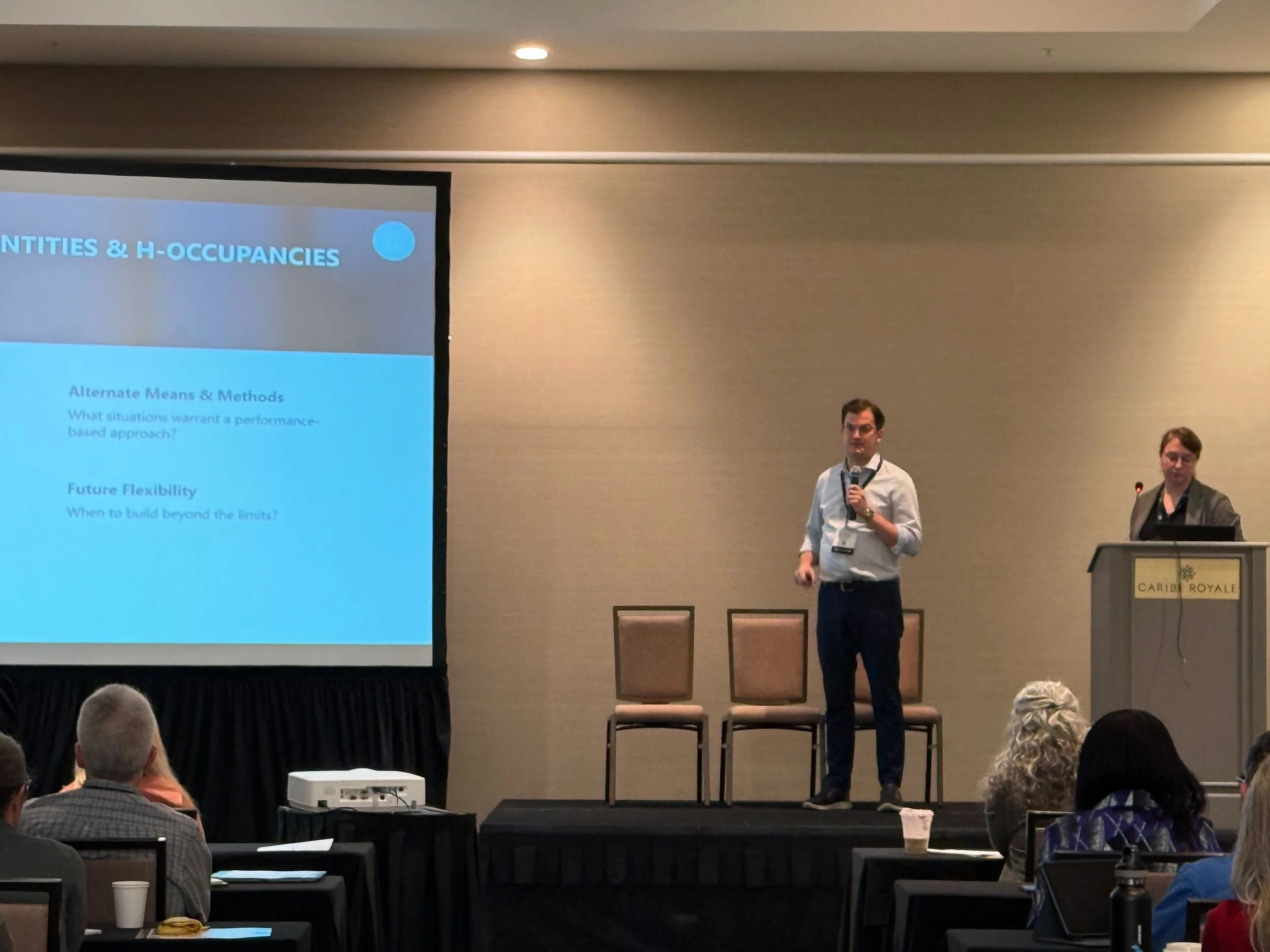
Late morning sessions addressed the practical realities of implementing and maintaining laboratory environments.
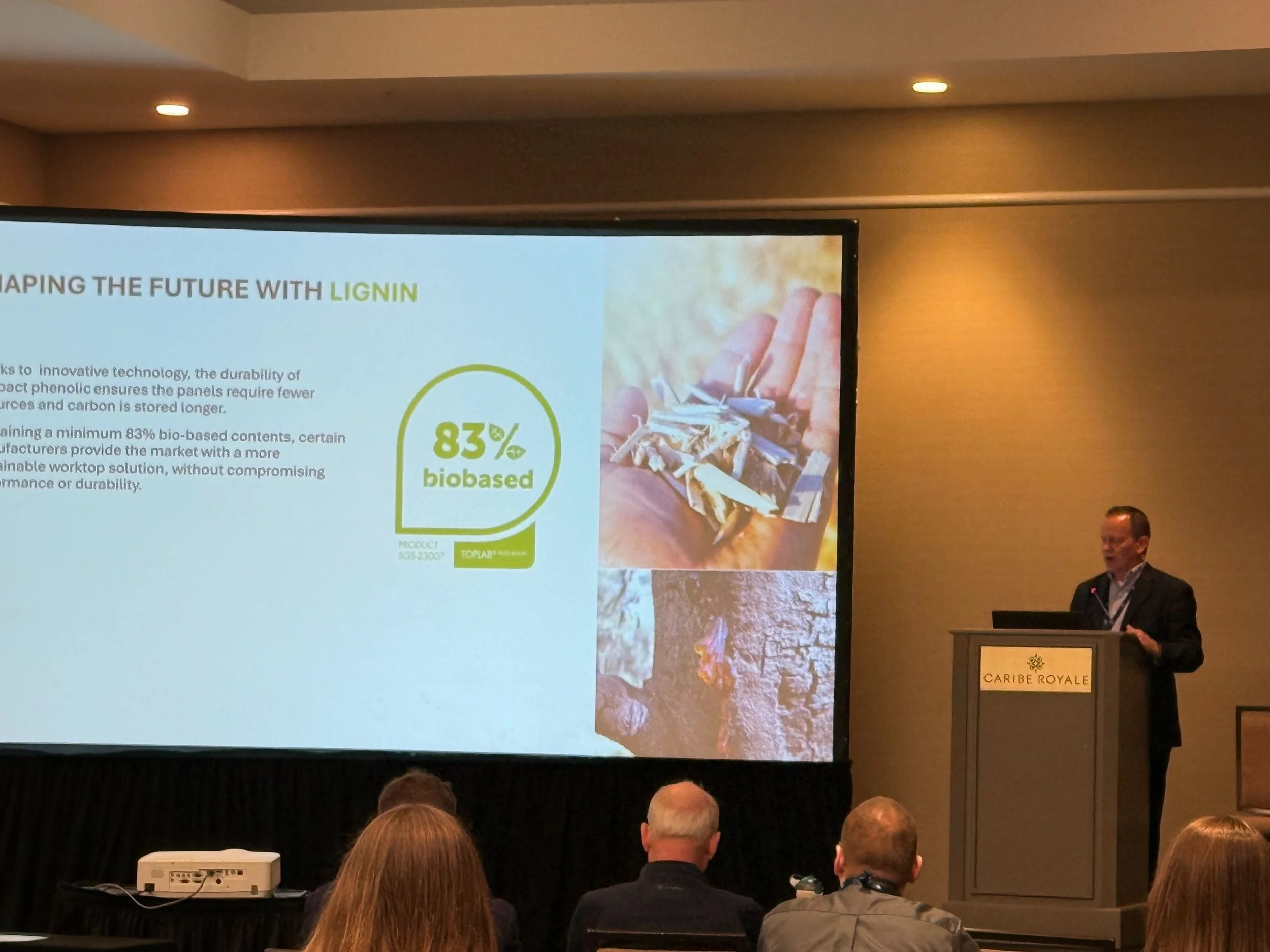
Christian Cole discussed the performance, design flexibility, and sustainability benefits of compact phenolic resin surfaces, highlighting their growing role in durable, high-demand laboratory environments.
Two lab managers—Aimee McKinney and Jessica Scholl of Nationwide Children’s Hospital—delivered the session Move Magic: How to Successfully Execute a Lab Space Transition, which focused on the complexity of laboratory relocations, emphasizing stakeholder alignment, regulatory compliance, and long-term planning. Meanwhile, in Smarter Labs, Safer Labs: Optimizing Design with Hazardous Materials in Mind, BWBR’s Nate Roisen and Kat Lauer explored hazardous materials planning, reinforcing the importance of integrating safety considerations early in design to streamline permitting and reduce operational risk.
Christian Cole, Trespa TopLab sales manager, East & Central US with Formica Corporation, highlighted the durability and sustainability advantages of compact phenolic resin surfaces in his talk, High Performing and Sustainable Surfaces for the Laboratory—Compact Phenolic Resin. Cole reviewed the benefits of compact phenolic resin as a high-performance, durable material for demanding laboratory environments, covering its properties, manufacturing processes, and surface/core technologies. He also covered its design flexibility and sustainability credentials, with a look at emerging innovations in the material.
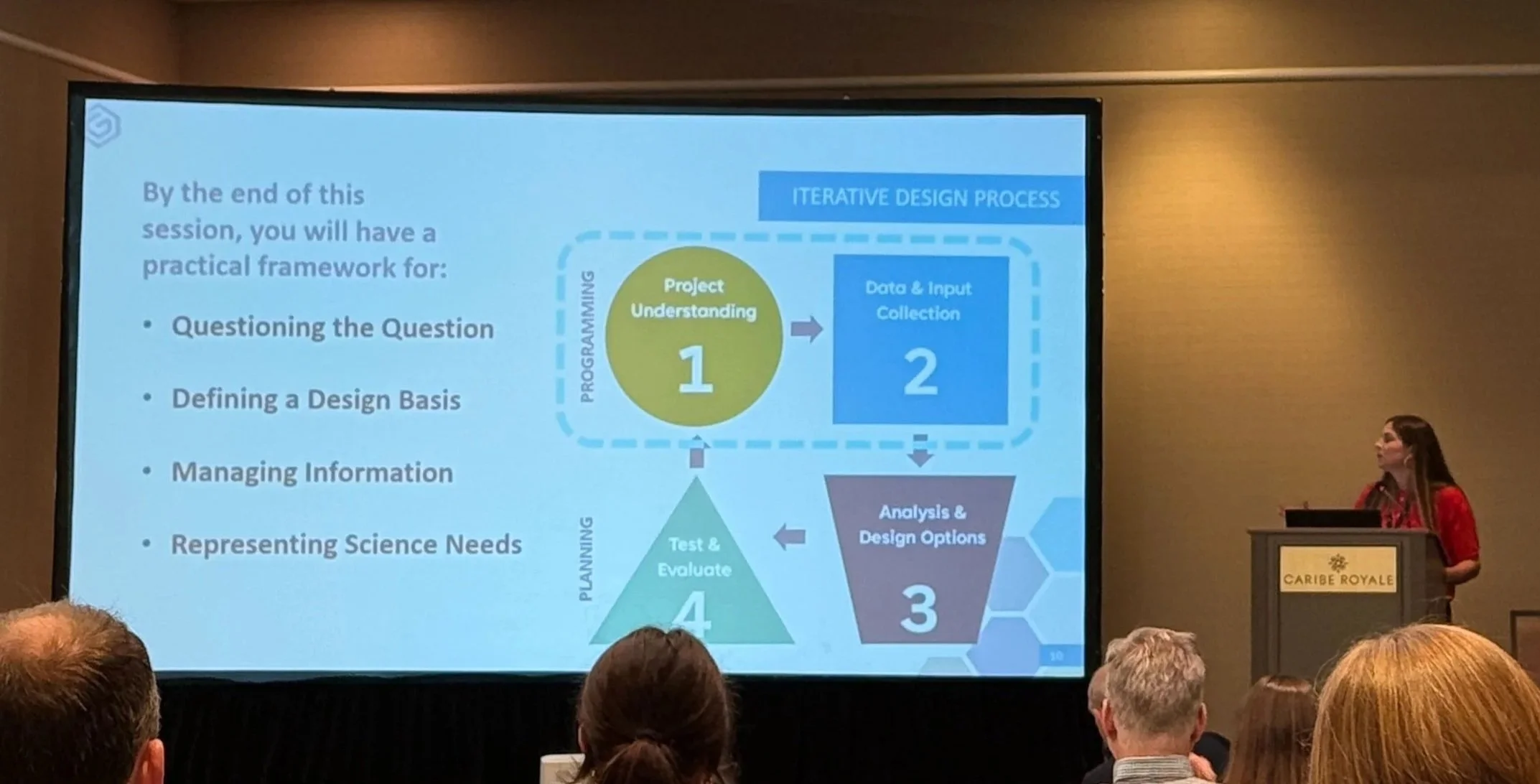
Kelly Smyth emphasized the importance of early programming, clear communication, and strategic data gathering in transforming complex scientific workflows into safe, efficient, and adaptable laboratory environments.
Kelly Smyth, associate director of lab planning with Genesis AEC, emphasized the foundational role of programming, communication, and early data gathering in translating scientific workflows into functional spaces in her presentation, Strong Foundations: Building Understanding Through Lab Programming. Smyth outlined strategies for asking the right questions, organizing key inputs, and translating complex research needs into safe, efficient, and adaptable design decisions that support both scientific workflows and regulatory requirements.
Case studies: manufacturing, healthcare, academic labs
A series of case studies illustrated how laboratory design principles are being applied across diverse sectors.
The Beauty of Manufacturing: Examining New England Biolab’s Garden Facility Site Expansion with Christopher Angelakis of ARC/Architectural Resources Cambridge and Pat Norton of New England Biolabs showcased how New England Biolabs reimagined its campus to integrate production, science, and visitor experience. A key feature was a looped circulation system that connects social and scientific spaces, reinforcing brand identity while improving workflow efficiency. The project also incorporated biophilic design and post-pandemic flexibility in lab planning.
In contrast, No, We Can’t Put It on a Barge: Lessons from a Landlocked Blood Bank Renovation presented a pragmatic renovation story from Baptist Health System. Facing a constrained, decades-old facility, the team—represented by speakers Gwen Robles, Marsha Pace, and Aaron Odegard of Baptist Health System—used lean methodologies and stakeholder engagement to modernize workflows and improve operational efficiency without new construction.
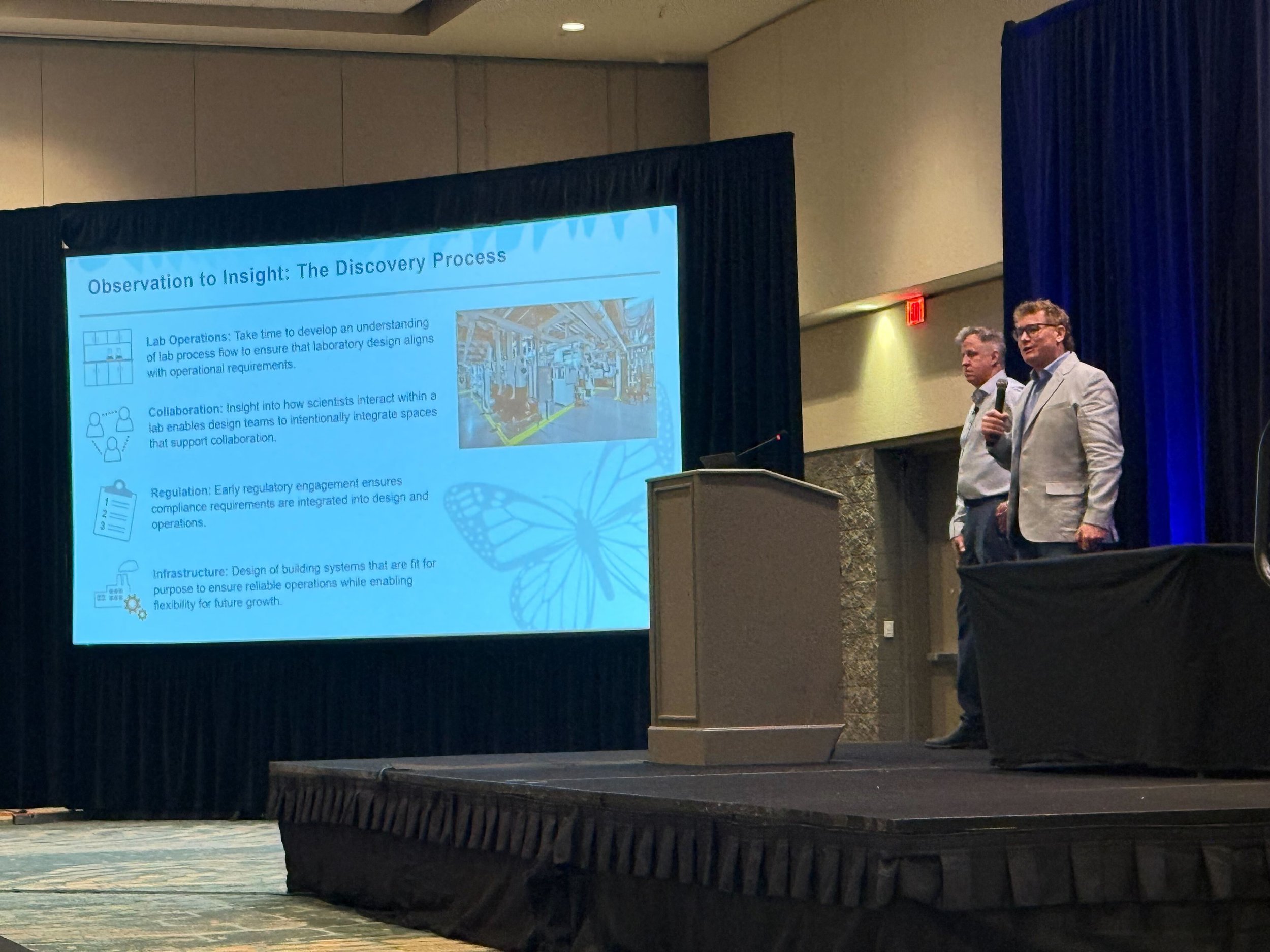
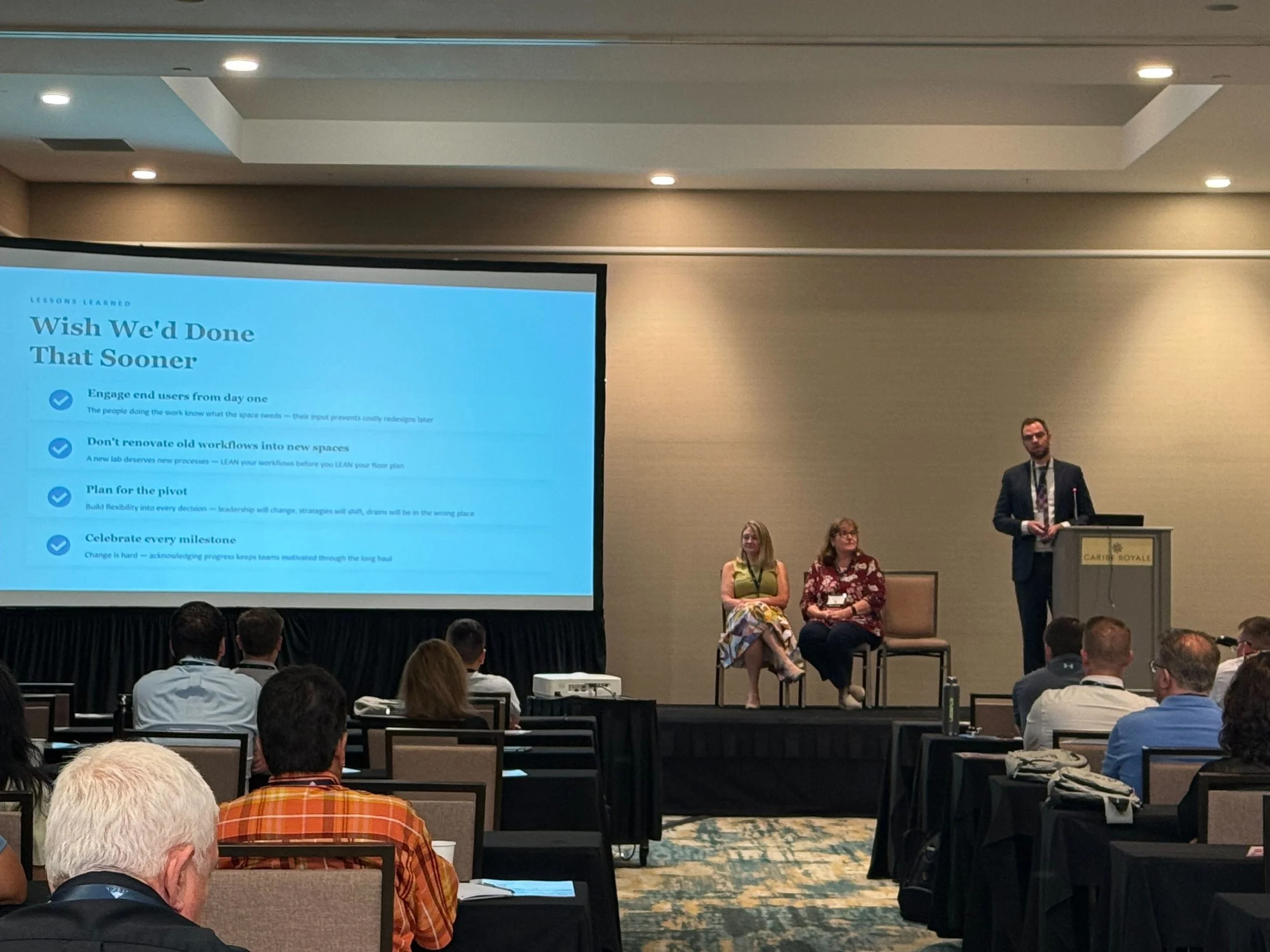
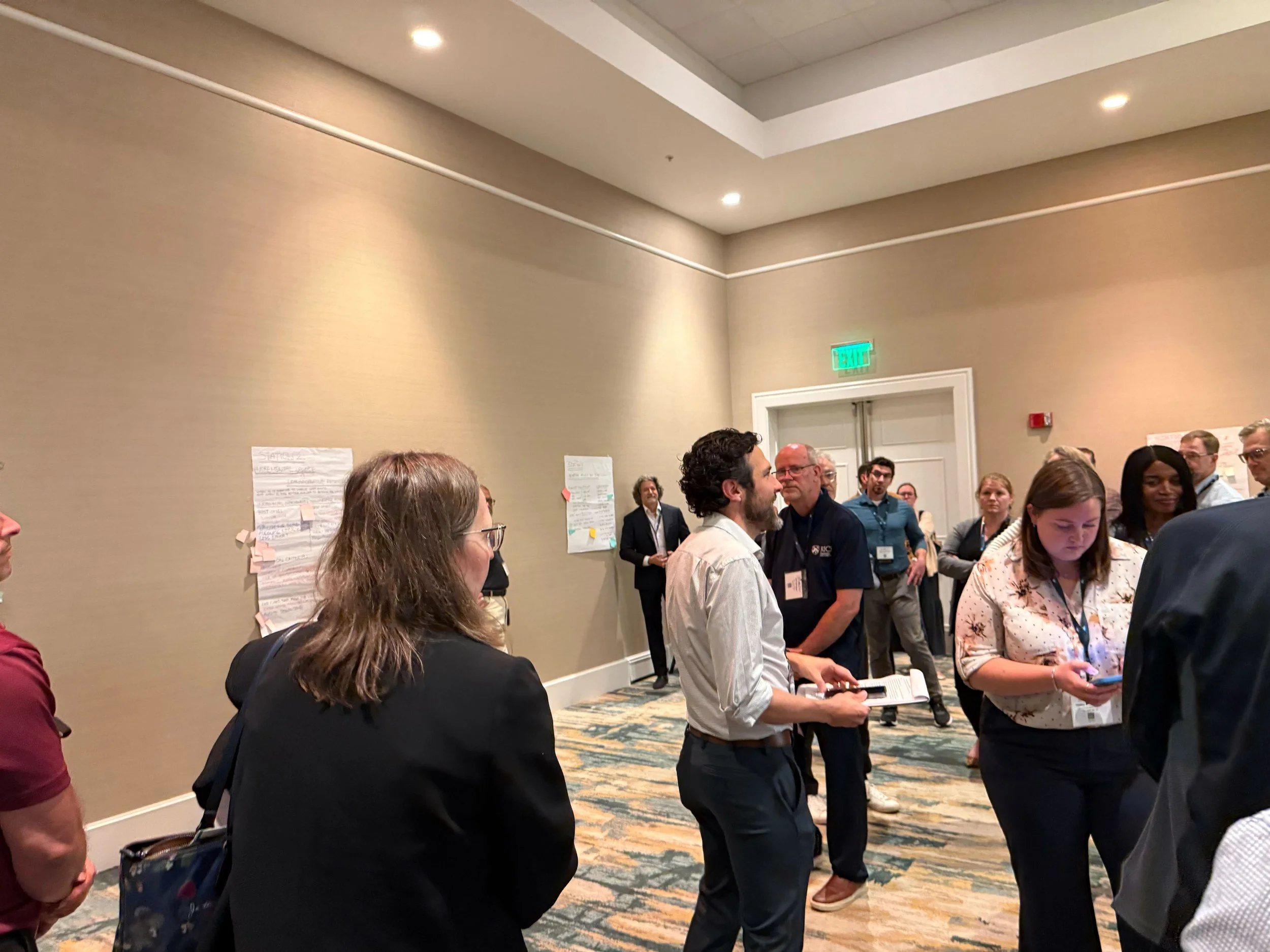
Juan Archila of Georgia Tech led an interactive roundtable discussion on Academic Lab Design, examining how universities balance aging infrastructure, limited funding, and competitive research demands. Participants emphasized flexible lab layouts and ongoing stakeholder collaboration as essential strategies for long-term adaptability.
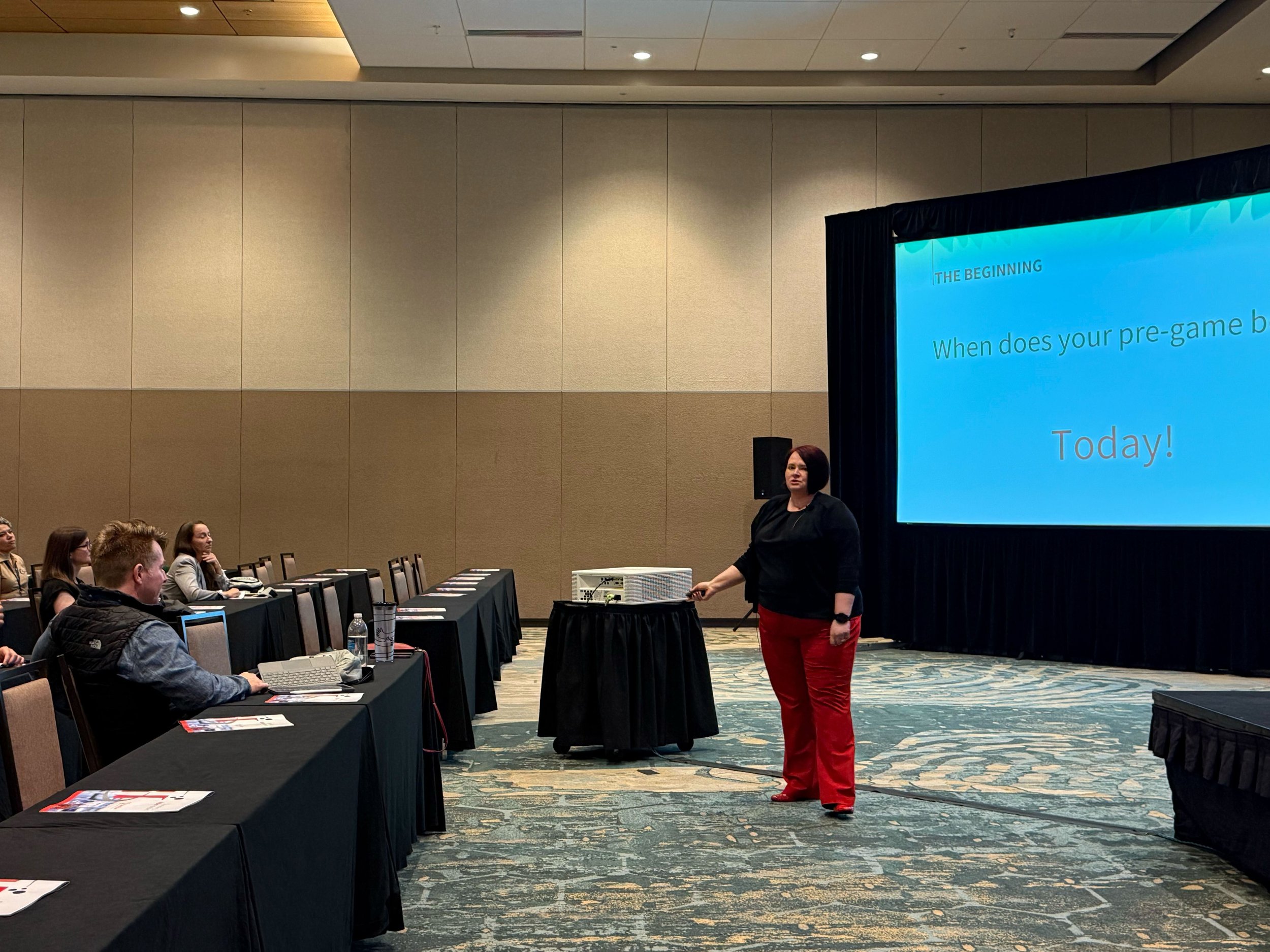
Pre-gaming With Your Stakeholders, presented by April Day of Geisinger Health System, highlighted the importance of early, sometimes difficult conversations during programming to uncover hidden operational needs and prevent costly downstream changes.
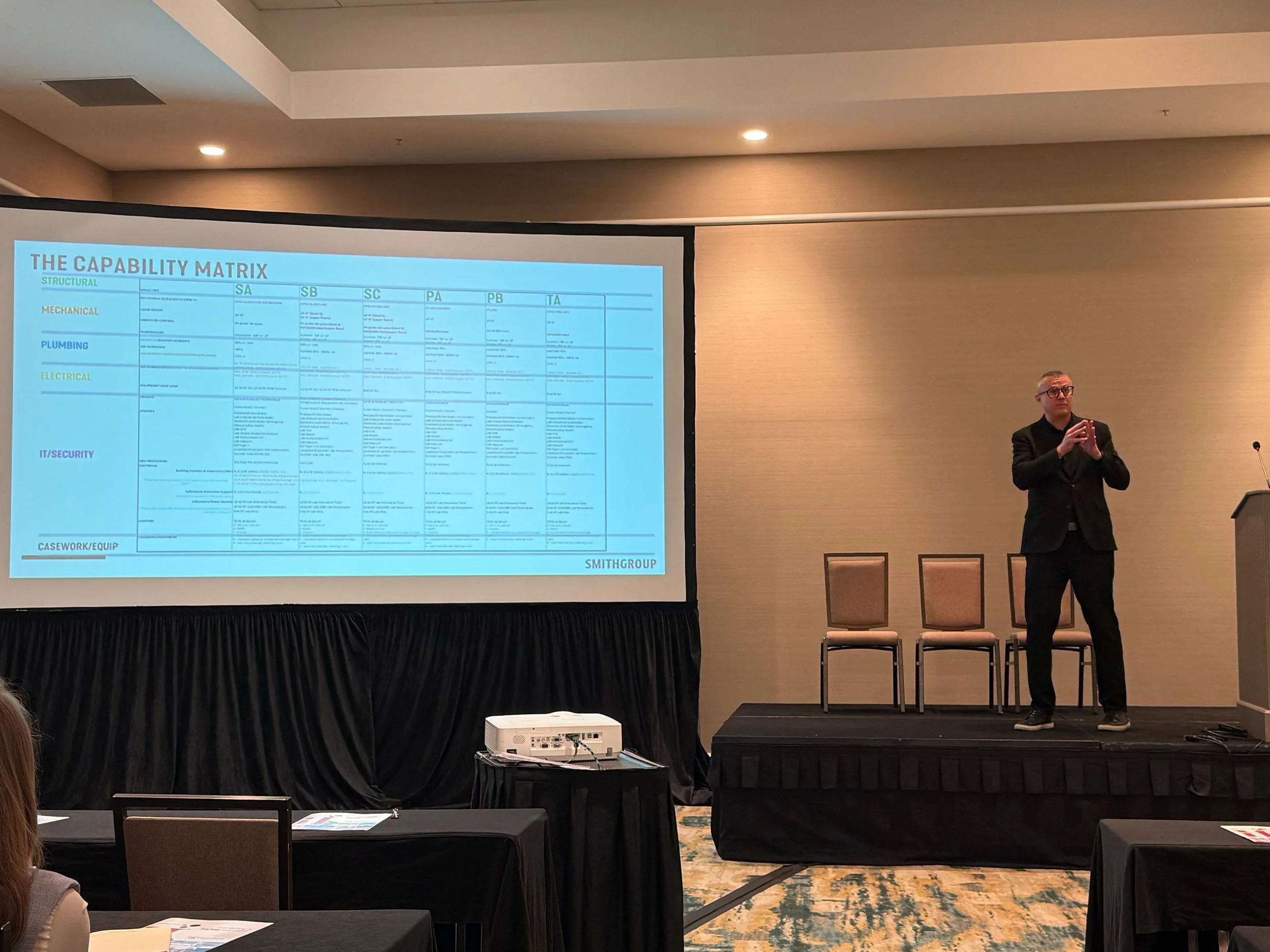
Arizona State University’s Interdisciplinary Science and Technology Building 12 (ISTB 12) was presented by SmithGroup’s Adam Denmark in Catalyst of Change: A New Era of Connected Manufacturing Ecosystems as a model for innovation districts. The facility integrates academic research with industry partners in fields such as robotics and semiconductor manufacturing, using plug-and-play infrastructure and co-location to accelerate collaboration.
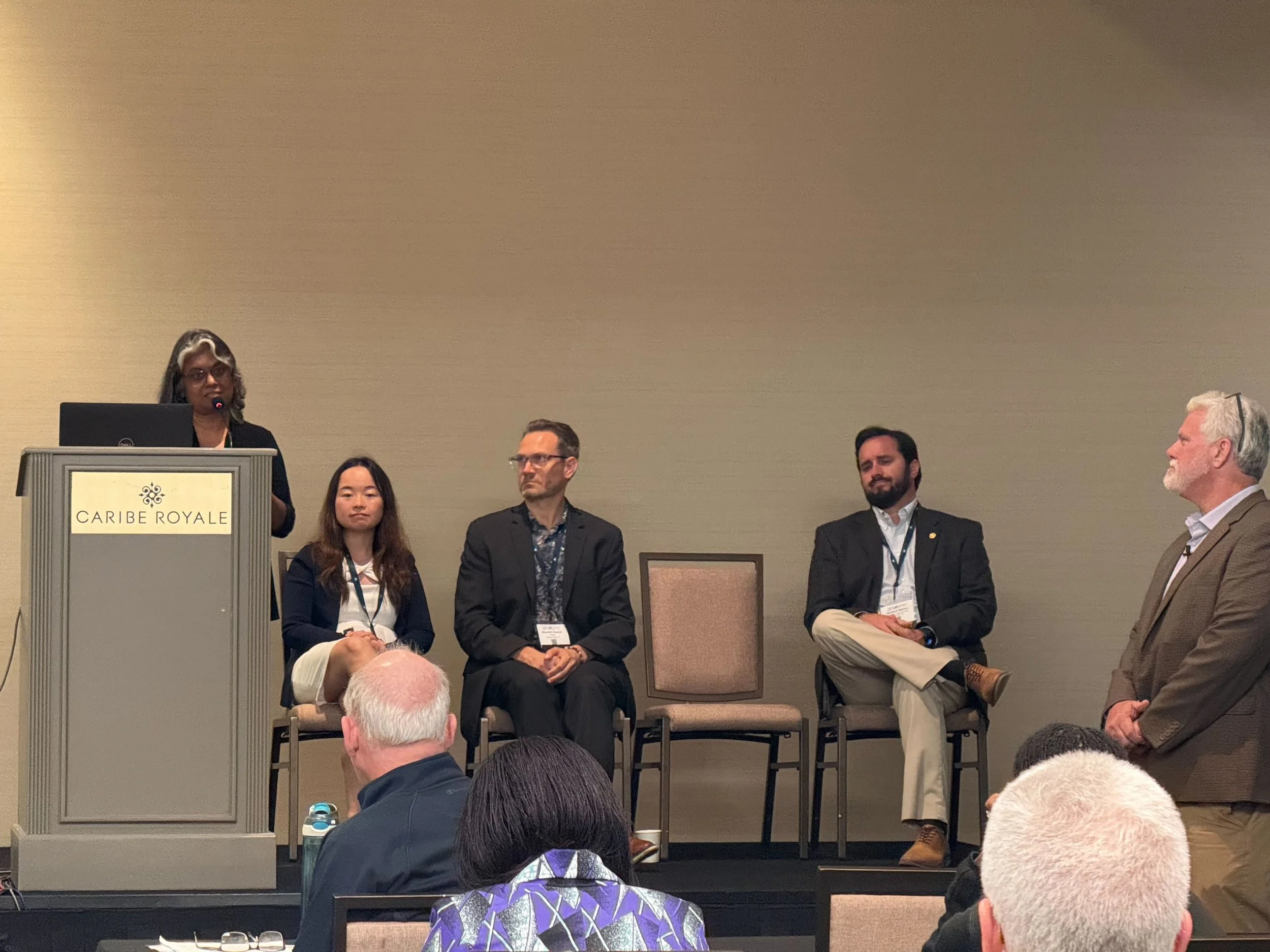
The panel session Smart Renovation Strategies for Safe, Efficient, and Cost-Effective Lab Environments focused on the University of Florida’s Basic Science Building renovation. Rather than pursuing expensive structural expansion, the team—including panelists Melody Wang of Affiliated Engineers, Inc., Brandon Pourch of RS&H, Matthew Marino of Oelrich Construction Inc., and Dr. Ranjala Ratnayake of the University of Florida’s College of Pharmacy, implemented a rooftop chilled water system and conditioned vestibule to address mechanical limitations. Marc LeBrun of Affiliated Engineers, Inc. moderated the discussion, which also highlighted the growing role of advanced safety technologies such as variable air volume fume hoods, sash sensors, and automated sash closers, which enhance both safety and energy performance.
Designing for people: inclusion, health, and uncertainty
The final afternoon sessions shifted the focus toward human experience, material ethics, and adaptability in uncertain conditions.
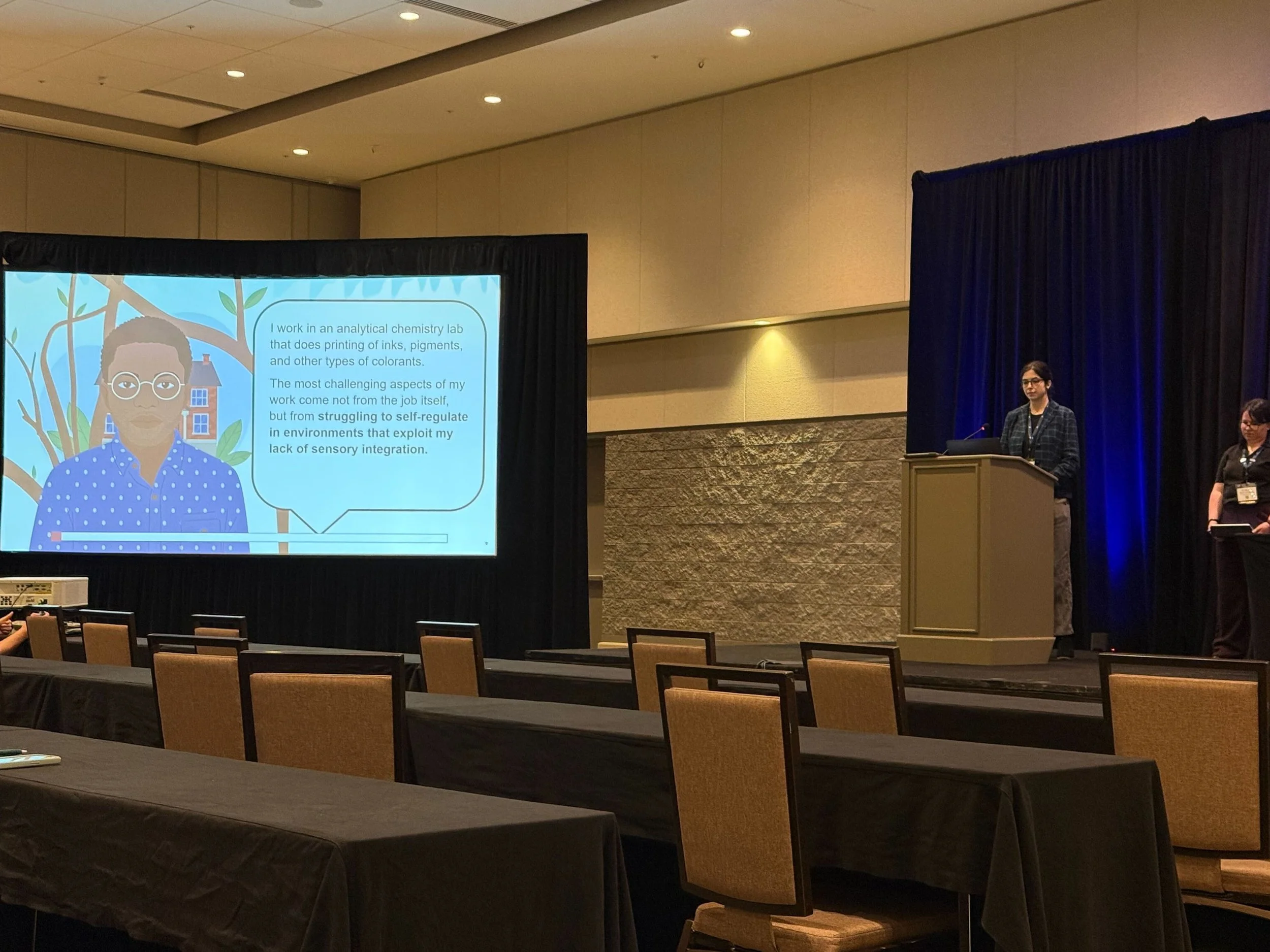
Understanding Neurodiversity—Why Current Planning Trends Are Missing the Mark challenged traditional lab design assumptions by emphasizing the needs of neurodivergent scientists. Speakers Rachel Updegrove of HERA Laboratory Planners, Larissa Sattler of Perkins&Will, and Burnett Grant of Sun Chemical revealed how sensory needs should be embedded in core programming rather than addressed through retrofits, calling for more inclusive engagement throughout the design process.
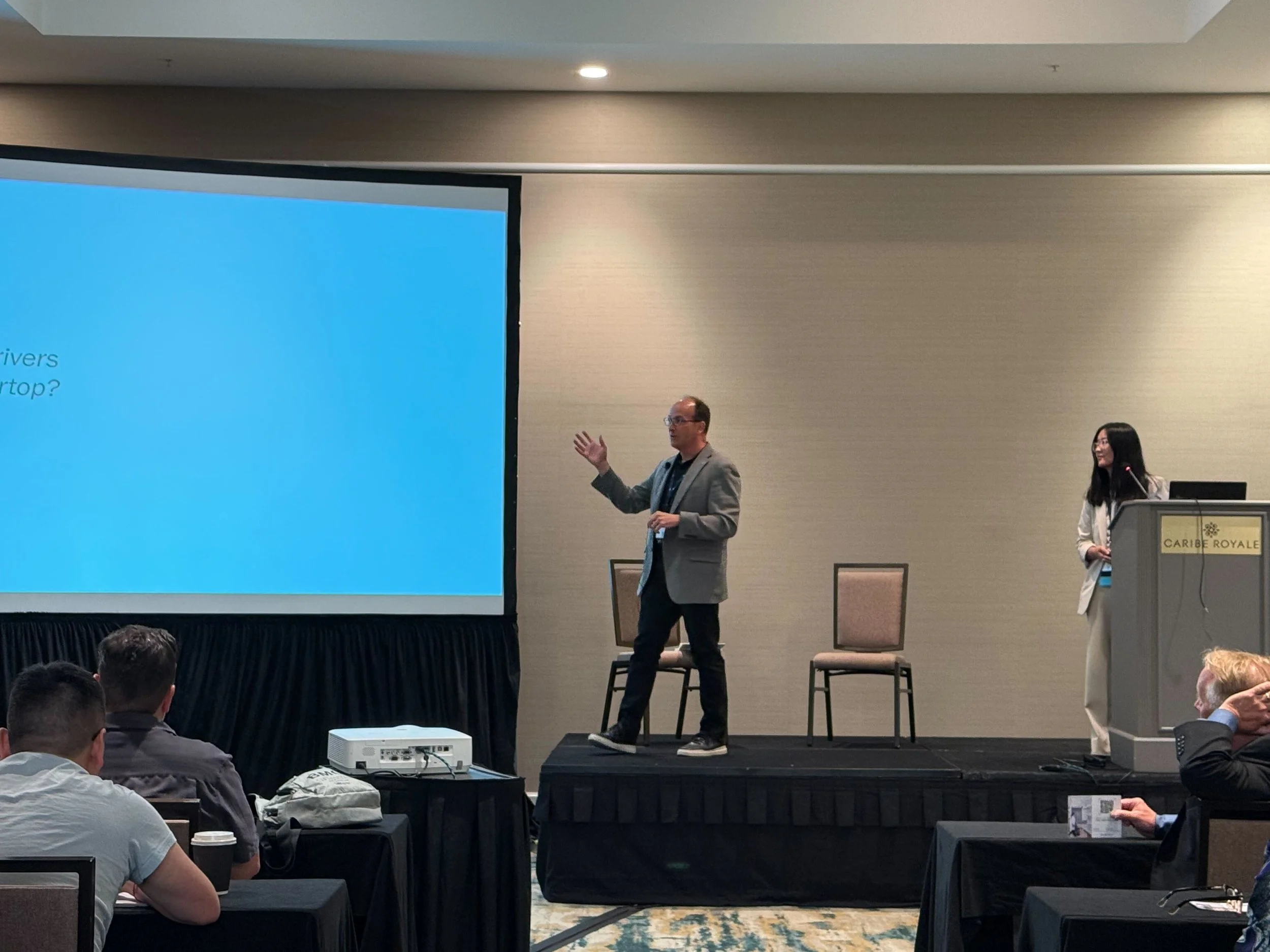
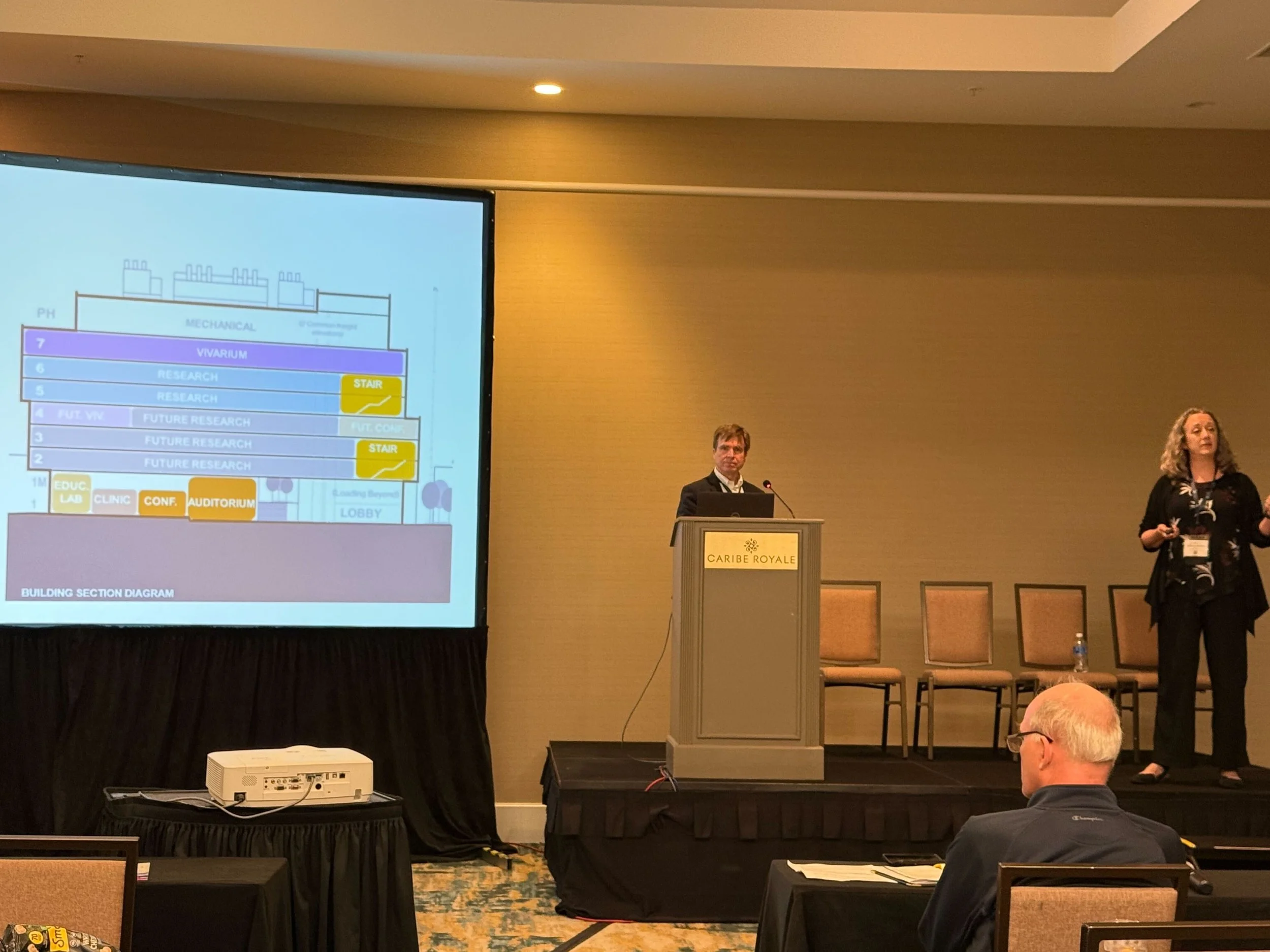
In their roundtable session on Designing Healthier Laboratories through Material Selection, Chen Qin and Chris Ertl from DLR Group reframed material specification as a health and sustainability issue. The discussion examined the presence of harmful substances in common lab materials and encouraged a broader evaluation of lifecycle impact, occupant health, and procurement trade-offs.
Dealing with Uncertainty in a Time of Uncertainty, presented by Ballinger’s Gregory Muth and Katherine Wohlsen, addressed the challenge of designing flexible research environments amid rapidly shifting scientific priorities. Using the William A. and Ami Kuan Danoff Life Sciences Laboratories as a case study, Muth and Wohlsen speakers highlighted adaptive strategies such as shell space planning and scalable infrastructure that allow facilities to evolve over time.
At the conclusion of the day’s educational program, attendees were invited to a networking reception in the Lab Design Conference exhibit hall to mingle with colleagues and chat with casework, furniture, and equipment providers about the latest technologies and trends in the design/build industry.
A shift toward adaptive, human-centered labs
Across all educational sessions and the opening keynote on May 12, a consistent message emerged: laboratory design is increasingly defined by adaptability, collaboration, and human-centered thinking. Whether through manufacturing campuses designed as public-facing ecosystems, hospital labs reimagined through lean strategies, or academic facilities built for interdisciplinary exchange, the first day of educational sessions at the Lab Design Conference underscored that laboratories are no longer static environments. They are dynamic systems that must evolve alongside the science—and the people—they are designed to support.