Project Profile: University of North Texas at Dallas—STEM Building
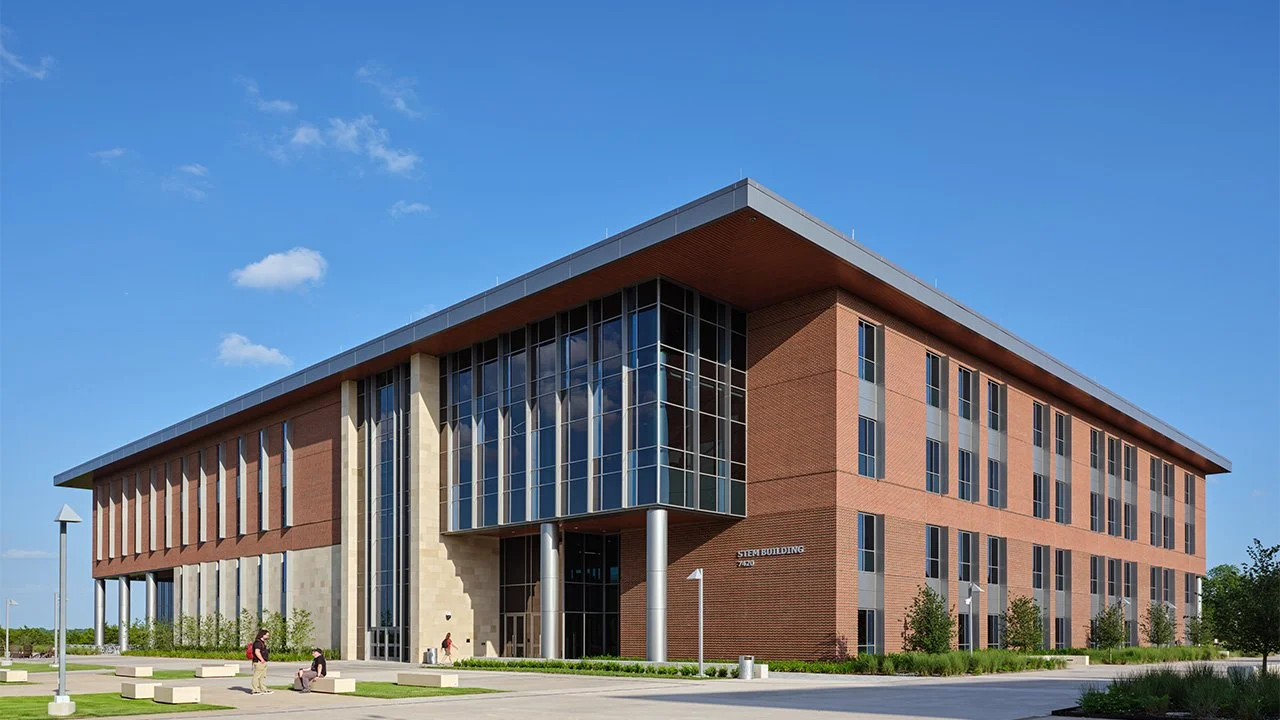
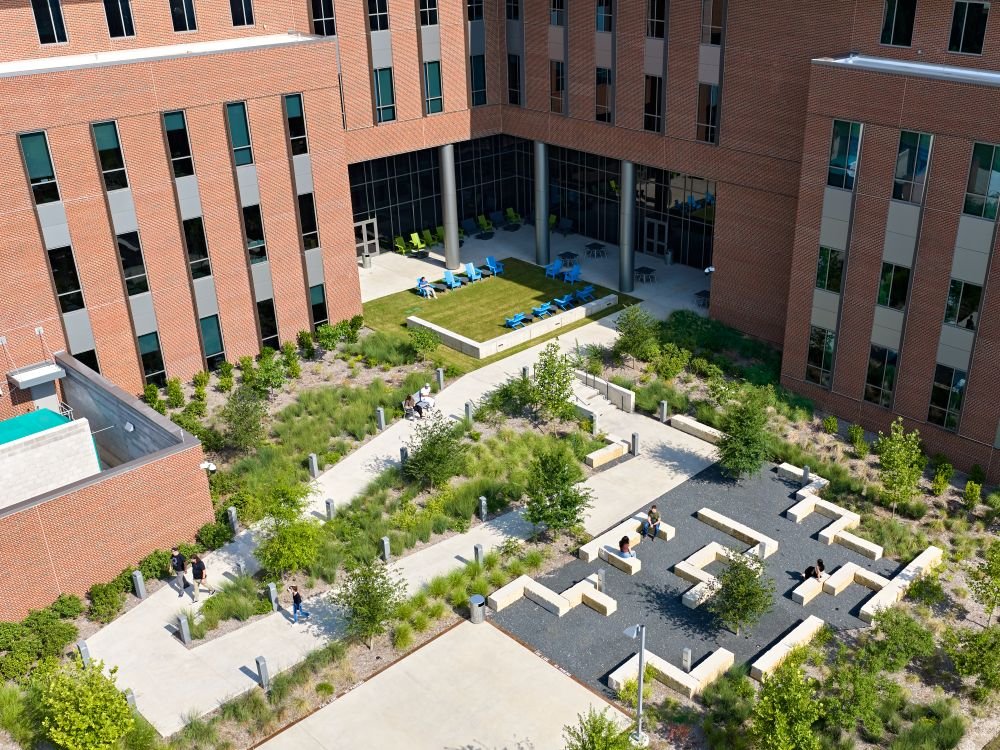
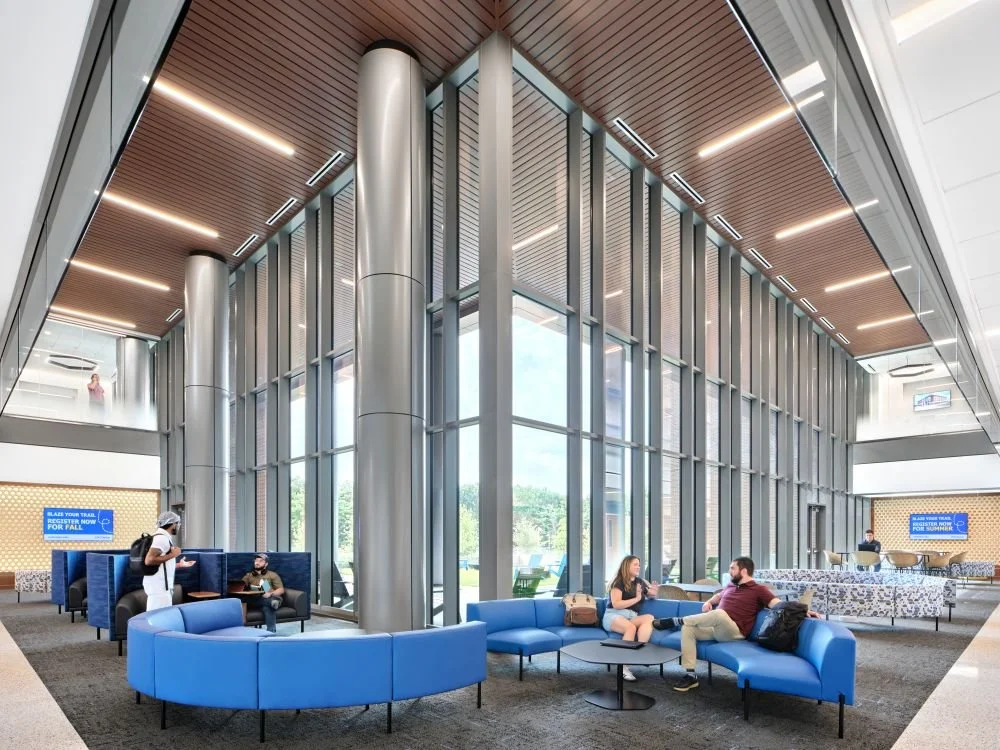
Stantec designed the University of North Texas at Dallas' STEM Building to support flexible teaching, advanced research, and interdisciplinary collaboration while expanding opportunities for future STEM professionals. All images: Jason Keen
Facility name: University of North Texas at Dallas—STEM Building
Location: Dallas, TX
Cost: $79 million
Square footage: 120,220 sf
Project team:
Stantec (architect, interior designer)
HarrisonKornberg (associate architect)
Vaughn Construction (contractor)
Gonzalez Shah Smith (MEP)
JQ Infrastructure (IMEG) (structural/civil)
Talley Associates (landscape)
Datacom (AV/IT)
Jensen Hughes (life safety)
DryTec (building envelope)
Completion date: November 2025
Tour this facility at the 2027 Lab Design Conference in Dallas!
The University of North Texas at Dallas (UNTD) wanted their new science, technology, engineering, and math (STEM) building to provide advanced research and teaching spaces while achieving an optimal balance of flexibility, interdisciplinary collaboration, and efficient space utilization. To accomplish this goal, the university retained the Stantec design team to support their vision.
At the initial programming stage, Stantec carefully assessed and evaluated project requirements. By organizing discovery workshops, the project team collaborated with major stakeholders in the early design phase to identify needs, build consensus, and craft an effective design solution.
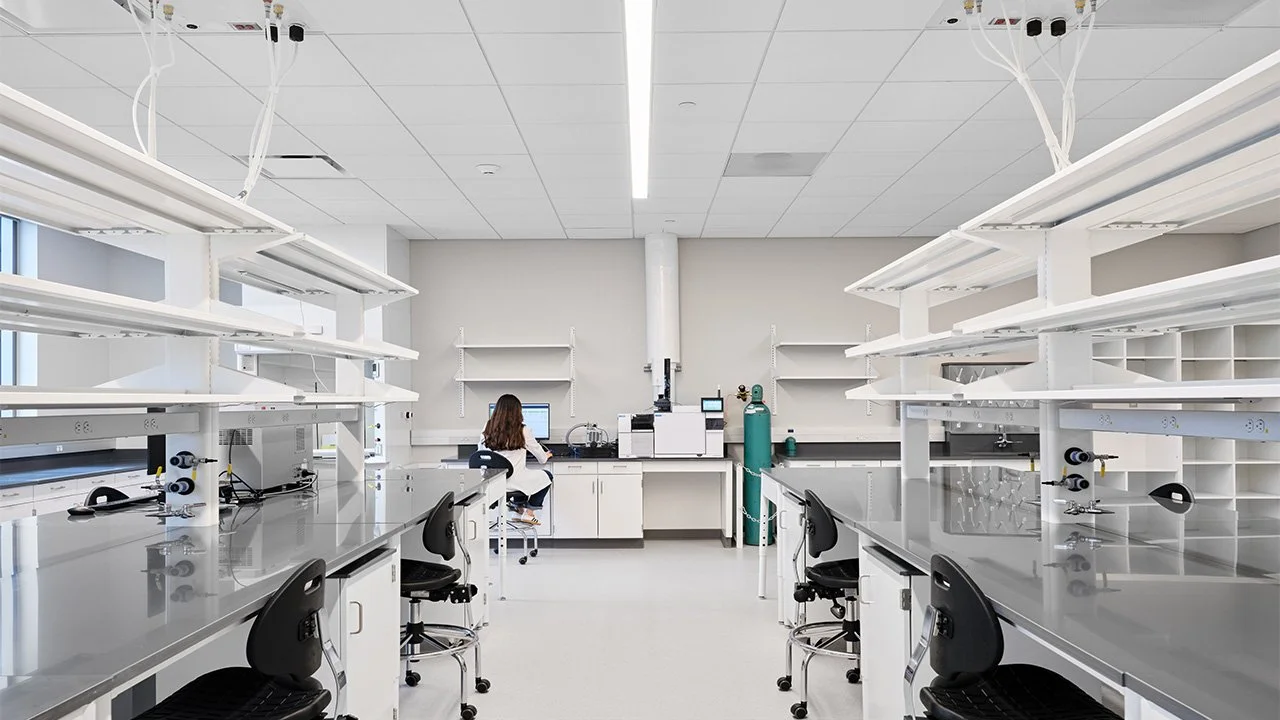
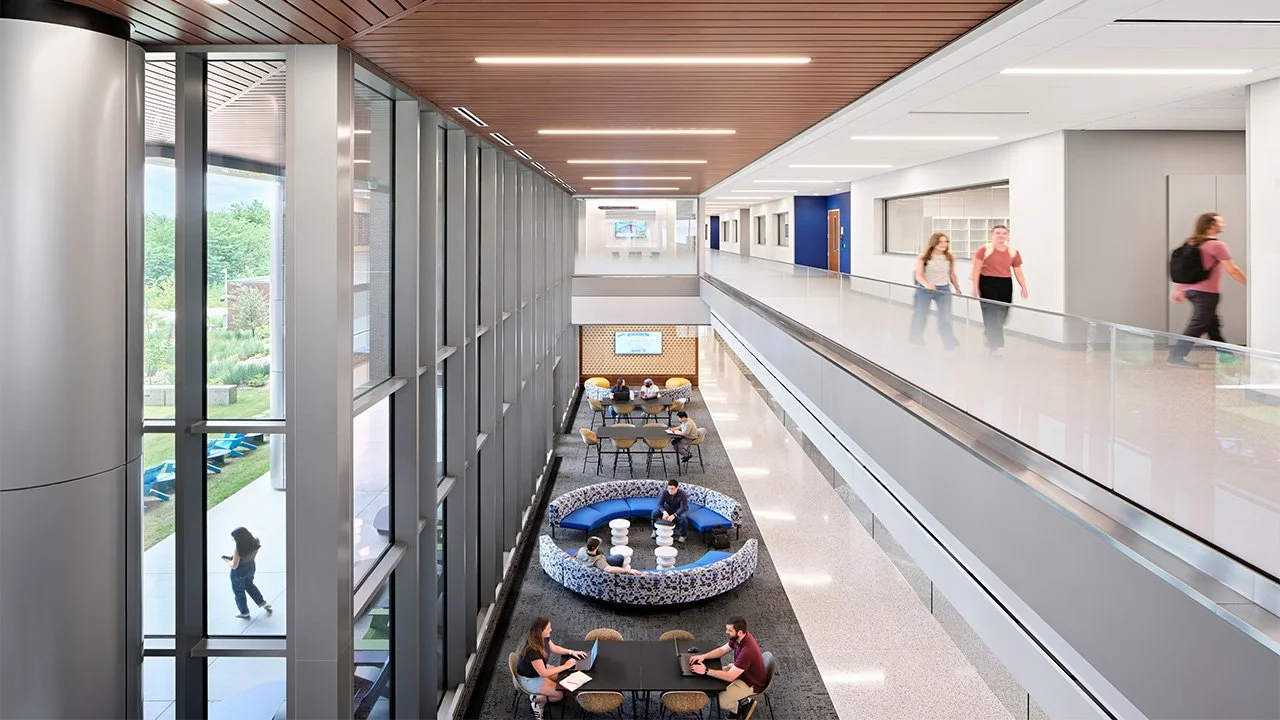
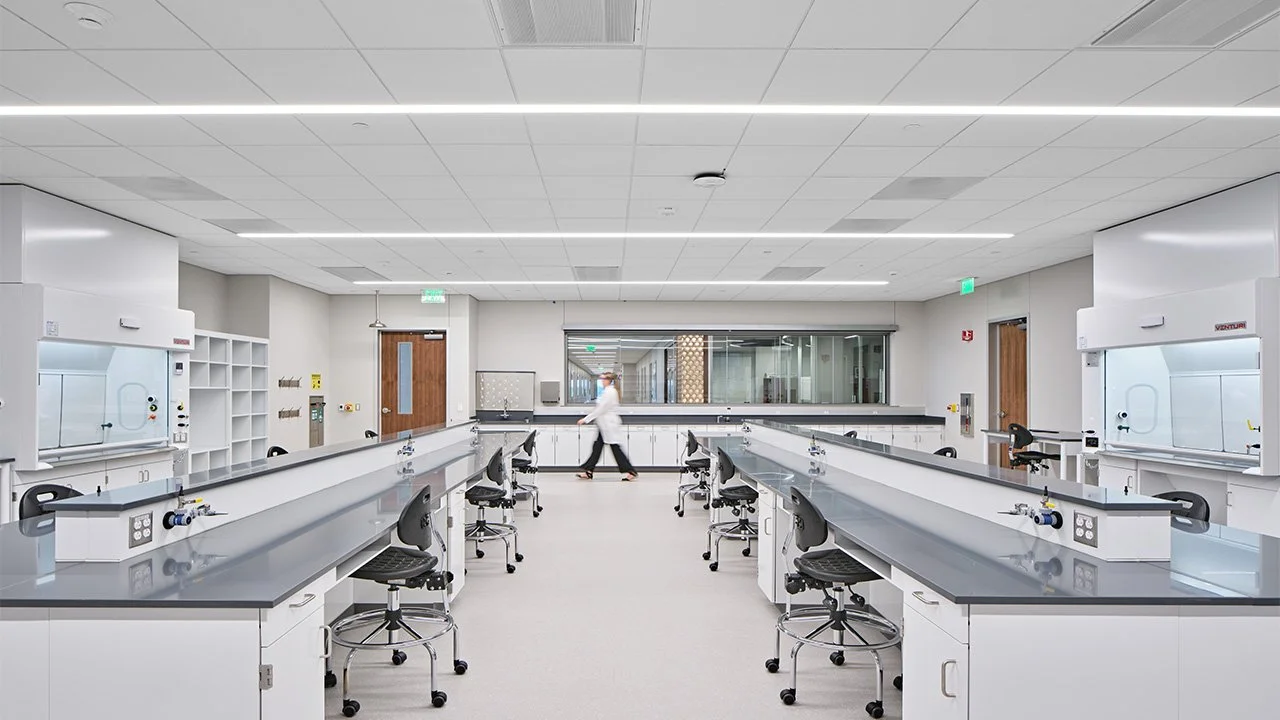
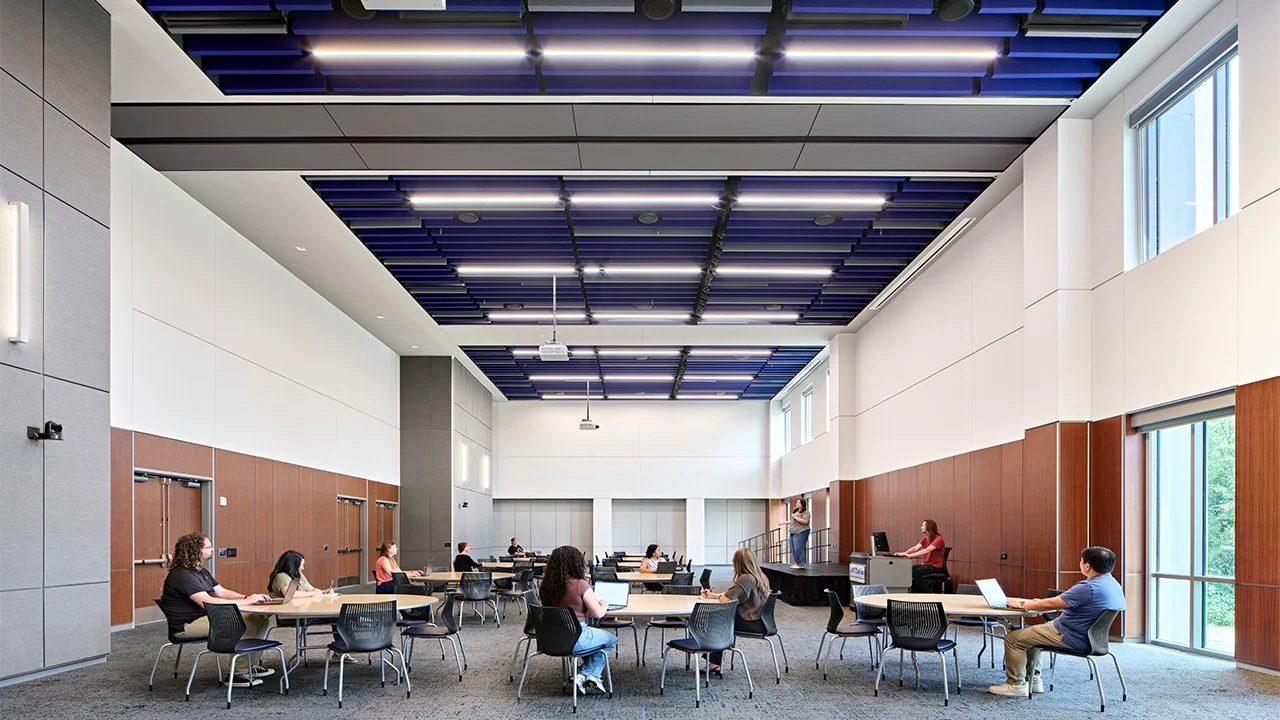
The new STEM facility features adaptable "high-flex" classrooms, instructional laboratories, dedicated research areas, flexible wet lab spaces, and an array of collaborative environments throughout the building. Specialized support zones will encompass instrumentation rooms as well as cold and dark-enabled spaces designed for optimal research activities and material storage. Additionally, the ground floor includes a pre-function area to the multipurpose classroom/ meeting spaces.
The building is designed to help UNTD achieve its STEM education objectives to expand opportunities for learners within the community and first-generation college students. It encourages interest in science and aims to create a more diverse workforce through recruitment, training, and employment.