
The Role of Coatings in Maintaining Audit Calm in Pharmaceutical Facilities
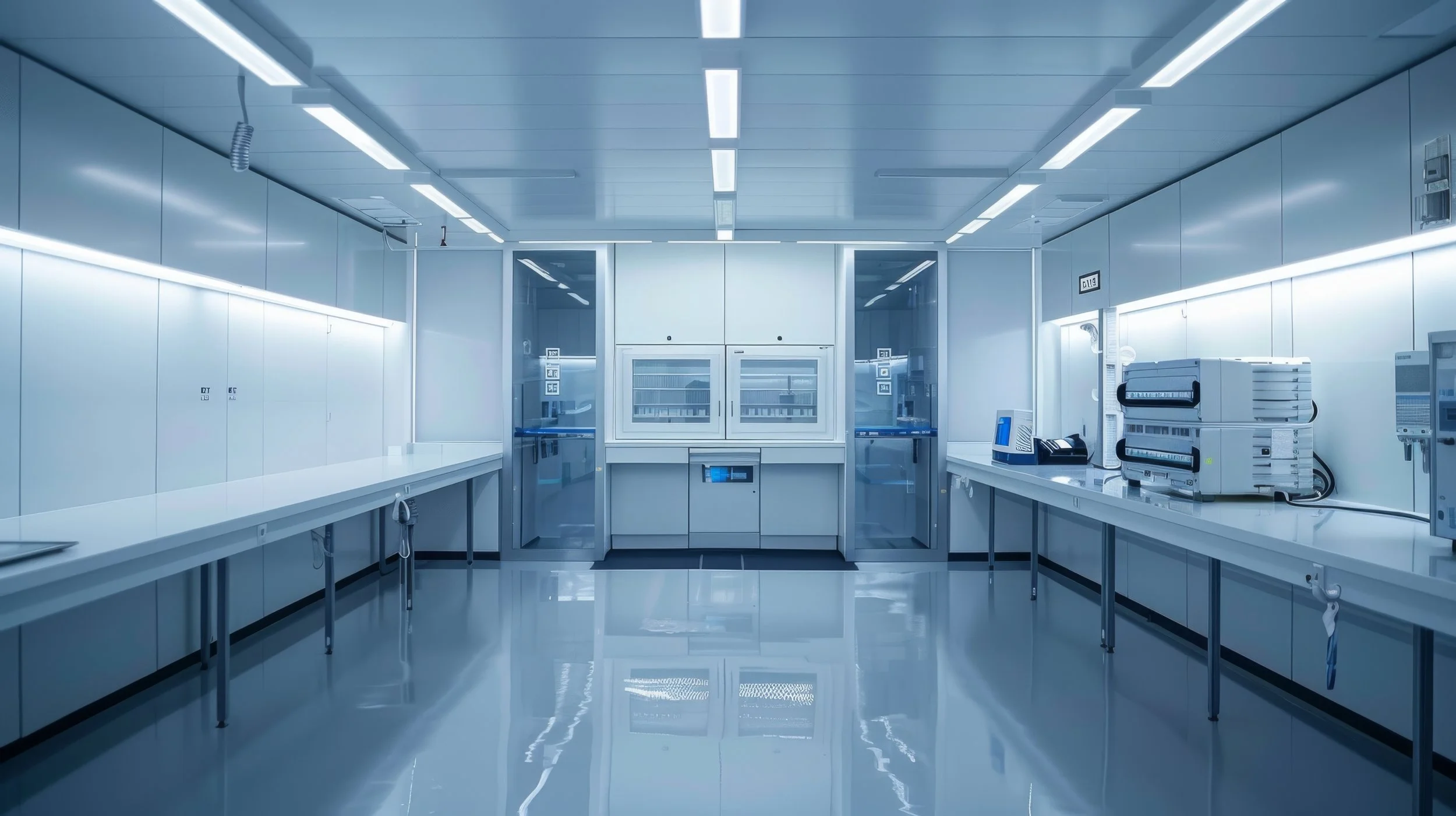
High-performance coatings support clean, compliant pharmaceutical facilities and laboratories so that they are always prepared for audits and inspections. Image: Courtesy of Sherwin-Williams
In pharmaceutical manufacturing, audits are an unavoidable part of operating in a regulated environment. Facilities prepare extensively through documentation, quality control, and internal alignment. Yet inspection outcomes are often shaped just as much by the physical environment as by formal processes.
Facilities that approach audits with confidence tend to share a common trait: inspections do not change how they operate. There is no reactive activity before an inspection, no temporary fixes, and no reliance on explanations to justify visible conditions. This state—what I like to call “audit calm”—is built through everyday decisions that support consistency and control over time. One of the most influential, and frequently underestimated, contributors to audit calm is the condition of coatings and surface finishes throughout the facility.
Why small surface issues create audit anxiety
Audit findings in pharmaceutical facilities often come from small, visible issues that raise questions during walkthroughs. Inspectors are trained to look for evidence that environments are being maintained in a controlled state, consistent with FDA and cGMP standards.
Worn or inconsistent surfaces, mismatched repairs, or areas that require explanation can shift the tone of an inspection. Even when these conditions do not present an immediate contamination risk, they introduce uncertainty. Inspectors may reasonably question whether those surfaces can be effectively cleaned, whether repairs are documented and repeatable, and whether conditions reflect a proactive maintenance strategy.
Sharon Lee and her colleague Michael Starner will be presenting “Designing for ‘Audit Calm’: Flooring and Finishes That Support cGMP Readiness” in Lab Design’s Laboratory Flooring Digital Conference. Registration is free, and the webinar can be viewed live or on demand. Register here!
The silent risks facilities stop seeing
Over time, facility teams become accustomed to their surroundings. Gradual changes can fade into the background, particularly in busy manufacturing environments where focus is rightly placed on production, safety, and quality outcomes.
Auditors, however, experience the space with fresh eyes. Conditions that frequently draw attention include bubbling or shadowing caused by repeated cleaning, small cracks or breaches that have become normalized, and seams or transitions that could compromise cleanability. Large wall areas with subtle inconsistencies may also raise questions, particularly when repairs appear patchwork in nature, creating a visible inconsistency, reactive appearance, or varying from room to room.
These issues are often not the result of neglect—they are the natural outcome of aggressive sanitation protocols, chemical exposure, heavy wear, and aging infrastructure. However, during an audit, appearance matters. The condition of facility surfaces is a visible indicator of quality control. When surfaces appear worn, patched, or poorly maintained, it raises questions about what other aspects of the operation may also be out of control. During an audit, inspectors are not only evaluating whether surfaces can be cleaned—they are assessing whether the facility demonstrates consistent, ongoing control over its environment. Appearance matters because it signals how well quality systems are being maintained.
What inspectors observe during facility walkthroughs
During walkthroughs, inspectors observe how surfaces behave across the building rather than focusing solely on isolated defects. They look for consistency between similar areas, resistance to cleaning agents, and signs that finishes have been selected and maintained intentionally.
A surface only needs to look questionable or out of place to lead to a potential audit failure. Repairs that stand out, discoloration from cleaning, or inconsistent finishes can suggest reactive maintenance, even when underlying systems are sound.
In contrast, facilities where surfaces appear uniform, predictable, and well-maintained tend to support shorter, more confident exchanges. The environment reinforces the idea that good decisions were made earlier and are being sustained over time.
Defining audit calm at the facility level
Facilities operating with audit calm tend to display consistent visual language. Surfaces look designed rather than patched. Coatings age in a predictable way and clean evenly without visible degradation. Repairs blend into the surrounding areas instead of drawing attention.
Importantly, these facilities do not rely on qualifiers such as “temporary,” “scheduled for later,” or “planned for the next shutdown.” The physical environment provides assurance on its own.
Inspectors expect pharmaceutical facilities to look well maintained. Audit calm emerges when surfaces support that expectation without requiring explanation.
Why coatings are part of the controlled environment
Coatings are scrutinized during pharmaceutical audits because they are part of the controlled environment. They directly influence cleanability, resistance to disinfectants, and the ability to maintain hygienic conditions under demanding operating requirements.
When coatings peel, crack, chalk, or shadow, the concern is not just cosmetic. These conditions raise questions about whether surfaces can be consistently cleaned and whether they introduce contamination risk. Mismatched repairs can further complicate inspection outcomes by suggesting inconsistent materials or undocumented changes.
Because coatings are a very noticeable element of the facility, they often shape first impressions during a walkthrough. That initial perception can influence how deeply inspectors probe other aspects of facility operations.
The value of proactive surface management
Facilities that maintain audit calm typically manage coatings proactively rather than reactively. This includes selecting surface systems appropriate for the environment, standardizing finishes across similar spaces, and planning maintenance before conditions deteriorate to the point of visibility.
Durability and predictable aging are critical considerations in pharmaceutical environments, where frequent shutdowns or unplanned repairs can disrupt production. Surfaces that fail prematurely often drive reactive maintenance cycles, increasing both operational burden and inspection visibility.
Periodic coatings walkthroughs can help facilities identify silent risks early, assess repair quality, and evaluate consistency across rooms. Addressing these issues during routine maintenance windows, rather than under audit pressure, allows teams to maintain control without disruption.
Many audit observations related to coatings are preventable when surface conditions are managed intentionally and reviewed regularly.
Building confidence over time
Audit calm does not happen overnight. It is built through a series of deliberate decisions—about materials, maintenance strategies, and how the facility presents itself under scrutiny.
Pharmaceutical manufacturing carries inherent risk. Facility conditions should not add to it. When surfaces are cleanable, durable, and consistent, inspections become confirmations of good practice rather than sources of disruption.
In that sense, coatings play a quiet but essential role. When managed thoughtfully, they help facilities operate with confidence every day, not just when an inspector walks through the door.