
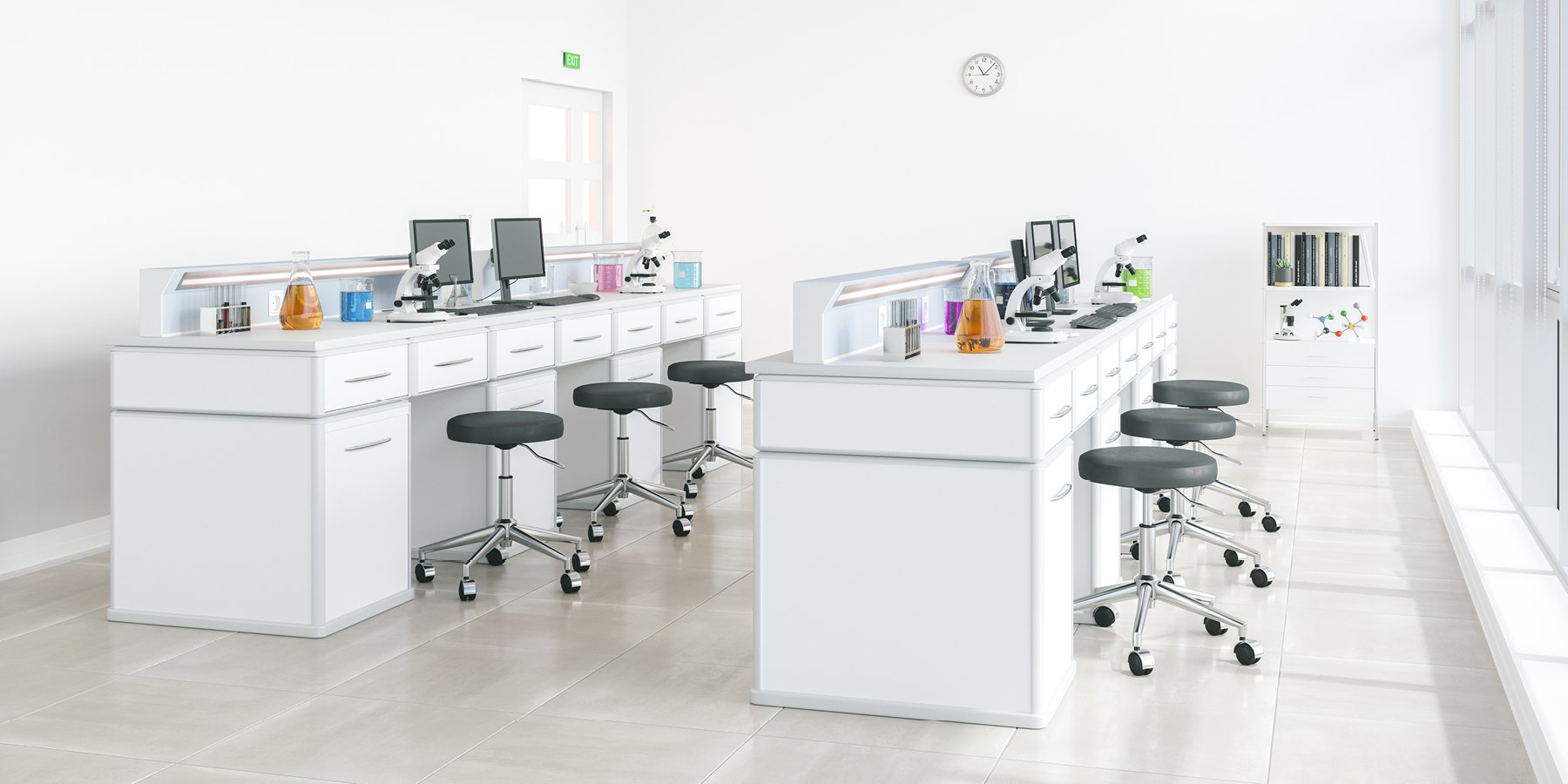
Laboratory Flooring Digital Conference
Original air date:
Thursday, August 13, 2026
Join Lab Design and our experts for this free digital conference where industry leaders will break down the key considerations behind selecting, installing, and maintaining safe, durable, and compliant laboratory flooring.
Laboratory flooring plays a vital role in creating safe, durable, and compliant lab environments. From chemical resistance and ease of cleaning to long-term wear and sustainability, flooring choices influence not only the performance and safety of a lab but also its ability to meet industry standards. Careful consideration of materials, installation methods, and maintenance strategies is key to ensuring both functionality and longevity.
On August 13, 2026, Lab Design will host a virtual event on Laboratory Flooring, part of the Lab Design Digital Conference series. This program will help project teams evaluate the best flooring options for their lab projects, balancing durability, compliance, and design flexibility. Lab managers, researchers, and end users will gain insights into what questions to ask during planning to ensure their flooring supports daily operations, is resilient against wear and chemical exposure, and can be maintained easily over time. Vendors and manufacturers will also benefit from learning about the latest developments in lab flooring, along with the considerations and concerns that project teams and users bring to the decision-making process.
Industry experts will review best practices for selecting and installing lab flooring, highlight innovations in sustainable materials and finishes, and share strategies for designing or renovating lab spaces with optimized surfaces. Registration is free—join live or access on demand.
The webinars in the Lab Design Digital Conference series are free to attend live and/or on demand. Select sessions will be available for AIA/HSW continuing education credit.
View on demand
The information you provide will be shared with the sponsors of this content. Lab Design or its sponsors may contact you to offer you content or products based on your interest in this topic. You may unsubscribe from these communications at any time. For information on how to unsubscribe, our privacy practices, and commitment to protecting your privacy, check out our Privacy Policy

Lab Design is an AIA CES approved education provider
Agenda
11:00am-12:00pm ET
Ask the Expert: Aligning Materials with Lab Workflows
Selecting the right laboratory flooring requires more than evaluating durability and aesthetics—it requires a thorough understanding of how materials support laboratory workflows, safety requirements, and occupant needs. In this Ask the Expert session, industry specialists will address key considerations for choosing flooring systems that promote lab occupants’ health, safety, and welfare, while supporting the unique demands of research and laboratory environments.
The discussion will explore how flooring choices influence workplace safety, including slip resistance, chemical resistance, contamination control, cleanability, ergonomics, indoor environmental quality, and long-term performance. Experts will also share insights on aligning flooring materials with specific laboratory activities, maintenance strategies, sustainability goals, and operational requirements.
Whether designing a new facility, renovating an existing laboratory, or evaluating flooring performance in an occupied space, attendees will gain practical guidance on the questions to consider when selecting and implementing flooring solutions. This session will help project teams make informed decisions that enhance laboratory functionality, protect occupants, and create resilient environments built for long-term success.
Learning objectives:
Evaluate laboratory flooring options based on performance criteria, including durability, chemical resistance, cleanability, slip resistance, and lifecycle maintenance requirements.
Identify how flooring materials and installation strategies contribute to health, safety, and welfare considerations, including occupant protection, contamination control, and improved laboratory working conditions.
Apply best practices for aligning flooring selections with specific laboratory workflows, operational demands, and facility requirements to support safe and efficient research environments.
Recognize emerging trends and innovations in laboratory flooring materials, finishes, and sustainable solutions that enhance performance, resilience, and long-term value.
This course is approved by AIA CES for 1 LU/HSW credit
Speaker

Paulina Abella
Architect | Associate
Gensler
12:30-1:30pm ET
Designing for "Audit Calm": Flooring and Finishes That Support cGMP Readiness
In pharmaceutical, biotech, and regulated laboratory environments, flooring and finish selections can directly impact contamination control, worker safety, facility durability, and regulatory compliance. This session will examine how flooring systems, coatings, and surface finishes contribute to creating "audit calm"—spaces that support consistent operations, simplify maintenance, and help facilities remain inspection-ready.
Attendees will learn how surface materials can reduce risks associated with microbial growth, chemical exposure, moisture intrusion, and physical wear while supporting cGMP requirements. The discussion will cover key selection criteria, installation considerations, and lifecycle maintenance strategies that enhance facility performance, protect occupant health and safety, and support long-term operational resilience in pharmaceutical and laboratory settings.
Learning objectives:
Identify flooring and finish characteristics that support contamination control, occupant safety, and cGMP compliance in laboratory and pharmaceutical facilities.
Evaluate how flooring systems and coatings can mitigate risks related to chemical exposure, moisture intrusion, microbial growth, and surface deterioration.
Compare key factors involved in selecting flooring and finish materials based on durability, cleanability, maintenance requirements, and facility performance goals.
Apply best practices for installation, inspection readiness, and lifecycle maintenance to promote safe, healthy, and resilient laboratory environments while reducing operational disruptions.
This course is approved by AIA CES for 1 LU/HSW credit
Speakers

Sharon Lee
North America Pharmaceutical Market Segment Manager
Sherwin-Williams Protective & Marine

Michael Starner
Market Segment Manager
Sherwin-Williams High Performance Flooring
2:00-3:00pm ET
From Selection to Safety: Navigating ESD Flooring for High-Performance Laboratories
Electrostatic discharge (ESD) flooring is used for laboratories where sensitive electronic equipment is used or manufactured. It is important to choose the right ESD flooring to protect sensitive equipment, prevent costly damage, and ensure the safety of laboratory personnel. Key factors to consider when selecting ESD flooring include electrical resistance levels, durability, and compatibility with existing lab equipment and safety protocols. With a wide variety of ESD flooring materials available—such as conductive, dissipative, and antistatic flooring, each of which manages static electricity differently—how can you be sure you are making the right choice for your lab? What questions do you need to ask your client or your project team when you're building or renovating a lab facility?
This webinar will provide insights into the installation, testing, and maintenance of ESD flooring systems. Learn the importance of proper installation to achieve the desired level of static control, the necessity of regular testing to ensure the flooring continues to perform effectively over time, and maintenance strategies to help extend ESD flooring’s lifespan and effectiveness.
Learning objectives:
Understand the principles of ESD flooring, including different types of ESD flooring materials and their respective roles in managing electrostatic discharge and protecting sensitive electronic equipment.
Assess key factors for ESD flooring selection such as electrical resistance levels, durability, and compatibility with existing lab equipment and safety protocols.
Implement best practices for installation and maintenance to achieve optimal static control and maintain effectiveness over time.
Enhance health, safety, and welfare in the laboratory through correct selection, installation, and maintenance of ESD flooring.
This course is approved by AIA CES for 1 LU/HSW credit
Speakers

Derrell Jackson
Director of Workplace Segment Markets
Tarkett North America

David Hibbert
Senior Technical Coordinator
Tarkett North America