Lab Design Conference Speaker Profile: Vince Flickinger
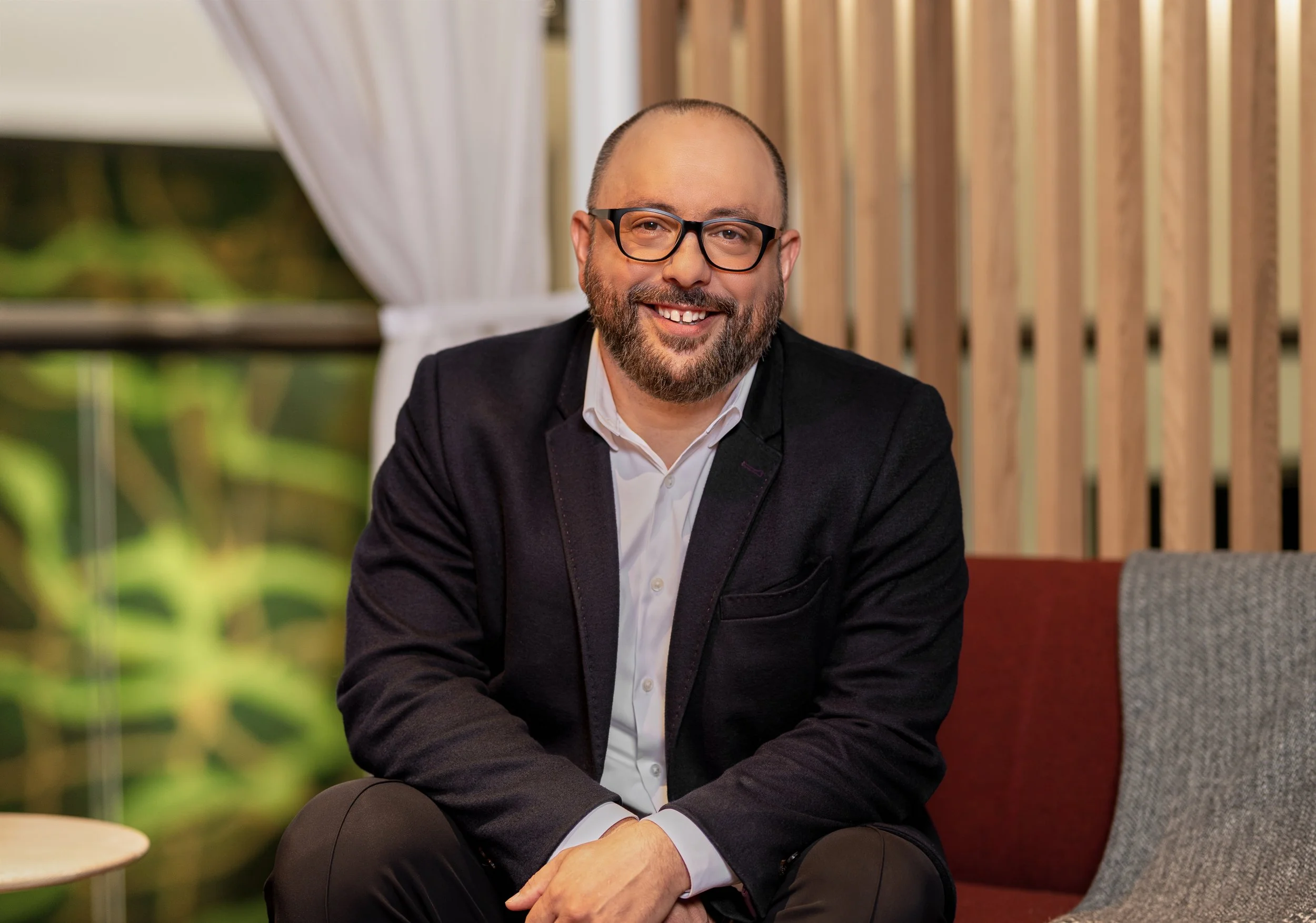
2026 Lab Design Conference speaker—Vince Flickinger, LEED AP, global energy practice area leader, Gensler
Vince Flickinger, LEED AP, is Gensler’s global energy practice area leader and a pioneer of the firm’s charge toward carbon neutrality. Vince and Philip Keyes, executive director, site operations with Nurix Therapeutics, will be at the 2026 Lab Design Conference in Orlando, FL, to deliver their session, “Lab Design Strategies to Support Scientific Development” on May 12 from 9:45-10:45 am.
Laboratory design is entering a new phase—one that builds on its traditional priorities of safety and performance while placing greater emphasis on the people who work in these spaces every day. This presentation will examine how modern labs are being shaped to promote scientist well-being and productivity through intentional design choices, including access to natural light, biophilic features, purpose-built collaboration areas, enhanced indoor air quality, acoustic control, and ergonomic work environments. Together, these elements help minimize fatigue, support focus, and elevate the overall laboratory experience without compromising technical standards.
At the Lab Design Conference, Vince and Philip will explore how this more people-focused design approach can strengthen recruitment and retention efforts while fostering collaboration and innovation. The discussion will include a case study of Nurix’s collaboration with Gensler, showcasing how an integrated lab design strategy is advancing both scientific research and community engagement in The Woodlands, TX.
Lab Design News spoke with Vince about human-centered lab design, creating spaces that support both science and well-being, and practical ways to improve existing labs without major renovations. Register now to get your conference ticket!
Q: What key takeaways should attendees expect from your session, and how can they apply these insights in their own labs?
A: Attendees will learn how designers are rethinking the relationship between labs and flexible work environments by applying human‑centered strategies traditionally used in corporate and wellness‑focused spaces. Drawing on the Nurix project in The Woodlands, the session will illustrate how design teams can balance rigorous technical requirements with a deeper understanding of scientists' day-to-day experiences, thereby creating a space that supports both scientific excellence and personal well-being.
Q: What practical tips can lab users apply to optimize their current space, without a major renovation or rebuild?
A: Lab users can apply workplace design principles that balance ‘me’ and ‘we’ moments. There are opportunities to create simple focus zones for documenting notes or concentrating by using existing furniture and visual cues, while also transforming underutilized corners into informal third spaces that support relaxation, connection, and mental reset. By making small, intentional adjustments, you can elevate both productivity and well‑being and create a more supportive lab experience within the constraints of their existing environment.
Q: Why should lab design and operations professionals attend your session, and what will they gain from it?
A: Join our session to better understand how the role of labs has expanded beyond technical performance to include the operations and maintenance of the personal and shared spaces that scientists increasingly rely on. We will explore how supporting focused work, community spaces, and everyday amenities can meaningfully shape culture, strengthen team cohesion, and elevate the overall experience of the people who use these environments.
Q: What’s one soft skill you believe every lab design professional should cultivate, and why?
A: Reading the room is a key soft skill for lab design professionals. Observing who leaders look to when they speak reveals true decision makers and how they process information. This awareness strengthens communication and lets you adapt, ensuring discussions stay productive. In time-limited environments where delayed decisions cause ripples, adapting quickly and guiding the conversation is essential.
Q: What’s your go-to method for unwinding after a busy week?
A: My favorite way to unwind after a busy week is getting out for a long bike ride and taking advantage of Houston’s incredible trail system. Being out on the path gives me a chance to reset, enjoy the outdoors, and recharge before the week ahead.
Connect with peers and industry leaders at the 2026 Lab Design Conference, taking place May 11–14 in Orlando. Register today to hear insights from Vince and expand your professional network.