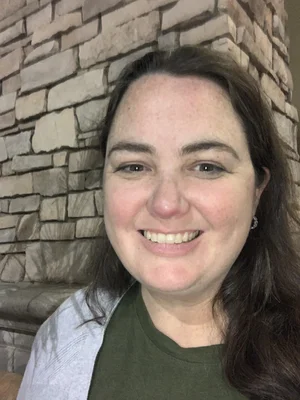
Lab Design Conference Speaker Profile: Philip Keyes
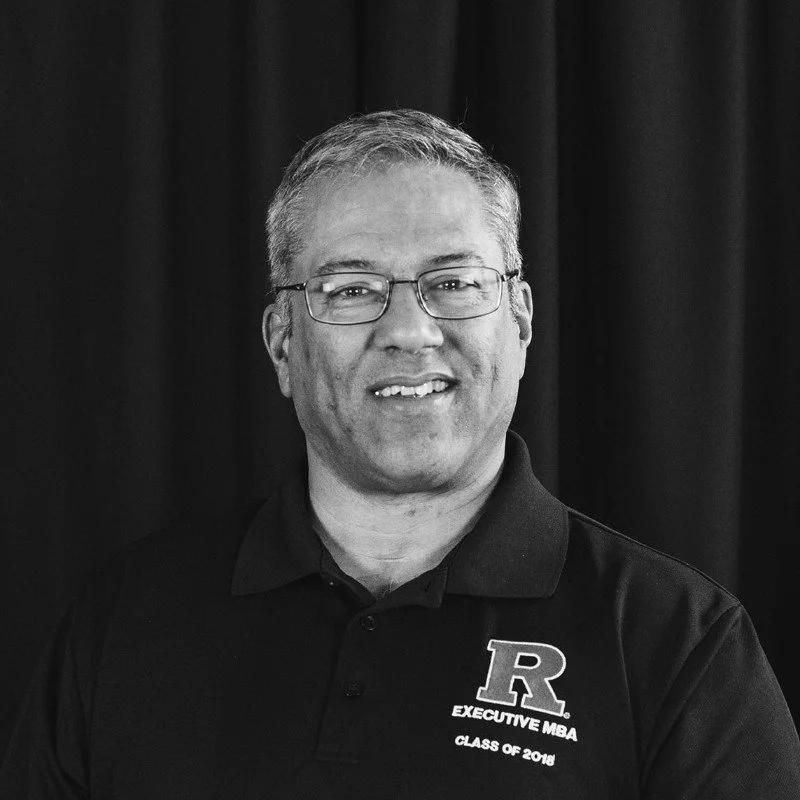
2026 Lab Design Conference speaker—Philip Keyes, executive director, site operations, Nurix Therapeutics
Philip Keyes, executive director, site operations with Nurix Therapeutics, will present at the 2026 Lab Design Conference in Orlando, FL, delivering a session “Lab Design Strategies to Support Scientific Development.” He, along with his colleague Vince Flickinger, will speak on May 12 from 9:45-10:45 am.
Their presentation will explore how laboratory design, long focused on safety, efficiency, and functionality, is evolving toward a more holistic, human-centered model. While maintaining technical rigor, today’s labs are increasingly designed to support scientist health, wellness, and overall experience through strategies such as daylighting, biophilic elements, thoughtfully designed third spaces, improved air quality, acoustic comfort, and ergonomic workstations. These features not only enhance physical safety but also reduce fatigue and support cognitive performance.
Philip and Vince will discuss how this shift helps organizations attract and retain talent while encouraging collaboration and innovation. The session will feature a case study of Nurix’s partnership with Gensler, highlighting how a forward-thinking approach to lab design is supporting scientific growth and community development in The Woodlands, TX.
Lab Design News spoke with Philip about practical, low-cost strategies for optimizing existing lab spaces, key lessons that shape successful lab design and operations, and how he unwinds outside of work through hiking and time on the water. Register now to secure your conference ticket and ensure you don’t miss this session!
Q: What practical tips can lab users apply to optimize their current space, without a major renovation or rebuild?
A: Lab users can optimize space without major renovations by organizing equipment and consumables with clear labeling and vertical storage, creating defined work zones for different tasks, and implementing digital inventory systems to track supplies and prevent overstocking. It’s also beneficial to assign a sponsor for each piece of capital equipment to oversee maintenance and report issues, consolidate rarely used instruments into shared areas, and schedule regular clean-up days to remove expired or unused items. These steps improve workflow efficiency, reduce clutter, and maximize existing space.
Q: What’s one lesson from a past project that significantly influenced your approach to lab design?
A: One key lesson from past projects is the importance of identifying detail-oriented team members early and empowering them to take ownership. Giving these individuals room to lead and contribute ensures critical details are managed effectively, fosters accountability, and elevates the overall quality of the lab design process.
Q: Why should lab design and operations professionals attend your session, and what will they gain from it?
A: Lab design and operations professionals should attend this session to learn how to anticipate and avoid common pitfalls that can derail projects. The discussion will provide practical strategies for structuring project plans, managing progress effectively, and building contingency options in timelines and budgets. Attendees will leave equipped to handle challenges proactively and keep projects on track.
Q: What are some of your favorite hobbies or interests outside of work?
A: Outside of work, I enjoy automotive restoration and exploring military history, as well as water skiing and boating. I also love hiking in the California redwood forests.
Q: What’s your go-to method for unwinding after a busy week?
A: After a busy week, I like to unwind with a few rounds of pool or by taking a long hike. On hot summer days, nothing beats floating in a pool and enjoying the calm.
Q: What’s one innovation in lab design that excites you the most right now?
A: One innovation in lab design that excites me most is the growing use of affordable RFID technology to improve inventory control and streamline supply management. Equally exciting is the rise of automation integration specialists and simplified control systems, such as “Green Button Go,” that make complex workflows easier to execute, boosting efficiency and reducing human error.
Network with the lab design community by joining us in Orlando on May 11-14. Register now for the 2026 Lab Design Conference to learn from Philip and connect with more industry leaders.