
Lab Design Conference Speaker Profile: Alison Farmer
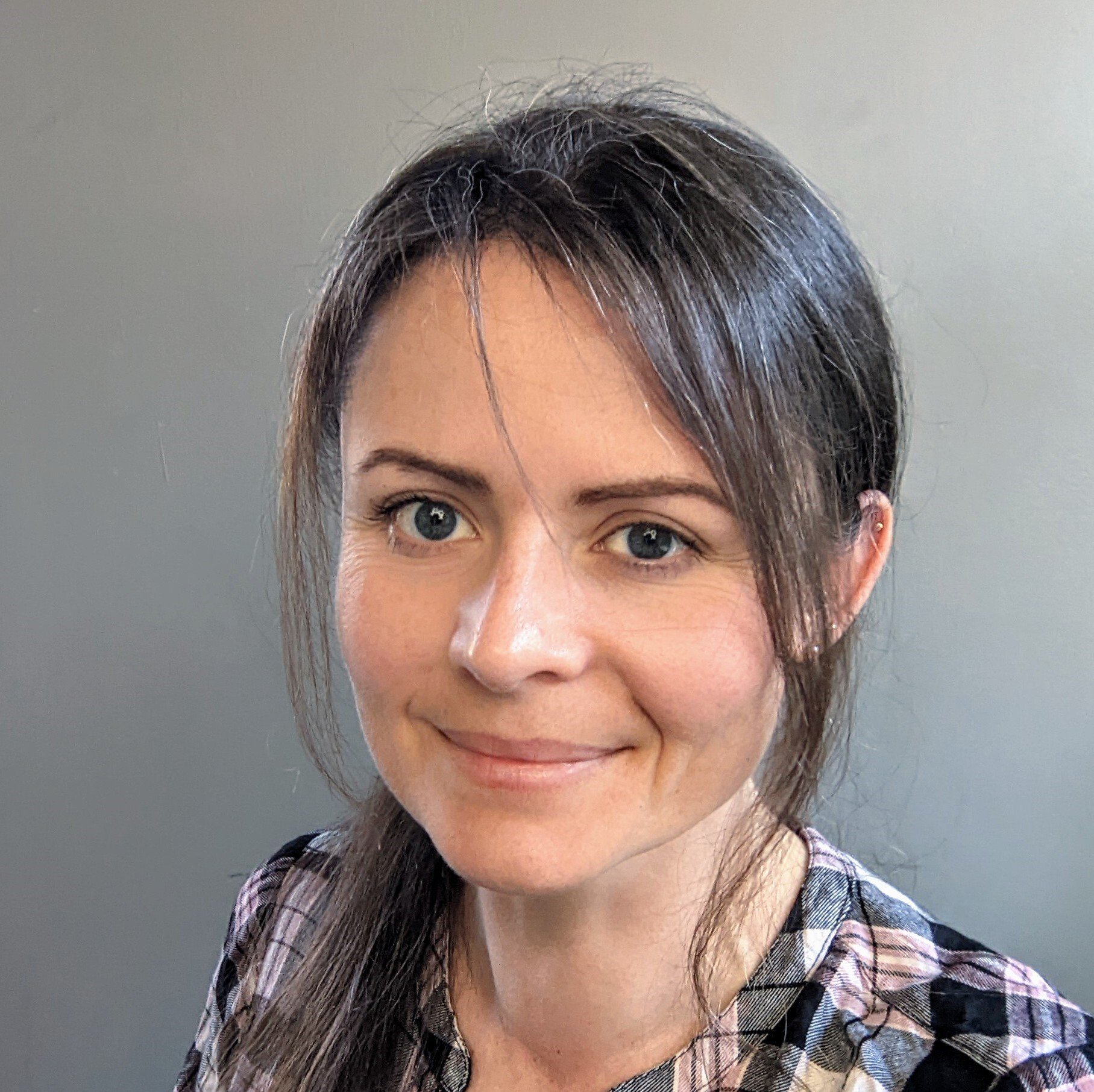
2026 Lab Design Conference speaker—Alison Farmer, program director for Labs2Zero, vice president of I2SL
Alison Farmer, program director for Labs2Zero and vice president of I2SL (The International Institute for Sustainable Laboratories) will be speaking at the 2026 Lab Design Conference in Orlando, FL. Her session, “Energy Improvement When Challenged with Shrinking Budgets,” will be held on May 12 from 9:45 am to 10:45 am.
Alison will discuss current federal funding restrictions and overhead spending reductions that are driving greater focus on energy efficiency upgrades and operational improvements in laboratory buildings. She will introduce I2SL’s Labs2Zero Actionable Insights and Measures (AIM) Report, an automated energy audit tool that identifies lab-specific savings opportunities based on benchmarking data, outlines implementation costs and savings, and highlights 26 expert-developed efficiency measures. She will also explain how to use AIM results to refine building parameters, bundle “packages” of upgrades, and support conversations with stakeholders about implementation.
This session will help lab end users and project teams quickly identify practical, data-driven energy efficiency upgrades without the time and expense of traditional in-person audits. By translating benchmarking data into actionable savings strategies, it can streamline planning decisions, reduce design iteration time, and ultimately lower both capital costs and long-term operating expenses for new builds and renovations.
Lab Design News spoke with Alison about reducing energy use in labs, lessons learned from her time in the astrophysics industry, and the benefits of studying language. Register now to get your conference ticket!
Q: What makes your Lab Design Conference talk especially relevant to the current trends and challenges in laboratory design?
A: With reductions in federal funding leading to the need to reduce operational spending at many lab organizations, and building performance standards starting to tighten their energy use limits, it’s more essential than ever to identify and implement energy-saving projects in existing lab facilities. My presentation will focus on how I2SL’s Labs2Zero tools can be used to kick-start that process for laboratories.
Q: What key takeaways should attendees expect from your session, and how can they apply these insights in their own labs?
A: Attendees will see how I2SL’s tools can be used to identify high-performing lab buildings, set performance targets, and estimate the costs and savings of applicable energy efficiency measures. All of the tools are available on the web and can be used by designers, engineers, and facilities staff as part of their optimization and cost reduction efforts for clients or at their own facilities.
Q: How do you see the future of lab design evolving over the next five to 10 years, and how should professionals prepare?
A: One very interesting trend is the advance of fully automated labs that combine AI and lab automation to do science. As the use of this technology grows, we’ll need to understand both the implications for facility requirements and the environmental tradeoffs.
Q: What’s one lesson from a past project that significantly influenced your approach to lab design?
A: The lesson I use the most comes from way back when I was still doing astrophysics, and it’s about focusing on what’s important. As a physicist, you can in principle write down an equation for the entire universe, but that’s not useful because you can’t solve it. You need to try to figure out which things—which forces, which objects—are actually important for the question you’re trying to answer, and which things (usually most of the universe) are just background. And only then do you have a chance of finding the solution. And that’s a principle that holds just as true outside of physics problems: as a first step, figure out what really matters.
Q: What’s your go-to method for unwinding after a busy week?
A: At the moment my favorite wind-down is doing exercises from textbooks on French grammar. There’s something very satisfying about understanding underlying structures (whether it’s language or physics or how buildings work) and then using all that to build new things.
Don’t miss the chance to hear directly from Alison and other lab professionals as they share data-driven insights and lessons learned that can help shape more successful laboratory design outcomes. Get your ticket for the 2026 Lab Design Conference today! Click here to register.