
Holding the Line on Cleanroom Pressure: Keeping GMP Operations in Control
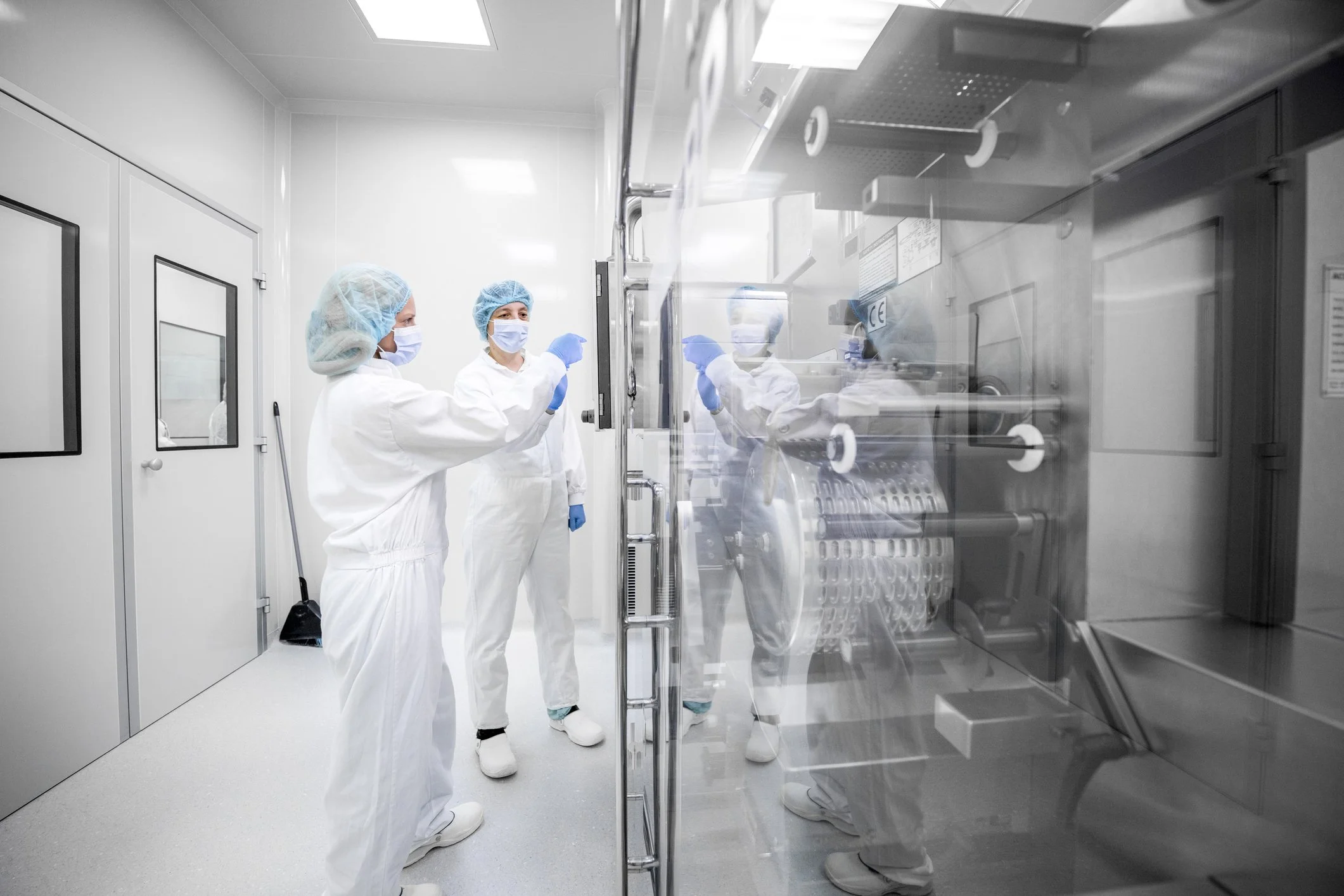
In today’s high‑stakes pharmaceutical and biotech manufacturing environment, environmental control is a core operational safeguard. Differential pressure often operates quietly in the background, yet neglect can result in contaminated batches, FDA warning letters, costly recalls, and even shutdowns. Robust differential pressure control delivers airtight quality, inspection‑ready compliance, and protects both product and reputation.
Recent FDA enforcement actions offer clear warnings. In one case, a facility was cited for failing to maintain proper pressure differentials between cleanroom zones; investigators found that pressure readings were recorded manually and reversals in airflow were tolerated. In another, an outsourcing compounding facility initiated a voluntary recall of sterile products after inspectors uncovered serious environmental control failures, raising the specter of cross‑contamination and patient risk. These are not abstract threats. They reflect real, documented incidents. A cleanroom operating without tight pressure control invites airborne particulates and pathogens into critical areas, translating into invalid validation reports, regulatory red flags, lost product lots, and potentially millions in remediation costs.
When differential pressure is engineered, monitored, and controlled properly, it functions as a robust barrier, helping to preserve sterility, assure batch integrity, and strengthen a facility’s defense during audits and inspections. It becomes an invisible guardrail that keeps operations on track, products uncompromised, and companies out of the regulatory crosshairs.
What is differential pressure?
Differential pressure refers to the difference in air pressure between two adjacent spaces, typically a cleaner space (for example, ISO 7) and a less clean one (ISO 8). This pressure differential drives airflow from high to low pressure, effectively creating an invisible barrier that limits contaminants from entering critical areas. In aseptic manufacturing, cleanrooms are designed so that higher‑pressure areas push air outward to reduce the risk of particulates or microorganisms being drawn into zones where sterile product is exposed.
In cleanroom manufacturing, properly managed differential pressure is more than a design detail; it’s a safeguard that can determine whether your operation passes its next inspection or ends up in an FDA enforcement database. When pressure cascades are maintained, they actively prevent cross‑contamination between rooms of different cleanliness grades, stop airborne particles from migrating during personnel or material movement, and block contaminated air from being drawn back through ductwork or wall penetrations.
When those cascades fail, the breach is often invisible until it shows up as an environmental monitoring deviation, a contaminated batch, or a 483 observation citing “inadequate pressure differentials” under GMP requirements. FDA warning letters have called out facilities for failing to maintain proper pressure between critical areas, noting that such deficiencies “may allow the ingress of microbiological contamination.” EU GMP Annex 1 and ISO 14644 do not emphasize pressure differentials because they look good on a drawing; they do so because without them, sterile manufacturing becomes a gamble with product quality, patient safety, and corporate reputation on the line.
How HVAC systems drive pressure control
At the heart of effective cleanroom contamination control lies the meticulously engineered HVAC system. It is not merely about temperature and humidity; it is about dynamic air movement and precise volumetric control, orchestrated by Air‑Handling Units (AHUs), to establish and maintain a cascaded pressure regime. This cascade, where air flows from cleaner (higher pressure) to less clean (lower pressure) areas, is the facility’s first line of defense against ingress of particles and microorganisms.
Understanding the nuances of various HVAC system configurations is crucial:
Fixed‑balance systems rely on constant air volumes and are simple, but can be less responsive to disturbances like door openings.
Fixed‑offset systems maintain a consistent differential flow rate between adjacent rooms, offering better control than fixed‑balance approaches.
Tracking systems intelligently adjust supply or exhaust airflow in response to changes in an adjacent zone, ensuring a consistent differential even with varying loads.
Direct Pressure Control (DPC) uses sensors to directly measure room pressure and modulates fans or dampers in real time to hold a precise setpoint, often considered the gold standard for critical spaces.
Nested loops and hybrid systems combine these approaches, with central DPC loops managing suites and inner loops managing individual rooms to meet demanding process and regulatory requirements.
Choosing the right scheme demands a clear understanding of the facility’s operational dynamics, risk profile, and specific cleanroom classifications (ISO 5, 7, 8 or GMP Grade A–D).
Monitoring, alarming, and validation
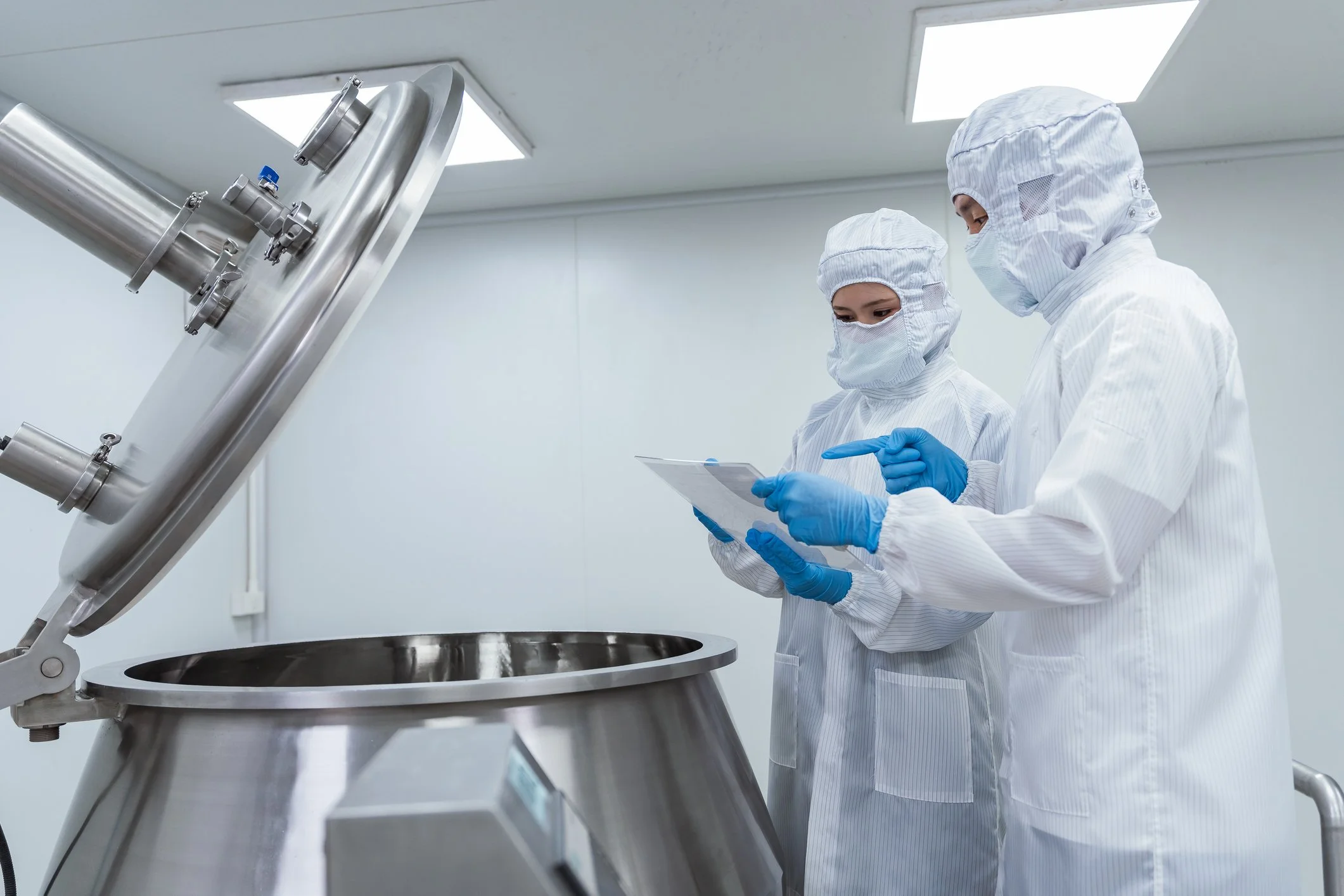
Differential pressure is typically monitored using devices such as Magnehelic gauges, pressure transmitters, or room pressure monitors with alarm capabilities. The required pressure differential varies depending on the classification of adjacent spaces, but a common target is approximately 0.02–0.05 inches of water column, depending on regulatory expectations and facility design.
Continuous monitoring with integrated Building Management Systems (BMS) or Environmental Monitoring Systems (EMS) ensures that excursions are promptly detected. Audible and visual alarms, along with trend reporting, are essential for compliance and root‑cause investigation during deviations. Effective alarm delays help differentiate brief, normal disturbances (such as door openings) from sustained, critical failures, and intelligent escalation ensures the right personnel are alerted at the right time.
Beyond design and setup, validation is indispensable. Installation Qualification (IQ), Operational Qualification (OQ), and Performance Qualification (PQ) confirm that systems perform as intended under various conditions, from empty to fully operational rooms. Regular re‑qualification and calibration are ongoing requirements to maintain validated status and demonstrate control to regulators and auditors.
Common pitfalls and real‑world failures
Even the most stringently designed cleanroom can lose control of its differential pressure when basic maintenance and operational discipline slip. A single unsealed wall penetration can allow contaminated air from a less controlled space to bleed into a Grade B aseptic corridor, and a propped‑open door during material transfer can let unfiltered air surge past the pressure cascade. Door gaps, misaligned seals, and overloaded HEPA filters can slowly erode system performance, while HVAC imbalances or inadequate airflow rates can tip the scales in a matter of hours.
Without robust, continuous monitoring, these failures often remain invisible until they trigger a contamination event, an environmental monitoring excursion, or a deviation investigation. In one FDA case, inspectors observed repeated door propping in a sterile corridor, leading to an official citation for “failure to maintain positive pressure” that directly jeopardizes sterility assurance. Each scenario is preventable, yet all too common, underscoring the need for a proactive approach to identifying and correcting weaknesses before they escalate into costly, compliance‑threatening incidents.
Operationally, facility teams must also manage door interlocks, power‑failure responses, maintenance and calibration programs, and human‑factor risks such as personnel movement and occupancy, all of which influence pressure dynamics. Training and strict SOP adherence are critical to keep technical systems performing as designed.
Best practices: from design to daily execution
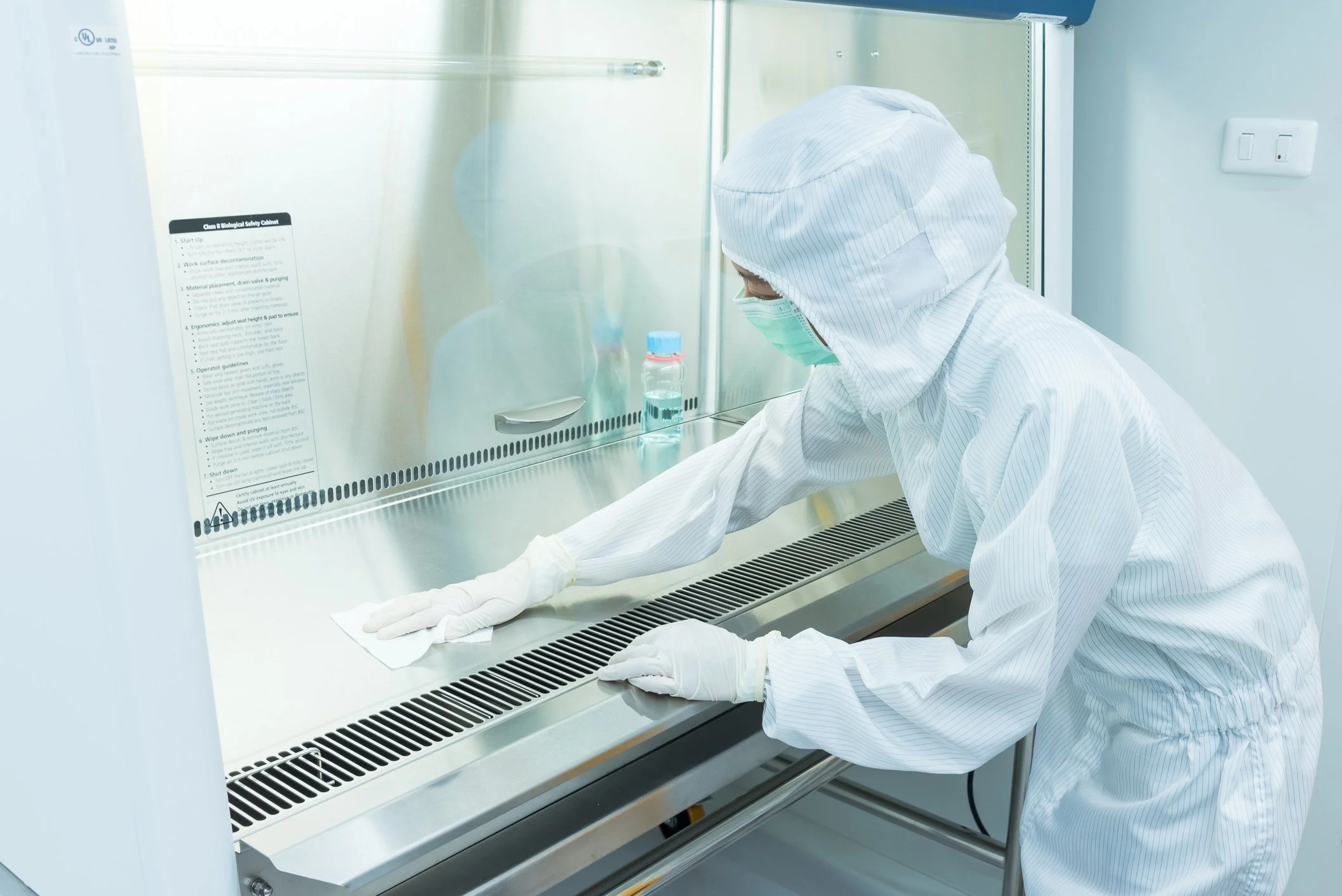
Effective differential pressure control is where proactive design meets relentless execution. Start with a cleanroom built on a cascading pressure model, rising from Grade D up through Grade B and into Grade A. This layered structure satisfies regulatory expectations while also providing strong physical and operational protection against contamination. Pair it with interlocked doors and tightly defined alarm setpoints for pressure loss to create an active defense that stops breaches before they happen.
Make pressure awareness part of your daily rhythm. Checking readings during shift changes or routine rounds keeps conditions visible, and when excursions occur, investigate them fully, document corrective actions, and assess their true impact. In commissioning and requalification, detailed pressure maps and validation metrics provide powerful audit evidence, proving the system works in both theory and practice.
Getting lax on any of this is not harmless. Several FDA warning letters have called out facilities for failing to define or maintain minimum pressure differences. In one example, a compounding outsourcing site was cited for not justifying or maintaining a differential of at least 0.04–0.06 inches water gauge (about 10–15 Pa) between adjacent zones, inviting contaminated backflow, regulatory findings, forced corrective actions, and production halts.
Differential pressure may be invisible, but its impact on product quality, regulatory compliance, and patient safety is anything but. From the first design drawing to the daily shift check, it is the constant force holding the line between controlled manufacturing and contamination risk. Designed, monitored, and maintained with precision, differential pressure becomes one of the most reliable and cost‑effective safeguards in your entire operation, preserving sterility, keeping audits uneventful, and ensuring every product leaving your cleanroom meets the standards your patients and regulators demand.
This article expands on previously published Genesis AEC content regarding room differential pressure, incorporating additional operational and CQV perspectives.