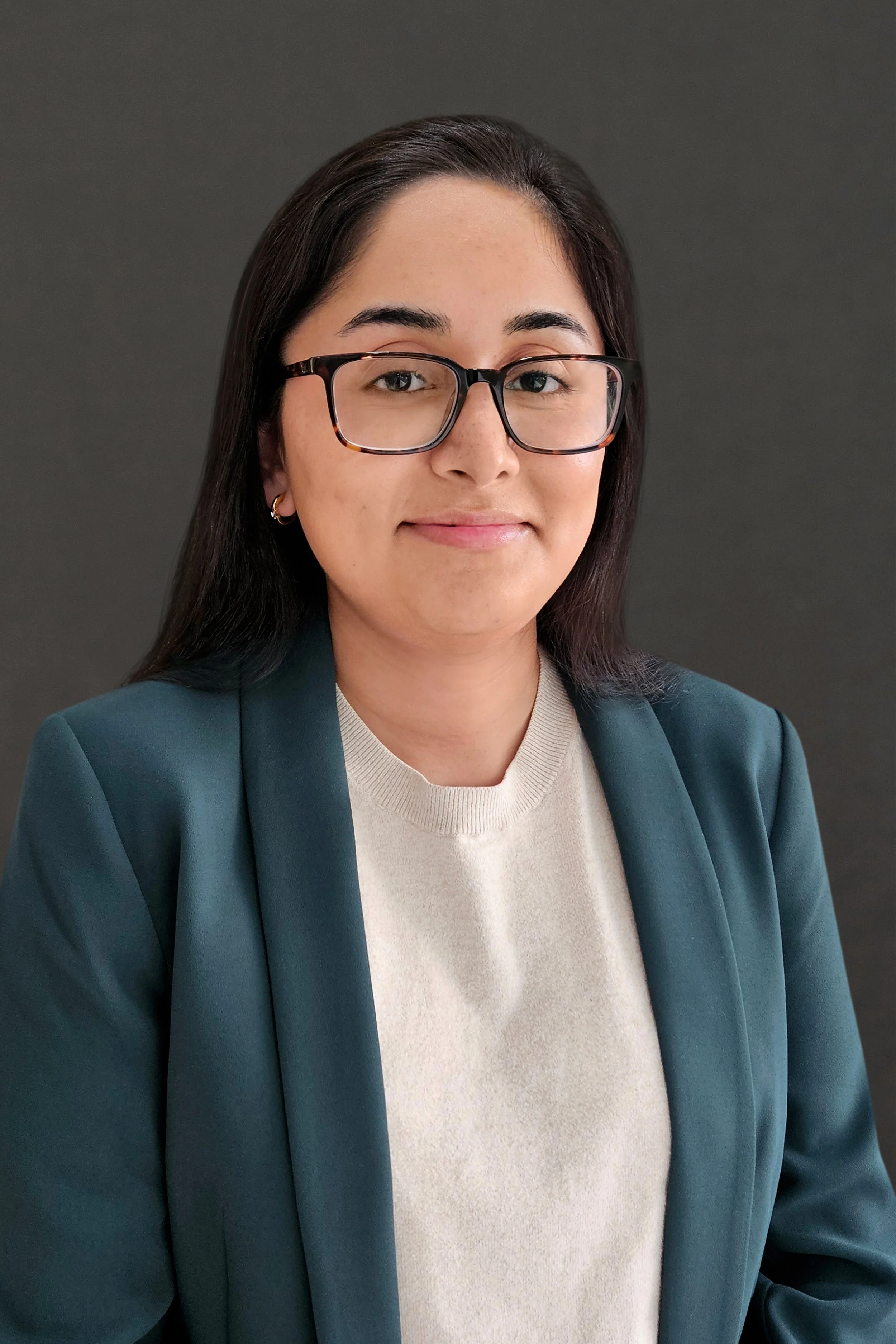
Tanvi Solanki, AIA, LEED AP BD+C, WELL AP, SITES AP, laboratory architect with HERA Laboratory Planners in Houston, TX
Tanvi Solanki, AIA, LEED AP BD+C, WELL AP, SITES AP, is a laboratory architect with HERA Laboratory Planners in Houston, TX. Lab Design News spoke to Tanvi about discovering lab design after graduation, her appreciation for complex and ever-evolving research environments, and her love of baking—including experimenting with a new outdoor pizza oven.
Q: What sparked your interest in designing labs—was there a defining moment that led you to this career?
A: I initially wasn’t even aware that laboratory planning was something you could do. I had interned throughout college, working on various retail, office, and education spaces, but it wasn’t until after graduating that I started working predominantly on laboratory spaces. It was very different from the typologies I had worked on previously because of all the specialty equipment and utility coordination that was required. With each new lab project, I found I had to learn about the specific research that was being conducted there and plan for the infrastructure accordingly. The varying complexity of different research environments and the challenge each project brought with it are what drew me to this field.
Q: What is your favorite building, lab-related or not?
A: My favorite building would probably have to be The Church of Saint Francis of Assisi in Belo Horizonte by Oscar Niemeyer. I’ve never been out there or seen it in person, but its undulating form, its azulejo tilework, and its location off the river all give the impression that it is a very beautiful building.
Q: If you could collaborate with any architect, designer, or scientist (past or present),who would it be and why?
A: One of my favorite architects is Eero Saarinen because of his innovative use of materials and swooping forms. Even more than his architectural designs, I think it would be interesting to learn about furniture design from him and maybe even collaborate with him on a chair design.
Q: What is one important “soft skill” that all lab design experts should have?
A: I think it is important to be adaptable. Being adaptable in the way you convey the information—whether it is through using the appropriate verbiage, graphically conveying ideas, or organizing technical data through spreadsheets—you have to adapt to the best way lab users and stakeholders will digest the information. And then being adaptable when receiving feedback from them is also important—incorporating their insights about their processes, documenting new instrumentation needs, and optimizing the overall design to make the space flexible for whatever the future may hold. It is unlikely that everything is going to be planned out “correctly” from the very beginning, so the more you can go with the ebb and flow of the inevitable changes and work alongside the lab users, the more likely the final design will be well-suited for the researchers’ needs.
Q: What kinds of hobbies or interests do you have outside of work?
A: I love baking different kinds of bread, pastries, and desserts. Cheesecakes are my favorite to bake, but I recently bought an outdoor pizza oven and I’ve been trying to bake pizzas and different flatbreads in it.
Q: For someone entering this career field, what advice would you give them?
A: To be curious. I’m very much still learning new things every day. If you can take the initiative to learn the basics about typical research environments, lab instruments, and standards/codes, it can go a long way. Sometimes the best resources are all the people involved in a project, whether they are equipment vendors, casework manufacturers, design consultants, or the lab end users themselves. It is impossible to learn everything, but knowing even a little bit about a topic can help you ask the right questions and can make planning a laboratory that much easier.