
cGMP and Fossil Fuel-Free—United Therapeutics Project Lightyear
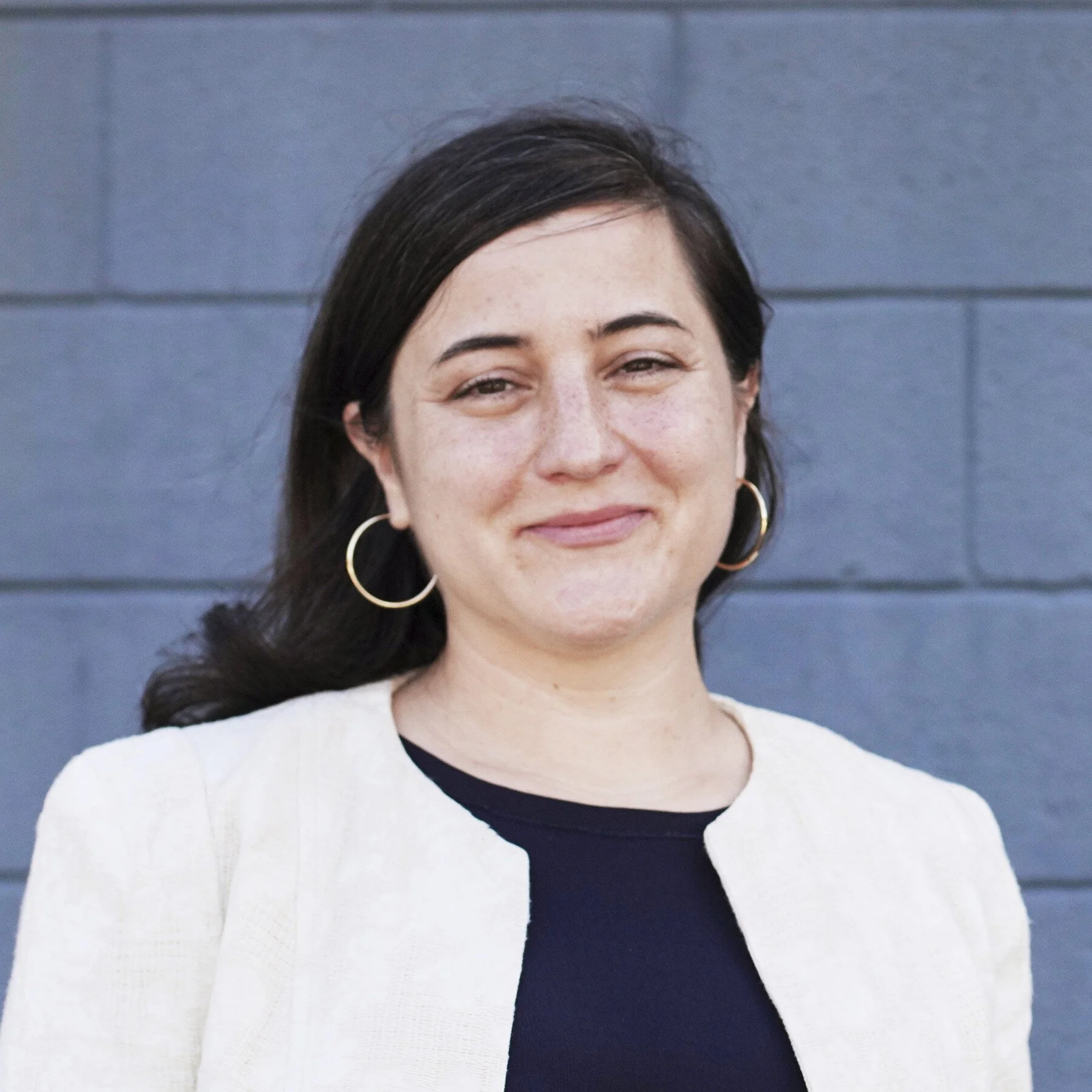
2025 Lab Design Conference speaker—Julia Janaro, principal and director of sustainability, Hanbury
At the 2025 Lab Design Conference, the session “cGMP and Fossil Fuel-Free—United Therapeutics Project Lightyear” offered attendees an inside look at a remarkable integration of sustainability, regulatory compliance, and cutting-edge lab design. Presented by Julia Janaro, principal and director of sustainability at Hanbury, and Christopher Small, principal at Hanbury, the session highlighted the challenges and achievements of designing a cGMP facility that is both fossil fuel-free and net zero, all while supporting critical public health initiatives.
Project Lightyear is a 51,000-sf facility located on United Therapeutics’ Research Triangle Park campus in Raleigh, NC. As the fifth net zero building in the company’s portfolio and the second within this campus, the project serves as a transformative precedent for sustainable lab and cold-storage facilities. Cold-room storage facilities, especially under cGMP regulations, often go overlooked in green building discussions, despite their significant energy demands. Project Lightyear demonstrates that high-performance labs can meet stringent regulatory requirements without compromising sustainability.
Innovative energy systems and resilience
A central theme of the session was the project’s net zero and fossil fuel-free ambitions. Achieving these goals in a cGMP environment required a highly iterative design process, with constant collaboration between the owner, contractor, engineers, and architects. Unlike typical lab projects, Project Lightyear could not compromise on redundancy, indoor environmental conditions, or backup power.
The facility relies on a comprehensive suite of sustainable systems, including a 1,200-panel photovoltaic rooftop array, geothermal heating and cooling, Tesla Megapack battery storage, and a dedicated microgrid. These systems allow the facility to generate, store, and distribute energy efficiently while maintaining resilience and independence from fossil fuels.
Programmatic impact and knowledge sharing

2025 Lab Design Conference speaker—Christopher Small, principal, Hanbury
The session emphasized the unique technical challenges associated with these pioneering technologies. The design team had to navigate code requirements for renewable energy, coordinate with process equipment vendors unfamiliar with net zero operations, and determine optimal strategies for balancing photovoltaic, geothermal, and battery systems costs. Integrating these systems within the constraints of a regulated pharmaceutical environment required creative problem-solving and careful modeling to ensure that design predictions aligned with post-occupancy performance.
Attendees gained insights into how design modeling and actual outcomes are tracked and evaluated more than a year after occupancy, highlighting both successes and lessons learned.
An equally important aspect of Project Lightyear is its programmatic and social impact. Beyond operational goals, the project incorporates the renovation of an existing AIA award-winning fieldhouse and includes experiential graphics to support on-site education for visitors. Small and Janaro outlined to the Lab Design Conference how this integration of public-facing elements demonstrates United Therapeutics’ commitment to transparency and knowledge-sharing, setting an example for future projects in the pharmaceutical and laboratory design industries.
The session also highlighted how Project Lightyear serves as a benchmark for similar facilities worldwide. By addressing environmental, regulatory, and operational considerations simultaneously, the project provides a roadmap for other pharmaceutical and cold-storage facilities seeking to achieve net zero outcomes. United Therapeutics’ holistic approach shows that it is possible to support life-saving therapies, maintain rigorous cGMP compliance, and push the boundaries of sustainable design—all in a single, cohesive project.
Key lessons for practitioners
Learning objectives outlined in the session underscored the project’s strategic and technical contributions. Attendees at this Lab Design Conference session explored how to establish ambitious sustainability goals without compromising regulatory requirements, evaluate emerging technologies before inclusion in building codes, and assess the advantages and limitations of sustainable systems in energy-intensive cGMP applications. Case studies illustrated the interplay between design intent, modeling, and real-world performance, offering tangible lessons for practitioners aiming to replicate similar strategies.
Project Lightyear’s success is grounded in collaboration at every level. The design process involved coordination with the city and county of Durham, Duke Energy, multiple vendors, and code authorities, ensuring that the project would achieve its net zero energy goals while meeting rigorous pharmaceutical standards. By sharing these lessons with the broader community, United Therapeutics reinforces its commitment to advancing sustainable practices across the built environment, particularly in underrepresented program types.
Ultimately, Project Lightyear exemplifies the power of an integrated approach to laboratory and cold-storage design. It demonstrates that sustainability, resilience, and regulatory compliance need not be mutually exclusive and establishes a precedent for future cGMP projects worldwide. As the industry continues to confront energy-intensive operations and climate challenges, Project Lightyear offers a blueprint for a more resilient, responsible, and innovative future.
The 2026 Lab Design Conference is heading to Orlando, FL, on May 11–14! Learn how objective decision-making tools and integrated project delivery models are shaping the future of lab planning. Get updates on the agenda, networking events, workshops, and lab tours at https://www.labdesignconference.com/.