
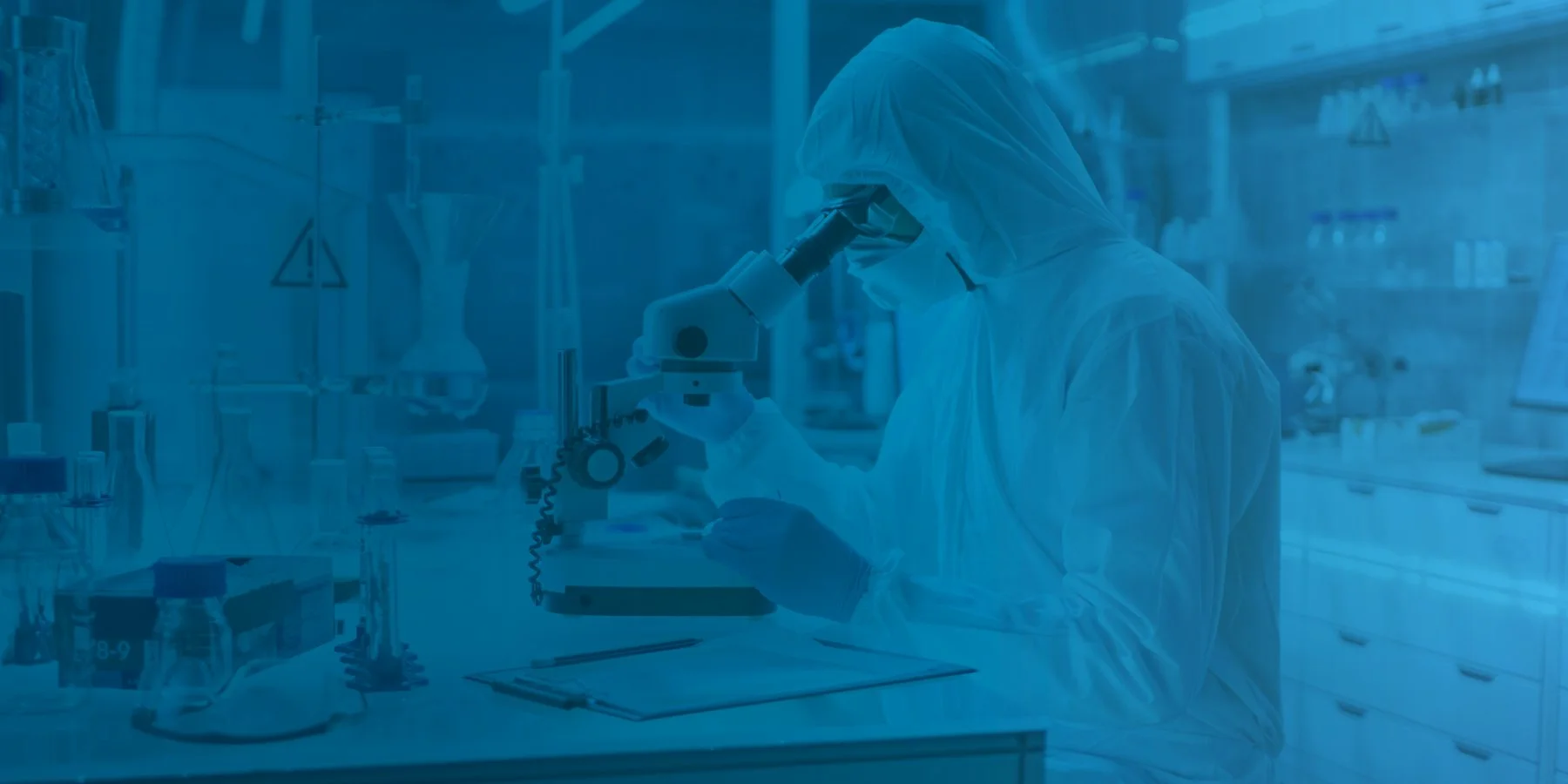
How to Optimize Lab Design while Supporting Scientific Operations and Ensuring Biosafety
Register for this free webinar from Lab Design to learn how to integrate scientific workflows, flexibility, efficiency, and biosafety into biological laboratory design. Explore how mapping the movement of personnel, samples, and waste can inform equipment placement, space planning, and facility adjacencies while supporting productivity and preventing cross-contamination. The session will also cover biological risk assessment, engineering controls, strategies for facilitating collaboration between architects and lab users, and common design pitfalls that can complicate future laboratory operations.
Tuesday, December 15, 2026
1:00pm ET
Register for free
The overarching goal of every biological lab design project is to cohesively incorporate scientific operations, flexibility, efficiency, and biosafety into the newly designed lab space. An initial step of critical importance for the lab design team is to discuss what the lab’s scientific workflow looks like including the flow of personnel, samples, and waste throughout their different research activities. Outlining scientific operations early in design is useful to understand facility and equipment adjacencies (including the placement of safety equipment like BSCs) to facilitate productivity and avoid ergonomic issues, to allot adequate space for current and future operations, and to avoid cross-contamination and maintain biocontainment where needed. How to evaluate and mitigate biological risks will be discussed to emphasize the importance of lab design and engineering controls in overall biosafety needs. This talk will also provide a framework to facilitate discussions about scientific workflows between architects and lab users and provide some common design pitfalls that can complicate future lab operations.

Lab Design is an AIA CES approved education provider
Learning objectives:
After attending this presentation, the learner should be able to:
Facilitate discussions about a lab’s scientific operations for the flow of samples, wastes, personnel, and information.
Identify lab and safety equipment, facility features, and shared lab building services adjacencies based on scientific workflow that accommodate processes and flexibility.
Identify common lab design pitfalls that can impact lab operations, biosafety, biocontainment, and cross-contamination protections.
Develop strategies to collaborate with lab and safety professionals to translate scientific workflows into safe, functional, and innovative lab spaces.

This course is approved by AIA CES for 1 LU/HSW credit
Speaker

Julianne Baron, PhD, CPH, RBP, CC
President and Owner
Science and Safety Consulting
Register
The information you provide will be shared with the sponsors of this content. Lab Design or its sponsors may contact you to offer you content or products based on your interest in this topic. You may unsubscribe from these communications at any time. For information on how to unsubscribe, our privacy practices, and commitment to protecting your privacy, check out our Privacy Policy