
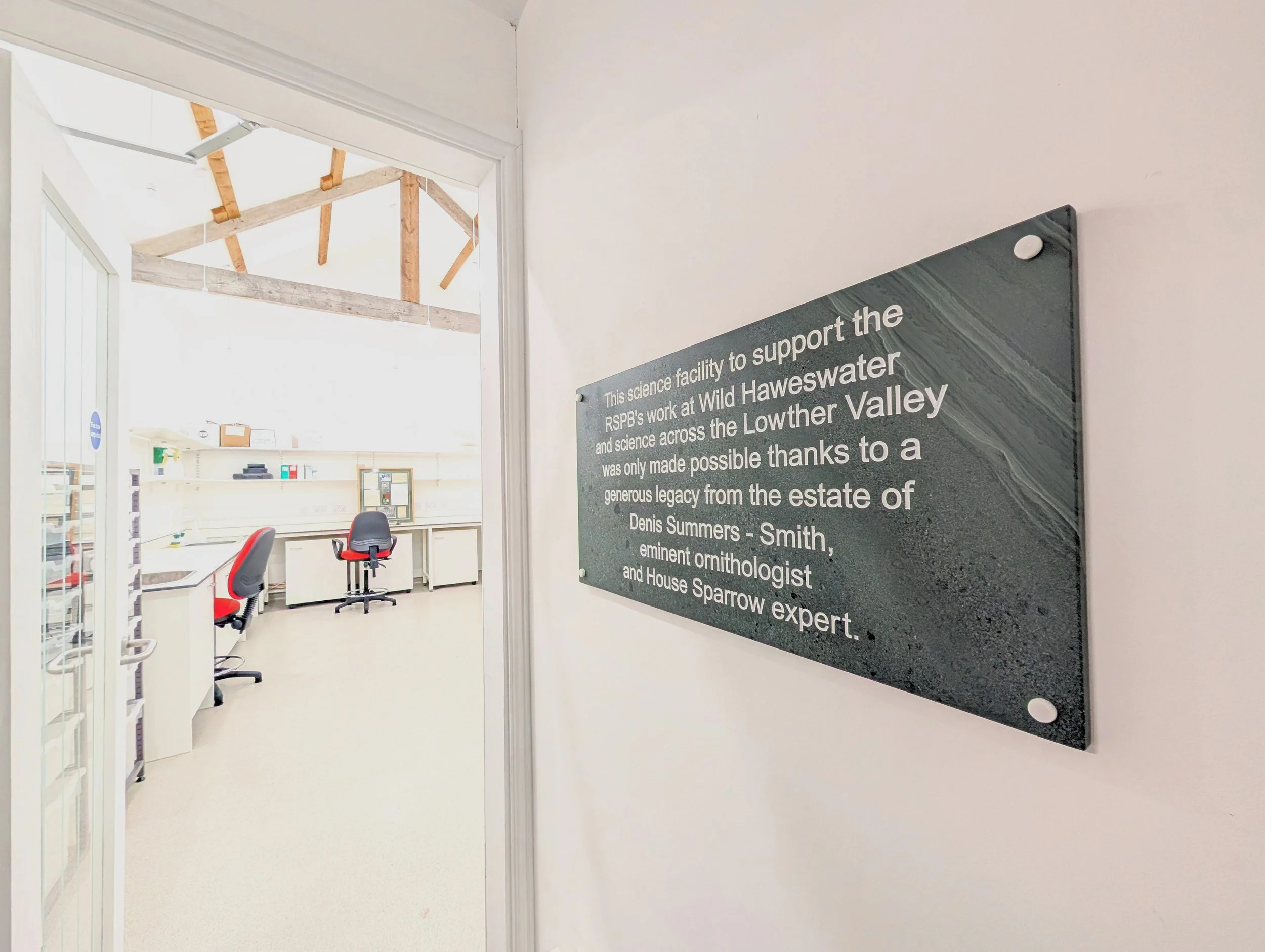
The RSPB Laboratory for Upland Research at Wild Haweswater provides a dedicated base for scientists and students studying biodiversity, habitat restoration, and ecosystem recovery across Cumbria's upland landscapes. Image: Cumbria Connect
A new research laboratory at Wild Haweswater in Cumbria, England, is giving scientists and conservation researchers a dedicated base for studying upland ecosystems and monitoring the effects of nature restoration. The RSPB Laboratory for Upland Research, developed through a renovation and laboratory fit-out of an existing 17th-century barn, is intended to support fieldwork, sample preparation, initial analysis, and collaboration among researchers, universities, and students.
The facility was made possible through a legacy from the estate of Denis Summers-Smith, an eminent ornithologist whose research focused on House Sparrows. Its location places researchers within a landscape encompassing woodland, moorland, peatland, grassland, rivers, and other habitats undergoing restoration.
The laboratory will support research conducted through Cumbria Connect, a landscape-scale nature recovery partnership involving the RSPB, Lowther, United Utilities, and Natural England. Projects include monitoring biodiversity and investigating how grazing, tree planting, and deer management affect ecosystems, as well as studying underground fungal networks and their relationships with native trees.
Defining the laboratory's role
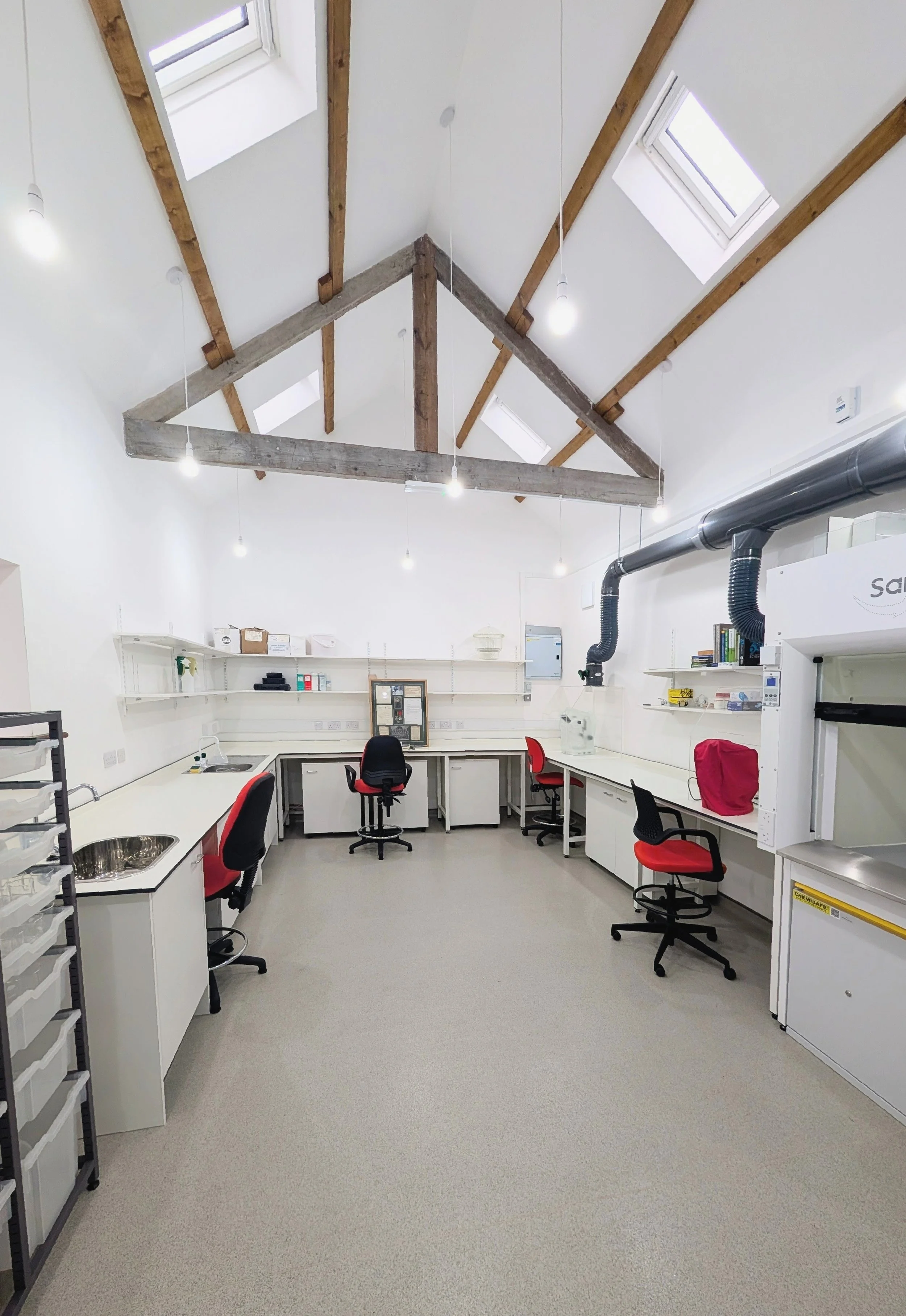
The new RSPB Laboratory for Upland Research. The project team developed the laboratory requirements through three years of research experience, consultations with university laboratory managers, and collaboration with the laboratory outfitter to determine the facility's layout and equipment needs. Image: Cumbria Connect
Rather than attempting to create a fully equipped facility for every possible scientific discipline, the project team focused on identifying the essential capabilities researchers would need while working in this remote landscape.
The Conservation Science team drew on three years of experience working with research collaborators at Wild Haweswater to develop an initial list of requirements. They also sought advice from two colleagues who manage research laboratories at nearby university campuses. The specialists visited the building while it was still empty, helping the team expand its requirements before the laboratory layout and equipment were finalized.
“This was mostly based on our experience. My colleague, Callum, and I have been working with our research collaborators in this landscape for the past three years, which gave us a good idea of the minimum requirements,” says Mo Verhoeven, conservation scientist at Cumbria Connect.
The resulting wish list informed the laboratory outfitting process. Rocket Architects developed the initial design outline, which was subsequently adapted by the Conservation Science team. Sanber Ltd carried out the laboratory fit-out, while Avara Civils Ltd undertook the building renovation. Project management was handled in-house by the RSPB.
The Conservation Science team also worked directly with Sanber during several site meetings to inform decisions about the laboratory layout and technical requirements, particularly extraction and ductwork.
“We wanted to make the laboratory as useful as possible for both current research and future users,” says Gary Smith, RSPB project manager.
Designing for fieldwork and sample preparation
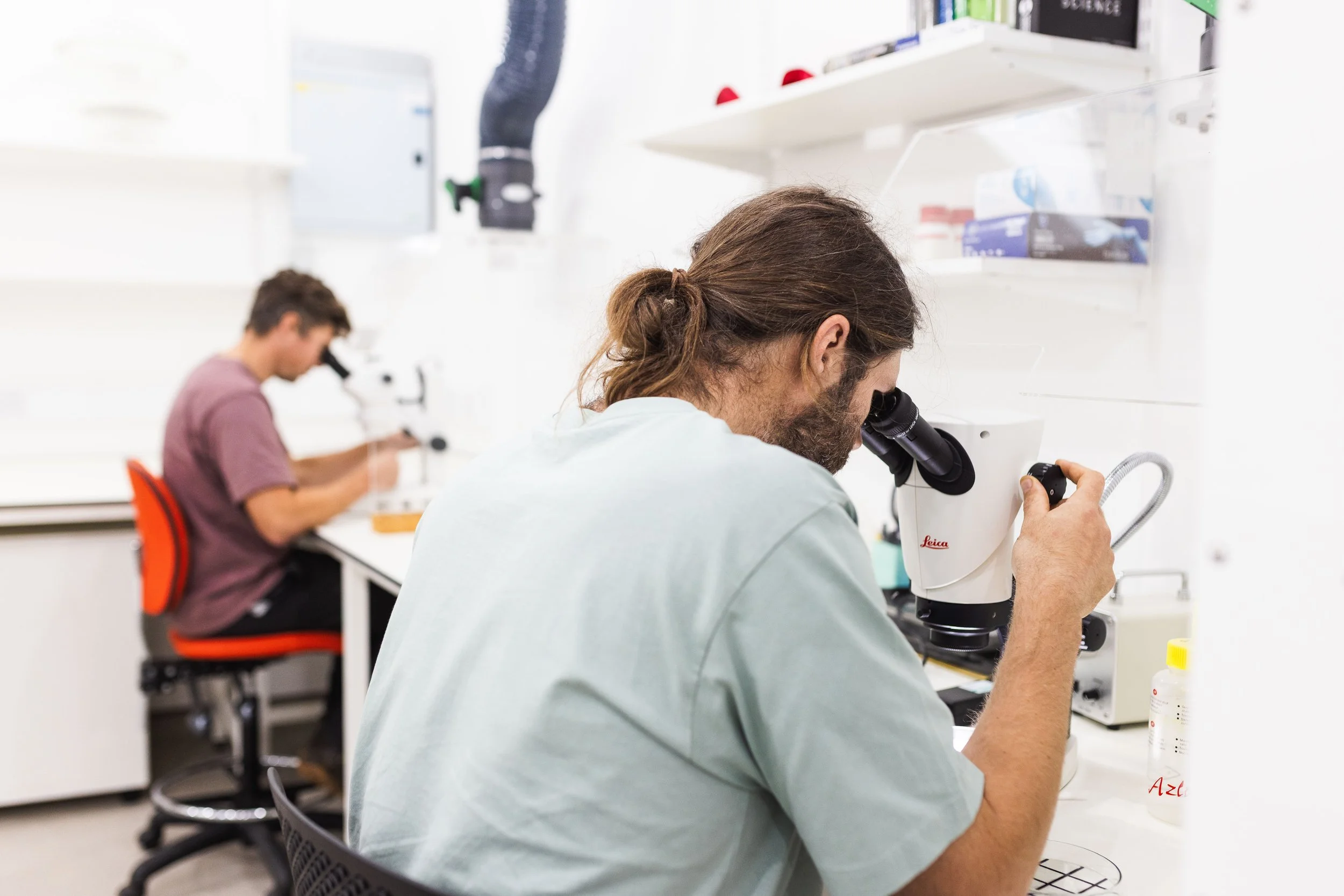
Conservation scientists Mo Verhoeven and Callum Goff from Cumbria Connect working in the new RSPB Laboratory for Upland Research. Image: Cumbria Connect
One of the project's defining decisions was establishing what work should take place at Wild Haweswater and what would be better suited to specialist facilities elsewhere.
Researchers working in remote locations need somewhere to preserve and prepare samples and conduct initial analyses without necessarily requiring the full range of sophisticated equipment found at university research institutes. Based on experience with similar remote laboratories, the team decided to prioritize those essential activities while leaving specialized procedures, including DNA analysis and mass spectrometry, to specialist laboratories at research institutions.
This approach helped limit the equipment requirements while allowing the facility to serve researchers from different disciplines. Rather than dedicating space and resources to highly specialized instruments that might only be used occasionally, the team prioritized equipment with broader applications.
“As mentioned above, we have focused on providing the minimum requirements for scientists to preserve and prepare their samples and carry out some of the initial analyses. This helps narrow down the requirements and identify equipment that can be used across different disciplines, such as a drying oven,” Verhoeven says.
The strategy also informed decisions about future flexibility. The permanent conservation science team and visiting researchers will share a facility designed around common research requirements rather than multiple specialized workflows. However, the team recognizes that future projects may introduce equipment needs that have not yet been identified.
Space and budget have therefore been reserved for additional equipment as research activities evolve.
Adapting a historic building for laboratory use
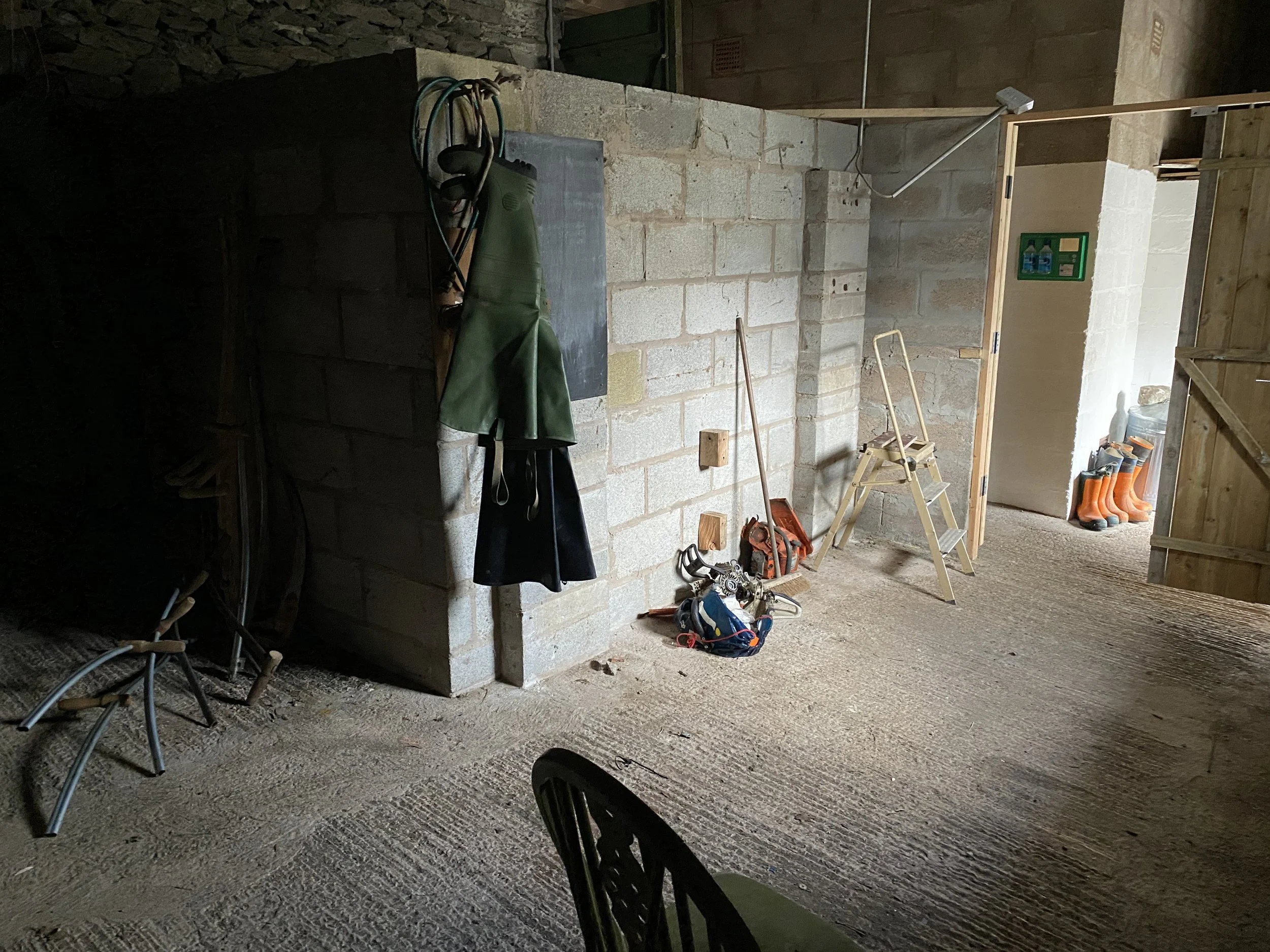
The RSPB converted a 17th-century former workshop barn into a research laboratory, adapting the layout to existing structural constraints and addressing moisture issues through extensive building renovations. Image: Cumbria Connect
The decision to renovate an existing structure presented its own challenges.
“The laboratory is housed in a 17th-century barn which was previously used as a workshop, so the layout had to fit within the existing walls rather than being designed from scratch,” Smith says.
The building also required extensive tanking to make it dry and suitable for laboratory use. Its remote location created additional procurement and construction challenges, particularly because relatively few contractors were able to tender for and undertake the work.
Coordination between the renovation and laboratory fit-out teams was especially important. Structural work had been completed before the laboratory installation began, requiring the outfitter to work around existing building conditions. Some walls were approximately three feet thick and had already been tanked, limiting options for routing ventilation and extraction infrastructure.
The teams worked together to find routes for the systems around the existing structure. Smith noted that the extraction system might have been designed differently had its requirements been considered during the original renovation.
The experience highlights the importance of coordinating laboratory infrastructure requirements with building renovation work early, particularly when adapting older structures. Ventilation, extraction, and service routes can be difficult and expensive to modify once structural work and finishes are complete.
Planning for changing research needs
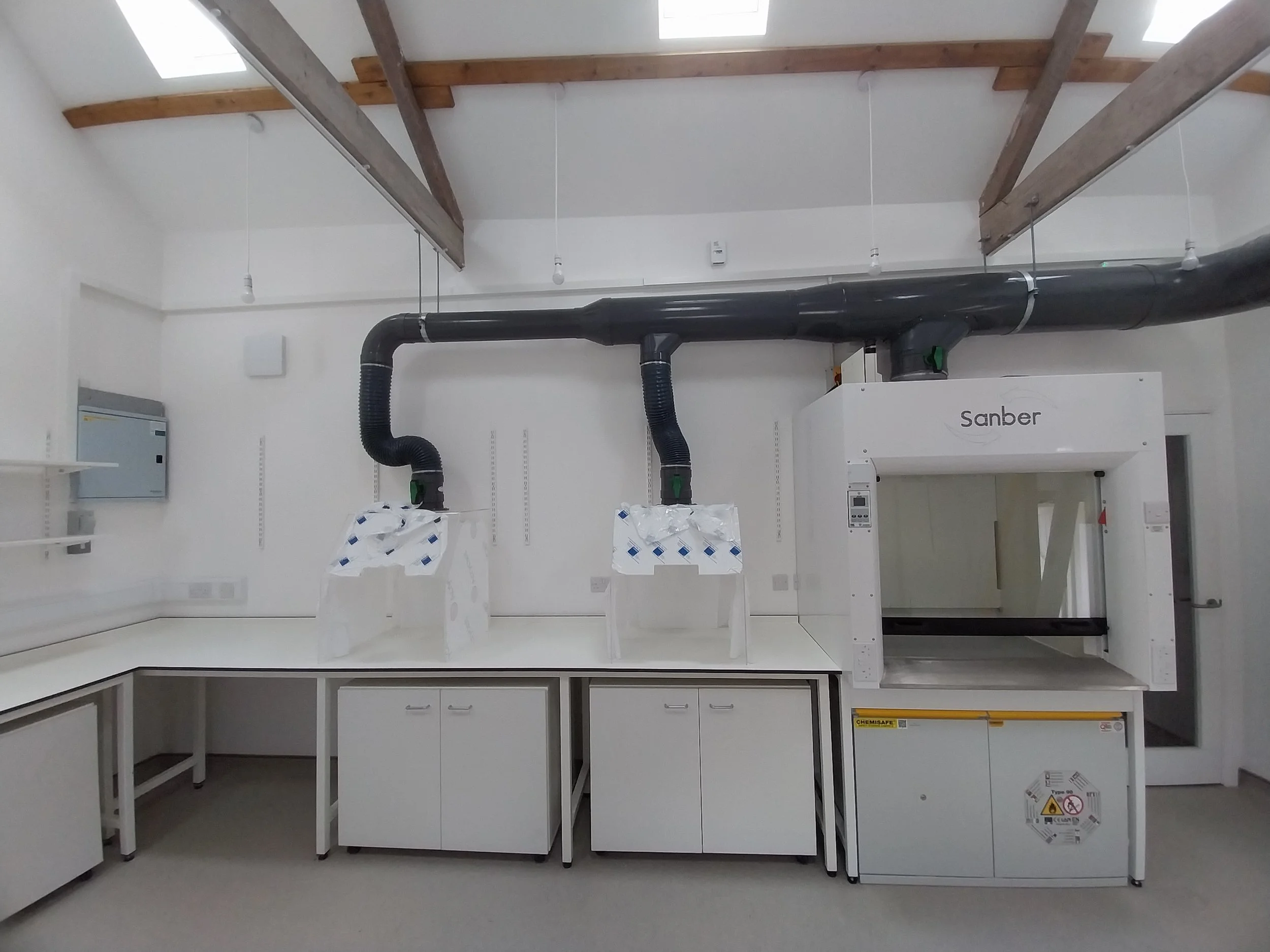
The laboratory features a vented fume cupboard to accommodate a wider range of future research protocols, reflecting the team's emphasis on flexibility and adaptability as research needs evolve. Image: Cumbria Connect
Designing for unknown future requirements was another significant challenge. Although the team deliberately limited the initial equipment specification, it also made some decisions with a longer-term perspective.
For example, existing research protocols could have been supported by a recirculating fume cupboard. Instead, the team selected a vented model to accommodate a wider range of potential future protocols.
“Predicting future needs was the hardest part," Verhoeven says. "We have therefore taken a flexible approach which will hopefully give us the opportunity to expand as required.”
This balance between providing essential capabilities now and preserving opportunities for future investment is particularly relevant to research facilities serving multiple disciplines. The laboratory does not need to anticipate every possible instrument or methodology, but its infrastructure and available space should allow the facility to respond as research priorities change.
Measuring success through research activity
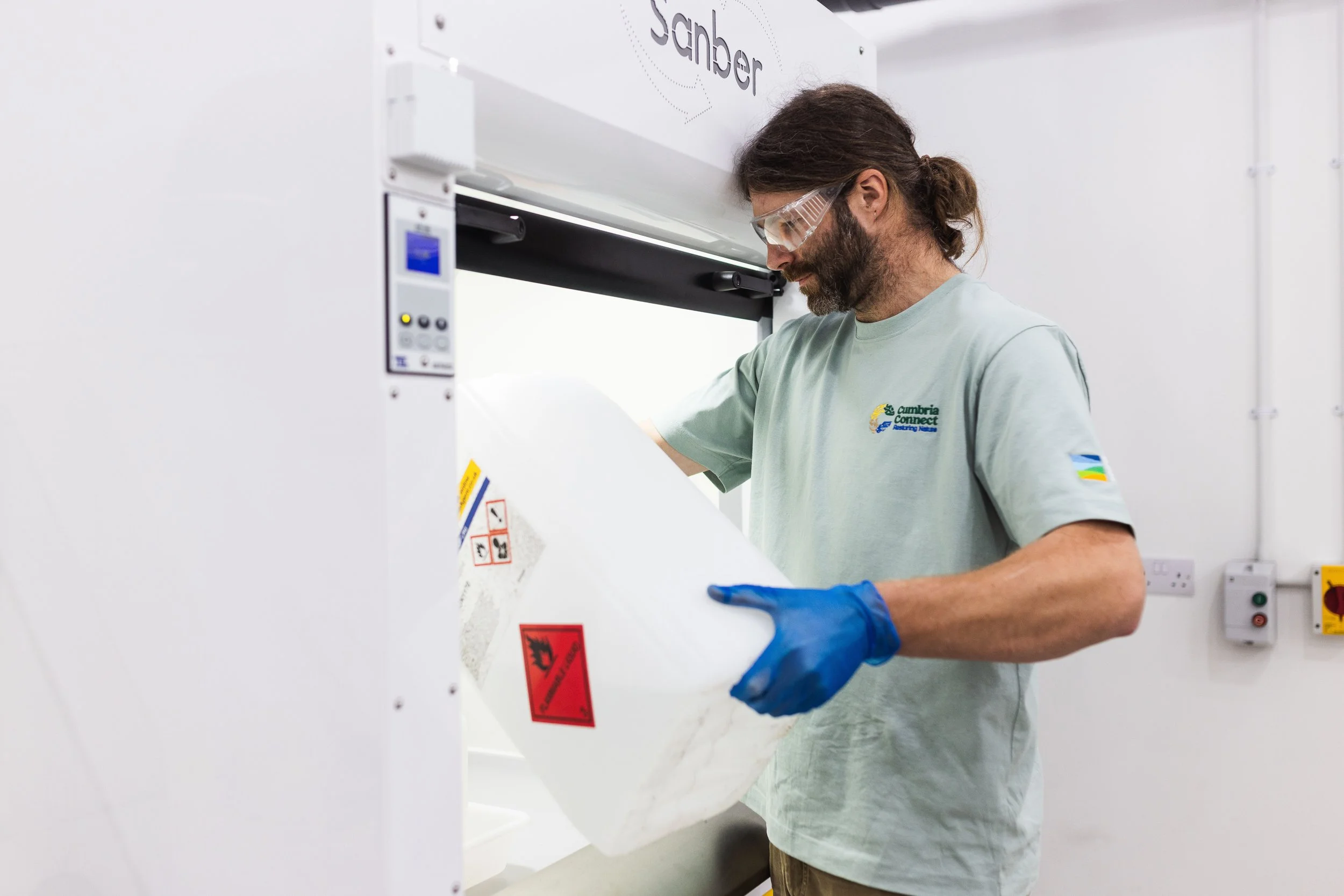
Callum Goff, conservation scientist assistant for Cumbria Connect, using the new RSPB Laboratory for Upland Research. Image: Cumbria Connect
With the laboratory now open, the team will evaluate its success partly through how researchers use the facility and whether it helps attract more scientific activity to the region.
One important measure will be whether visiting researchers and students can conduct longer fieldwork campaigns without interrupting their work to travel elsewhere for sample processing. Having preparation and initial analysis capabilities on site could reduce travel requirements and remove logistical constraints associated with studying remote landscapes.
The team also plans to gather input from lab users and make adjustments as necessary.
“We will also ask researchers for feedback on the laboratory's design and how well it works for them. Hopefully, the flexible design will allow us to make changes and improvements as needed,” Verhoeven says.
Ultimately, the RSPB Laboratory for Upland Research is intended to become more than a base for the organization's own conservation science team. By providing shared research infrastructure in the landscape being studied, the facility aims to bring visiting scientists, university partners, and students together while strengthening the evidence supporting long-term ecological restoration.