
Historic Laboratory Expansion Modernizes Connecticut’s Agricultural Research Capacity
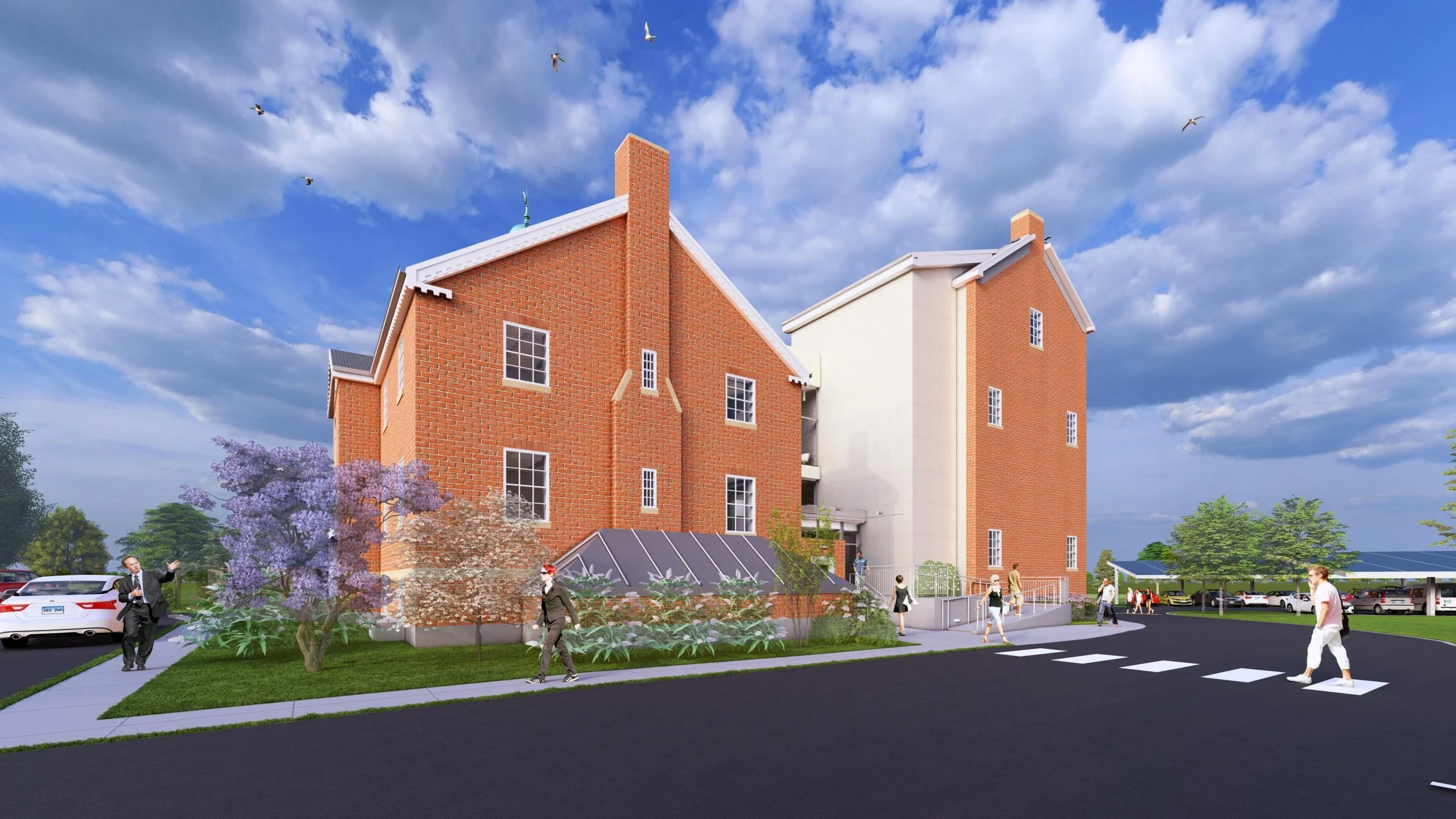
The expansion and renovation of the Connecticut Agricultural Experiment Station’s Valley Laboratory in Windsor will modernize aging infrastructure and add new laboratory, greenhouse, and support space to enhance agricultural research capacity across the state. Image: Courtesy of the Connecticut Agricultural Experiment Station
A major expansion and renovation of the Connecticut Agricultural Experiment Station’s Valley Laboratory in Windsor is set to transform one of the state’s most important agricultural research hubs, strengthening its ability to serve farmers, municipalities, and homeowners across Connecticut.
The project, which includes a significant addition and comprehensive upgrades to the historic facility, is designed to modernize aging infrastructure while expanding scientific capacity for plant pathology, entomology, and soil science. The new facilities are scheduled to open in the fall of 2027.
The work includes renovation of the existing Valley Laboratory building along with construction of a new three-story addition, adding approximately 24,800 square feet of laboratory and support space. The project also incorporates modular greenhouses, utility upgrades, and a geothermal well field intended to improve long-term energy efficiency and operational resilience.
The project team includes TLB Architecture (architect), Salas O’Brien (mechanical, electrical, plumbing, fire protection engineering; civil & structural engineers), Richter & Cegan (landscape architect), Haley & Aldrich (geotechnical engineer), Fuss & O’Neill (hazardous materials consulting), Lightcraft, member of WSP (lighting design), Atkins Realis Inc. (cost estimating), Jensen Hughes (code consulting), Martinez Couch & Associates LLC (land survey), Arcadis (construction administrator), GZA GeoEnvironmental Inc. (environmental consultant), Colliers Project Leaders (commissioning), and O&G Industries (general contractor).
Longstanding facility, modern demands
The Valley Laboratory has been a critical resource for applied agricultural science in Connecticut for decades, providing diagnostic services and research that directly support the state’s agricultural economy. But according to project stakeholders, the facility has struggled to keep pace with modern research needs.
“The Anderson-Magnarelli Valley Laboratory location allows access to research and service for farmers and citizens in the northern part of the state,” says Jason C. White, PhD, director of the Connecticut Agricultural Experiment Station, on why the renovation is important. “Scientists and programs have a large impact on agriculture, the Connecticut economy, and assistance to citizens.”
He notes that the Connecticut agricultural industry has “over $500 million in sales and a $4 billion impact on the state,” with the lab contributing information to growers and citizens about insects, plant diseases, and horticulture. The lab processes over 6,000 inquiries and over 5,000 soil tests annually.
“Importantly, due the current state of the laboratory, important public health programs … such as molecular research on indoor air quality, mosquito and tick viruses/pathogens, biological control and herbicide resistance CANNOT occur,” says White. “Once complete, these programs and other projects requiring state-of-the-art laboratory facilities can be initiated.”
The expansion, notes White, is intended to directly address those constraints while preserving the laboratory’s core mission of public service and agricultural support.
Scientists shaping the design process and workflows
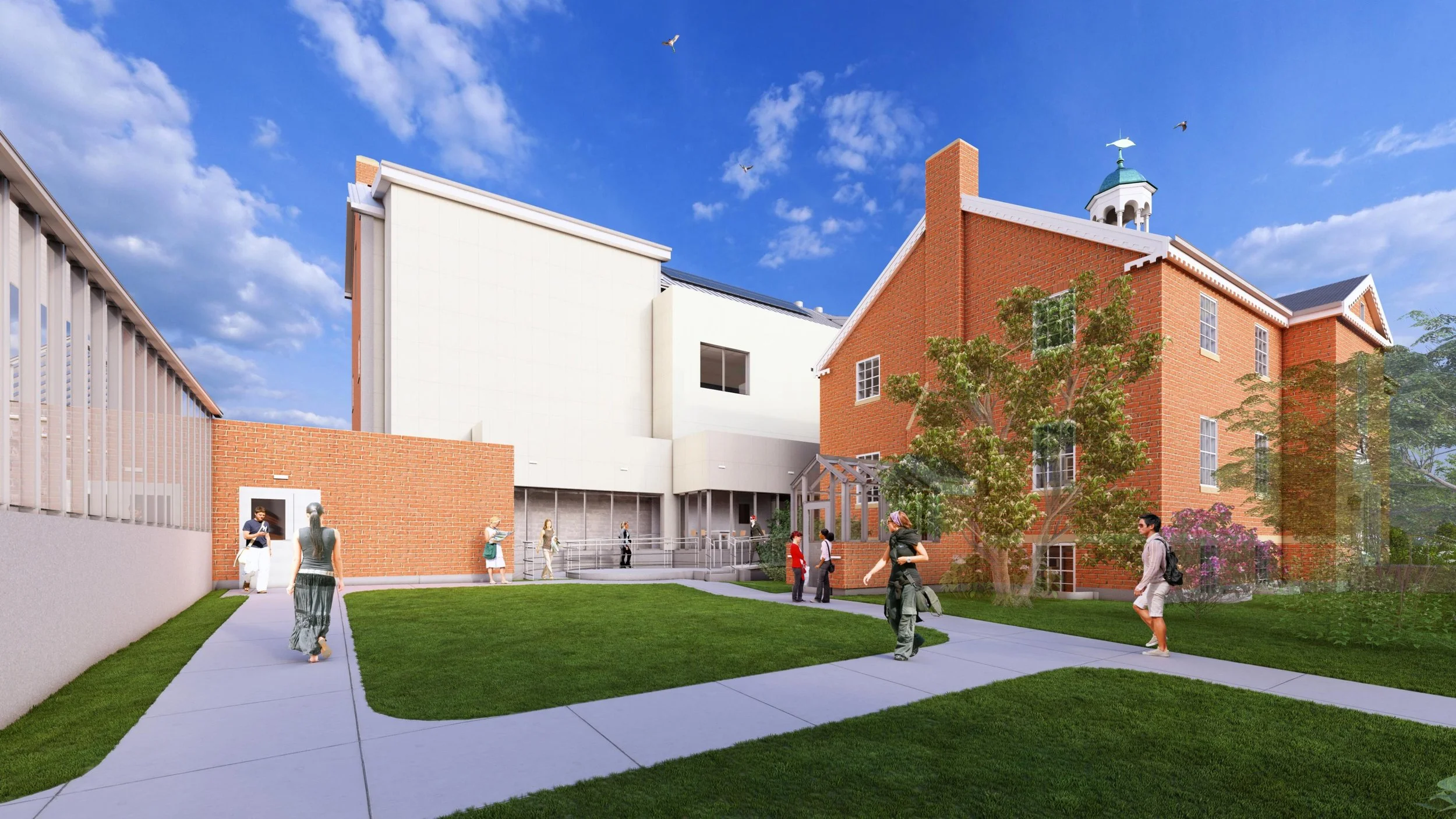
The project, more than a decade in the making, began with a 2012 pre-design study and moved into formal design in 2015, with research staff playing an ongoing role throughout the planning and design process. Image: Courtesy of the Connecticut Agricultural Experiment Station
The project itself has been in development for more than a decade, beginning with a pre-design study in 2012 and advancing through formal design work starting in 2015 with TLB Architecture. A key feature of the plans has been the sustained involvement of research staff throughout the planning and design process.
According to Michael Last, CFO, engagement from scientists and laboratory personnel has been continuous since early planning phases.
“The research staff at the Valley Laboratory was involved in every phase of design, from early predesign through schematics to construction documents,” Last says. That input has helped ensure that the new facility is tailored to real-world laboratory workflows and evolving research needs.
A central goal of the expansion is to improve daily laboratory operations—such as research on breeding, weed management, and indoor mold studies—and reduce space-related bottlenecks that have limited research productivity. DeWei Li, chief scientist and Valley Lab department head, says that current constraints have made it difficult to fully support modern instrumentation and collaborative research.
“The new laboratory will provide more lab/bench space for each scientist for their instruments and lab work that is impossible to conduct in VL due to limited space,” Li says. “Day-to-day workflow will be significantly improved. The new labs will allow us to have better collaborations with our peers. Many instruments will be added or upgraded to improve our research capacities and efficiencies.”
The expanded layout is expected to allow scientists working in plant disease research, pest management, and soil health to operate more efficiently while supporting a broader range of experimental methods.
Beyond research functionality, the project also prioritizes occupant comfort and environmental quality—an area where the existing facility falls short. Li discusses the contrast between the current building and the upgraded design, particularly in terms of HVAC performance and environmental control.
“The renovated office building and new laboratory building will improve occupant comfort significantly from a no insulation/AC building with leaking windows to highly controlled environment (HVAC system),” he says.
These improvements are expected to support not only day-to-day work conditions but also the precision requirements of modern laboratory science.
Maintaining operations during construction
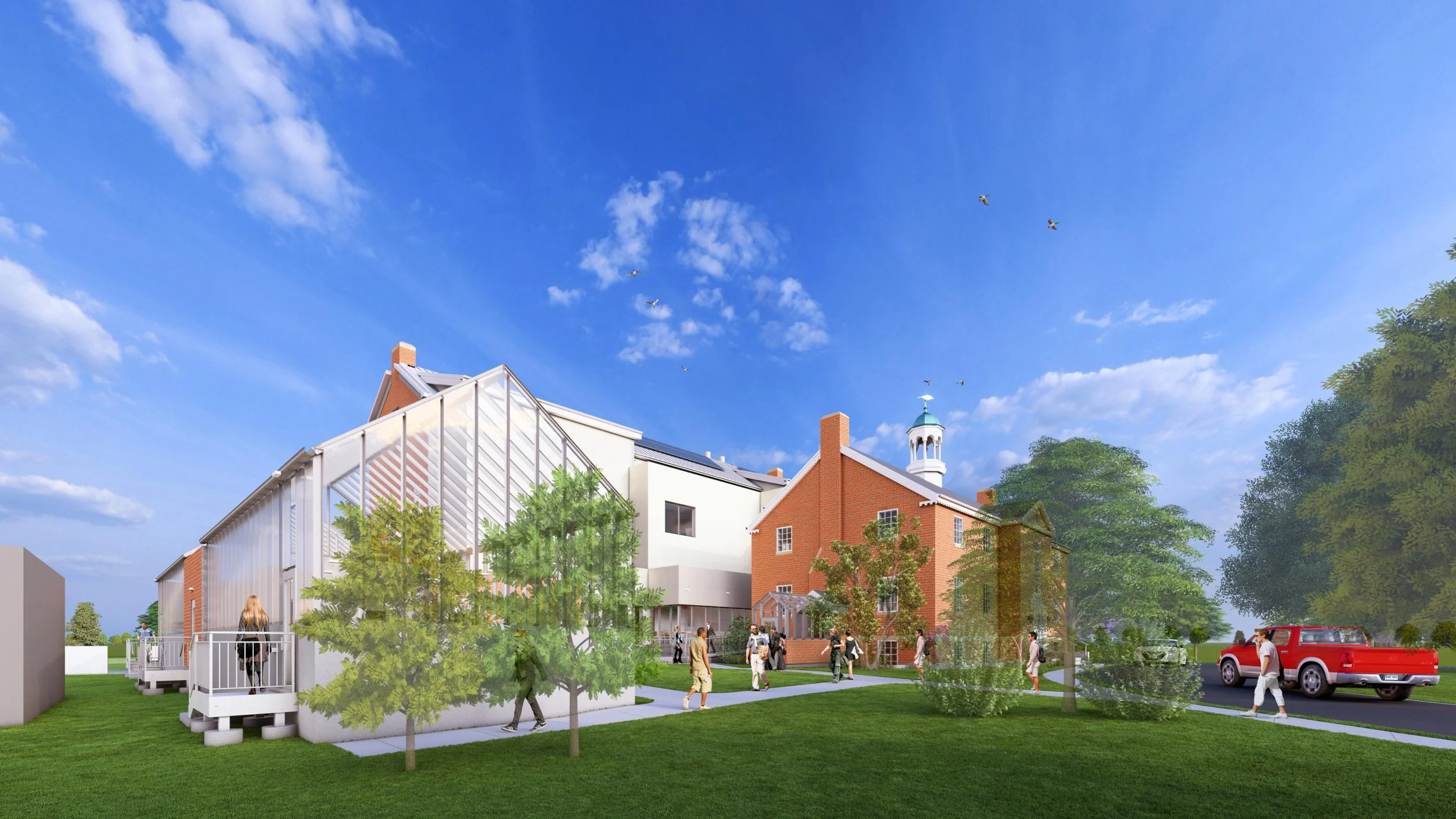
With construction underway, a key focus has been maintaining continuity of research and diagnostic services through a phased transition strategy, including staff relocation and the establishment of temporary facilities across multiple Connecticut Agricultural Experiment Station sites. Image: Courtesy of the Connecticut Agricultural Experiment Station
With construction underway, maintaining continuity of research and diagnostic services has been a major logistical focus. Staff will begin relocating out of the existing Windsor building, with temporary facilities established across multiple locations.
Last explains that a phased transition strategy is in place to ensure services continue with minimal disruption. “The staff will move out of the existing building effective April 20, 2026. A temporary office trailer will serve as a diagnostic laboratory and for drop off for soil testing. The research staff have already begun relocating to temporary laboratories at the Experiment Station’s other locations in New Haven, Hamden, and Griswold.”
Some service delays are expected due to the distributed nature of the temporary setup. Guidance on maintaining ongoing operations during the transition was provided by lab user Michelle Salvas, Agricultural Scientist I and CAES nematode diagnostician. “I have used my recent presentations to inform users (farmers, golf course and athletic field managers, etc.) that the nematode lab, though at a temporary different location, will continue to accept samples during the renovation/construction,” she says.
A key priority has been maintaining clear communication with users about the temporary setup and any resulting impacts on service timelines.
“Due to the location split between research obligations in Windsor and the temporary lab in Hamden, I advised that a delay in processing may occur,” says Salvas, “but my intention, as always, is to report results as quickly as possible.”
Flexibility and long-term efficiency
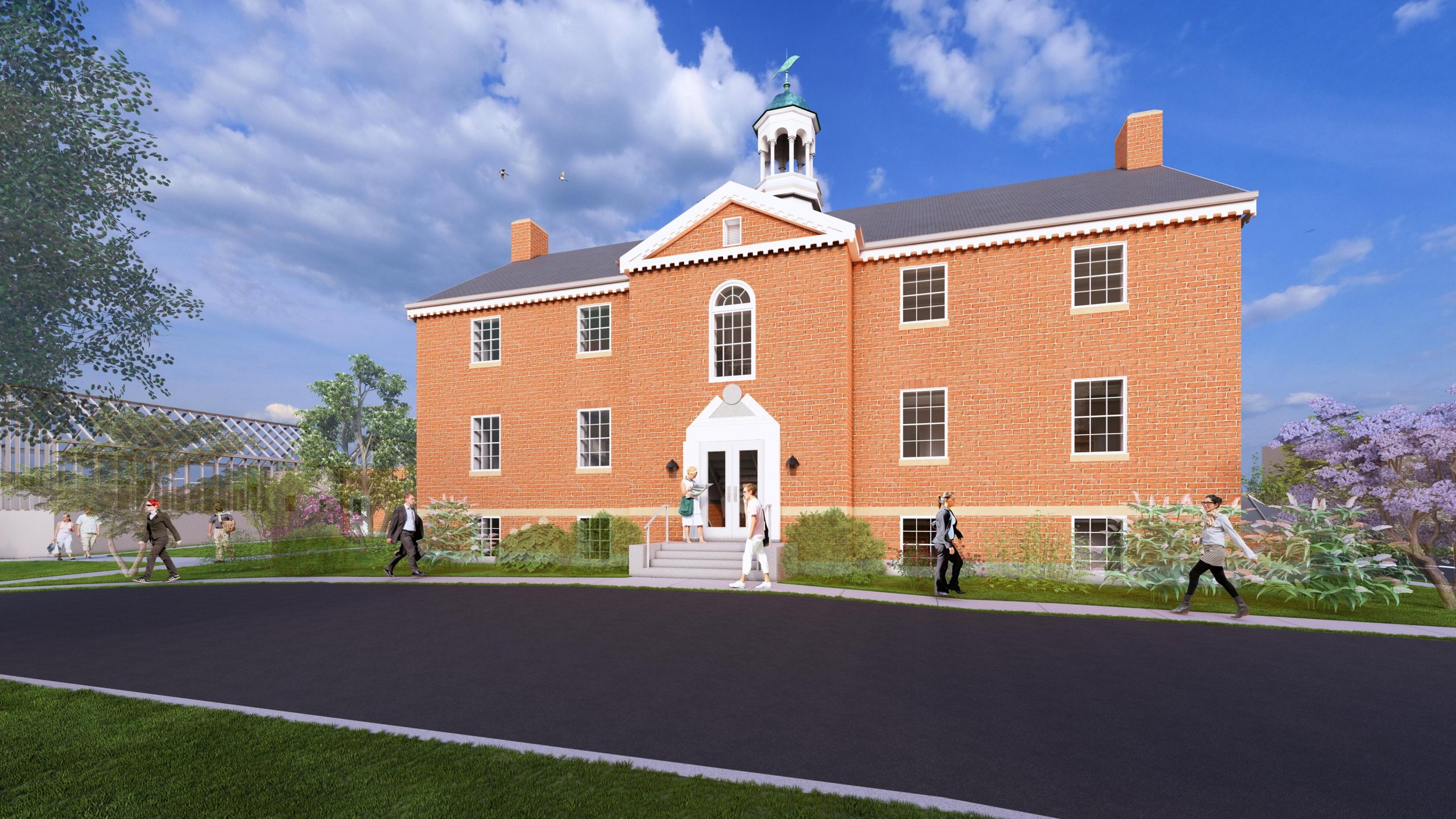
The new facility is designed for long-term adaptability, with modular greenhouses and flexible laboratory configurations that will allow research space to evolve alongside changing scientific priorities, supported by modern utility upgrades and a geothermal heating and cooling system. Image: Courtesy of the Connecticut Agricultural Experiment Station
The new facility is also designed to support long-term adaptability. Modular greenhouses and flexible lab configurations will allow the station to adjust research space based on evolving scientific priorities.
Last emphasizes that these features are central to the project’s long-term value. “The modular design of laboratories and greenhouses will allow for the flexibility of research and space requirements in the future,” he says. “The utility upgrades and geothermal heating and cooling system will provide a modern and efficient operating model for years to come.”
The renovation is not only a facility upgrade but also an investment in Connecticut’s agricultural and environmental resilience. According to station leadership, the Valley Laboratory supports thousands of inquiries and soil tests annually, providing critical services that underpin the state’s $500 million agricultural sector and broader $4 billion economic impact.
When complete, the upgraded Valley Laboratory is expected to significantly enhance Connecticut’s ability to respond to agricultural, environmental, and public health challenges—ensuring that a historic research institution is fully equipped for the demands of modern science.