Lab Design Conference Speaker Profile: Mukesh Jani
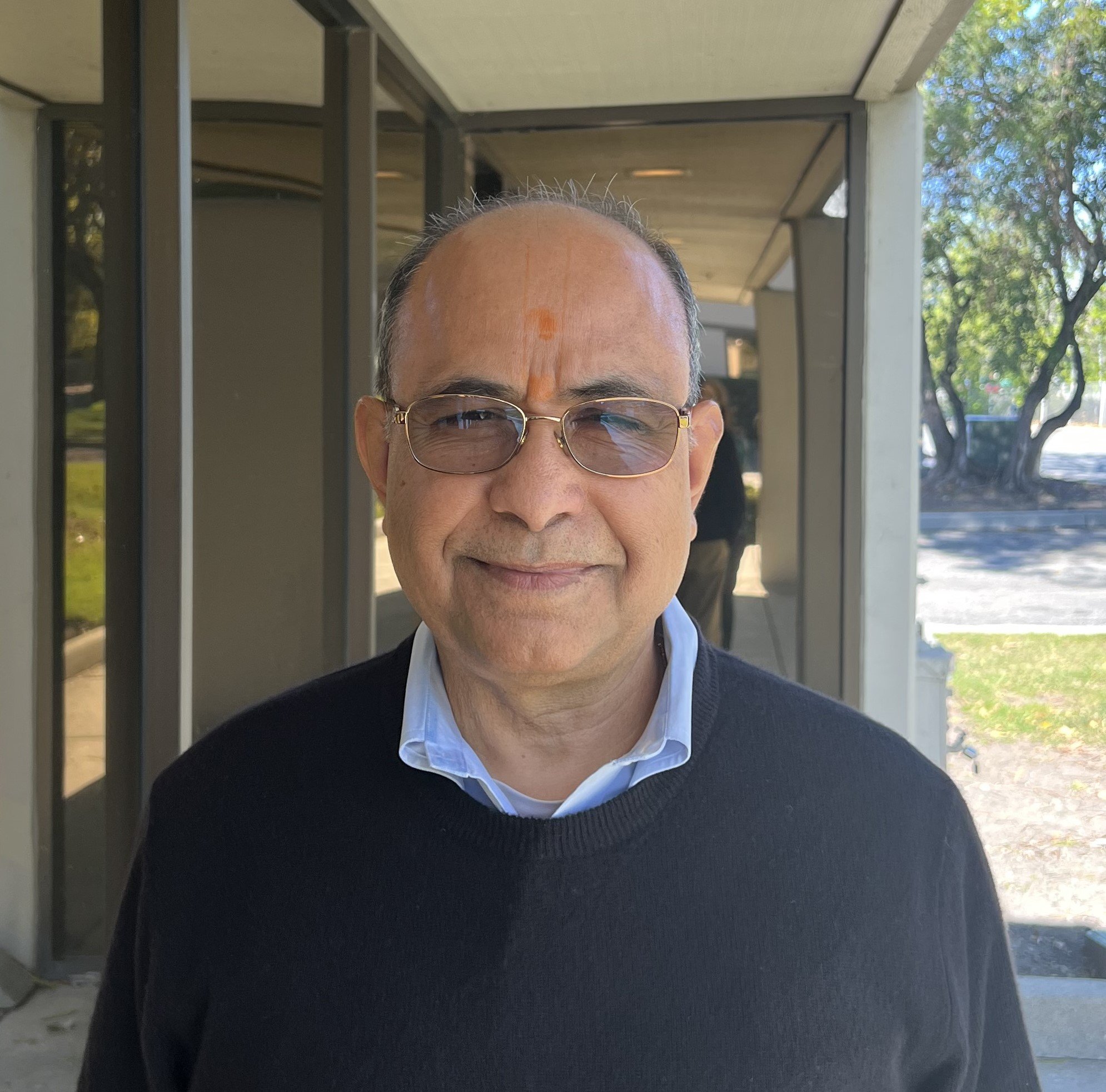
2026 Lab Design Conference speaker—Mukesh Jani, founder and lab director, Torrent Laboratory
Mukesh Jani, founder and lab director of Torrent Laboratory, will be speaking at the 2026 Lab Design Conference in Orlando, FL. Mukesh’s session, Designing for Health, Safety, and Science: Transforming Industrial Space into a State-of-the-Art Lab, will take place on May 13 at 9:00-10:00am. In this talk, he will review the transformation of a windowless industrial building into a high-performance laboratory—including air quality, ergonomics, and fire safety considerations—and share insights on designing spaces that protect human health, support cognitive and physical wellbeing, and promote safe, efficient, and adaptable laboratory operations.
Lab Design News spoke with Mukesh about reimagining industrial space for modern science, designing laboratories that prioritize health and safety, and discovering how a few well-placed skylights can completely transform the way people feel at work. Register now to get your conference ticket and be in the audience for this informative session!
Q: What makes your Lab Design Conference talk especially relevant to the current trends and challenges in laboratory design?
A: Today’s laboratories are not just scientific workspaces—they’re environments that must protect human health, promote wellbeing, and adapt to fast-changing technologies. Many organizations still operate in retrofitted or legacy buildings that were never meant to meet modern HSW standards. [This] talk examines how we transformed a windowless industrial shell into a vibrant, code-compliant, energy-efficient laboratory that supports the physical and mental wellbeing of our team. It’s a real-world story about balancing science, safety, and sustainability, while making the lab aesthetically pleasing and a place that inspires and motivates people to work.
Q: What key takeaways should attendees expect from your session, and how can they apply these insights in their own labs?
A: Attendees will walk away with a checklist of actionable design strategies—everything from air handling and exhaust design to lighting, ergonomics, and fire safety. These are principles that can be applied to both new construction and renovation projects. Attendees will also learn about how small adjustments—like improving airflow zoning or introducing daylight into critical work areas—can significantly improve comfort, focus, and safety.
Q: How do you see the future of lab design evolving over the next five to10 years, and how should professionals prepare?
A: The next decade of lab design will be defined by adaptability. Laboratories will need to evolve as quickly as science itself, with modular spaces, smart ventilation systems, and integration of automation and AI. Designers and lab managers must think beyond compliance—toward creating environments that are flexible, connected, and centered on human performance and wellbeing. I also believe there will be an increased focus on creating sustainable labs that conserve energy, reduce waste, and are overall environmentally conscious.
Q: What practical tips can lab users apply to optimize their current space, without a major renovation or rebuild?
A: I would suggest starting with air and light. You can improve ventilation by checking your air exchange rates and exhaust routing, and add elements that bring in natural light where possible. This can be done through skylights or clerestories. Reconfigure bench layouts to minimize repetitive strain. Small ergonomic and lighting upgrades can make a big impact without heavy capital investment.
Q: What’s one lesson from a past project that significantly influenced your approach to lab design?
A: During the redesign of Torrent’s new facility, we realized how profoundly natural light and visual openness affect morale and accuracy. The original building had no windows—so we brought in daylight through fire-rated window systems and skylights. We’re seeing a dramatic change in the energy and focus among our chemists already. This reaffirmed our belief that great lab design starts with people, not just equipment.
Q: Can you share a case study or real-world example from your Lab Design Conference talk that illustrates current trends in lab design?
A: Our new 20,000 sf facility in Milpitas, CA, is a great example of people-centric design. Every system—from airflow to ergonomics—was reimagined to enhance health, safety, and performance. We used the project to test how industrial retrofits can meet LEED-level efficiency and DoD-level safety, creating a model for sustainable, high-compliance labs.
Q: Why should lab design and operations professionals attend your session, and what will they gain from it?
A: This talk blends science with lived experience. [I] don’t just talk about specs—[I] show how to apply HSW principles in the field, what works, and what doesn’t. Whether you’re a designer, facility manager, or lab user, you’ll gain instantly usable insights for creating safer, healthier, and more inspiring laboratories.
Q: What’s one soft skill you believe every lab design professional should cultivate, and why?
A: Empathy. The best lab designs come from understanding how people actually move, think, and feel in the space. Listening to scientists and technicians—the end users—yields insights that no blueprint can.
Q: What are some of your favorite hobbies or interests outside of work?
A: I love hiking and gardening—it keeps me grounded in the natural world that our work ultimately serves to protect. I’m also a fan of Indian classical music and travel, both of which keep me curious and inspired.
Q: Do you have a favorite lab design project or moment in your career?
A: Definitely the completion of our new Torrent Laboratory. Seeing it come to life—and watching our team thrive in the space—is a career highlight. It’s more than a lab; it’s a symbol of how design can elevate science.
Q: What’s your go-to method for unwinding after a busy week?
A: A long nature walk followed by classical music and a good book. It helps clear my mind and reconnect me with why this work matters.
Q: Have you attended the Lab Design Conference before? If this is your first time, what are you most looking forward to?
A: This will be my first Lab Design Conference, and I’m looking forward to exchanging ideas with people who share the same passion for building better labs. It’s rare to have so many experts—from designers to end users—all in one place discussing how to make science safer and more sustainable.
Register now to reserve your ticket for the 2026 Lab Design Conference!