
How Coating Selection Shapes Pharmaceutical Facility Readiness
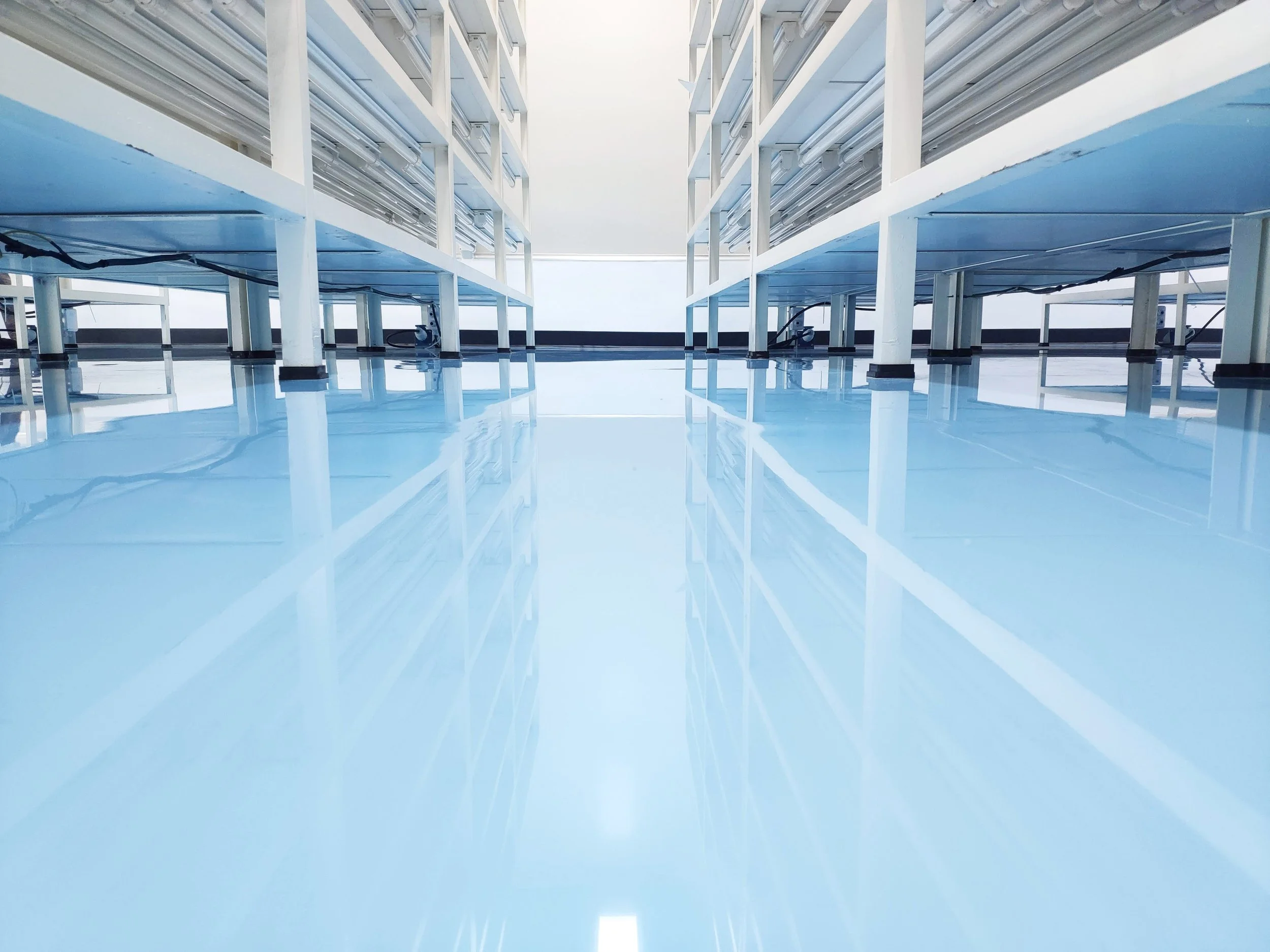
US pharmaceutical manufacturing projects face increasing pressure to reach operational readiness faster while meeting stricter regulatory requirements. For owners and facility leaders, the question isn’t just how quickly a facility can be built, but how smoothly it can move from construction into reliable production.
One factor that directly influences that transition is coatings. Often treated as late-stage finishes, coating and flooring solutions should instead be considered during design alongside other critical material decisions. These choices, when made early, can affect installation, cleanability, durability, maintenance and long-term facility performance.
The challenge: speed without compromise
Pharmaceutical manufacturing projects are being delivered on increasingly compressed schedules, leaving little room for material decisions that can create unexpected delays during construction. When coating solutions are treated as a finishing detail, key project elements may already be established by the time they are selected, limiting flexibility for contractors and design teams.
Cure and return-to-service times, surface preparation, application conditions, and coordination with other trades can all affect when and how a coating system is installed. Waiting until later in the project can restrict system options or create sequencing conflicts, particularly once equipment, piping, and other building systems are already in place. These delays can push back product launches, disrupt supply, and bring significant financial risk.
The consequences of late material selection can extend beyond design and construction as well. A system that is not suited to the cleaning protocols, chemical exposure, traffic, or other demands of a particular environment may require repair or replacement down the line, creating additional costs and potential operational disruption.
For pharmaceutical facilities, those challenges carry added weight. Construction teams must deliver clean, durable, and compliant environments that support FDA and current Good Manufacturing Practice (cGMP) requirements while coordinating multiple trades on tight schedules. Evaluating coating requirements earlier gives project teams more opportunity to select solutions based on both immediate installation needs and long-term facility performance.
Four coating considerations during facility design
Coating selection should be evaluated alongside other critical building materials during facility design, not after construction is underway. Different pharmaceutical spaces have unique performance requirements, and selecting systems based on those needs can help support compliance, simplify maintenance, and improve lifecycle performance. Key considerations include:
Cleanability and sanitation requirements: Designers should evaluate how coating systems support cleaning protocols while maintaining surface integrity and appearance.
Chemical and moisture exposure: Selecting systems designed for specific chemical, moisture, and environmental conditions can help reduce premature wear and extend service life.
Traffic, equipment, and operational demands: Understanding expected foot traffic, equipment movement, and operational activity helps ensure the selected system can withstand daily use while minimizing maintenance requirements.
Installation and return-to-service requirements: Cure times, application conditions, and construction sequencing can influence project schedules and coordination among trades. Evaluating these factors during design provides greater flexibility and can help avoid late-stage adjustments.
When these considerations are addressed early, project teams can align coating selection with both operational requirements and construction goals. The result is a facility better positioned to support future maintenance, regulatory compliance and reliable long-term performance.
Right system, right space
Using the same coating solution across diverse pharmaceutical spaces increases the risk of early wear and inspection issues. Cleanrooms, production floors, tanks, water/wastewater systems, utility corridors, and secondary containment areas each face different risks, considerations, and performance demands.
Selecting the right coating system for each space requires early collaboration among design teams, contractors, and coatings specialists. Making these decisions during design and preconstruction reduces installation surprises and helps ensure finished spaces perform as intended throughout the facility’s lifecycle.
A practical advantage
In pharmaceutical construction, coatings should be treated as part of the facility’s infrastructure, not as an aesthetic afterthought. Integrating coating decisions earlier in design can help reduce late-stage changes, supporting smoother inspections, fewer corrections, and more predictable transitions into production.
As pharmaceutical manufacturers continue to expand capacity in the US, material decisions made during design and construction increasingly determine how smoothly facilities move from build to operation. When coatings are approached strategically, they become a quiet but essential contributor to keeping complex projects—and production schedules—on track.