
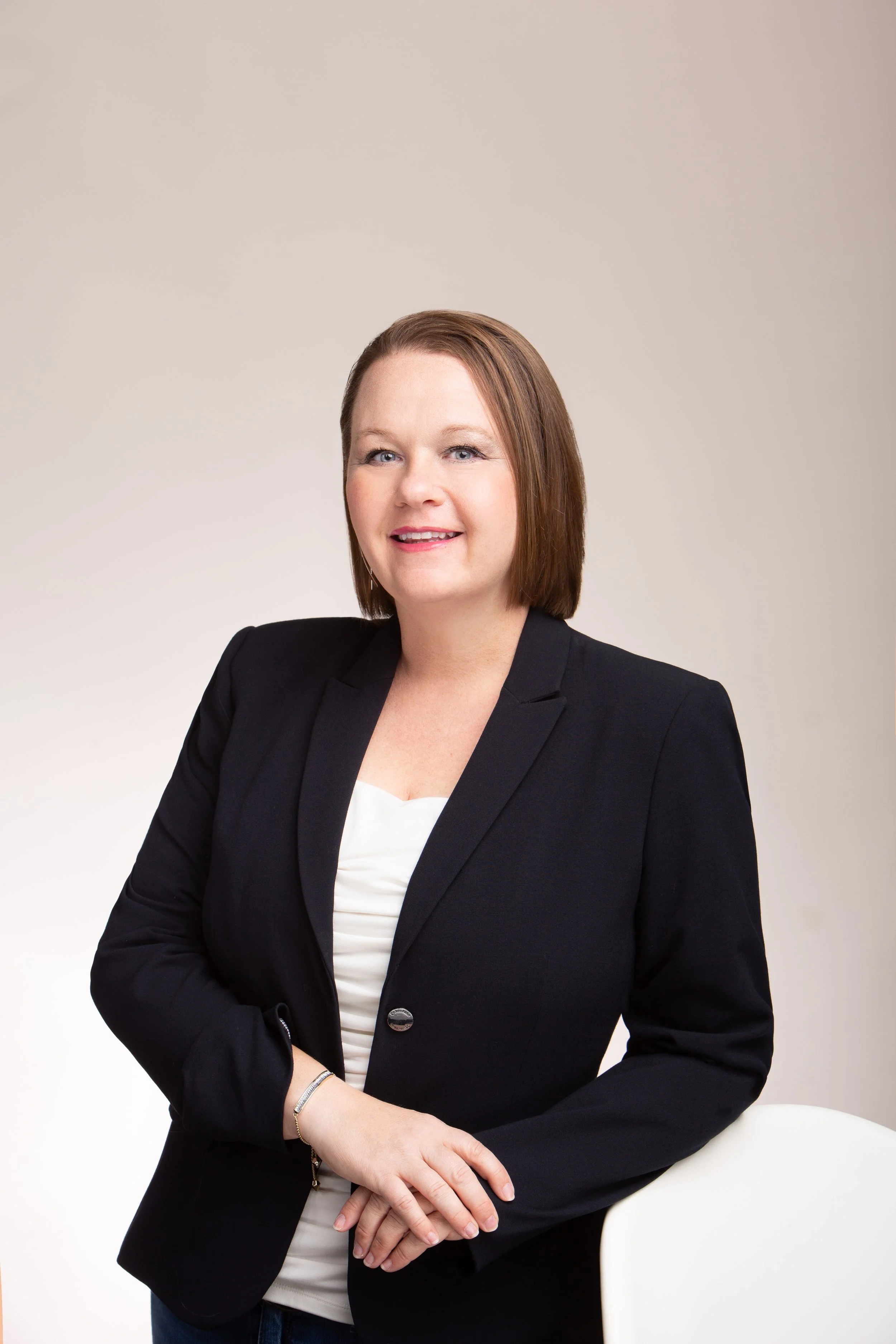
2025 Lab Design Conference speaker—Ardis Clinton, co-founder, Scientia Architects
At the 2025 Lab Design Conference in Denver, CO, attendees were invited to look beyond blueprints, budgets, and technical specifications to focus on the human experience of laboratory environments. The interactive roundtable, “Designing Labs for People: A User-Centered Approach to Laboratory Spaces,” led by Ardis Clinton, co-founder of Scientia Architects, and laboratory design architect Robert Lawyer, encouraged a candid exchange of perspectives rather than a traditional lecture format.
The discussion brought together architects, engineers, owners, and vendors in a collaborative setting to explore the evolving challenges of laboratory planning—from rising construction costs and user expectations to the integration of new technologies and the balance between collaboration and concentration.
The influence of change on design
The conversation began with a central question: “What is influencing design and how are we responding?” Participants quickly pointed to financial pressures as a driving force. Clinton noted the steep costs of laboratory conversions, observing that firms are now “seeing $1,000 plus a square foot for converting labs,” adding, “I think the days of 350 a square foot are over.” One attendee summed up the resulting shift in priorities: “to be creative and [do] more analysis on the true requirements from the users in the university.”
The conversation also reflected a growing awareness of changing user demographics and needs. Clinton emphasized that “recognition of neurodivergence is becoming a hot topic,” underscoring a broader trend toward more inclusive, adaptable spaces. Flexibility was a recurring theme, with one participant noting that “we’re starting to see how hard it is to retrofit labs and how expensive it is,” driving greater interest in “flexible design and different technologies... to support” the work happening inside.
Visual connection and daylight access were also identified as essential to well-being. Lawyer shared that users who were once “adamant that they did not want glass into their lab” later admitted, “man, you know, we’d love having the access to see the outside, see whether it’s raining, see what the day is bringing.” Yet, this openness sparked debate over “science on display.” As one attendee put it, “scientists don’t like to be on display. You can display the scientists or the science, but not the scientist.” Others noted the benefits of switchable glass technology, offering “that level of... daylight to come in,” without sacrificing privacy.
The impact of technology and data management
Another major theme was how teams collect, share, and manage information. The sheer volume of data generated during design and operations has become a growing concern.
Clinton described the transformative role of artificial intelligence in streamlining documentation, saying, “If you’re not, you need to look into it, change your life… a huge, huge, huge tool for us is the AI note taker.” Lawyer added that AI helps ensure that meeting records “have a life past that meeting,” improving traceability for experiments and facility maintenance.
The 2026 Lab Design Conference in Orlando, FL, will feature several roundtable sessions, providing opportunities for peer-to-peer discussions and professional networking. Register now to secure your ticket—early bird pricing is available through December 31, 2025.
Attendees also discussed how visualization tools are changing client engagement. One designer described using 360-degree renders accessible via QR codes, allowing clients to “stand in the spaces, or walk through the spaces and bring up views on their own device.” Lawyer, a self-proclaimed VR enthusiast, highlighted the power of immersive visualization: “It’s shocking when you see your lab in your empty space and there’s a table … oh, wait, it’s not there.”
However, the conversation also acknowledged the downside of technological abundance. “There’s 10 different ways to send a message... the glut of options right now is becoming the biggest problem,” one participant said, citing the “decentralization of standardization and how the industry operates.” Others pointed out that clients may struggle to keep up with new collaboration platforms, noting, “you use it day in and day out. It may be new to your customer.”
Sustainability, wellness, and the flexibility debate
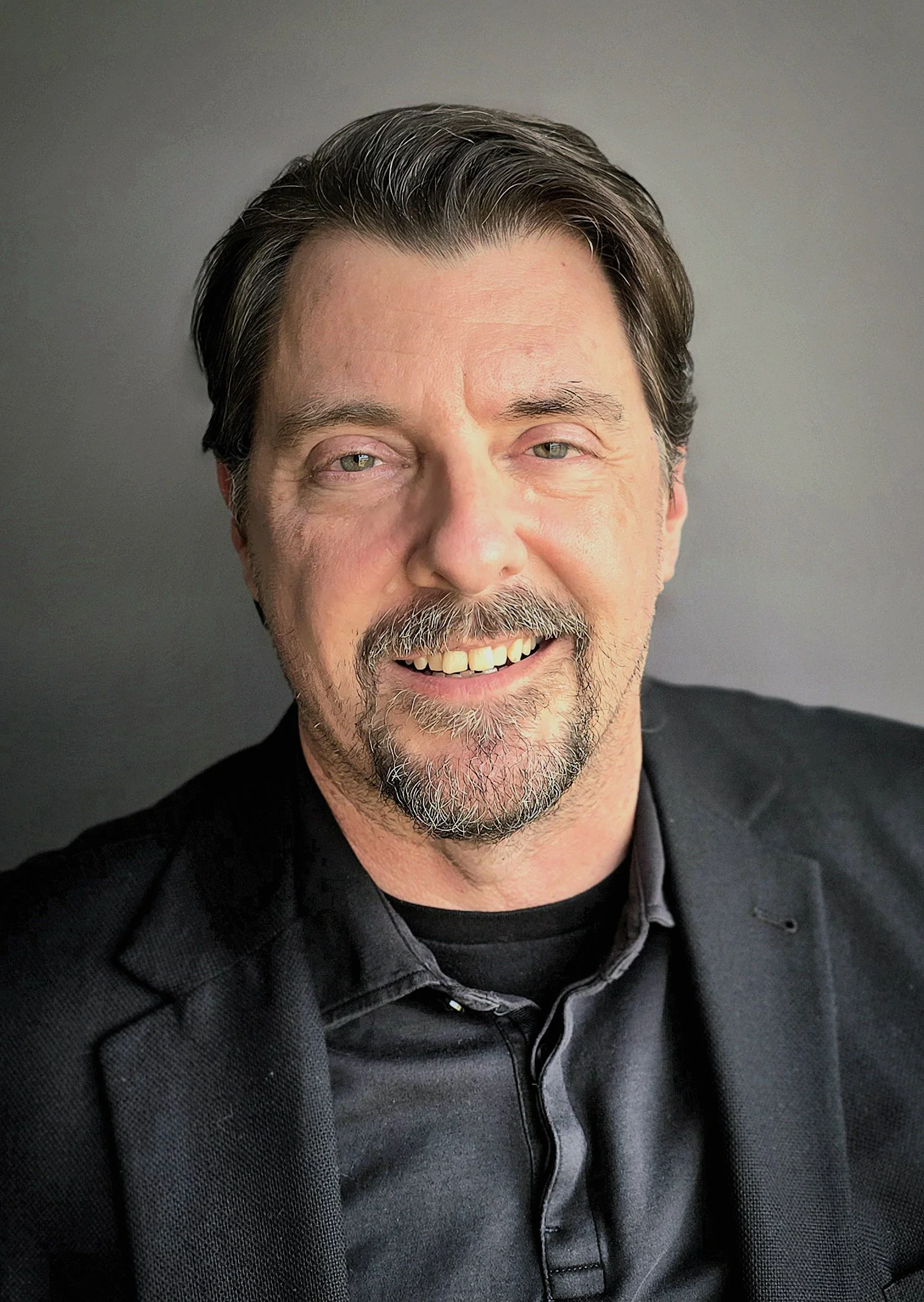
2025 Lab Design Conference speaker—Robert Lawyer, laboratory design architect
Sustainability and wellness emerged as recurring priorities during this Lab Design Conference roundtable session—but also as frequent casualties of value engineering. Clinton urged her peers to “be advocating more of” these features, reminding the group, “This isn’t fluff. This is better well being for the project, better for the buildings, better for the Earth.”
Many attendees shared frustration that sustainable systems, such as ice storage for energy savings, are often eliminated due to cost. As one participant summarized, “We want the LEED concept, but we’re not going to pay to get it certified.”
The group agreed that a balanced approach is essential. Designing facilities to be Net Zero-ready—with capacity for future upgrades like electric boilers—was highlighted as a practical way to support sustainability without overwhelming current budgets.
The conversation also revisited the long-standing question of flexibility in lab design. Clinton asked whether the industry might be “swing[ing] back to fixed casework,” wondering if clients “really want it anymore.” One attendee cautioned that “every time you bring flexibility, you overpay and you create substandard space.”
Rather than relying on total flexibility, participants recommended thoughtful planning—considering what might “be in my way if I would like to renovate the lab for something different.” Infrastructural flexibility, such as scalable HVAC and utility systems or the ability to convert spaces between positive and negative pressurization, was seen as a more cost-effective and enduring solution.
Unmet needs and the role of the designer
The final portion of the Lab Design Conference roundtable allowed participants to surface under-discussed topics in laboratory planning. Acoustics and vibration control—particularly for nanotechnology research—were cited as critical yet often overlooked design challenges.
Clinton observed that the increasing sophistication of research requires a deeper technical understanding from designers. “We’re seeing a lot more sophisticated equations [and] equipment that have a lot of requirements that even the scientists can’t tell us what they need,” she said. This complexity underscores the importance of specialized knowledge, from handling specialty gases to understanding control areas and chemical classifications.
Another common frustration involved vendors who withhold site installation guides until after purchase orders are finalized—complicating coordination and delaying planning efforts.
The discussion closed with a recognition of the designer’s evolving role as a mediator. One attendee likened the job to being a “marriage counselor” between principal investigators and facilities staff, balancing scientific aspirations with operational realities. Having someone on the design team who has “actually worked in the lab,” the participant added, can help bridge communication gaps between these groups.
As the session drew to a close, participants emphasized the importance of transparency and early communication. “The client would benefit from hearing what is the space limited to, and what are its constraints... It cannot do this, it cannot do that. And are you okay with that?” one attendee said.
The roundtable concluded with a shared sense that the future of laboratory design depends on open dialogue, empathy, and cross-disciplinary understanding. By moving beyond a checklist of technical requirements, the design community can better align spaces with the people who use them—scientists, students, and support staff alike.
The 2026 Lab Design Conference in Orlando, FL, will include roundtable sessions covering academic lab design, material selection, and vibration concerns. Active participation—through discussion, questions, and sharing real-world experiences—will be key to making these sessions engaging and valuable for everyone involved. View agenda information and get your event ticket at https://www.labdesignconference.com/.