
Casework & Furniture Digital Conference
Original Air Date:
Thursday, March 19, 2026
Join Lab Design and our experts for this free digital conference where industry leaders will break down the key factors that shape safe, efficient, and user-centered laboratory environments.
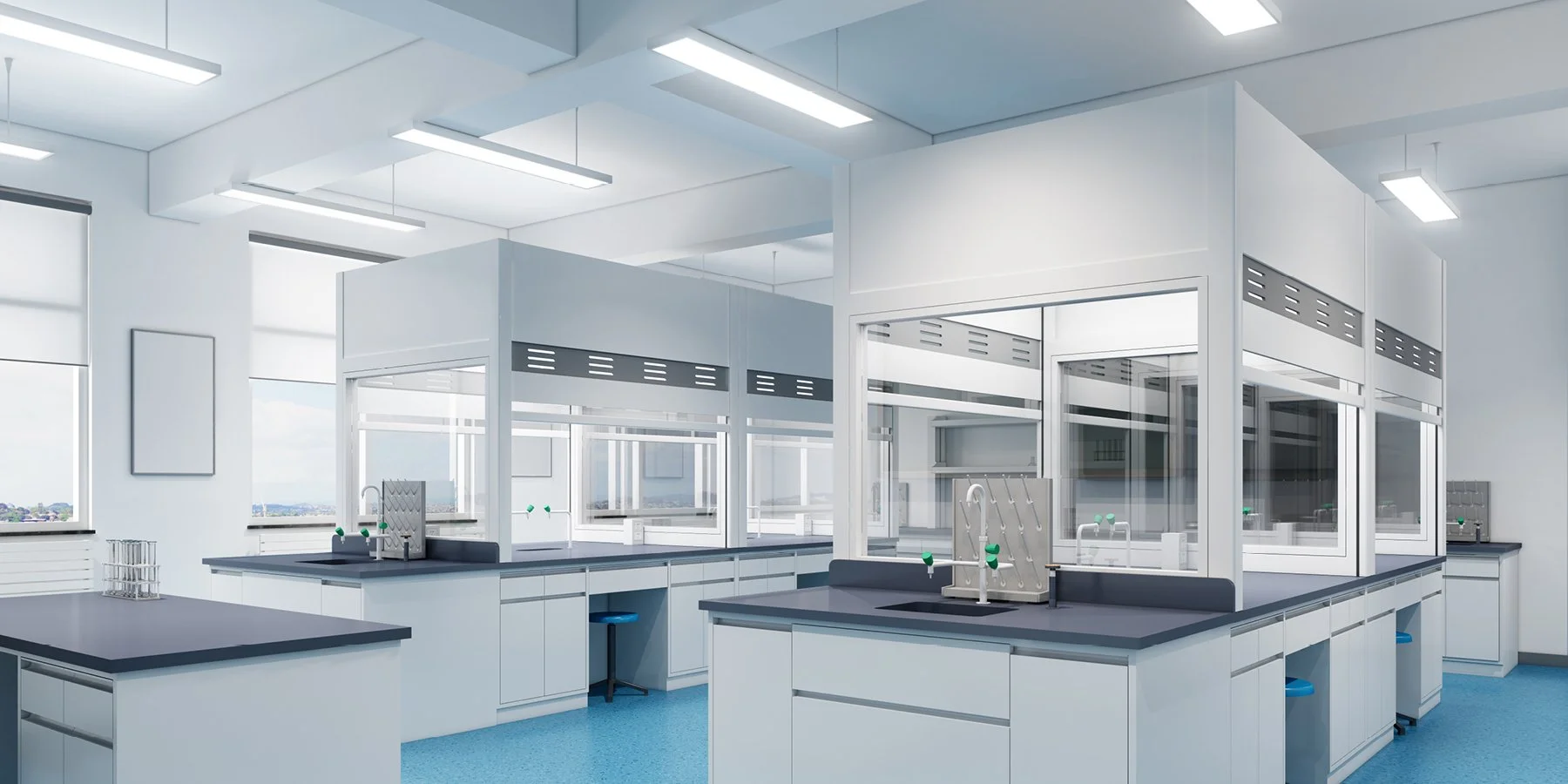
Laboratory casework and furniture are critical components in building functional, efficient, and safe lab environments. The right choices can optimize space, improve workflow, and ensure compliance with industry standards—while also enhancing usability, safety, comfort, and productivity.
Join Lab Design for an on demand, virtual event on Casework & Furniture, part of the Lab Design Digital Conference series. Industry experts will share key considerations when selecting and designing laboratory casework and furniture, from material durability and ergonomics to customization options and regulatory compliance.
The program will bring together project teams such as architects, lab planners, and designers who are shaping laboratory spaces; lab managers, researchers, and end users who are planning new facilities or renovating existing ones; and vendors and manufacturers interested in the latest developments in laboratory furniture and casework. Registration is free to watch on demand.
The webinars in the Lab Design Digital Conference series are free to attend live and/or on demand. Select sessions will be available for AIA/HSW continuing education credit.
View on demand
The information you provide will be shared with the sponsors of this content. Lab Design or its sponsors may contact you to offer you content or products based on your interest in this topic. You may unsubscribe from these communications at any time. For information on how to unsubscribe, our privacy practices, and commitment to protecting your privacy, check out our Privacy Policy

Lab Design is an AIA CES approved education provider
Sponsors

Agenda
11:00am-12:00pm ET
Laboratory Worksurface Hygiene
Laboratory worksurfaces play a critical role in maintaining safe, compliant, and high-performing research environments. This webinar explores the hygiene, durability, and lifecycle performance of two widely used materials—epoxy resin and compact surfaces—highlighting how their unique properties influence cleaning protocols, chemical resistance, and long-term reliability. Attendees will learn how proper care and maintenance practices support contamination control, extend service life, and reduce costly repairs or premature replacement. The session will also compare recommended cleaning products, methods, and maintenance schedules, while examining the safety and operational risks associated with improper upkeep. Through real-world case studies, participants will gain practical guidance on selecting, maintaining, and advising on lab-grade worksurfaces to ensure they continue to support safe workflows, regulatory compliance, and resilient laboratory operations over time.
Learning objectives:
Identify the material properties and performance characteristics of epoxy resin and compact surfaces.
Understand the importance of proper care and maintenance to ensure longevity, safety, and compliance.
Compare recommended cleaning methods, products, and schedules for each material type.
Recognize the impact of improper care on lab safety, material performance, and long term costs.
Advise clients on best practices for maintaining lab grade worksurfaces by examining case studies.
This course is approved by AIA CES for 1 LU/HSW credit
Speaker

Beto Garcia
Architectural Specs Manager
Durcon—A Wilsonart Company
12:30-1:30pm ET
Panel Discussion: Optimizing Lab Performance through Casework and Furniture
Laboratory casework and furniture form the backbone of a functional, safe, and efficient research environment. This panel discussion with industry leaders will explore workspace optimization, workflow efficiency, and long-term durability in modern lab design.
Participants will gain practical insights on how furniture choices—including those aligned with industry standards such as SEFA—can enhance performance, comfort, and safety. Whether planning a new facility or renovating an existing space, this discussion offers strategies for avoiding common design pitfalls, implementing high-performance solutions, and future-proofing laboratories.
Learning objectives:
Evaluate how material selection and construction quality impact laboratory longevity, safety, and compliance with industry standards.
Identify ergonomic and customization strategies that maximize spatial efficiency and streamline daily workflows.
Navigate regulatory considerations and best practices to ensure furniture selections meet rigorous performance and safety criteria.
Integrate flexible furniture solutions that allow laboratories to adapt to evolving research needs and technological advancements.
This course is approved by AIA CES for 1 LU/HSW credit
Speakers

Don Bush
Regional Director, Life Science; Principal
HKS

Moray Newton
Studio Practice Leader, Education; Principal
HKS

Jon Davies
Studio Practice Leader, Life Science; Vice President
HKS

Mike Mulvey
Sr. Laboratory Planner; Vice President
HKS
2:00-3:00pm ET
Beyond Casework: Designing High-Performance Lab Environments
As life sciences organizations evolve, so must the lab environments that support them. Today’s high-performing labs require more than durable casework—they demand flexible, modular systems that integrate automation, adapt to changing equipment loads, and support diverse neurotypes and mentoring styles. This session explores how thoughtful design and infrastructure strategies can:
Enhance collaboration without sacrificing focused research
Improve safety and efficiency through smart circulation and ghost corridor planning
Support automation and robotics within traditional lab modules
Optimize performance using real-world data
Improve ergonomics, wellness, and retention through people-centric design
Balance cost, flexibility, and long-term scalability
Join us for a data-driven discussion on how modular lab planning, equipment integration, vibration control, and people-centric design strategies can elevate scientific outcomes while improving flexibility and retention.
Learning objectives:
Evaluate modular planning strategies that support adaptable infrastructure, safe circulation, and seamless integration of automation and robotics.
Identify layout and zoning approaches such as ghost corridors and equipment placement that reduce operational risks while improving workflow efficiency and reliability.
Apply data-driven design principles to optimize ergonomics, vibration control, and environmental quality to enhance comfort and sustained performance.
Balance flexibility, cost, and scalability by aligning modular systems and people-centric design strategies with evolving research needs and long-term organizational goals.
This course is approved by AIA CES for 1 LU/HSW credit
Speaker

Mark Paskanik
Fellow—Lab Design and Strategy
CRB